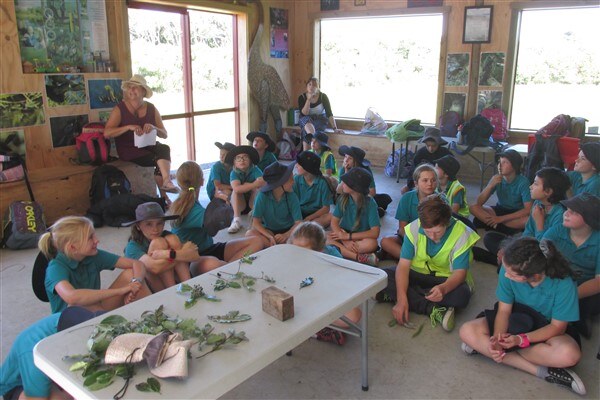
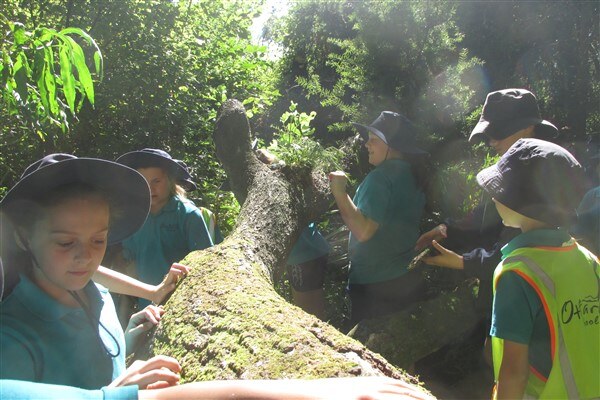
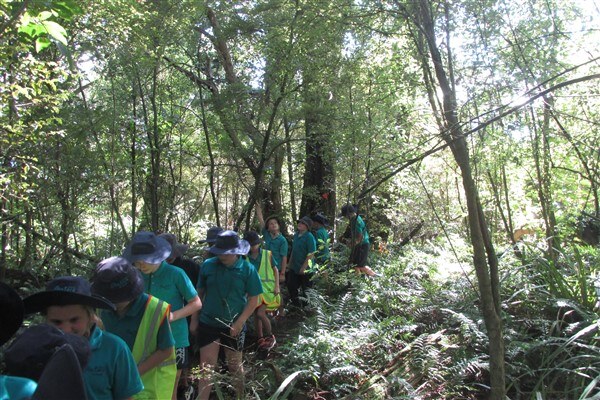
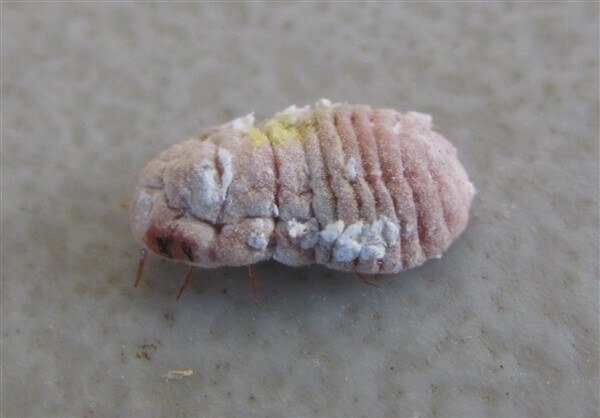
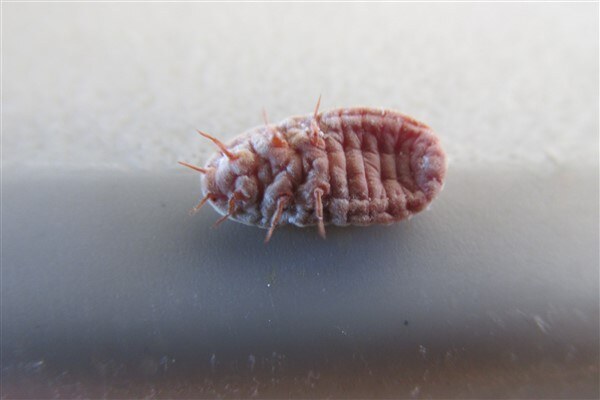
Each classroom at Otatara School is named after a native plant and each class has been given a potted plant and is visiting the Community Nursery and Education Centre as part of their inquiry learning. First off the blocks was Room 14 Tarata (Lemonwood) with teacher Tracey Maclennan. On a hot fine afternoon on 11 March Room 14 brought out their lunch after which we did a range of activities starting with a leaf quiz identifying tarata by its leaves and seeds and also looking at a range of plants that look similar. The class came with lots of questions from their enquiries so far and we discussed some of these in the Education Centre followed by a walk exploring the bush looking for tarata and wondering why it grows in certain places and not others. Generally it is not found in the dark bush but grows as a fast colonising species in open ground - https://www.southlandcommunitynursery.org.nz/how-forests-work/. During the bush walk, a student came upon a strange creature, which after sending a photo to Ruud Kleinpaste “the BUG Man” and our patron, was identified as a giant scale insect - http://www.terrain.net.nz/friends-of-te-henui-group/local-insects/scale-great-giant-scale-coelostomidia-zealandica.html. You just never know what you are going to find in the bush! Great enthusiasm and lots of great questions made it a fun afternoon for all and lots of follow up activities in the classroom are planned. It is great to see the local school connecting with their local environment.
Chris and Bronwyn
Posted: 19 March 2019
Get your planting done before winter!
We have locally sourced, good sized plants in PB3’s ready for planting now – all $5 each – toetoe, Carex secta, mingimingi (Coprosma propinqua), Cabbage tree, Kohuhu (Pittosporum tenuifolium), wineberry, koromiko (Hebe salicifolia) Lemonwood, broadleaf, manuka, red tussock and a wide range of native shrubs.
We will be having an open day on Sunday 7 April so if there are specific plants you want, get in before then or they will be gone.
Phone Chris evenings 03 2131161 to make a time to visit or come along on a Friday morning.
Chris
Posted: 12 March 2019
Free full day workshop on Southland Native Plant Restoration - including speakers on Urban Restoration (Bruce Clarkson Waikato University), Key factors for successful restoration (Brian Rance DOC Southland), New techniques - direct seed drilling (Tim Whitaker DOC Otago), Wetland Forest Restoration (James Griffiths DOC Science) and the Billion Trees initiative. The speakers will be followed by lunch (provided), workshops and a restoration field trip in the afternoon. Bookings essential to [Enable JavaScript to view protected content]. The workshop is open to anyone with an interest in native plant restoration. Southland Native Plant Restoration Workshop Poster
Date and Time 5th April, 8.45am-4.30pm
Venue Invercargill Workingmen’s Club & Southland Community Nursery and Bushy Point Restoration Project
The workshop is the initiative of Waikato University People, Cities & Nature project running throughout New Zealand, supported by local Southland agencies.
Chris
Posted: 6 March 2019
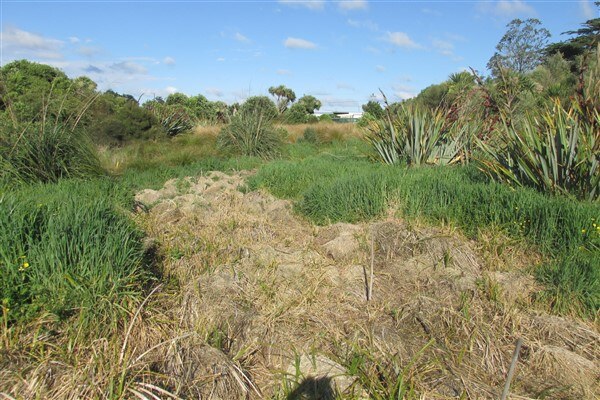
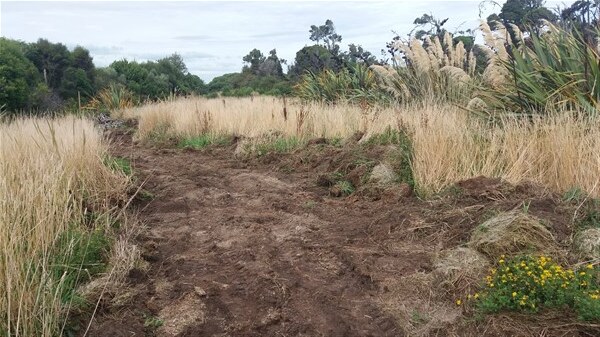
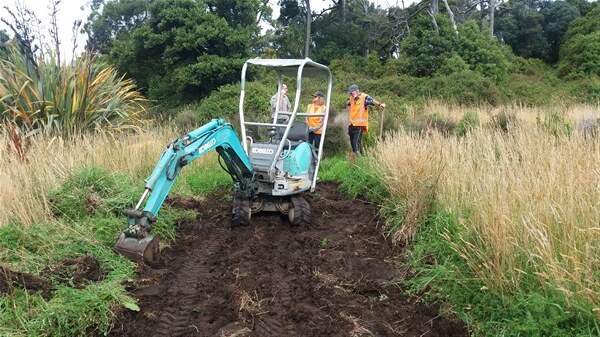
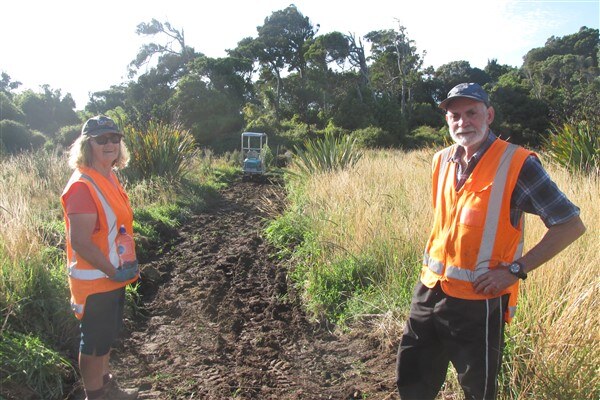
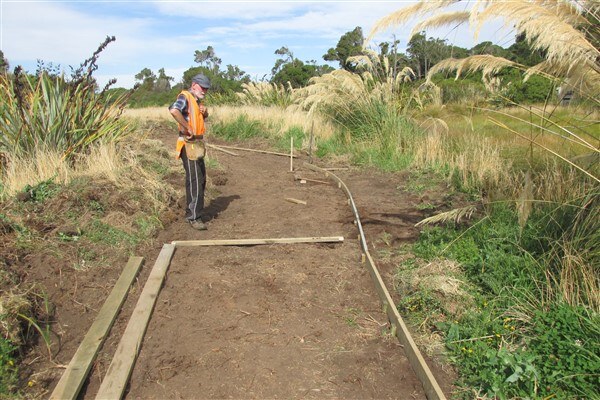
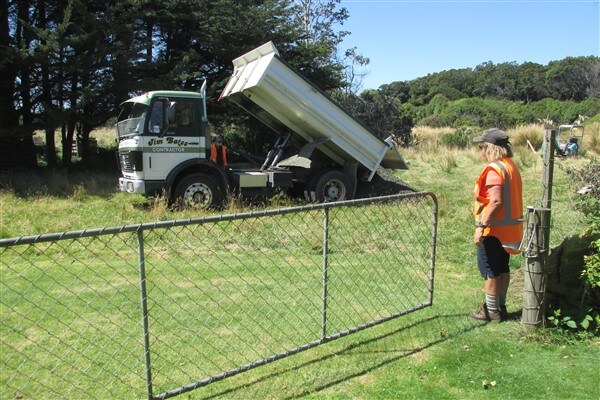
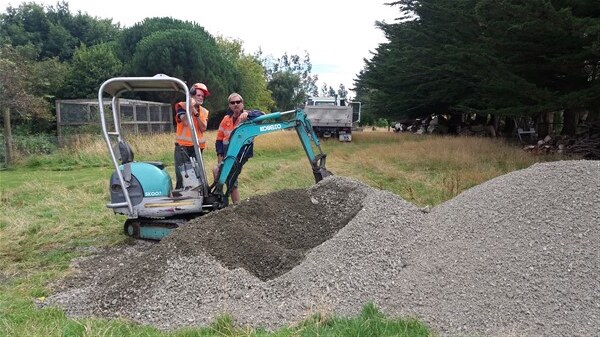
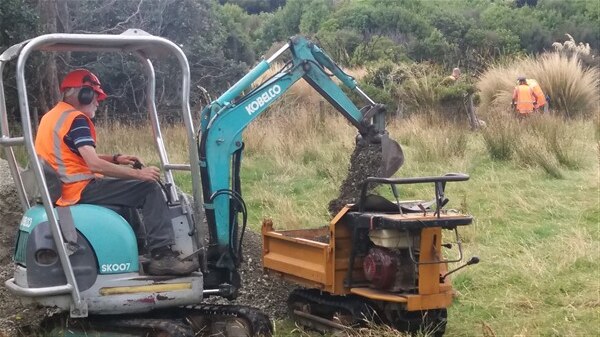
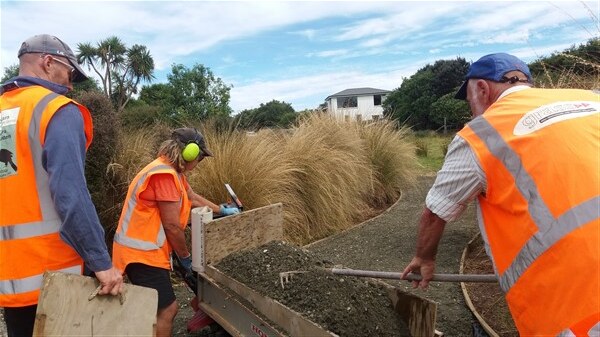
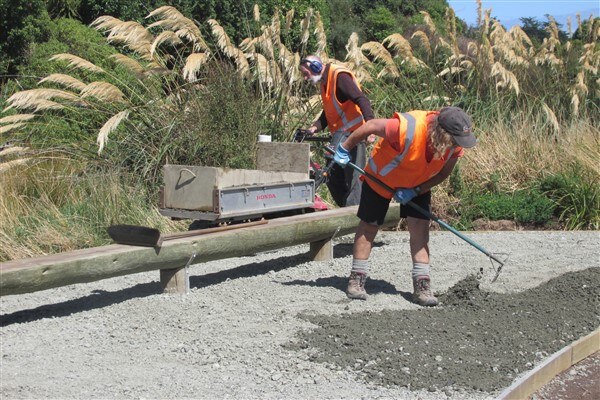
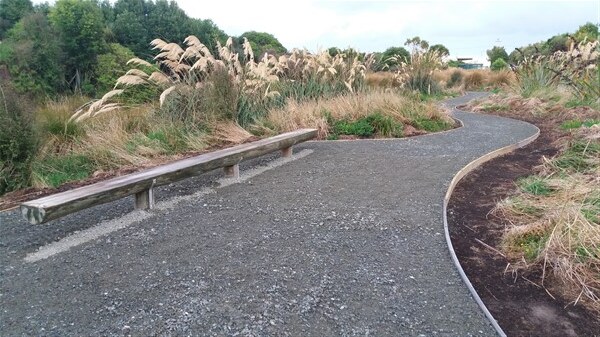
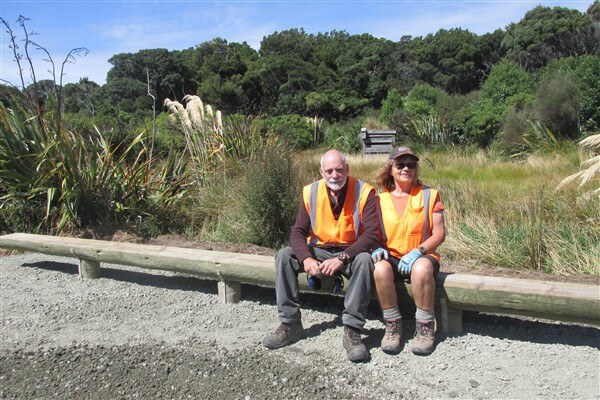
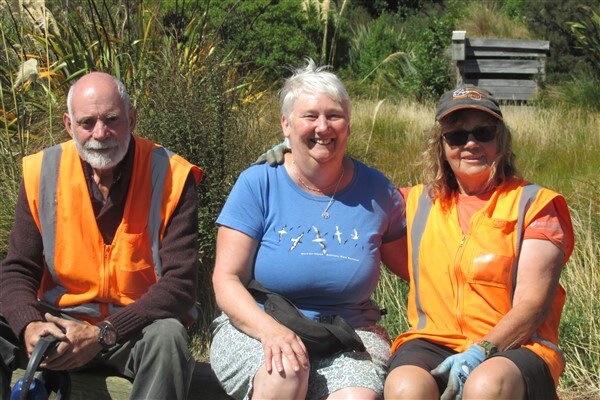
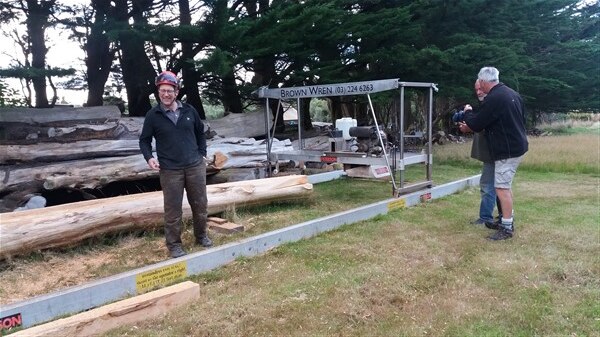
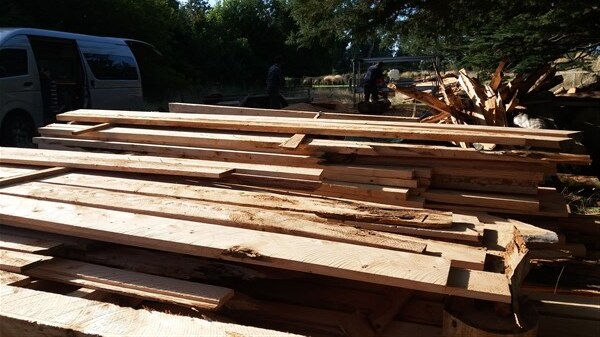
A few weeks ago our place was a flurry of activity – timber, mini digger, track machines, big loads of gravel and two very industrious “track doctors” - Phil and Joan Fluerty. A beautiful new track is now in place along the ditch side of our second pond in the covenant area. It gives better access and space for school and other groups as well as a quiet place for contemplation where a seat was gifted to us. There was quite a lot of volunteer help as well with setting up the route and later helping with gravelling, but most of the credit must go to Phil and Joan. Thanks also to QEII National Trust for a contribution to the track costs. Another construction type job came hot on the heels – Gary Brown and his portable sawmill and help from Stephen Elford cutting into planks the macrocarpa we had felled years ago – for our next project – watch this space!
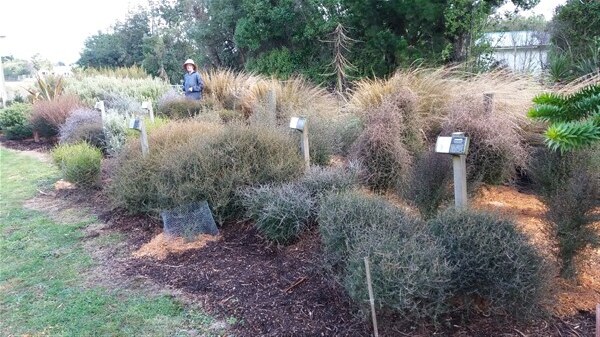
We also had Liz Meek staying for a week helping out with Threatened Plant work – the shadehouse was cleaned out and plants re-potted, the shrub border weeded and mulched, some un-named Melicytus potted, seeds cleaned and a host of other jobs caught up on!
Posted: 4 March 2019
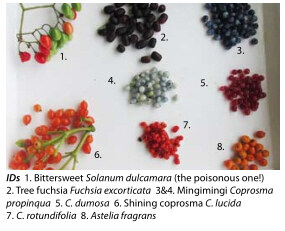
Seeds are being collected and cleaned each week until around June. First were the tussocks, toetoes, Carex and other grasses. Then the fruit bearing plants Mingimingi and other Coprosmas, Makomako (wineberry), Pseudopanax (five finger, lancewoods), Pate (seven finger), Corokia, Astelia (bush flax). Then dry seeds of rata (from last years flowering), lowland ribbonwood, kowhai, flax and manuka and Hebe to come. All seeds need some attention even if its only separating them from their seedcoats, but it takes quite a lot of time – particularly the fruity seeds. To learn about the various seeds and methods come along on a Friday morning.
Chris
Posted: 4 March 2019