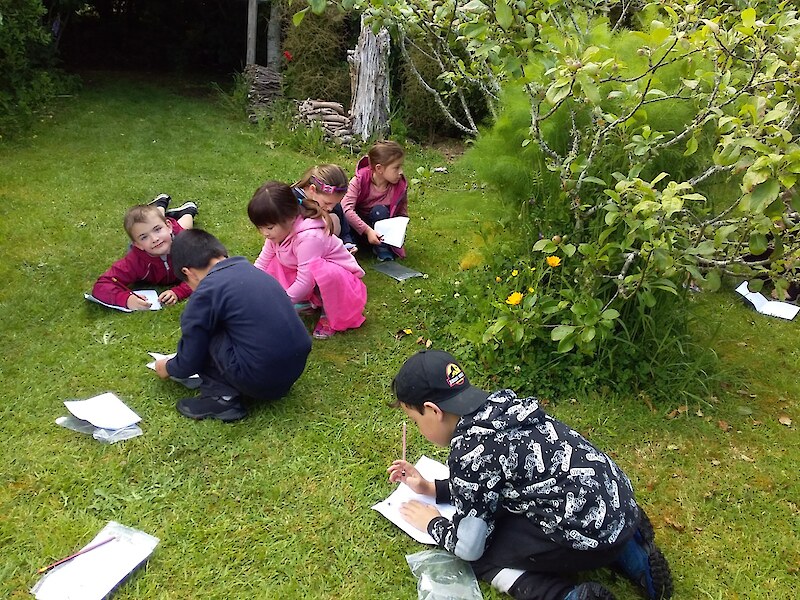
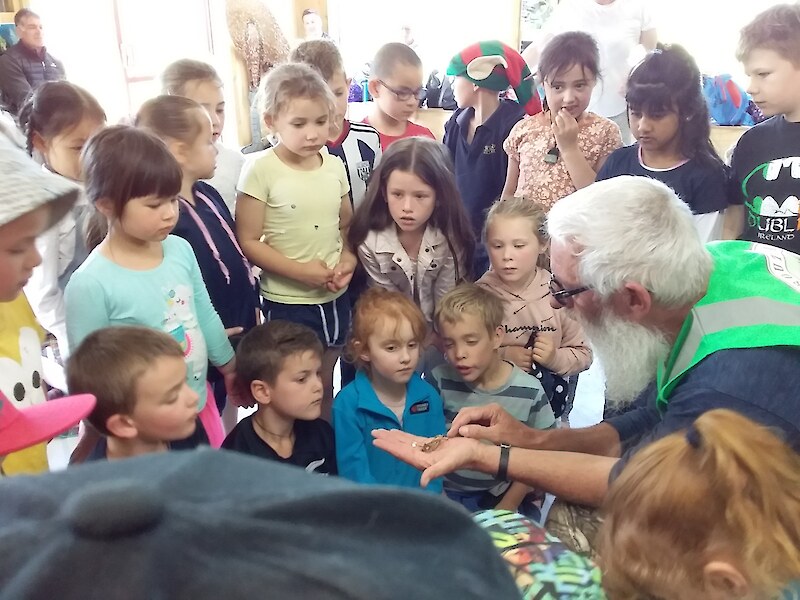
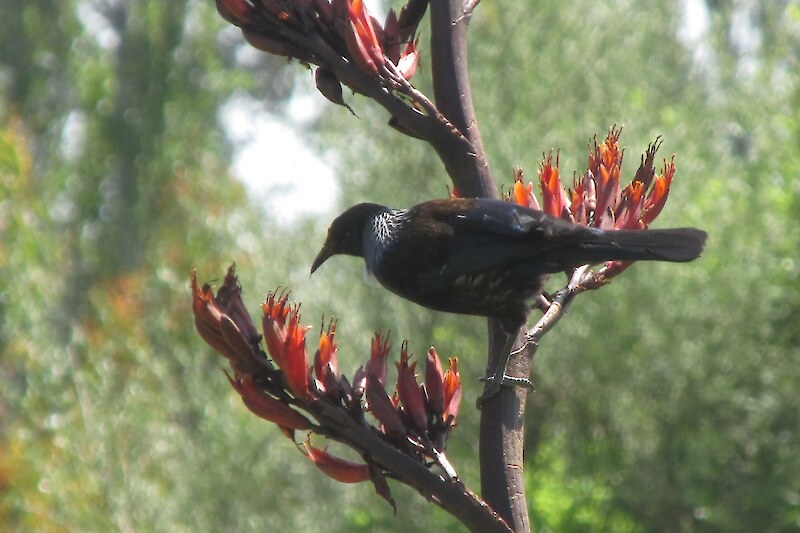
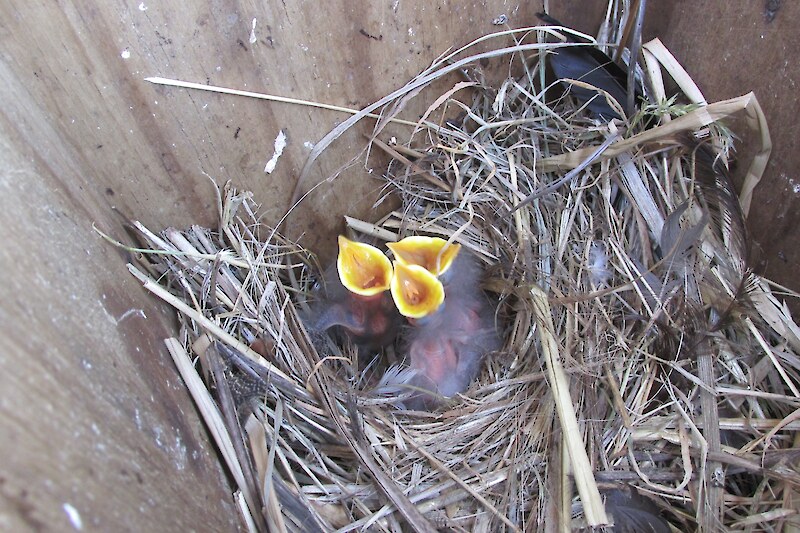
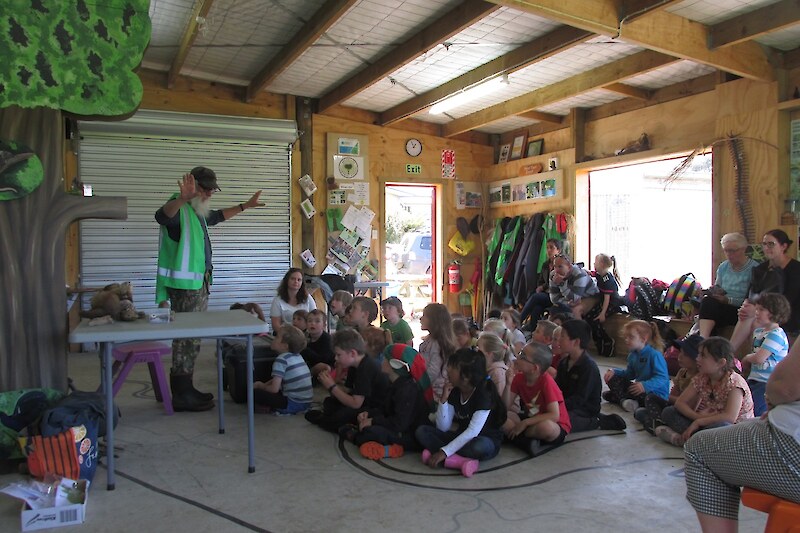
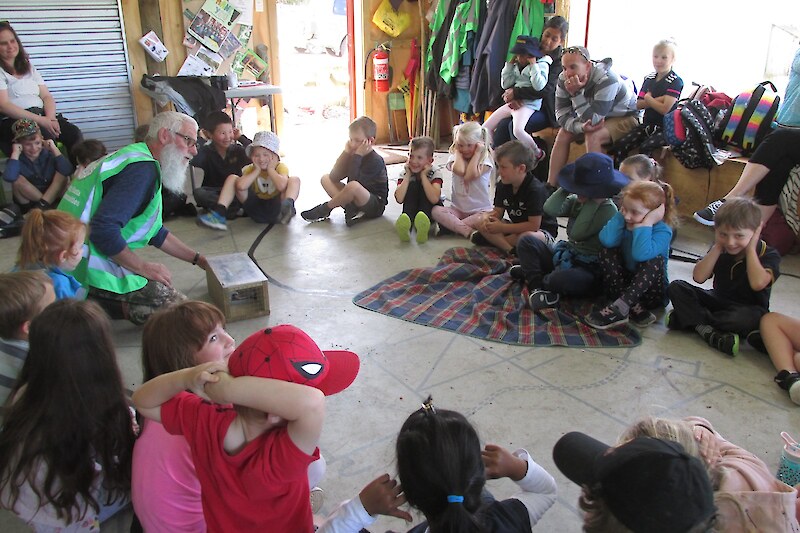
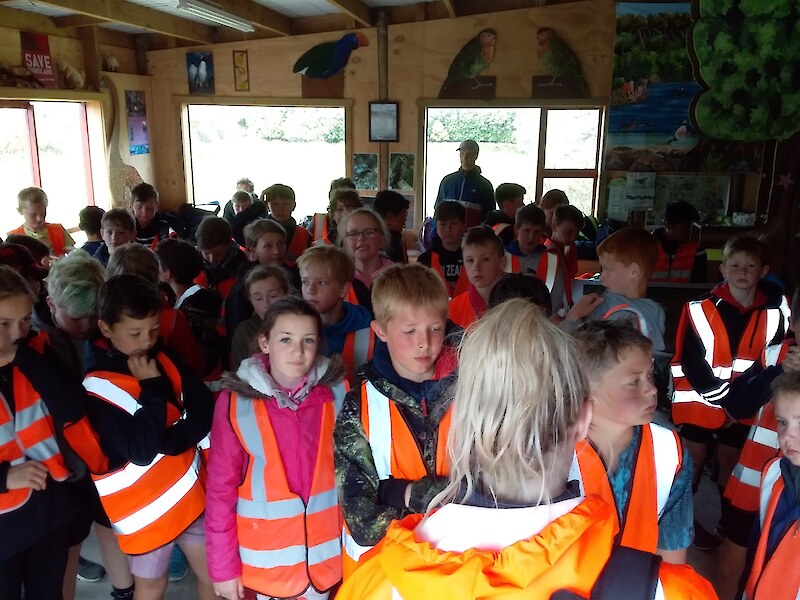
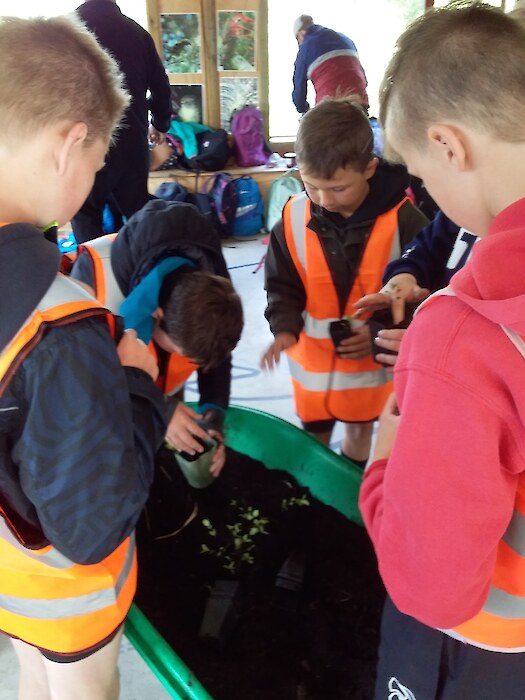
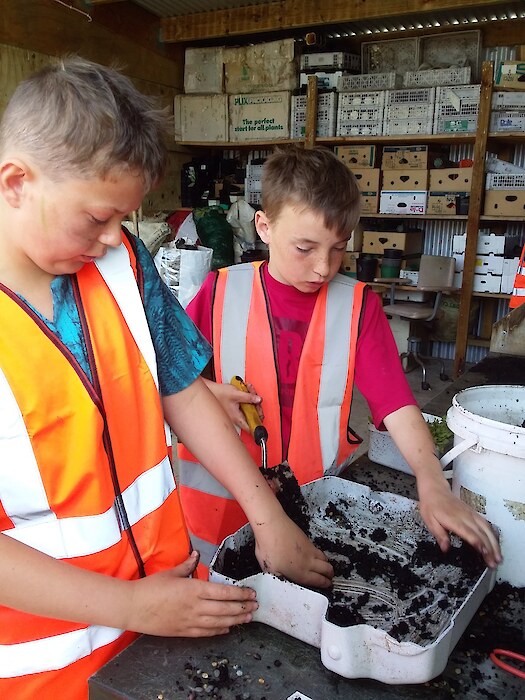
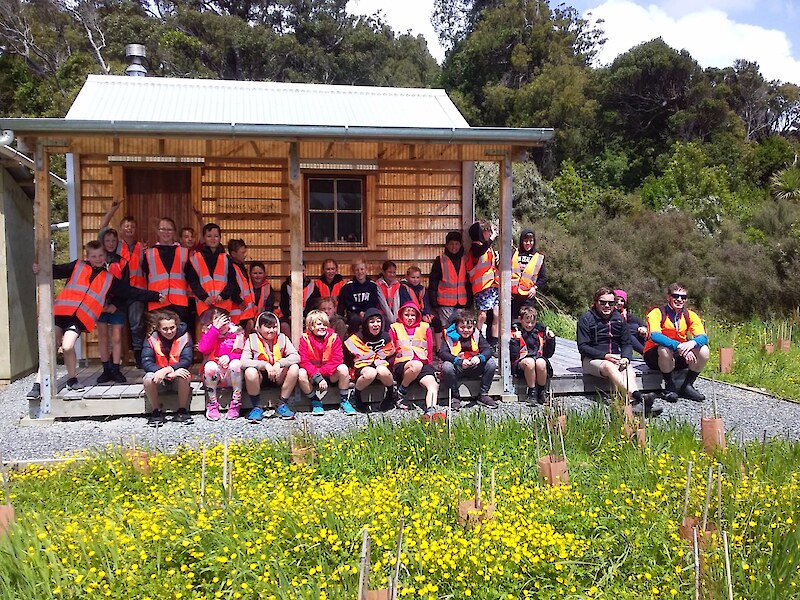
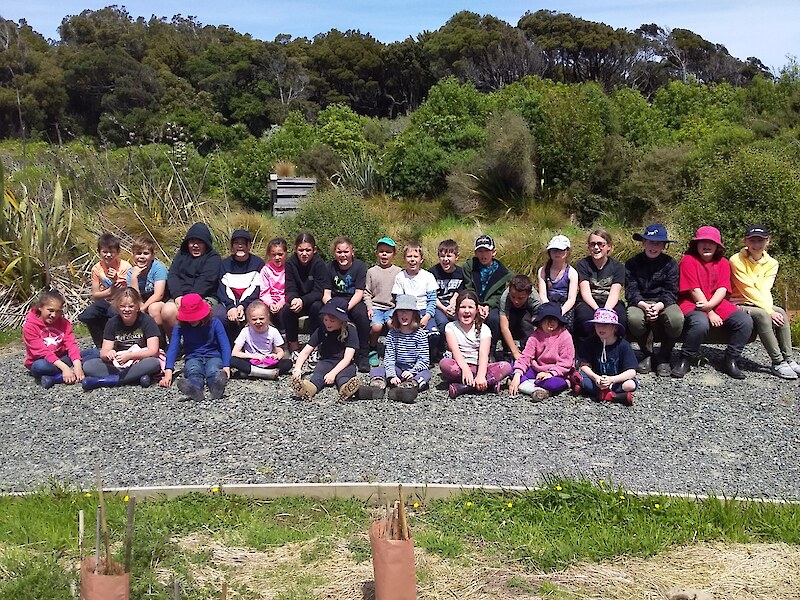
An 11 year old wrote to us from Salford School in Invercargill on behalf of their inquiry group. Their group was thinking of an idea of how to attract more native birds into their school and had come up with planting phormium tenax flax into the corner of their school to attract tuis. They had great questions about growing and planting flax. After answering their questions and highlighting our www section on planting to attract birds - see https://www.southlandcommunitynursery.org.nz/restoring-your-patch/planning-your-project/attracting-birds/ the small group visited us at the Southland Community Nursery to see first hand native plants and birds. The group learnt that flax is just one species that attracts birds - you can also plant fuchsia and kowhai for example. We started to learn about the links between plants and birds, what flax seed looks like, and the seasonal calendar of plants and what happens in nature. This group was inspired by their visit, and returned to school with a kowhai tree to plant alongside their flax.
We also have a “School Nature Challenge: Creating a School Garden Area - Map Your Place” activity - see https://www.southlandcommunitynursery.org.nz/education-centre/activities/school-activities/) that would help you plan an area to attract birds. You could do this at your school too!
Bronwyn
Posted: 8 December 2020
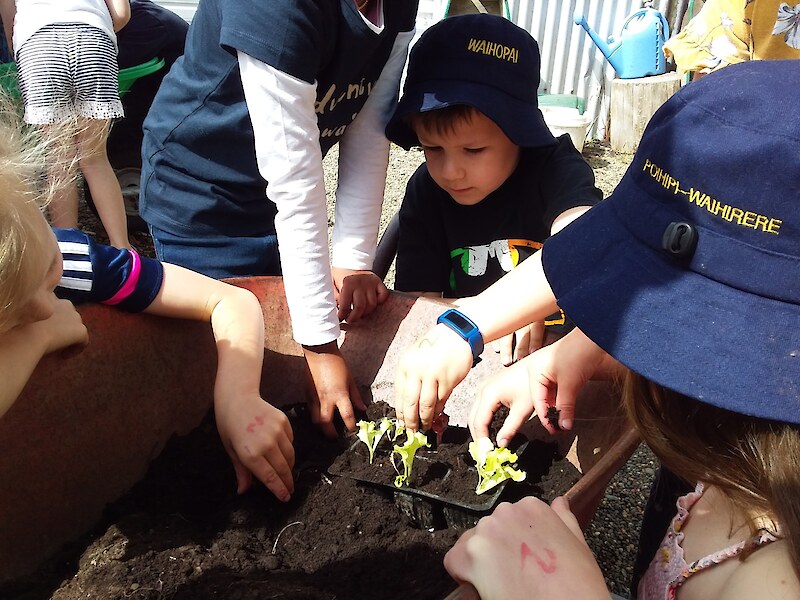
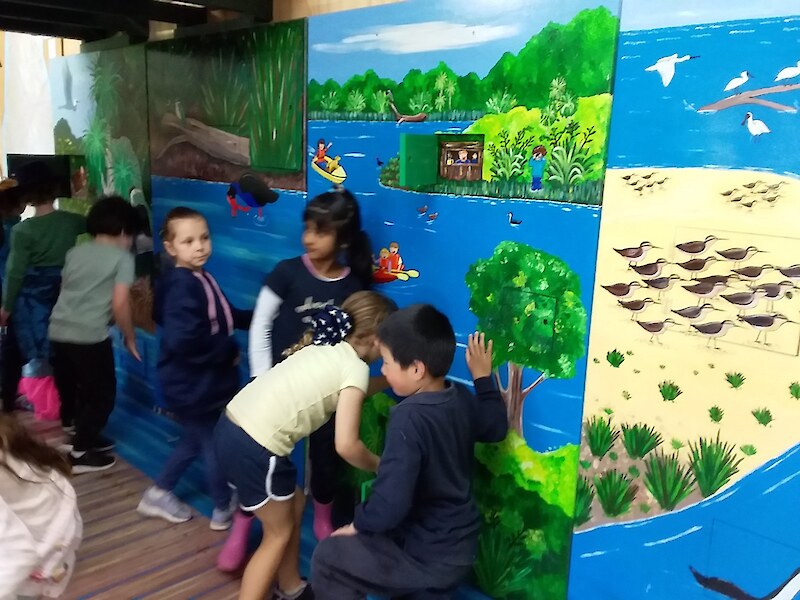
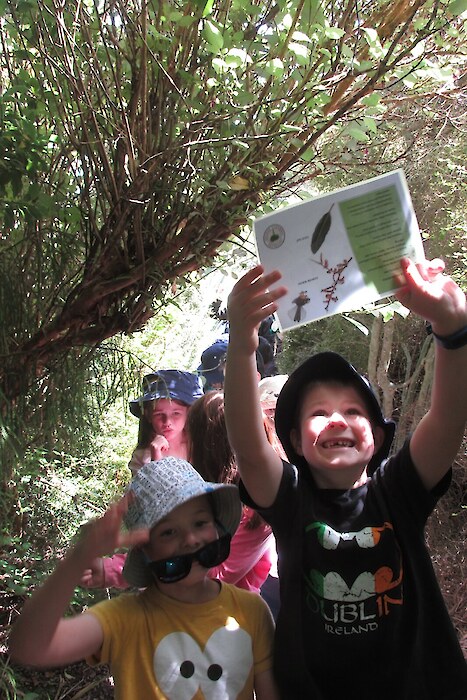
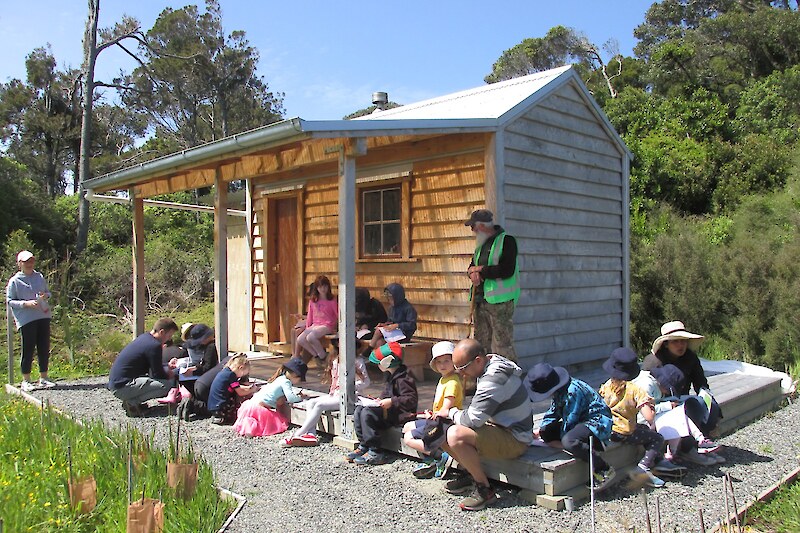
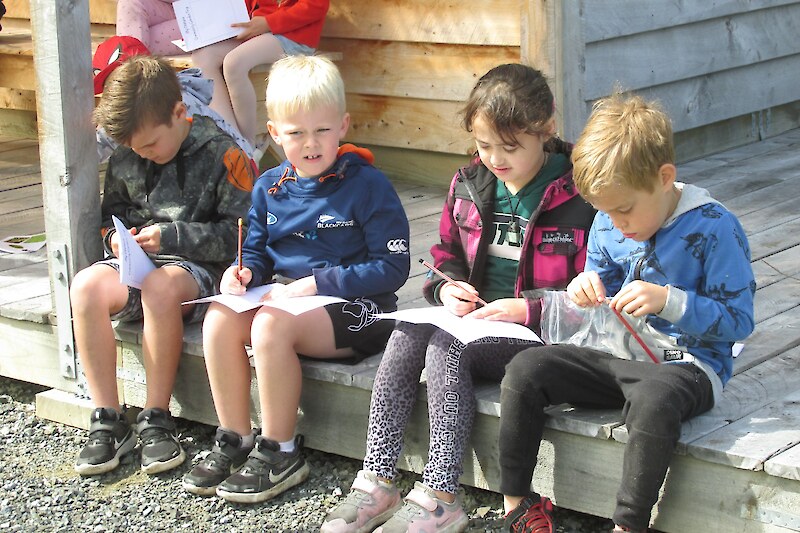
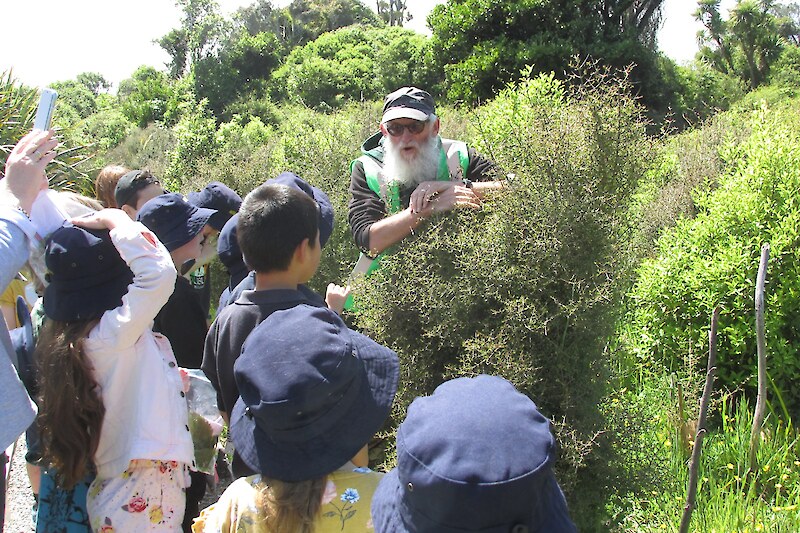
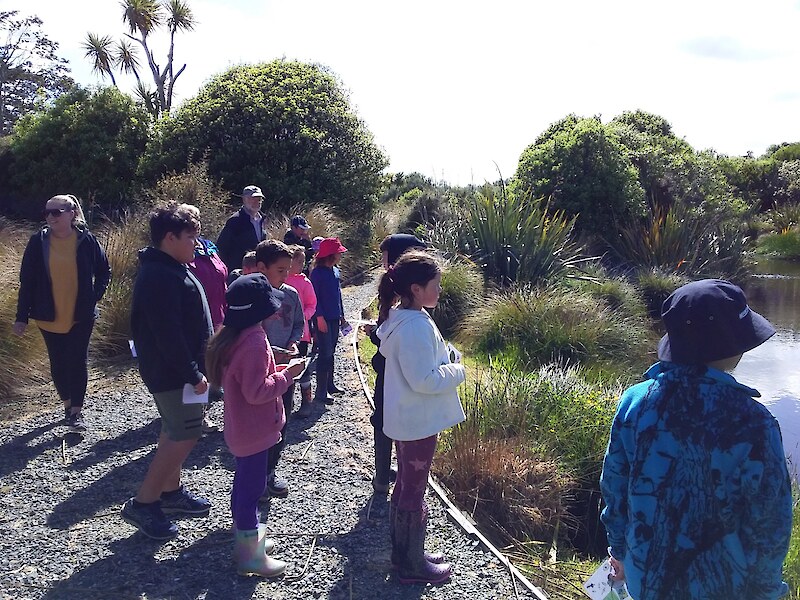
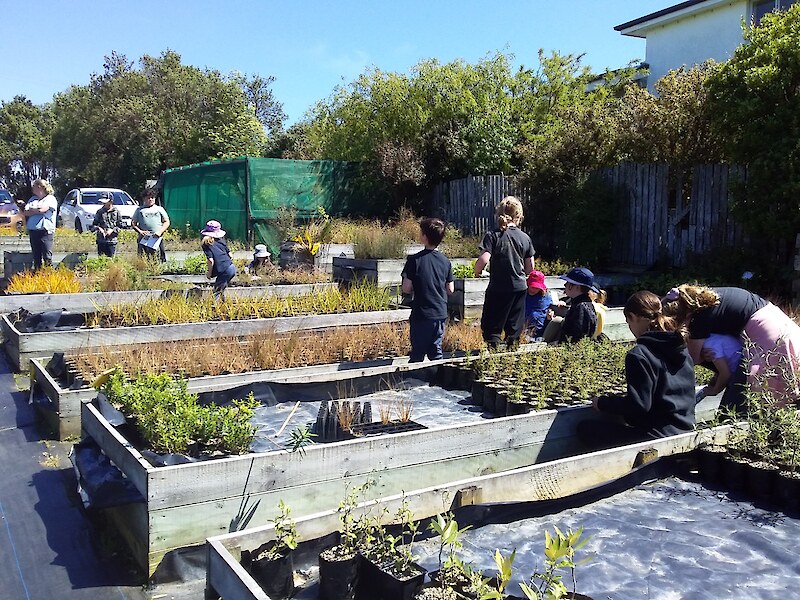
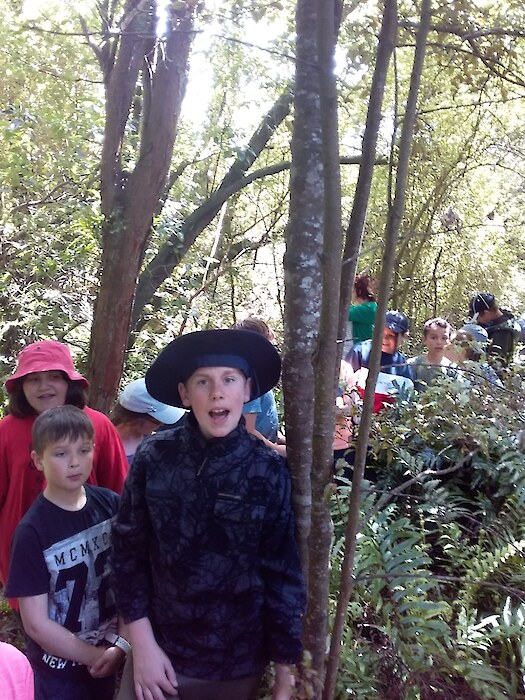
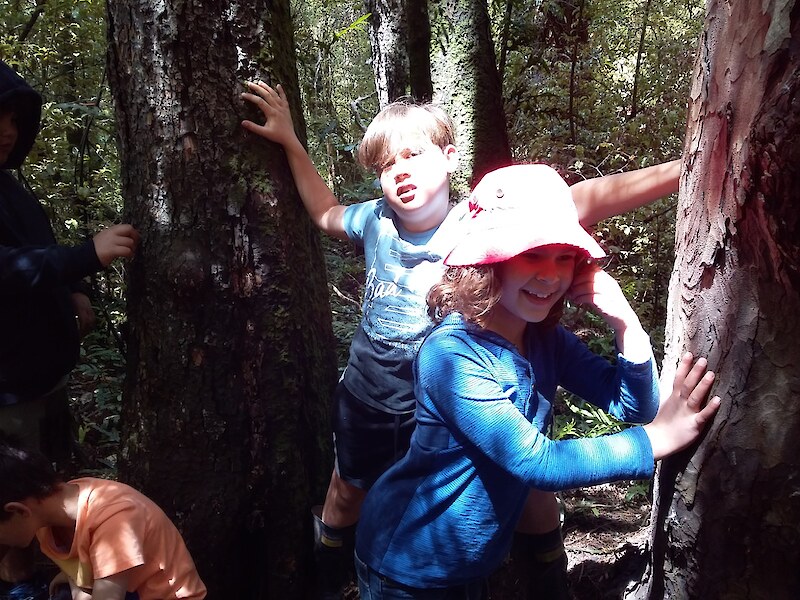
Plants that change their leaves, plants that grow flowers to attract pollinators and plants that smell nice were all experienced on a day long visit to the nursery. Plants that are edible, and our special NZ native plants were explored using our senses to learn all about how they grow. Different vege plants were spotted in the vegetable garden, lettuce seedlings were potted up and in the apple orchard the baby apples were spotted. We learnt about pollination by insects (such as bees, flies, moths and butterflies) and birds. Leaves were observed closely as the forest was discovered, and bugs from the pond were looked at. Meeting the pests, seeing what traps are around the property, and learning what damage pests can do in our forests and school back yards finished off an amazing day.
Bronwyn and Chris
Posted: 2 December 2020
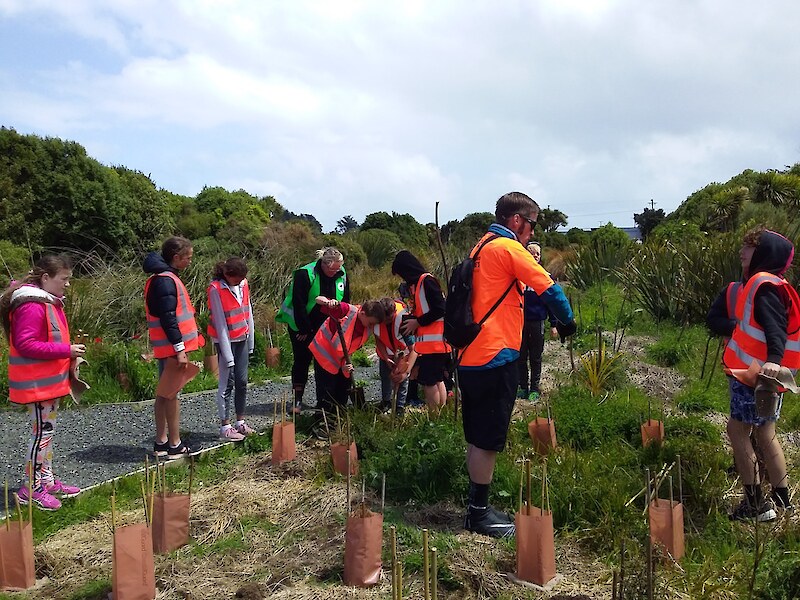
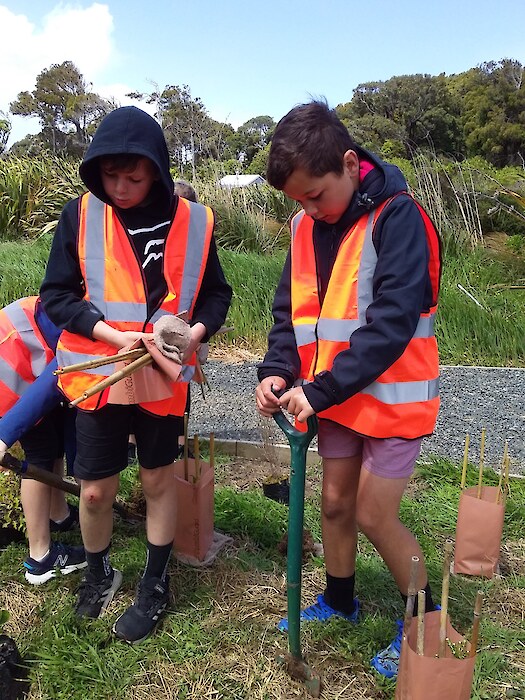
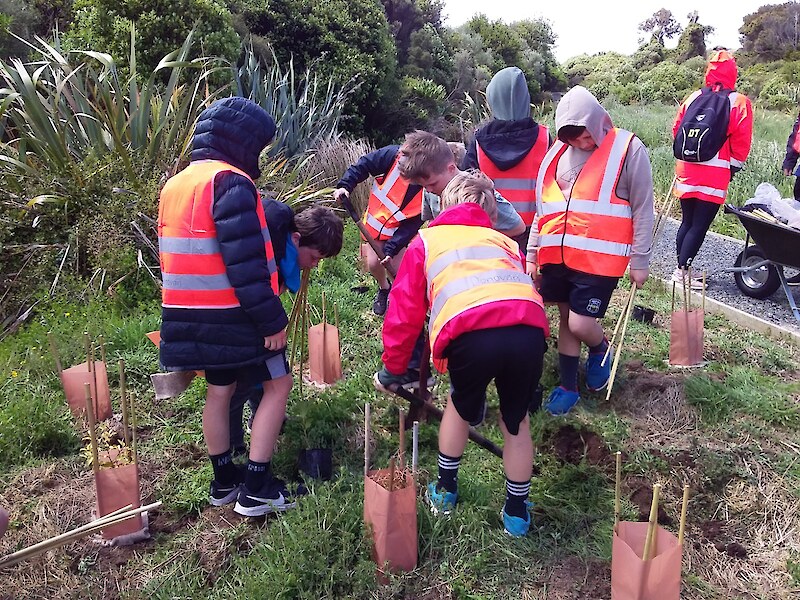
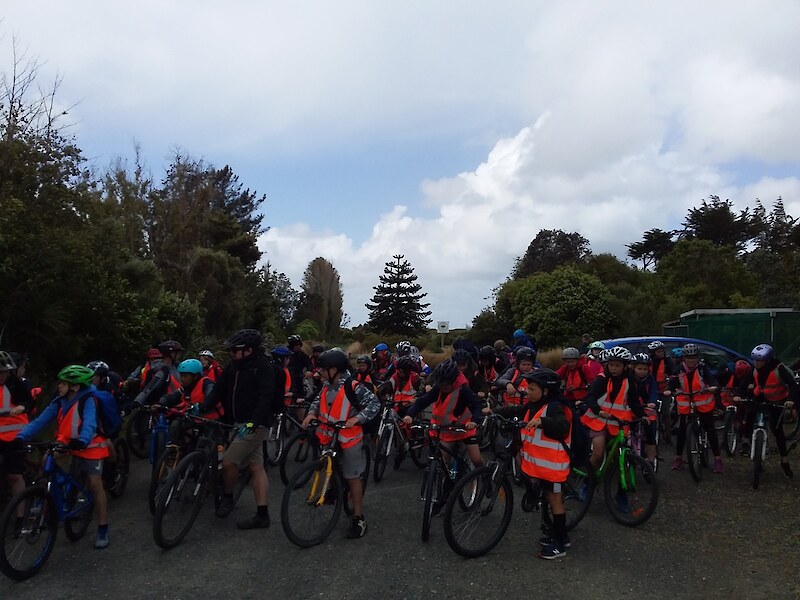
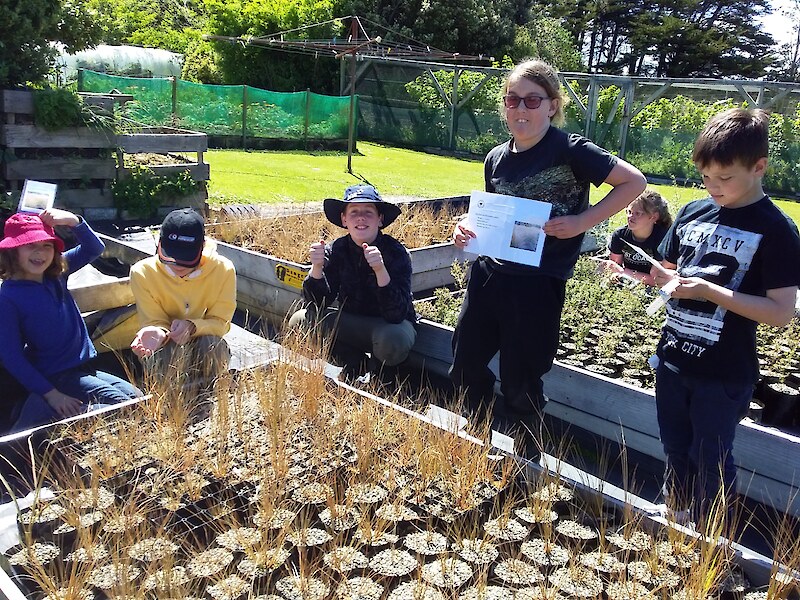
The weather hardy group biked to the community nursery meaning that our ‘car park’ was full of bikes on Friday from Donovan School. As part of their year5/6 camp they visited the Southland Community Nursery for some conservation action. Big thanks for your mahi potting up NZ native seedlings and planting out in the restoration area - the start of some new forest.
Bronwyn
Posted: 30 November 2020
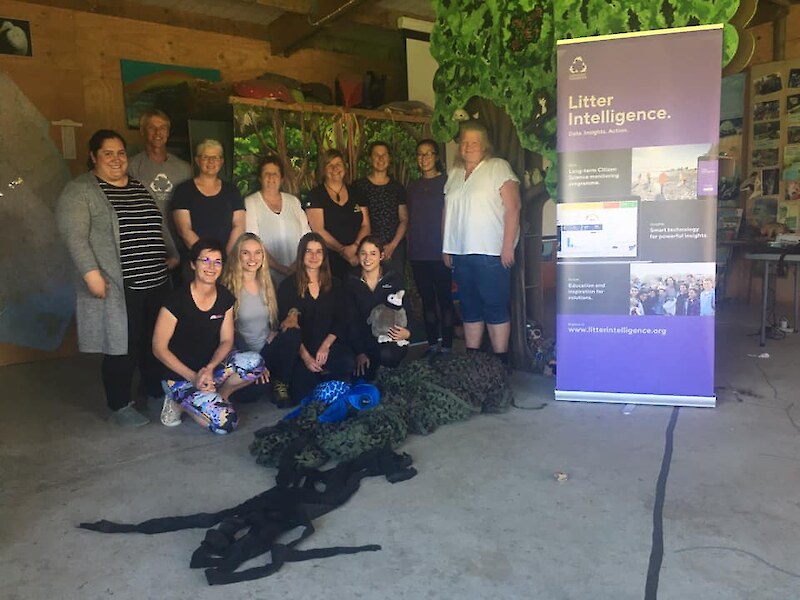
Sustainable Coastlines shared their litter intelligence education programme with an amazing group of teachers and educators on 17 November. Lots of fun was had recreating a turtle journey and thinking how to prime students ready for litter survey and audit.
We also had Funshine Early Learning Centre staff from Riversdale join us on 20 November for some PLD - getting inspired by the Southland Community Nursery and surrounds, getting ideas galore for what they want to do at their place. Good luck with your project and we look forward to hearing about how it goes.
As always it was great to host these groups.
Bronwyn
Posted: 25 November 2020
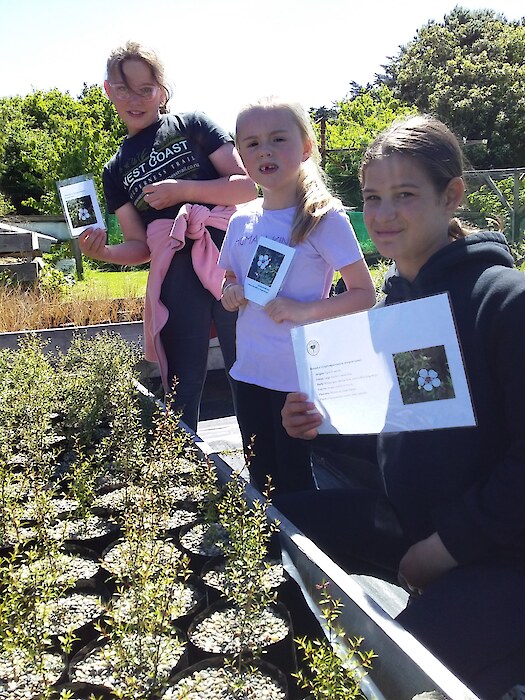
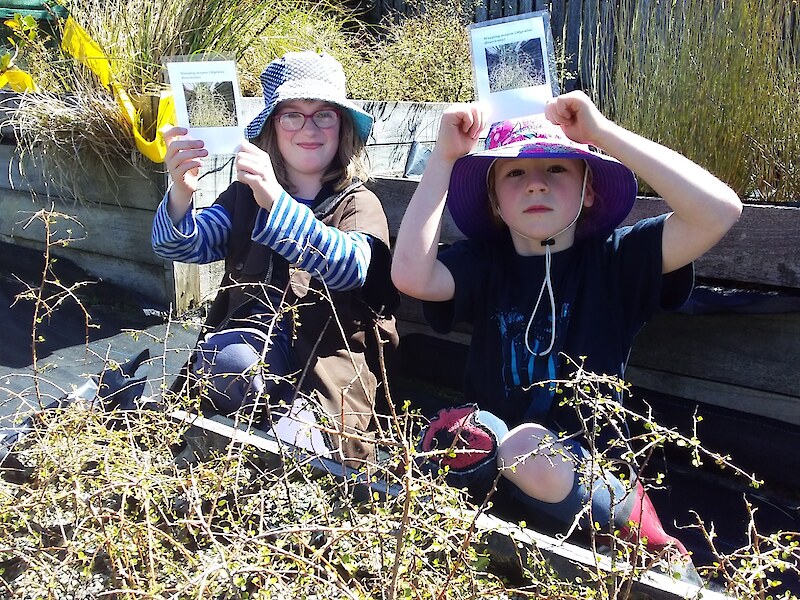
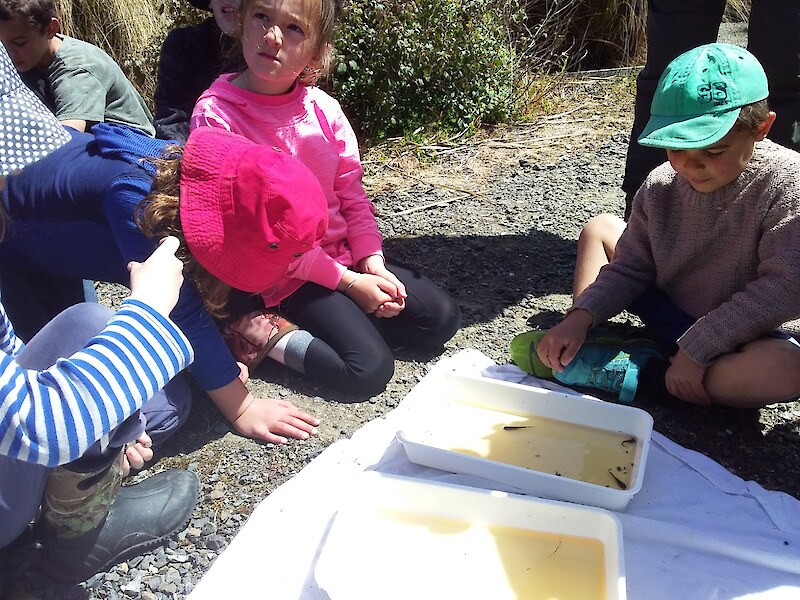
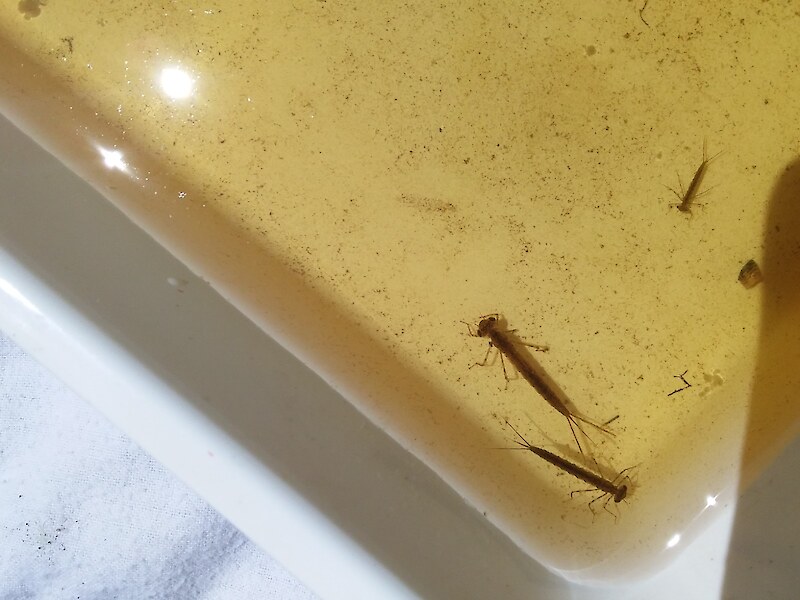
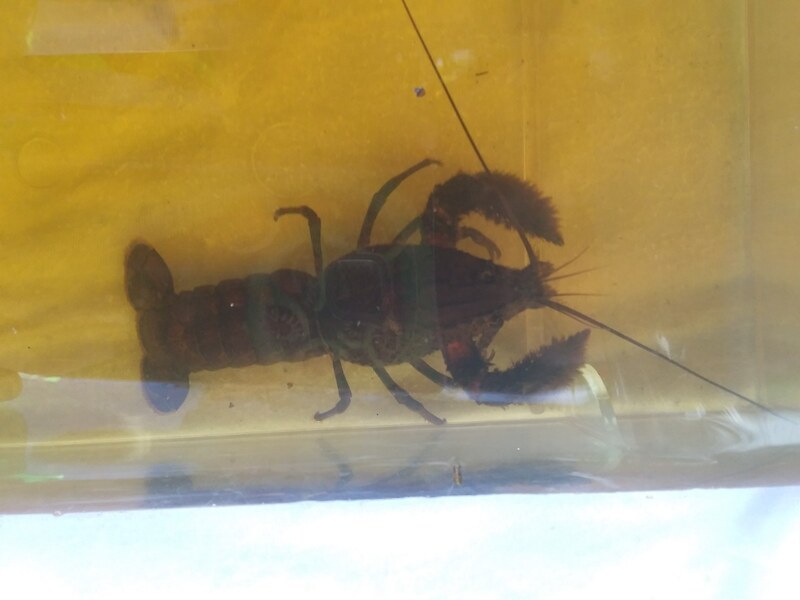
St Teresa’s School visited today to add to their growing knowledge of wetlands after a spring suddenly appeared on their school playing field! Playing leaf bingo the tamariki identified a number of the NZ native plants that have been used in the restoration of the forest and wetland at the nursery property. Hands on action included potting up mānuka and mingimingi seedlings – both plants that like wet habitats. Looking at the leaves we collected the class learnt that not all NZ natives like a wet habitat. With each student becoming a NZ native plant that does like water the school mapped out their place, planning out the planting of their school grounds. Plants were chosen according to height, and whether the groundsman would appreciate having to pick up leaves (tī kōuka was left out of their planting plan for this reason!). Then each student had to match the plant on their card to a real life growing plant in the nursery – and these wetland species were taken back to school ready to be planted according to the plan that was acted out! We look forward to visiting the school to see their progress. Pond nets were then emptied to look at what lives in the water habitat – with kōura, damselfly larva, tadpoles, water snails, and water boatman discovered and observed. The day long learning was finished with a walk through the remnant kahikatea swamp forest – where plenty of plants that like wet feet could be seen.
Try mapping your school grounds - use our “School Nature Challenge: Creating a School Garden Area - Map Your Place” found at https://www.southlandcommunitynursery.org.nz/education-centre/activities/school-activities/
Bronwyn and Chris
Posted: 25 November 2020