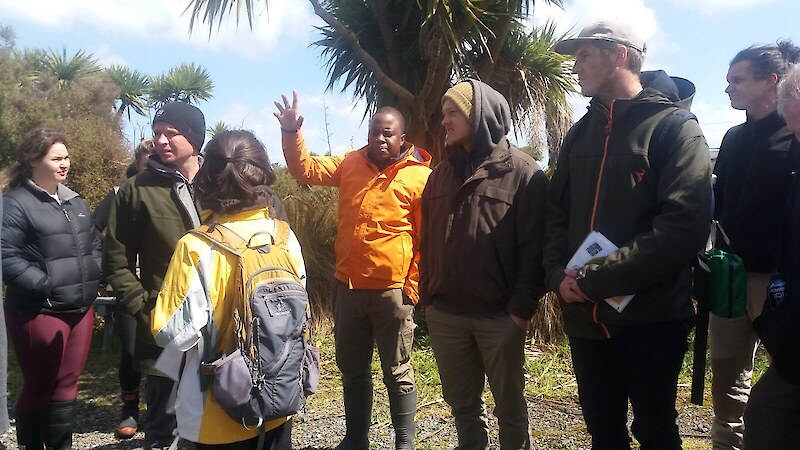
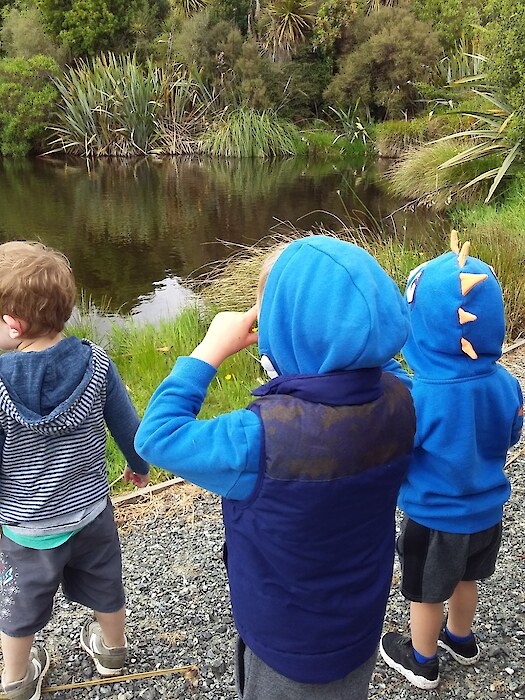
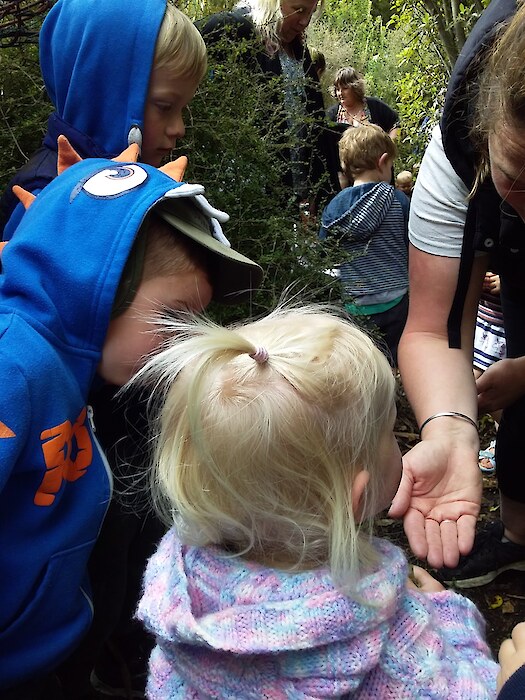
Facilitating the Pūtaiao Tamariki sessions, an engaging science discovery programme for Year 5/6 students which focused on hands-on, interactive outdoor- based learning was an absolute privilege to be involved with. This programme was delivered by Methodist Mission Southern with funding support from the Community Trust South.
Over 6 sessions the programme provided tamariki opportunities specifically designed to extend science know-how and confidence, whilst supporting and encouraging the growth of their life-skills. Travelling via minivan to different science environments within the community, and with whānau welcome to join the sessions it was great to have three schools Ascot Community, Donovan and Waverley Park involved with this programme.
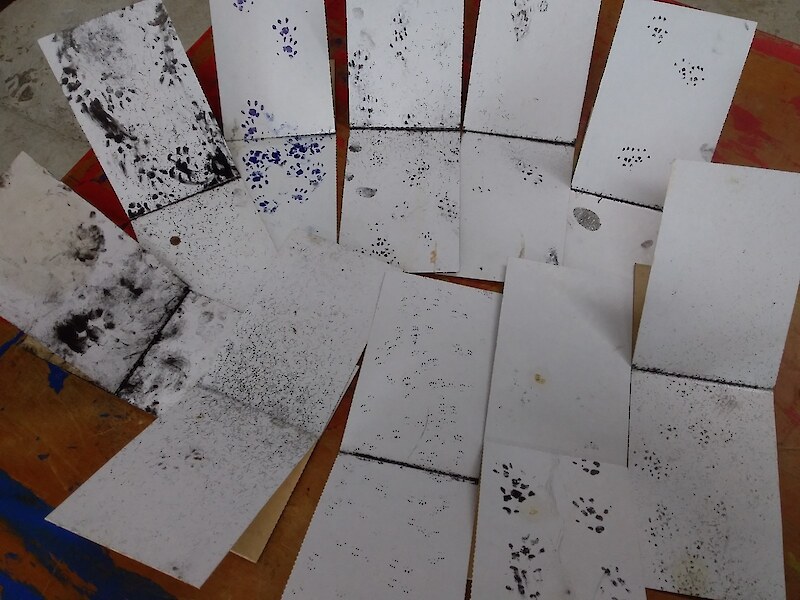
Science observation skills – sight, hearing, feel, taste and smell – transferred to the natural world heading out around the pond track using senses to notice and learn about the natural world around us. Making animal tracking tunnels to take back to school was fun and prompts lead to some predictions on what type of things may leave tracks on the paper in the tunnel. The Southland Community Nursery also lent well to learning about and exploring different habitats and getting an idea of what lives where. The role of kaitiaki and caring for the environment was explored throughout the sessions.
Other sessions included becoming freshwater scientists to measure the health of the water of the Otepuni and exploring the significance of rivers to early Māori and the way in which rivers sustained life, and viewing the world of Queens Park as a physicist exploring solids, liquids and gases, forces and energy.
It was great to share my passion helping tamariki to engage with science and the environment in fun ways.
Bronwyn
Posted: 20 November 2020
After seeing Bronwyn’s monumental efforts here during our holidays and thanking Linda and Ray for keeping the Nursery going, here are a few stories to catch up!
Maud Island
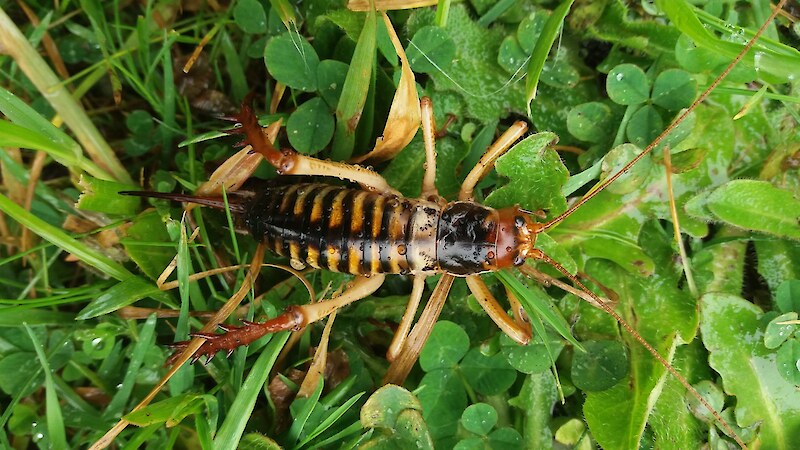
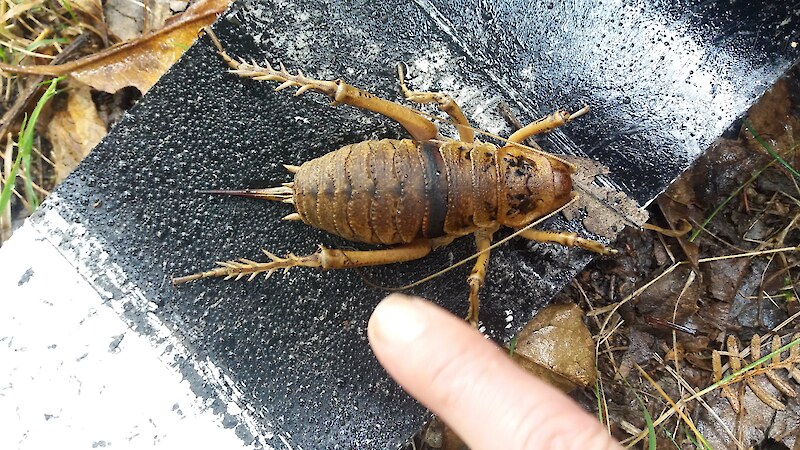
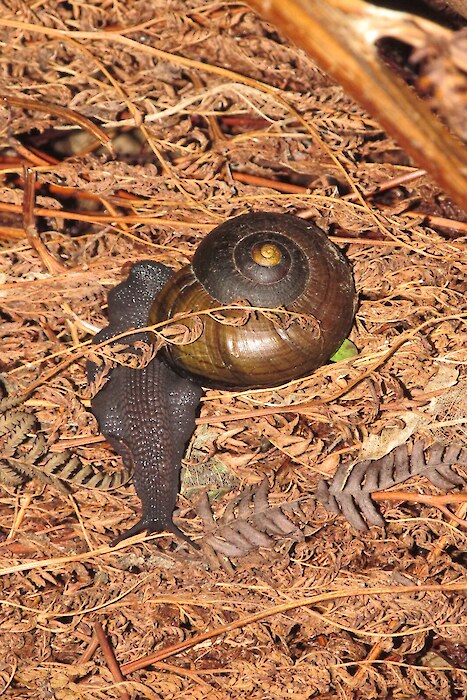
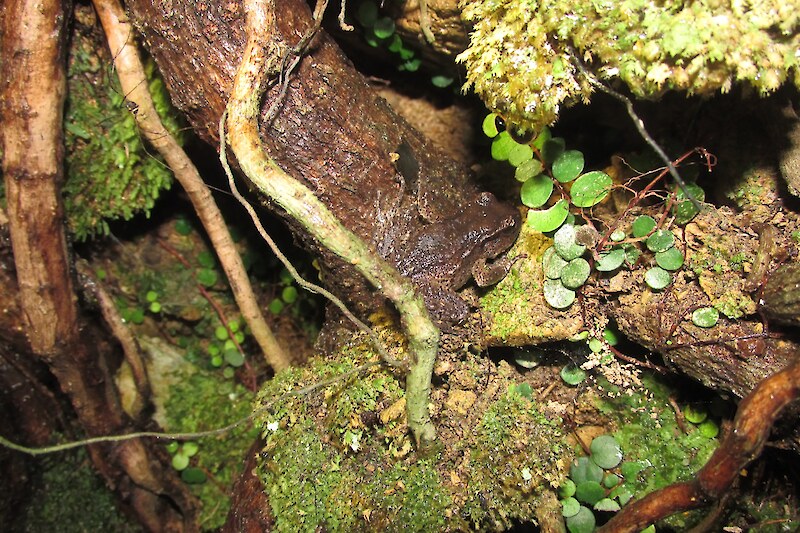
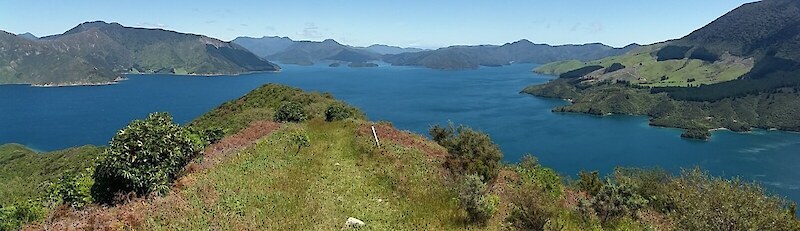
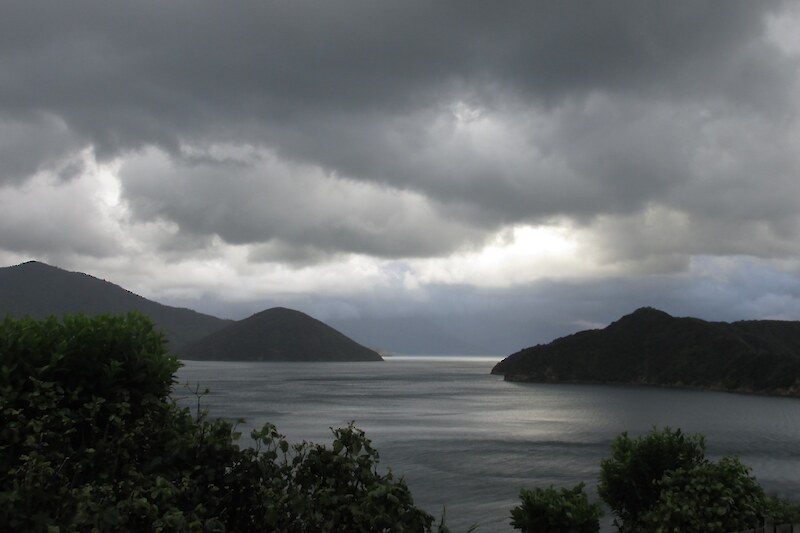
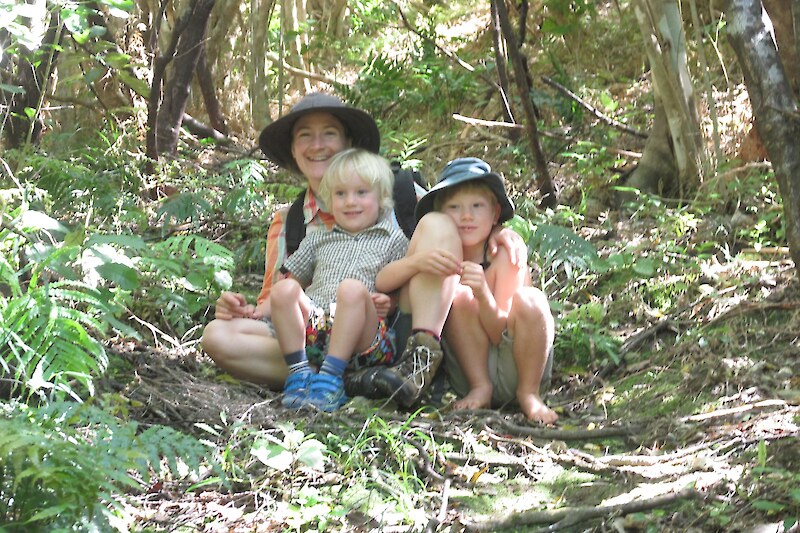
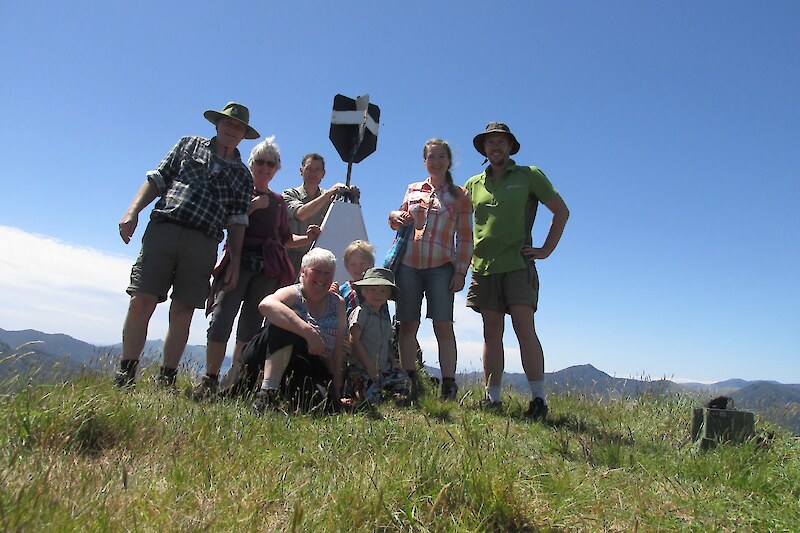
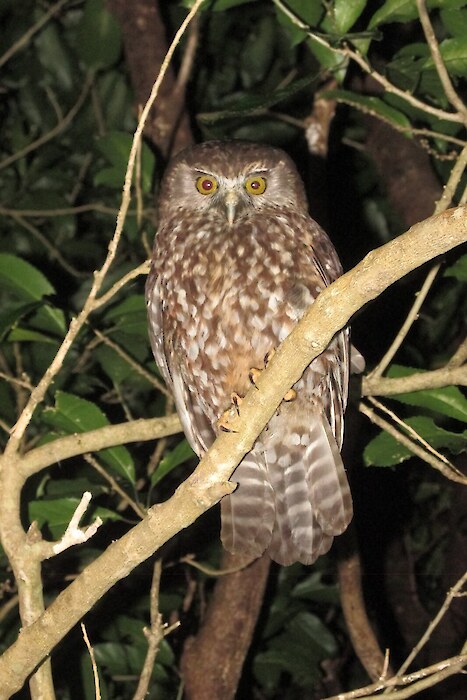
From 28 October to 2 November 2020 Chris and Brian, along with friends Maggie and Stephen Elford, were fortunate to visit Maud Island in the Marlborough Sounds. The visit was made possible by Anna and Em who are working as Rangers on the Island along with their young sons Fergus and Quin. The Island is predator free and after strict quarantine procedures we spent a good five days exploring the island, helping with traplines and tracking tunnels (to detect any incursions) and seeing the variety of rare and endangered creatures living there including the Maud Island frog, giant weta, cave weta, click beetle, flax weevil, fluttering shearwater, little blue penguins, gecko’s, morepork and other birds. It’s a spectacular place, steep but regenerating well after farming and what an amazing learning environment for the boys! Thanks Anna and Em Fergus and Quin.
Chris
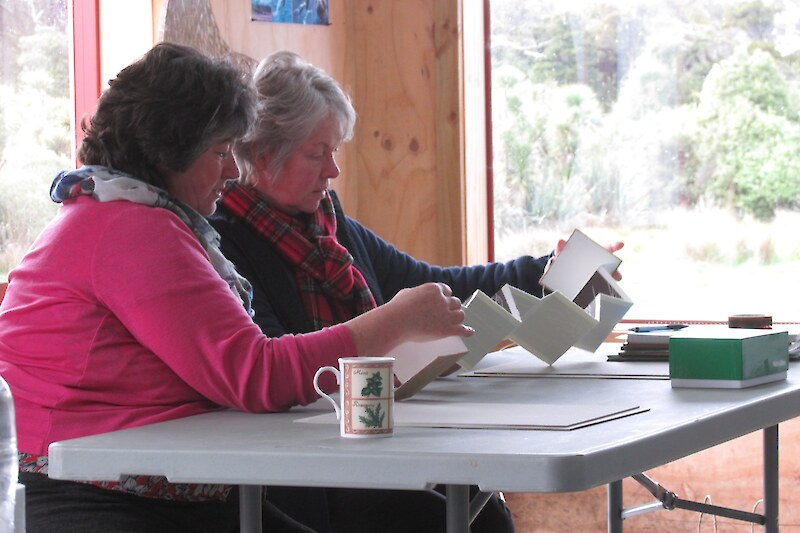
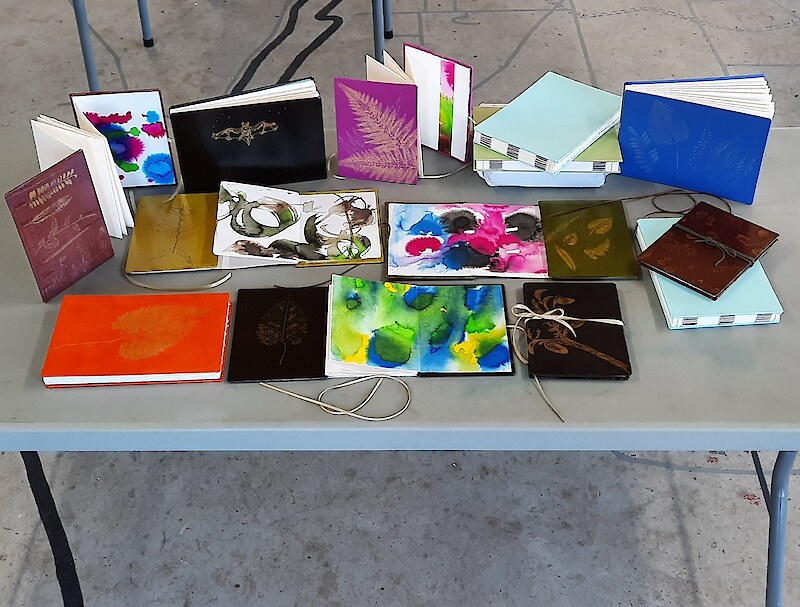
Bookbinding and Making Nature Journals – Art Workshop with Jo Ogier - 17 and 18 October 2020
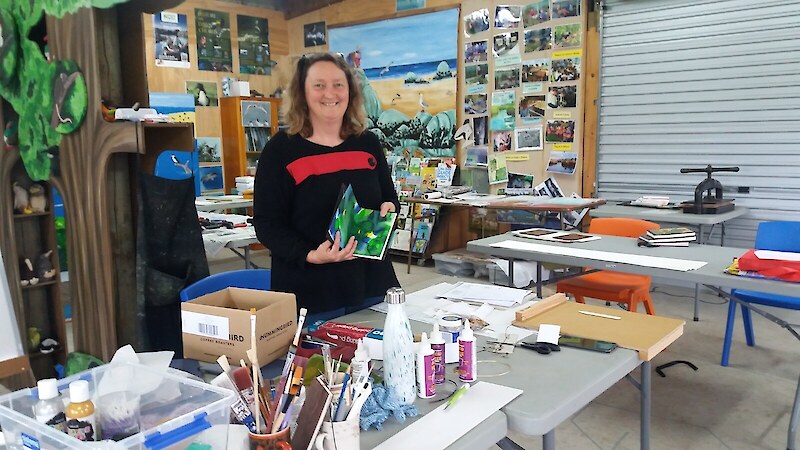
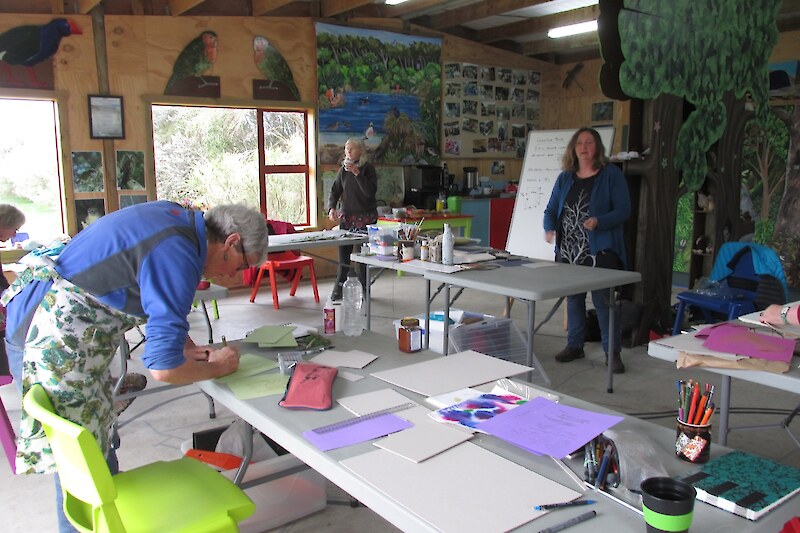
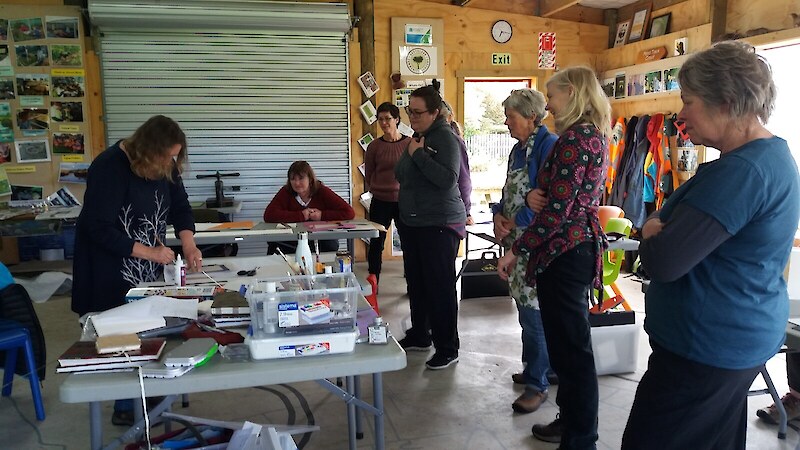
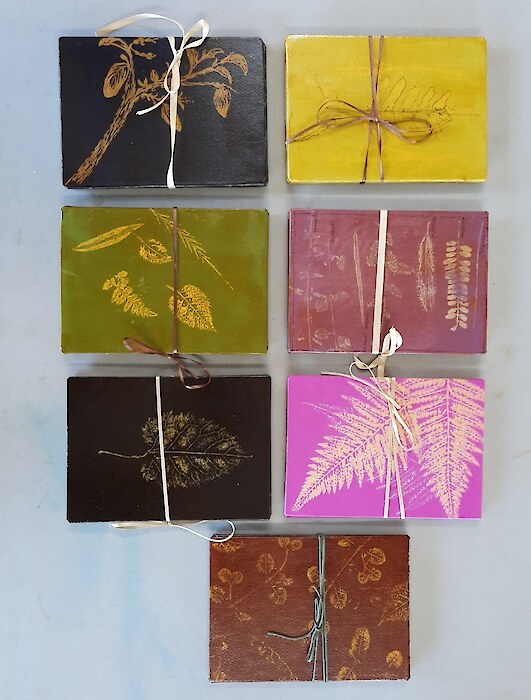
I came, I watched, I tried and tried some more! Jo brought samples of the beautiful Nature Journals she has created and filled with records of her travels. Filled with sketches that bring to life particular birds and places better than any bought keepsake, she inspired our group to begin our own personal notebooks. Printmaking, experimenting with inks, collage, ripping beautiful papers, textiles, cords and threads and generally getting to try out a variety of methods, tools and equipment meant everyone came up with a unique result – some possibly never to be repeated! But all surpassed our expectations.
Jo’s unfailing patience and humour whilst we asked questions, advice and for “HELP ME NOW PLEASE” for 2 full days, without ever looking harassed is a truly special gift.
I’m not sure what the weather was like except for not getting wet while we collected plant material to make our botanic prints – my concentration was kept fully occupied with the dramas happening under my nose.
The Education Centre delivered great light, comfortable working spaces, yummy shared food and inspiring company (not to mention a shining cuckoo that crashed into the window – and then flew off again). Thanks Chris and Jo for encouragement and opportunity.
Linda Jackson
Native Plant ID workshops
On 14 October 2020 SIT first year Environmental Management students visited the Nursery for practical part of Native Plant ID Course with Chris. Due to Covid restrictions Jesse had given two Plant ID sessions at the SIT Tay St Venue instead of at the Community Nursery. Chris then followed this up with a practical half-day session outside at the Nursery forest remnant, pond and restoration area. The students enthusiastically learned about local plant ID in a practical way as well as some principles of restoration and conservation.
Chris
Posted: 11 November 2020
It was the turn of Akotoa this week with the Year 5 and 6 classes showcasing their curiosity, thinking and growth mindset as we explored the pond and bush tracks and learnt heaps about our NZ native forest. We noticed heaps of interesting things and the students wondered and predicted what they might be, and what role they had in the forest. We noticed and discussed bait stations, traps, chew markers, why we manage pest species, different tree species, native birds and insects. And of course we met the Myross Bush School Ako tree - the kahikatea - making connections with tiny seedlings right through to 400-500 year old giants in the forest canopy, and learning the way in which a kahikatea grove can grow following the ways of nature. These classes now see what is possible - turning a paddock into a legendry forest.
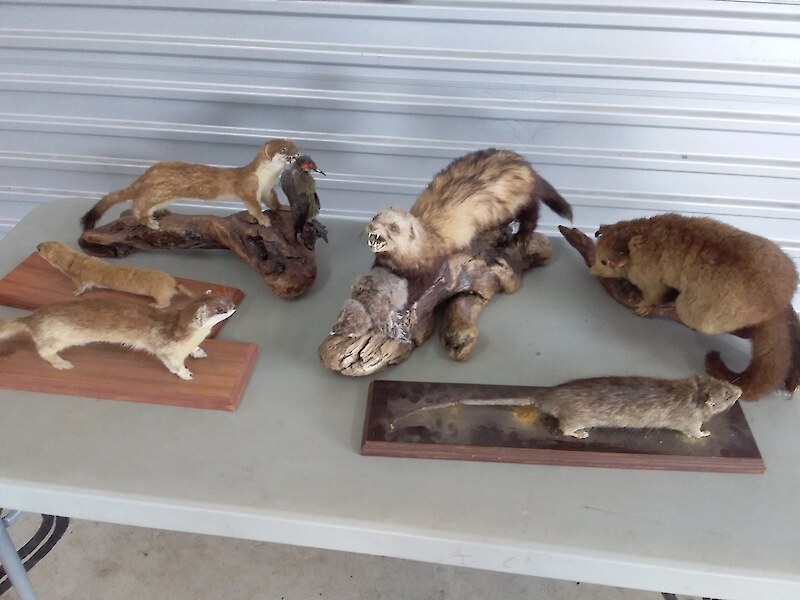
Myross Bush School tamariki had fun learning about the animal pests, how they impact on the NZ native forest life, what their adaptations and footprints are like and how we can manage. Check out all about pest species “Who am I? - animal pests” at https://www.southlandcommunitynursery.org.nz/education-centre/activities/school-activities/.
Bronwyn
Posted: 10 November 2020
The carers and tamariki spent the morning looking, feeling, smelling, listening and even tasting as we walked through the edible garden and around the pond track. We smelt the yellow buttercup flowers, fennel, bayleaves and lots of other plants and forest smells. We saw a big kererū, tui, a duck, lots of plants and some leaves. We tasted the miners lettuce. Back in the education centre we explored the tunnel, and listened to some music and a story or two. A great sensory experience connecting with nature.
Bronwyn
Posted: 5 November 2020
Over 2 visits the Rawe syndicate of Myross Bush School spent time learning about and spotting the Myross Bush school Ako – the kahikatea tree. Around the pond track the tamariki were using their keenest observation skills to spot the NZ native trees that make up the forest at the Southland Community Nursery, who we called the friends of the kahikatea as they provide the shelter for these taonga to grow from seedlings to tall canopy trees. We spent time in the remnant kahikatea swamp forest with the mighty 400-500 year old kahikatea, looking up into the canopy of the forest, singing “E tu kahikatea” and then staying silent listening to who would sing back to us. There were tui and bellbirds, starting the learning about the whole of the forest ecosystem and who lives there. All seemed to have fun squishing through the mud of the swamp forest, noticing and finding bugs, and spending time in the education centre discovering who and what lives in what habitat and looking close up at kahikatea seeds. We learnt about why we manage pests in our forest, to protect the many manu (birds), insects and plants from damage, and finished off by singing the song “Oh no, Mr Possum”.
Posted: 3 November 2020