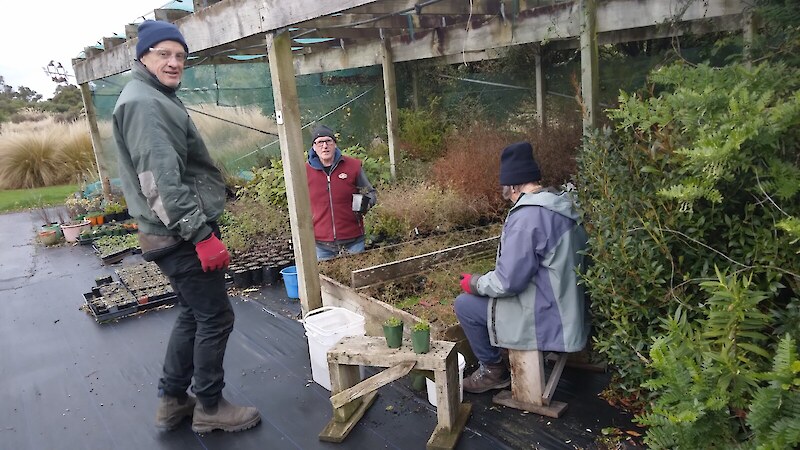
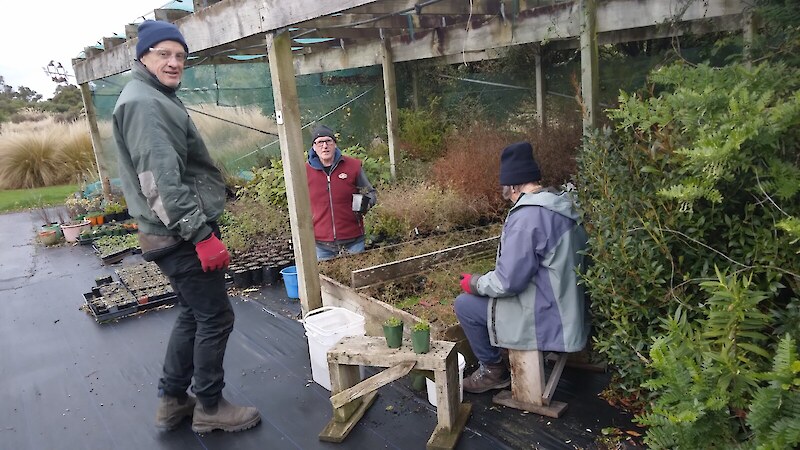
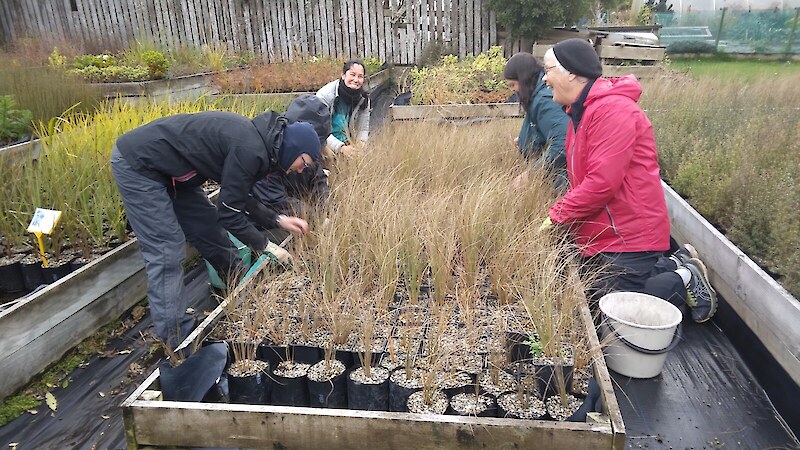
The Community Nursery will be closed to volunteers on Friday 28th June but will be open on 5th and 12th July. We will then close for winter, re-opening on 6th September 24.
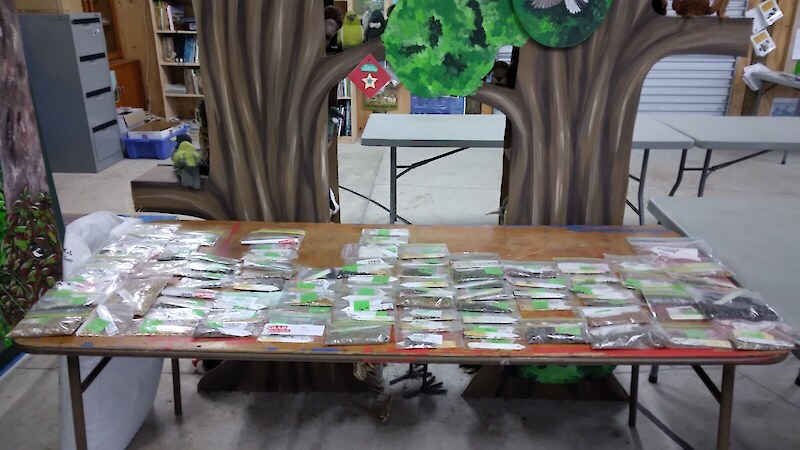
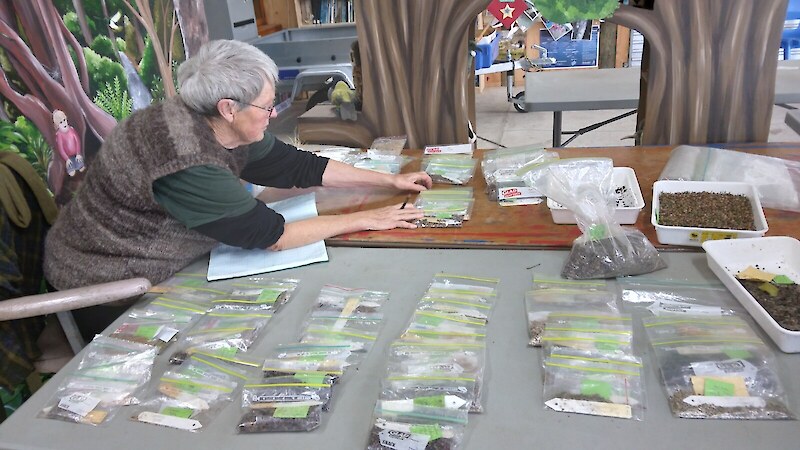
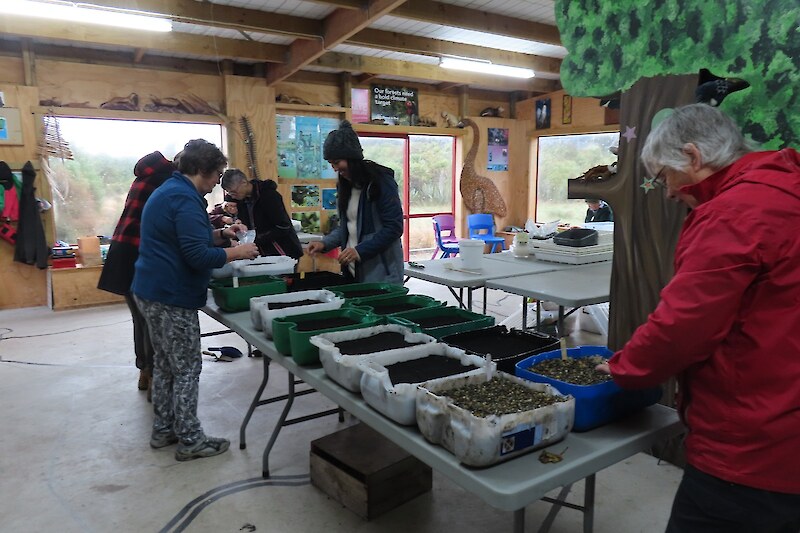
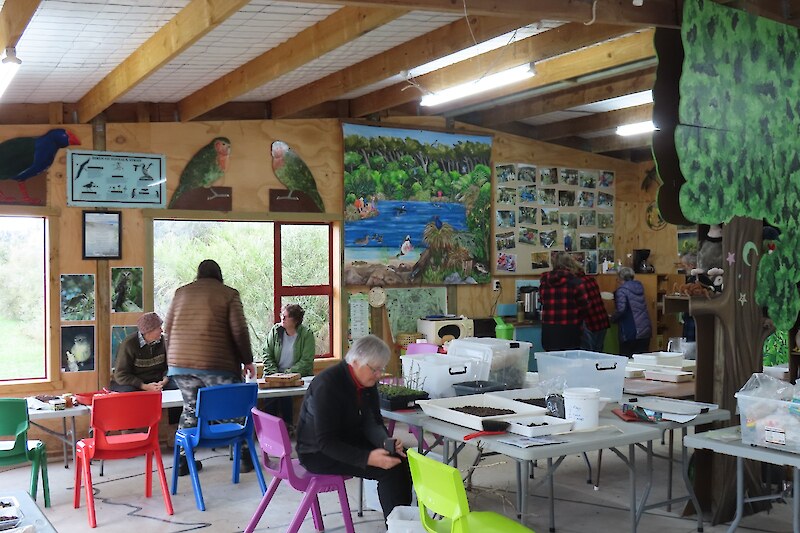
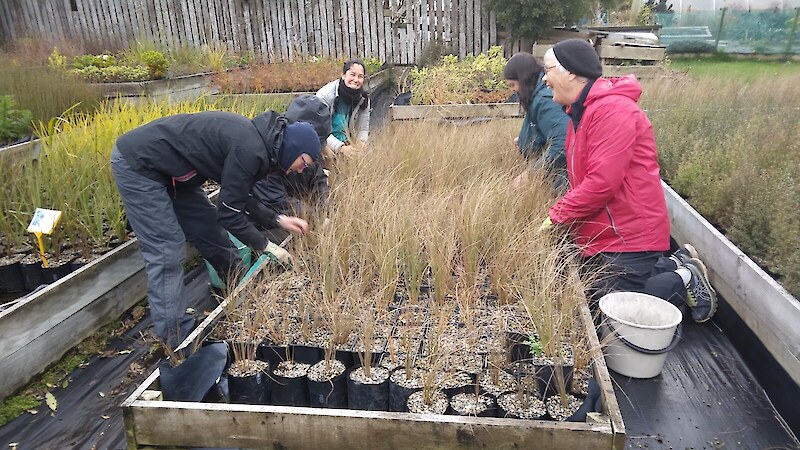
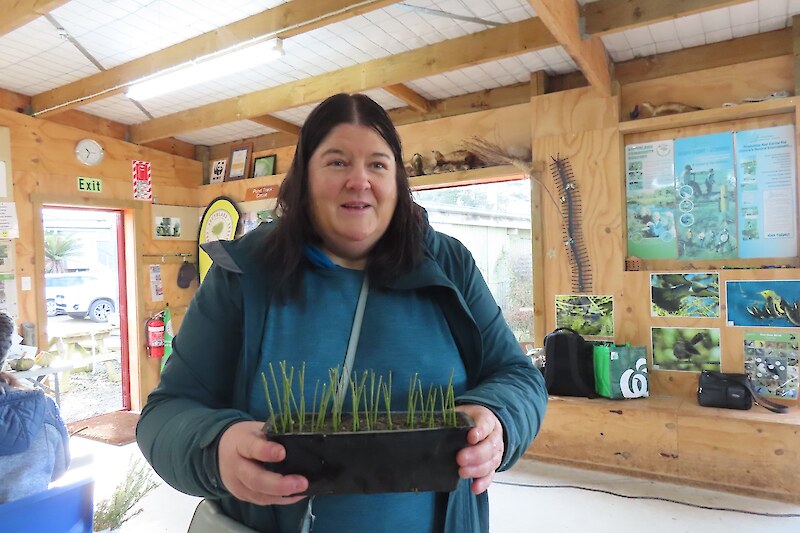
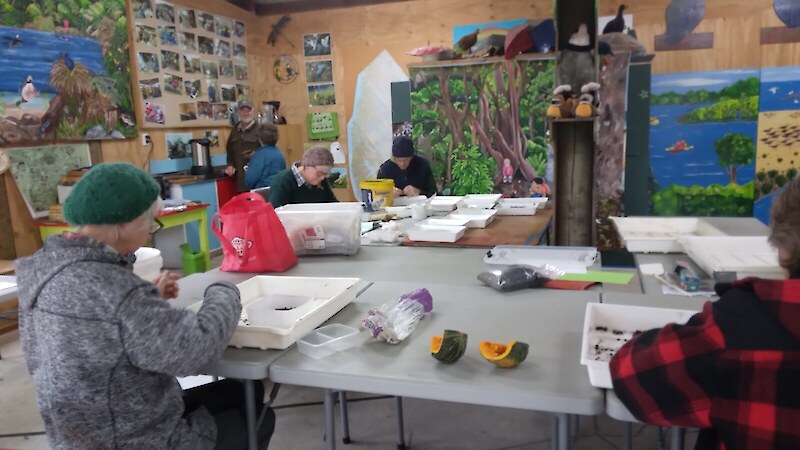
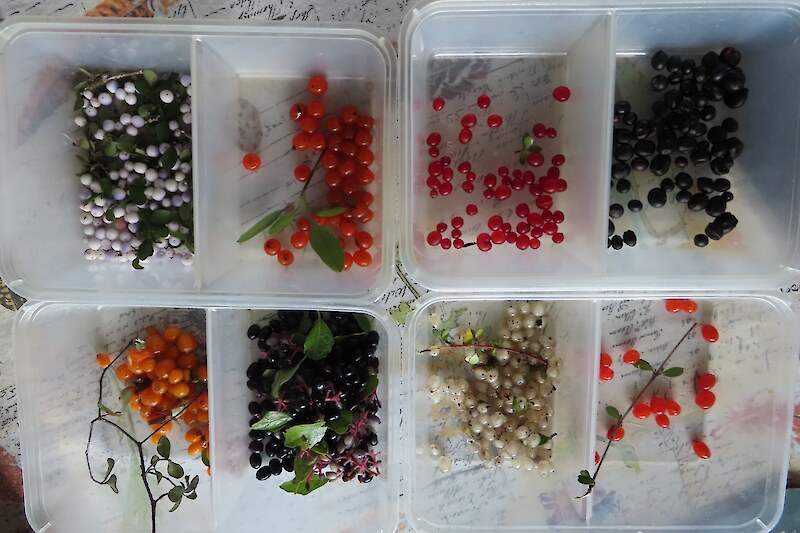
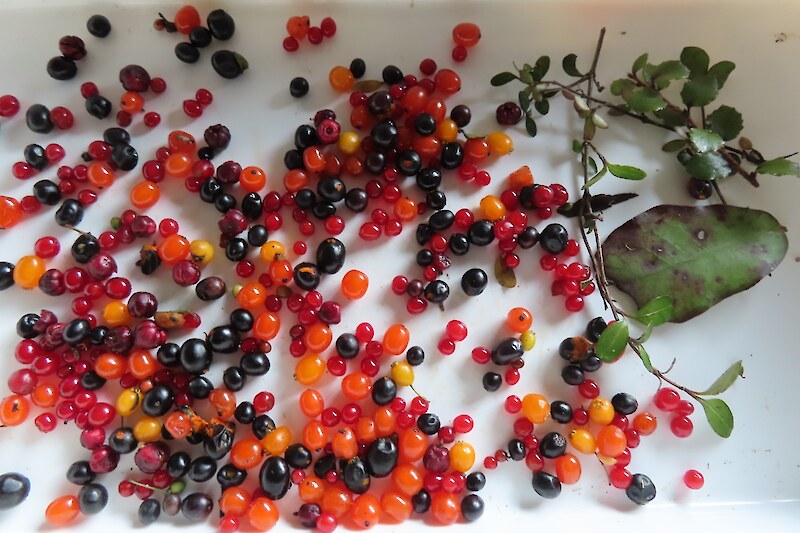
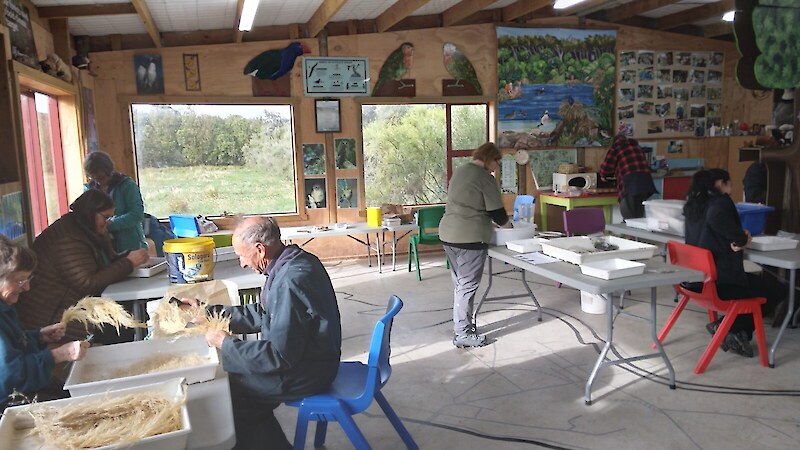
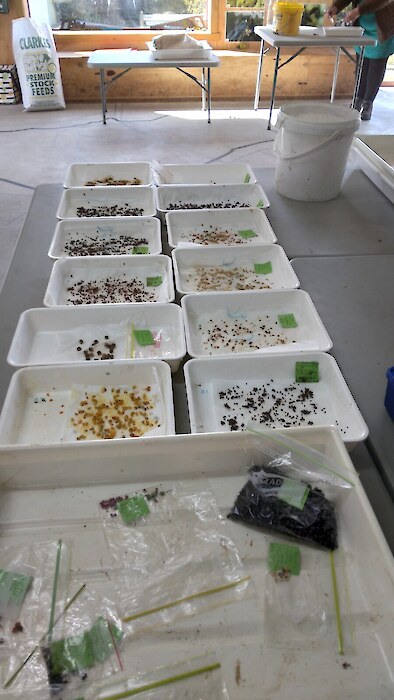
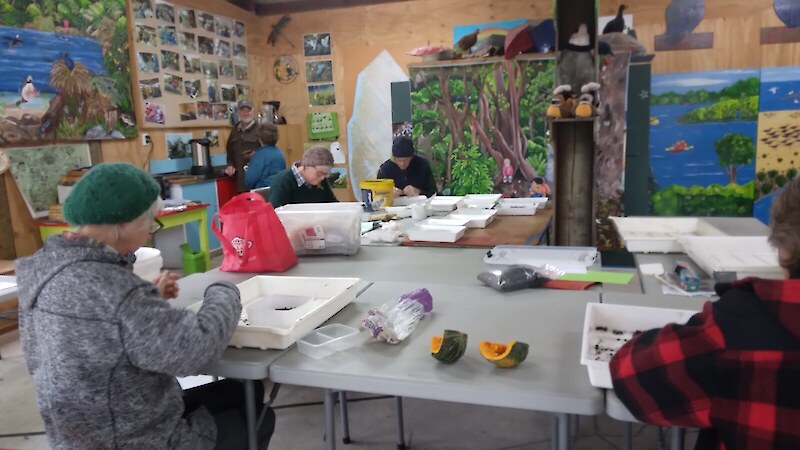
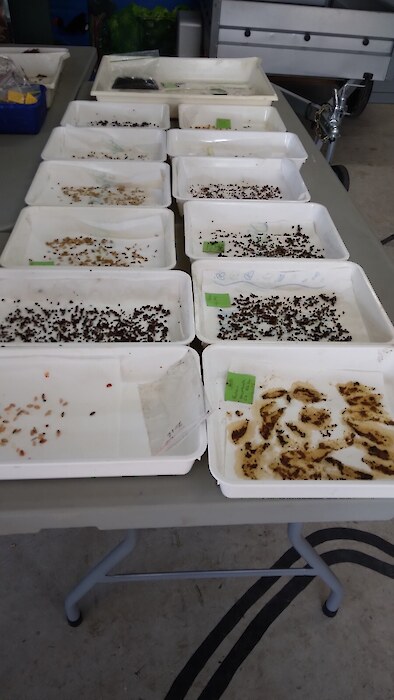
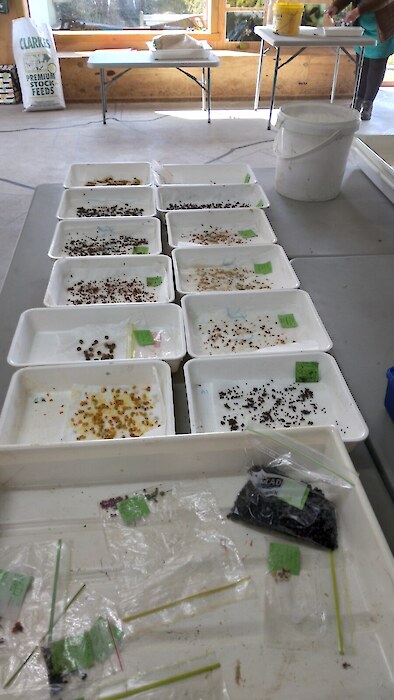
Over the last month we have been busy with the usual Nursery activities as well as the major job of finishing off collecting and cleaning seeds and then sowing them all over the last two Fridays. Over 100 different lots of seeds have been sown into large and small seed trays and they will stand over winter in their outside frames. To see the seed process go to https://www.southlandcommunitynursery.org.nz/restoring-your-patch/get-growing/seeds/.
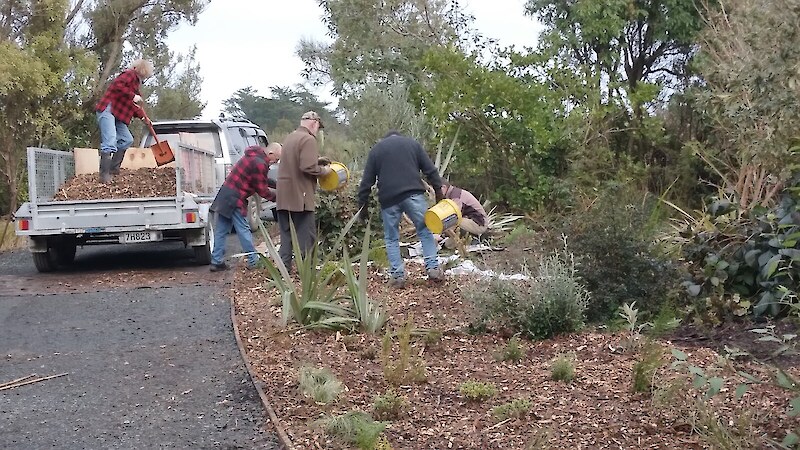
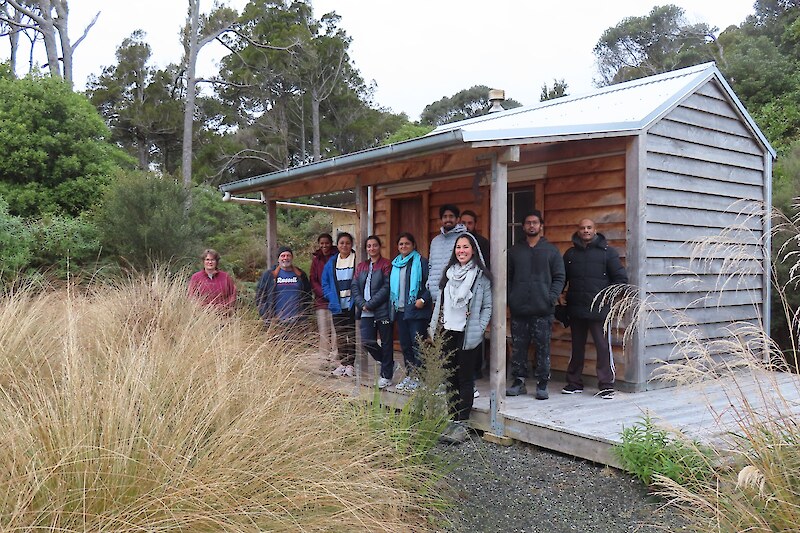
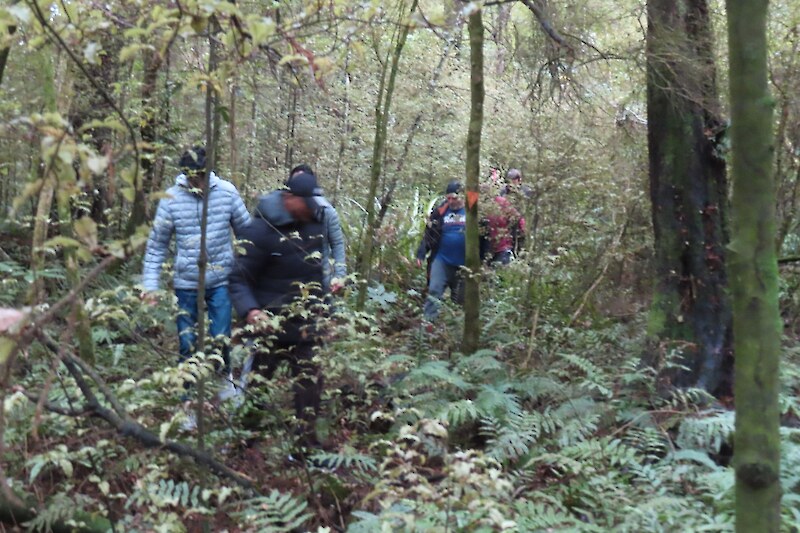
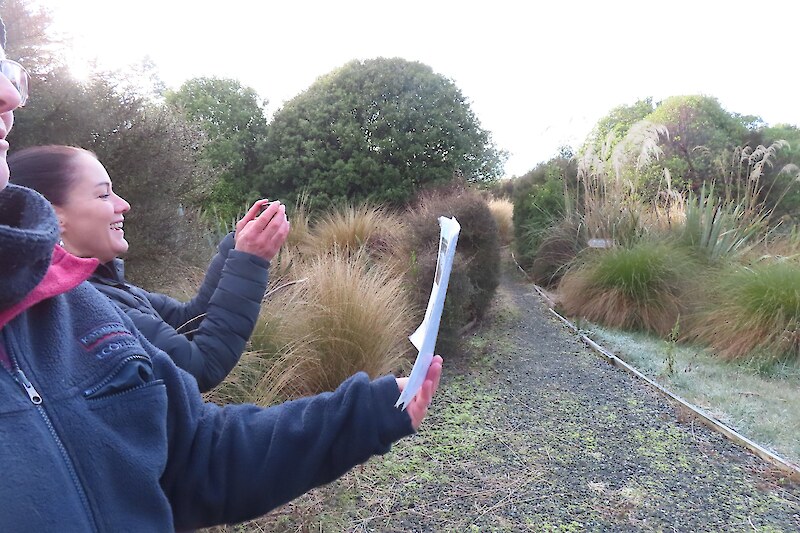
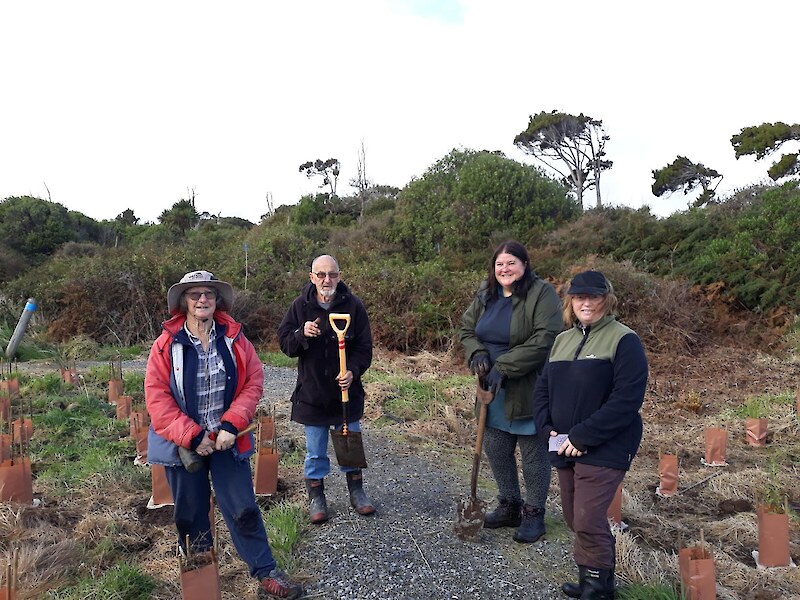
Recently plants went out to the Oreti Dune Forest planting by Southland Tramping Club and we have also hosted a few groups during June – a SIT Health and Wellness Group, Greening Taupo, and last weekend a big DOC Southland reunion group.
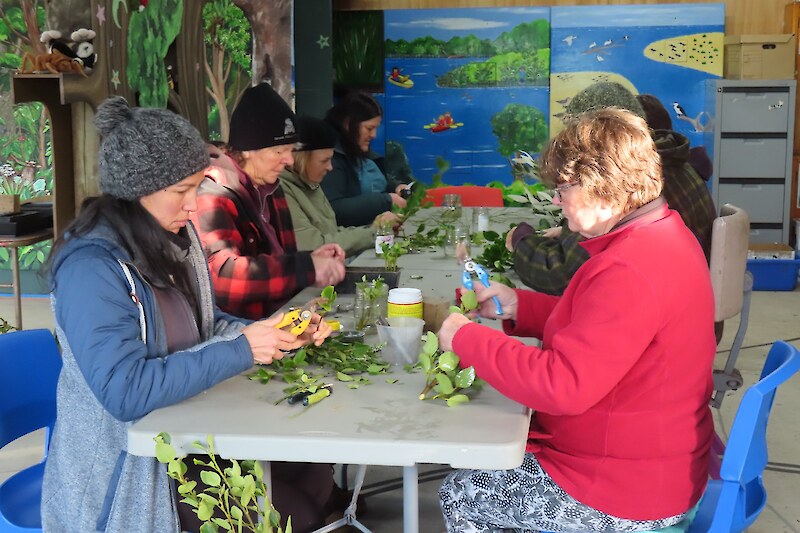
Last Friday we started Cuttings workshops and will continue that into July – there is nothing like doing cuttings to learn the technique but refer to the website link if you are unable to attend Friday mornings - https://www.southlandcommunitynursery.org.nz/restoring-your-patch/get-growing/cuttings/
See you on Friday 5th July and enjoy Matariki
Nga mihi
Chris
Posted: 25 June 2024
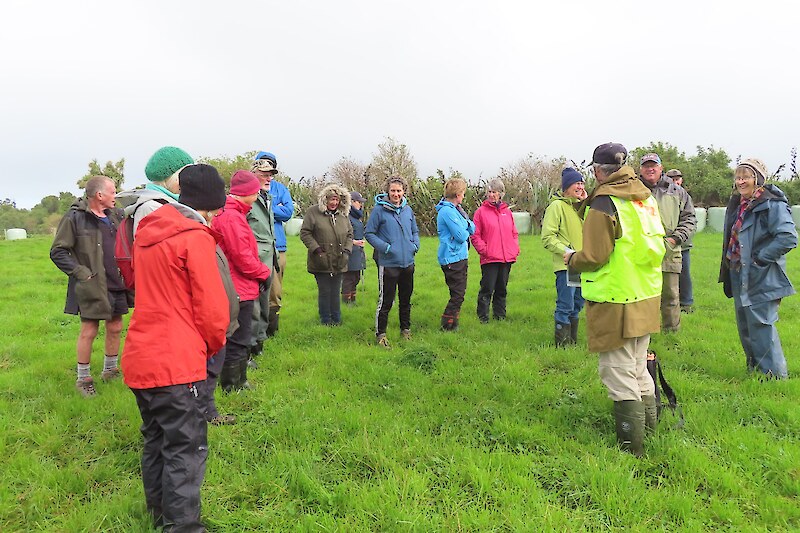
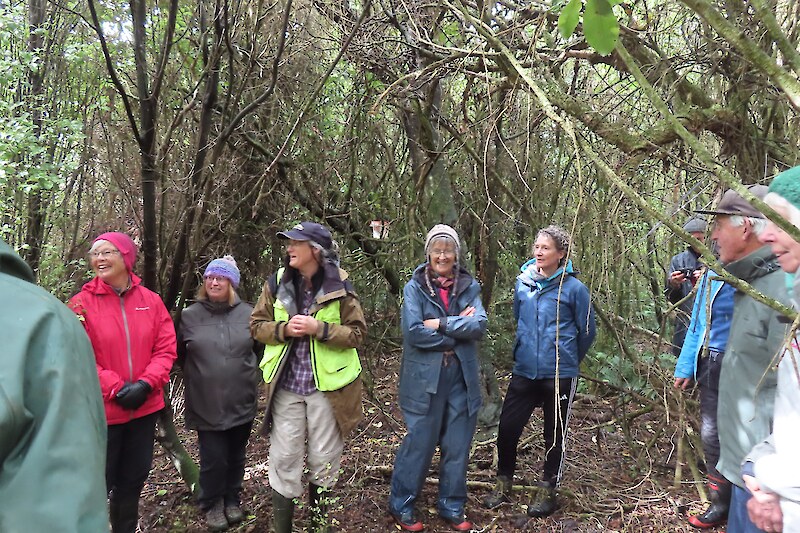
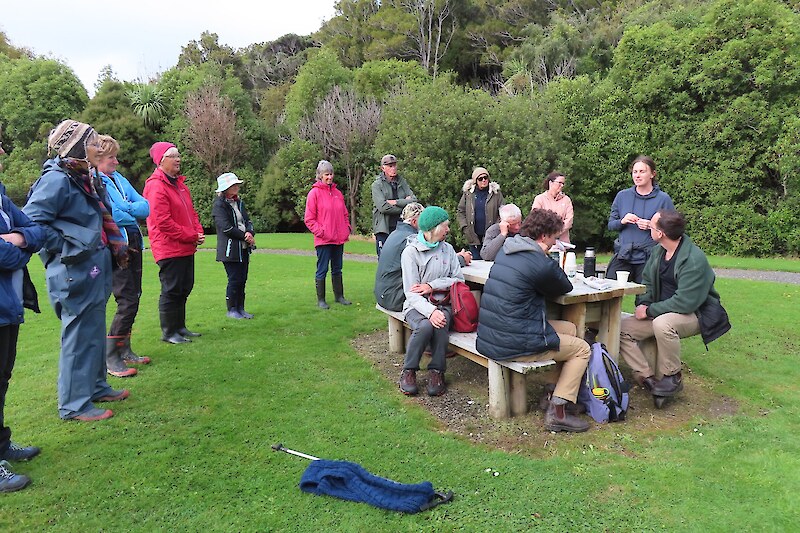
Its that time of the year when the year seems to speed up (or am I just getting older!!). So since the last website post lots has been happening! The Southland Ecological Restoration Network (sern) trip that was advertised went ahead and a great day was had seeing other restoration sites and Nursery vollies were in attendance - https://www.sern.org.nz/events/2024-sern-autumn-field-day/
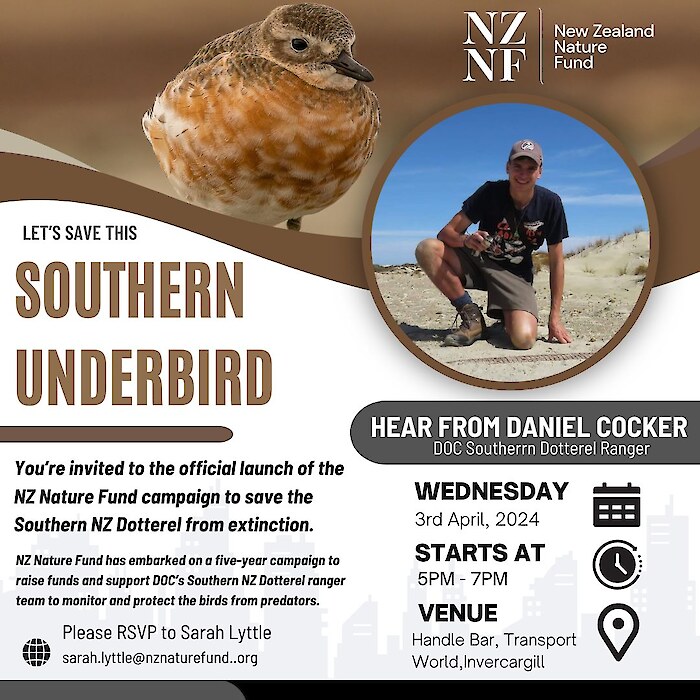
The Dotterel Campaign launch did eventually go ahead, very successfully with Daniel Cocker giving another impassioned plea – good local publicity ensued - https://www.stuff.co.nz/nz-news/350270523/dotterel-defence-fund-gets-forest-bird-boost. You can support Dan and the Dotterel here https://nznaturefund.org/projects/southern-dotterel-pukunui/
You may wonder what this all has to do with the Nursery, but all are linked by our own volunteers and the conservation web we weave!
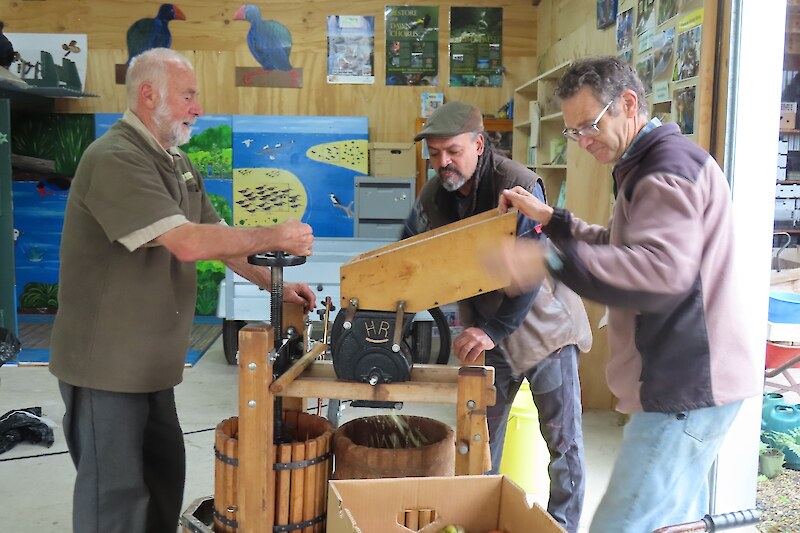
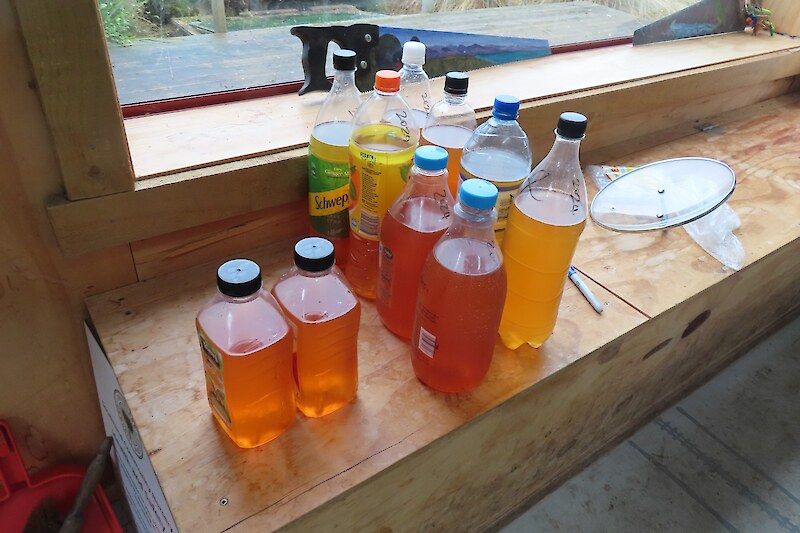
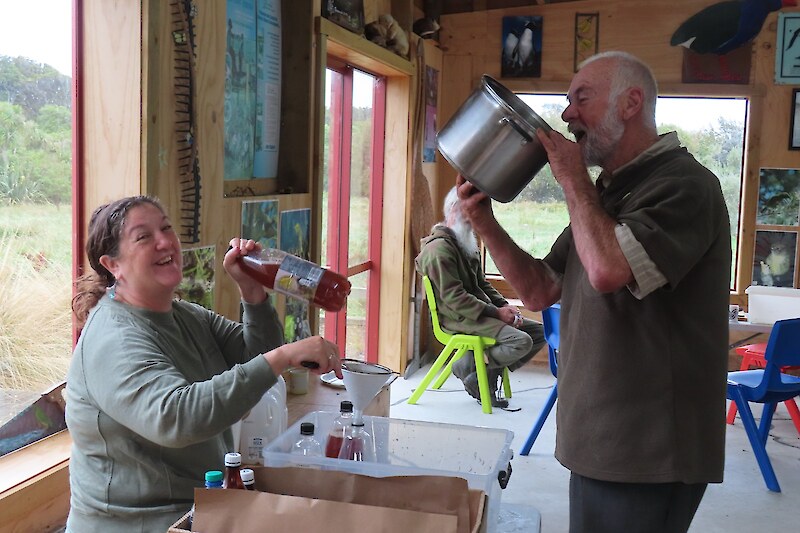
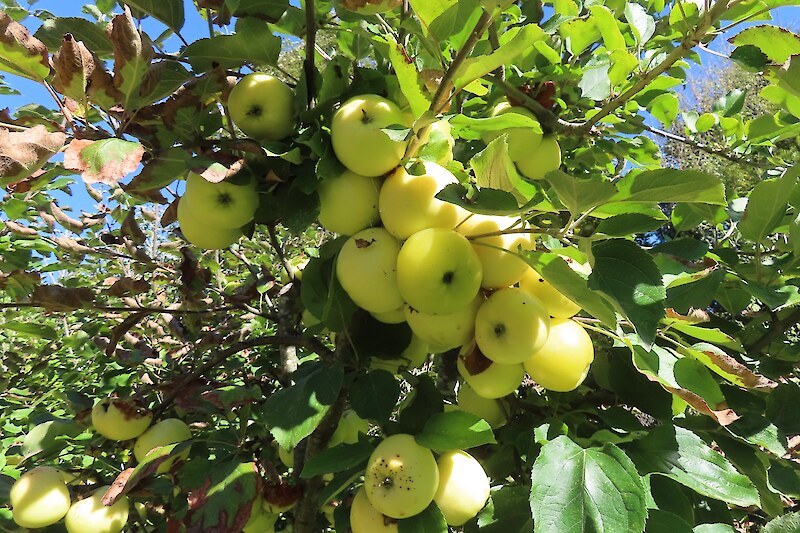
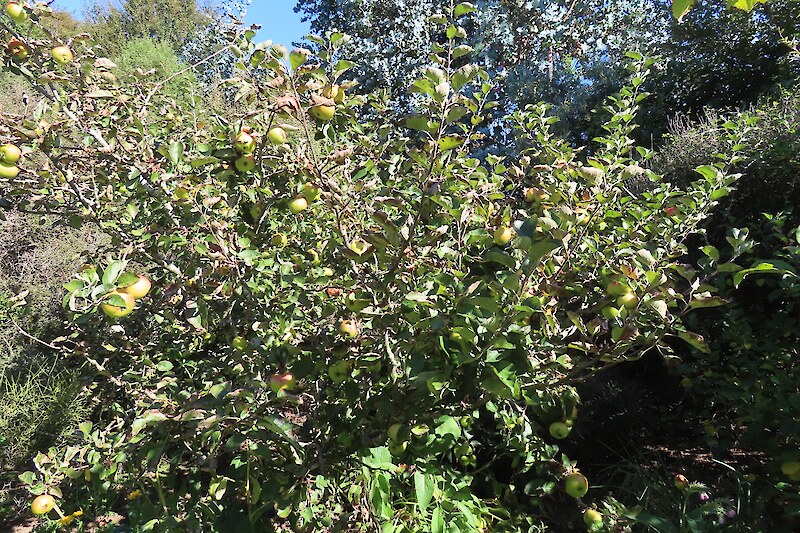
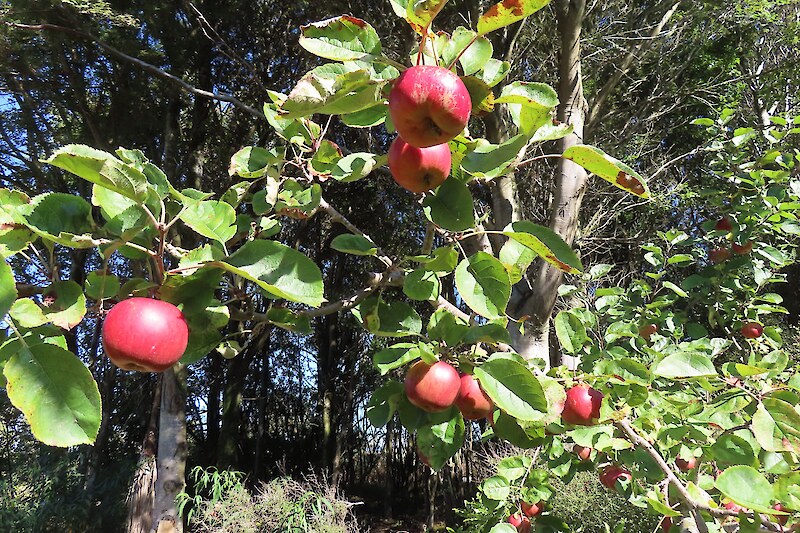
The Apple Pressing went ahead with a small but dedicated group and others have been collecting our Kingston Black, Yarlington Mill and Sweet Alford apples to make cider (looking forward to the results)!
Anyway, back to Nursery business – its been a busy time collecting and preparing seeds, Nursery volunteer Fridays have attracted between 15 and 20 volunteers so lots of work is being done. A whole contingent weeded the Nursery this Friday and the previous Friday a planting gang went out to the Moloneys in Otatara to help out Andrea and Kevin in their restoration project. We are also preparing plants for other plantings like Bushy Point in September 24 and a number of other plant orders. Soon on Fridays we will be sowing all the seeds we have collected and after that we will hold some workshops on growing plants from cuttings so if you are interested in those topics come along on a Friday morning.
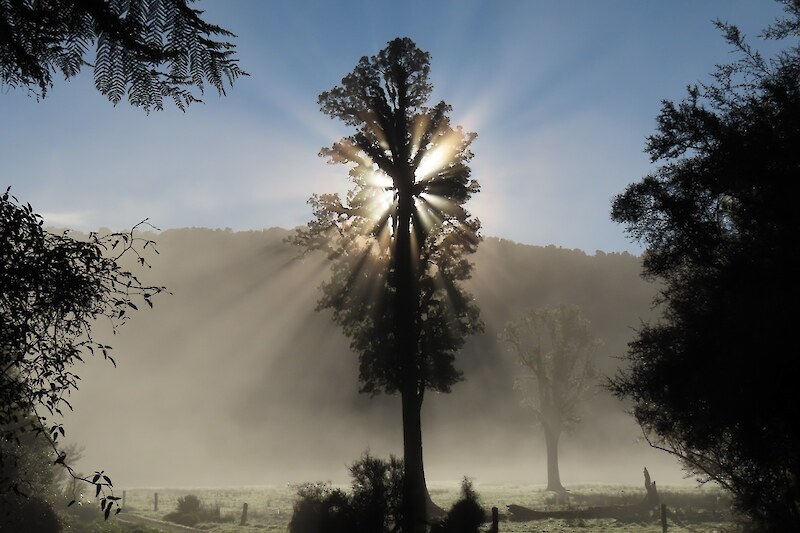
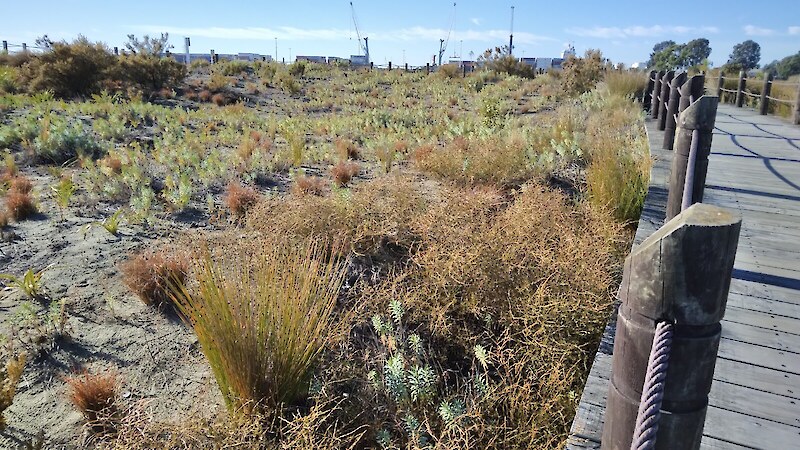
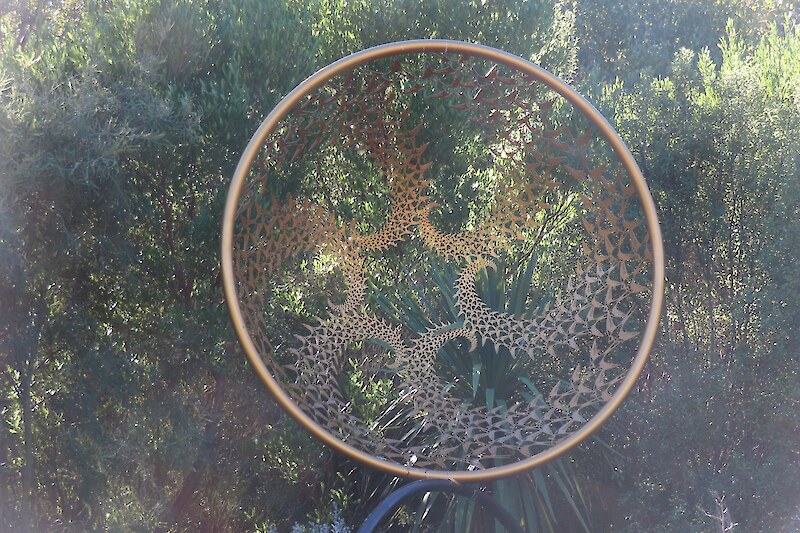
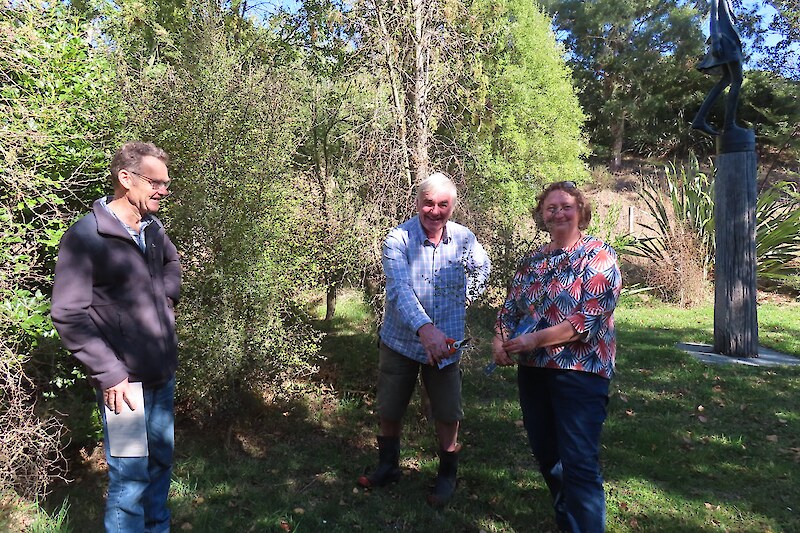
I couldn’t resist adding photos from a recent trip – the perfect morning at Lake Matheson on the West Coast, the amazing dune restoration at Caroline Bay Timaru and the wonderful Tai Tapu Sculpture garden recommended by Linda – wow!
Posted: 12 May 2024
We will be having a Community Apple Pressing morning from 9.30am-noon on Sunday 7 April 2024! All welcome. Bring your apples (scrumped, fresh or thawed from frozen), your own bottles to put juice in and any other containers you need. We also have lots of cider apples on site (Kingston Black, Sweet Alford and Yarlington Mill) for anyone who wants to pick and juice them for making cider later.
Riverton Environment Centre will be bringing the Apple Press donated to them by Malcolm Mackenzie, so come along with your apples and join the fun. A small charge for juicing depending on numbers of people attending, so please bring some cash as well.
Also on this week is the official launch of the Southern Dotterel project – see details on the poster below (POSTPONED).
And finally for this week - another good event is taking place on Saturday 6 April – the Autumn SERN Field Trip – all welcome – details at https://www.sern.org.nz/events/2024-sern-autumn-field-day/
Chris
Posted: 2 April 2024
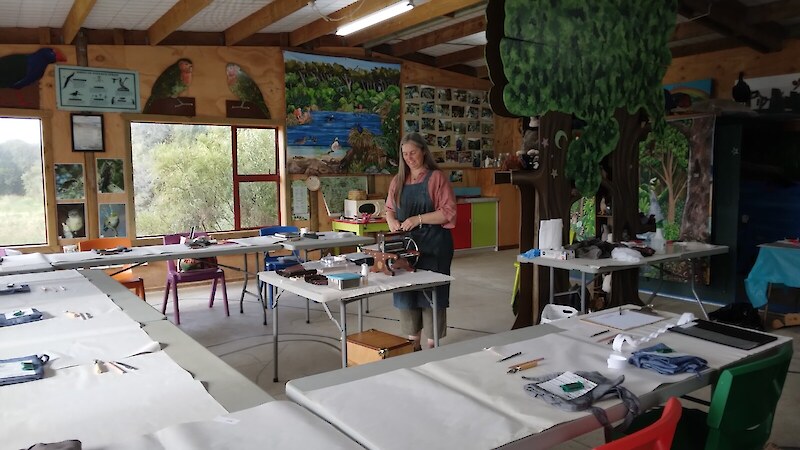
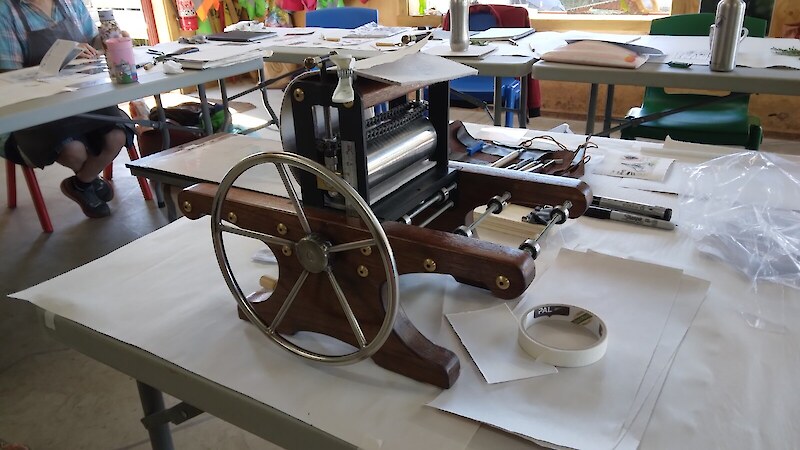
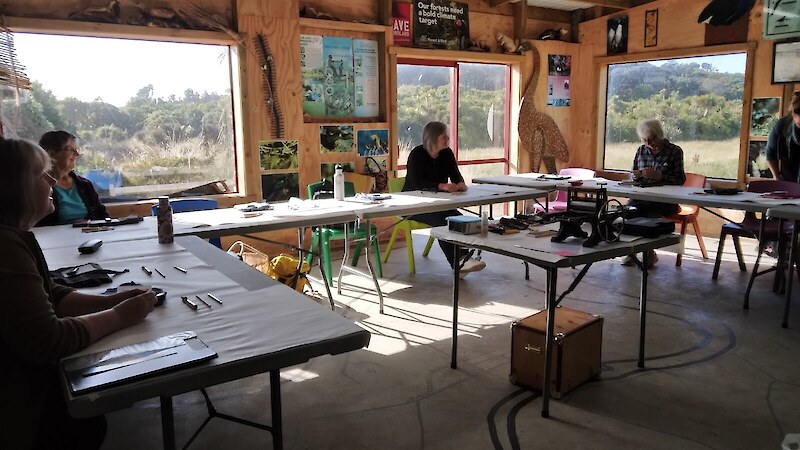
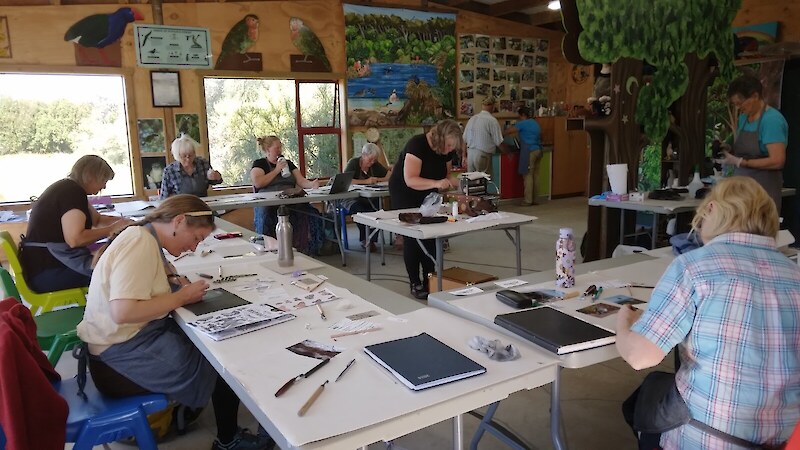
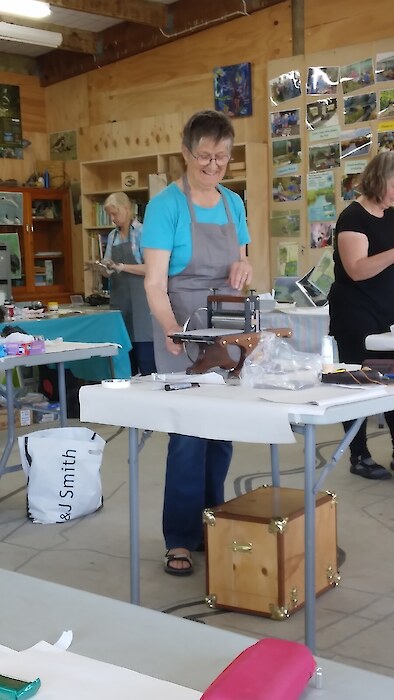
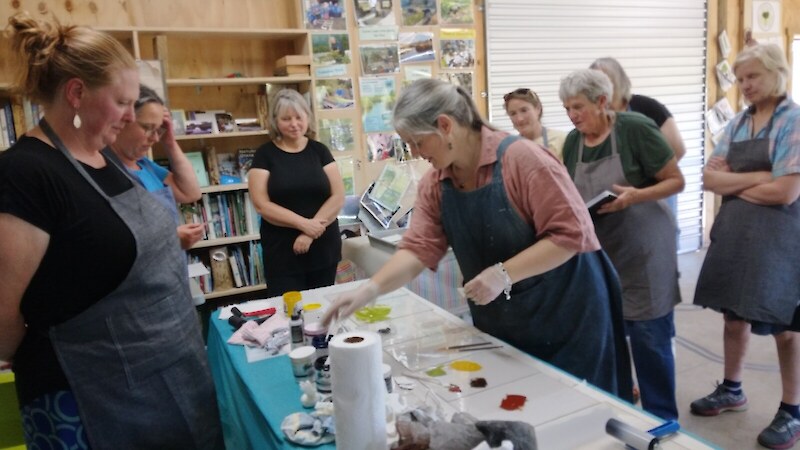
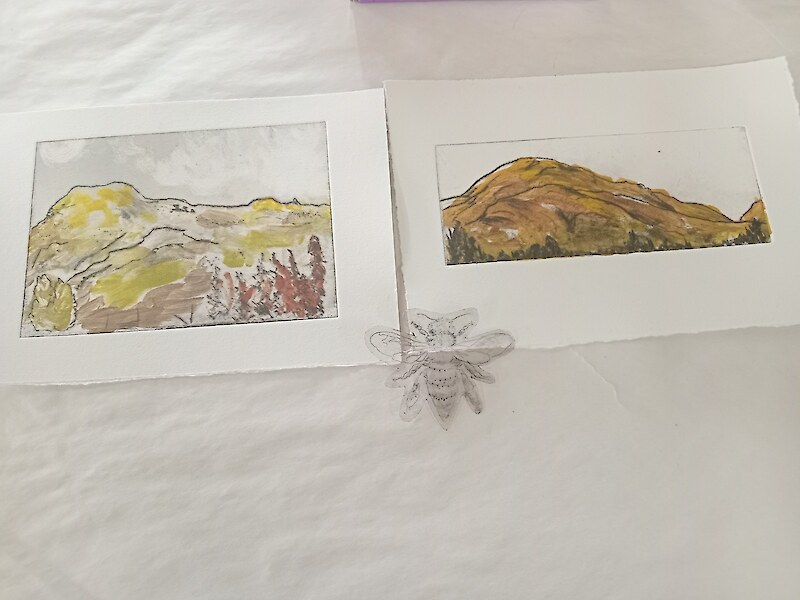
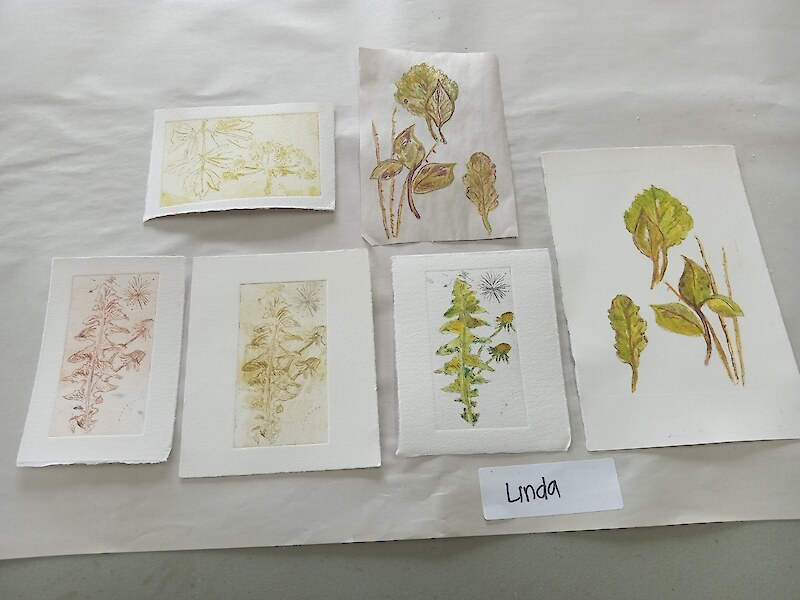
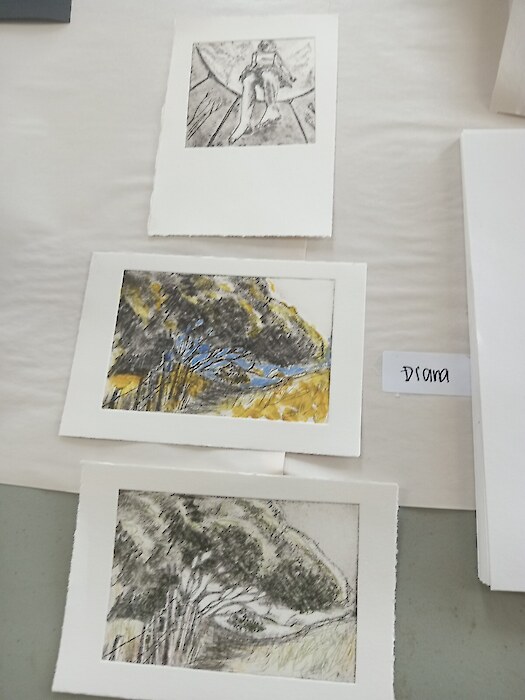
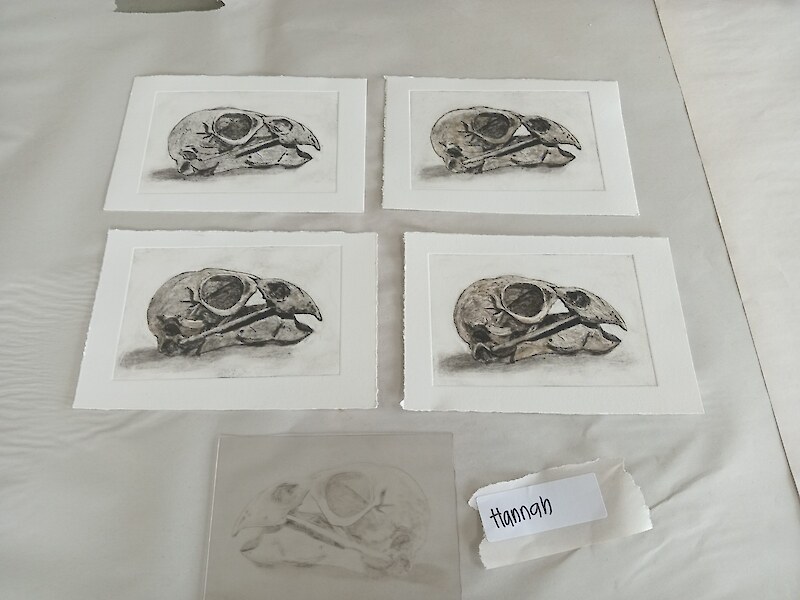
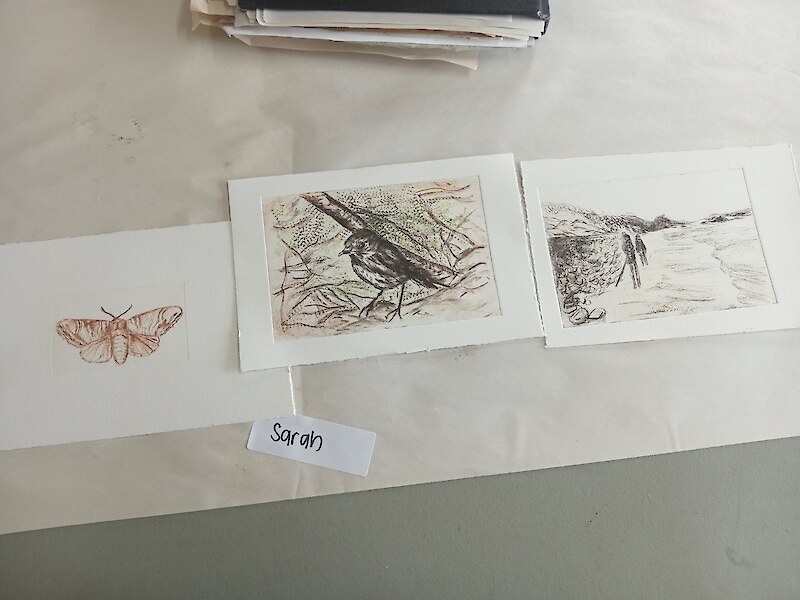
Kyla Cresswell Workshop March 2024 at the Southland Community Nursery
Our goal was to create postcard sized prints using the drypoint etching technique. This entails incising marks onto a piece of rigid clear material. We were encouraged to explore our surrounds with birds, insects and plants close at hand to inspire.
Our group included beginners through to art graduates, all intently focussed on learning from our patient, thorough and experienced tutor, Kyla. So much experimenting, comparing, trying again and wishing the day was longer. The chocolate bars and home baking provided energy, with sharing knowledge and enthusiasm the impetus. The process of recording impressions of our individual interests is difficult to hurry, requiring intense quiet concentration, then moving about to apply inks, prepare paper and holding your breath as the print comes through the roller. Our workshop room in the Education Cente was perfect, Kyla an engaging and generous tutor, participants enthusiastic and creative…… so yes I had a great day. Now to keep practicing and look forward to more art workshops!
Linda Jackson
Volunteer Fridays Mornings at the Nursery Jan-March 24
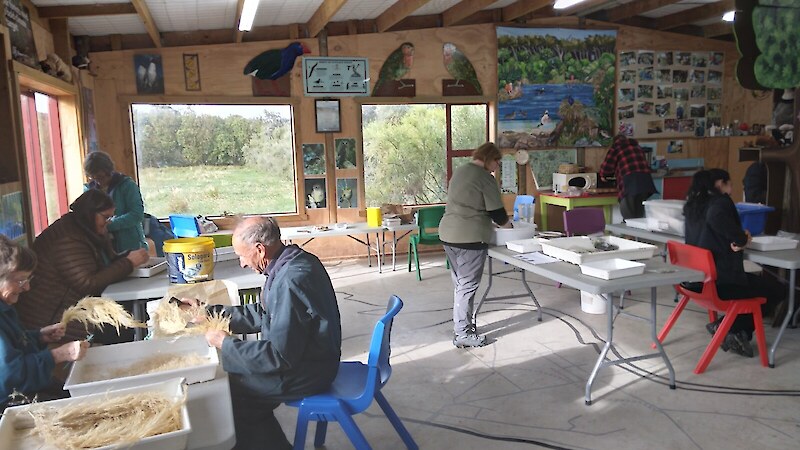
Friday mornings have been busy with lots of people and the usual jobs – pricking out, potting, moving plants, weeding, watering and now seed collecting and seed cleaning. We are probably half way through seed collecting with a reasonable amount of seeds still to be collected. Last Friday’s horrible weather was a good opportunity to catalogue and process the seeds already collected so Chris gave a talk on the process to date and volunteers set to work on the quite laborious (or mindfulness, depending on your attitude!) job of processing and cleaning seeds, all in the relative comfort of the Nature Centre. The whole process is described at this link on the website - https://www.southlandcommunitynursery.org.nz/restoring-your-patch/get-growing/seeds/ and it also describes the type of seed you are looking for and roughly when it will be ready for collection in Southland. Be aware that if you miss that seed collecting opportunity then you have missed it for the whole year ahead. Also, not all plants seed well each year so it pays to be vigilant and always on the lookout. The next few weeks will continue with seed collecting and processing and then mass sowing of all the seeds before the “cuttings” season is upon us in June and then closure for winter in July. It feels like the season is hurrying on, but we can still enjoy the good autumn days when we get them. See you sometime on a Friday morning!
ngā mihi
Chris
Posted: 19 March 2024
Artist Kyla Cresswell will be holding a one day art workshop, here at the Community Nursery Education Centre on Saturday 2 March 2024. All the details here
Please email Chris at [Enable JavaScript to view protected content] to book your place, and when your place is confirmed, you will need to pay in advance.
There will be a “reserves” list if demand is such that you dont get on first time.
Chris
Posted: 4 February 2024