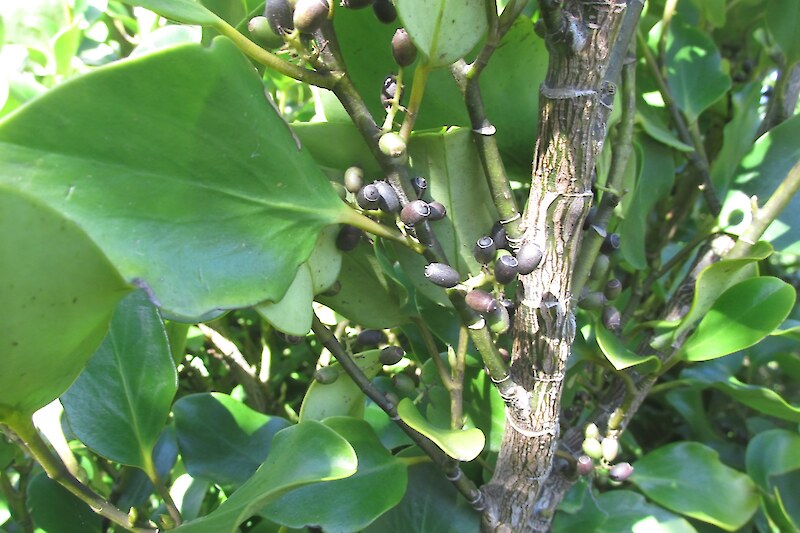
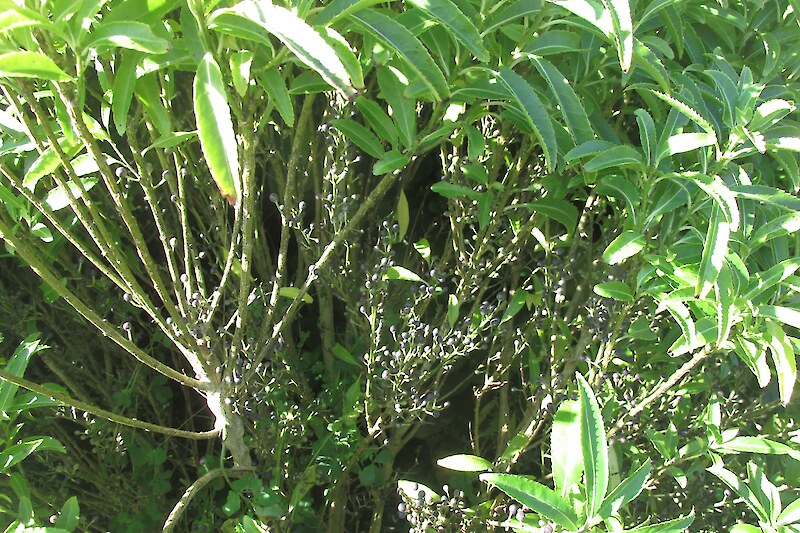
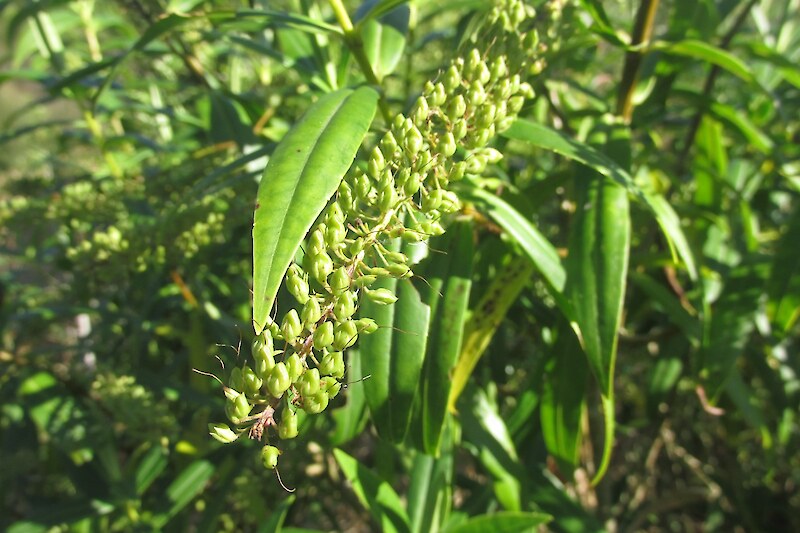
We are in lockdown but I have been able to seed collect on our property. A few people have been asking if various seeds are ready to collect yet so I thought I would add a few photos of what I have been collecting recently for the Nursery. There is also a dedicated page on seed collecting at the following link - https://www.southlandcommunitynursery.org.nz/restoring-your-patch/get-growing/seeds/
The general rule of thumb is not to collect green seed. Usually fleshy seed turns a different colour when ripe. Yesterday I picked some blue mingimingi (Coprosma propinqua), orange Karamu (Coprosma lucida), black broadleaf (Griselinia littoralis) purple narrow leaved mahoe (Melicytus lanceolatus) and brown manuka pods (Leptospernum scoparium) - they will open in the sun spilling tiny brown seeds. Most koromiko (Hebe salicifolia) was still green (see photo below of brown pods and tiny seed on the hand) and most of my cabbage tree seed had not turned white yet.
I have failed to find any wineberry seed this year, if you see any, or have collected any, I would be pleased to know.
There are a few native species that we wouldn’t recommend you collecting seed from as they are regarded as “weedy” natives – ie they don’t occur naturally in Southland and have a tendency to replace our local Southland species – they are Hoheria sextylosa – northern lacebark, Coprosma robusta (similar looking to Coprosma lucida) and Pseudopanax laetus – Northland fivefinger. All are present in Otatara. If you are interested in knowing the differences or are not sure send me an email. In their place we would recommend using Lowland ribbonwood (Plagianthus regius), shining karamu, (Coprosma lucida) and pate, seven finger (Shefflera digitata) and I will have lots of seed from these species to share.
Regards
Chris
Posted: 6 April 2020
Some ideas for children during your “home time”
While you are at home there are lots of fun family things you can do together in your garden to connect with nature. We have a range of resources you can download from our website then go outside and try them out!
https://www.southlandcommunitynursery.org.nz/education-centre/activities/school-activities/. Below is a link to that page and the pdf documents you can print out or put on your phone – then start discovering!!
Learning Resources
 We have developed a range of site-specific learning resources to help you get the most out of your visit. Download them as PDFs or use the hard-copies available at the Nature Education Centre.
Or do a garden bird survey – there is everything you need to know at this link - https://www.landcareresearch.co.nz/science/plants-animals-fungi/animals/birds/garden-bird-surveys
The official survey starts in June but why not have a practice now and keep a bird diary, noting each day what birds visit your garden!
Or have a cooking session using our new Southland Community Nursery Recipe book – it has lots of good recipes using locally grown produce (such as “what to do with Zucchini!) as well as tips for local foraging – you can download it at https://www.southlandcommunitynursery.org.nz/how-the-nursery-works/. All recipes were donated by our volunteers and put together by Bronwyn. When you are cooking, think about the people who submitted the recipes – you are bound to know some of them! Printed copies the Recipe Book are available from the Nursery, but that may have to wait a while! You can still put your order in though.
We will be putting stories on our website soon about seed collecting and other subjects so watch this space https://www.southlandcommunitynursery.org.nz/news-and-events/
Chris and Bronwyn
Posted: 27 March 2020
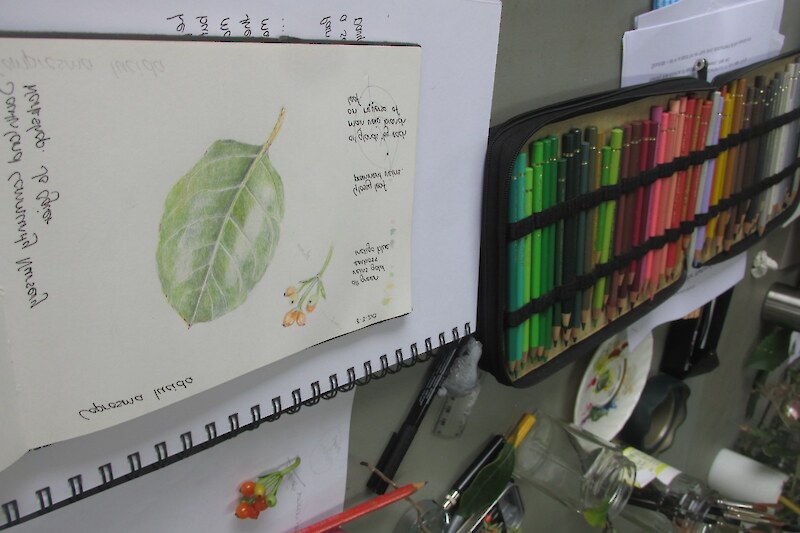
Due to these uncertain times we are closing the Community Nursery until further notice. We will think of some inventive ways to connect with you all and we will be keeping the nursery running - just behind closed doors for now. We will collect seeds and prepare for a new season, whenever that happens. Education programmes will be postponed for now but we will think of some good ways you can still enjoy the outdoors with your children - “a nature diary” maybe! - watch this space!!
In the meantime stay safe and do email me with any questions on growing your own native plants! I will also still be taking orders for plants so if you have any requests just email but we wont have any pickups until the situation changes.
kind regards
Chris and Brian
Posted: 23 March 2020
Open Morning and Native plant Sale Saturday 21 March 2020
Get your locally sourced and grown native plants for autumn planting – plants for shelter, wetlands, forest restoration, attracting native birds or garden plants.
Learn about Southland native species, see examples of plantings and bush restoration.
Date – Saturday 21 March 2020
Time 10am-noon
Venue – Southland Community Nursery – 185 Grant Road, Otatara (Nursery entrance - just past the 185 rapid number)
Chris and Brian Rance
www.southlandcommunitynursery.org.nz
Posted: 16 March 2020
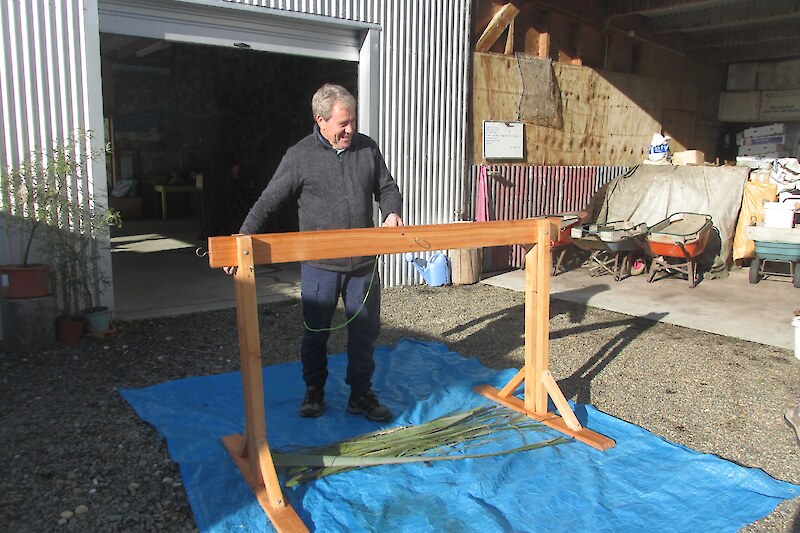
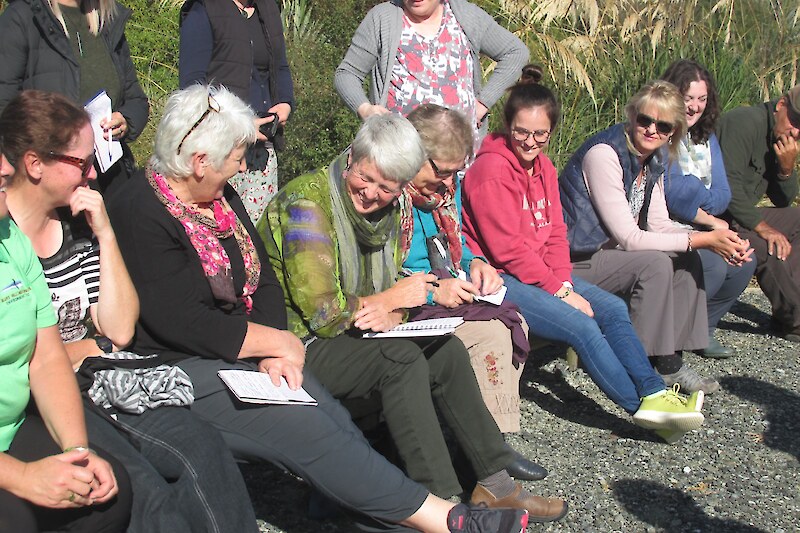
As part of Heritage Month 2020 we held two workshops with Rob Tipa – author of “Treasures of Tane” – Plants of Ngai Tahu.
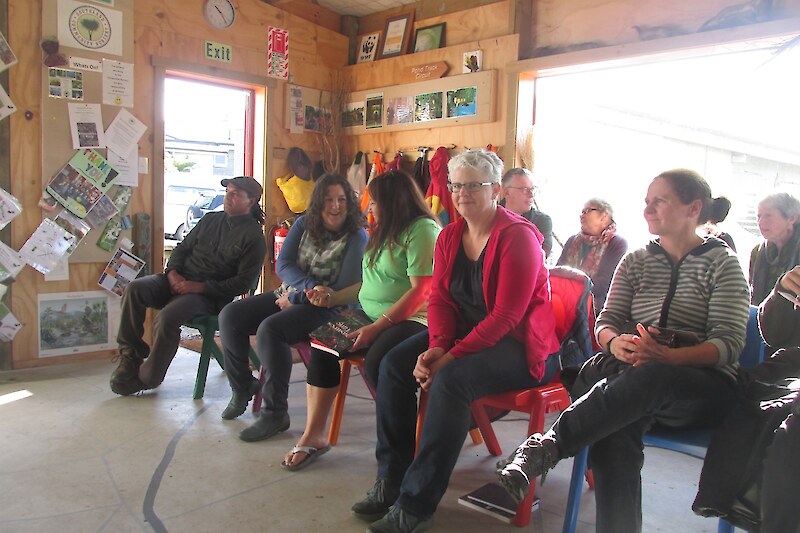
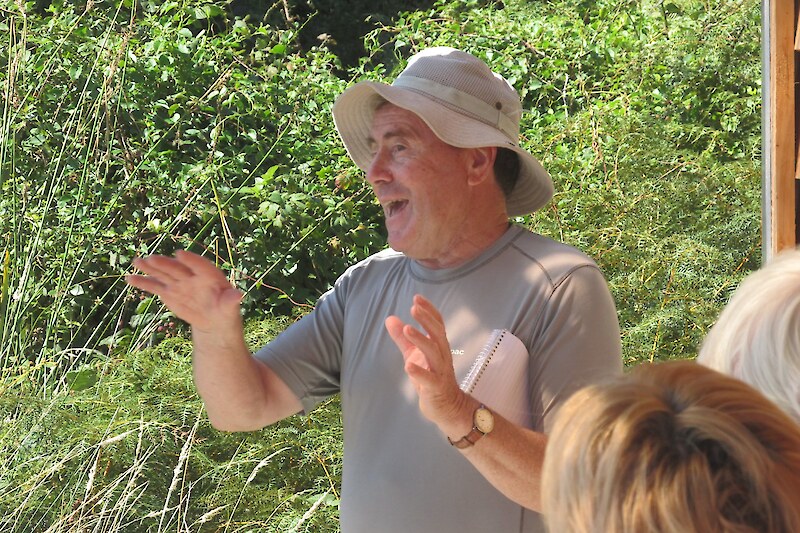
Chris introduced Rob and also Estelle Leask and Brian Rance - all passionate and knowledgeable advocates for native plants.
Rob began by explaining his whakapapa and his early days of putting together, as a journalist, the stories associated with the native plants of Ngai Tahu. The articles for Te Karaka magazine eventually became the book “Treasures of Tane”.
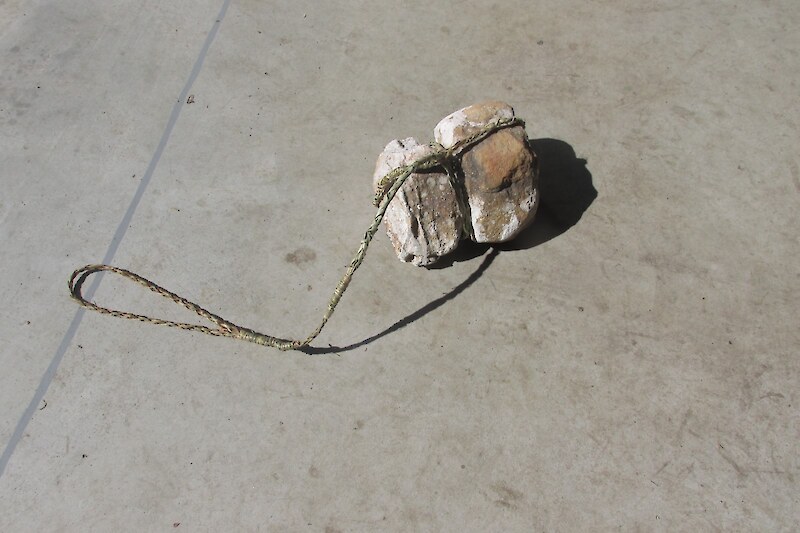
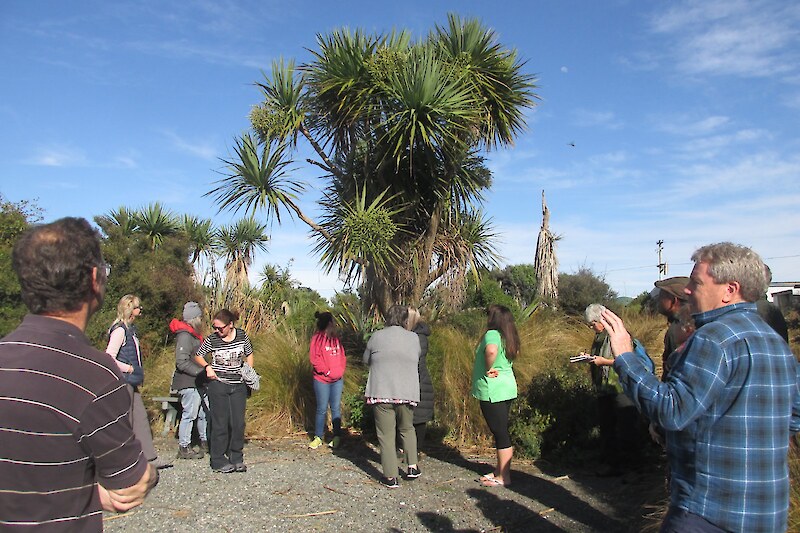
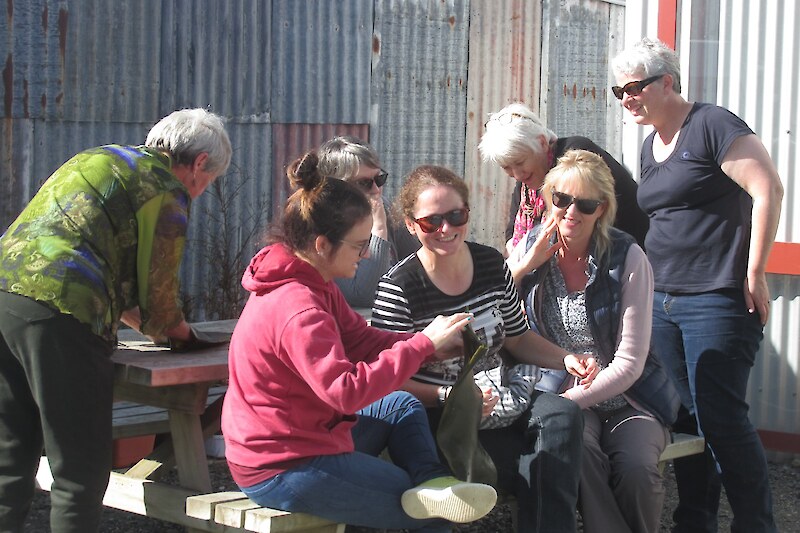
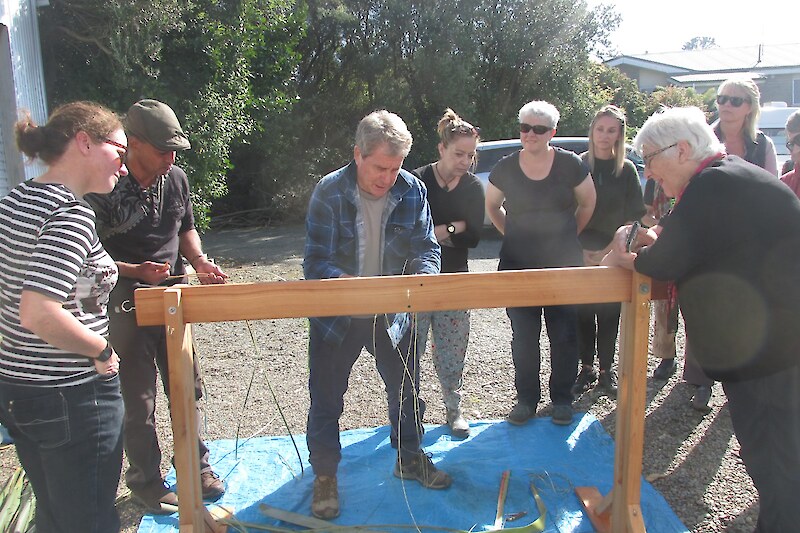
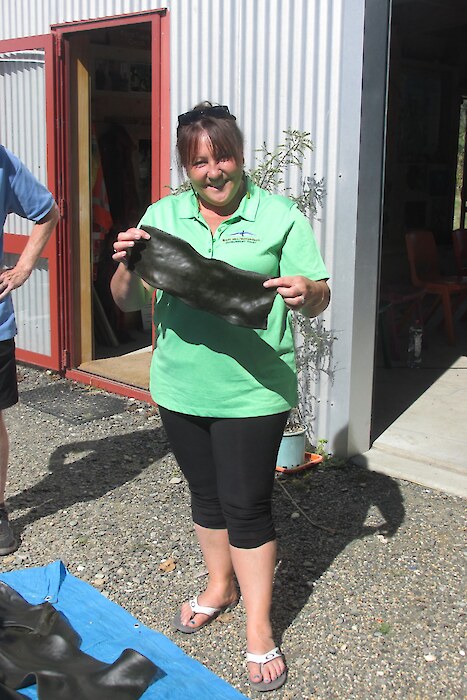
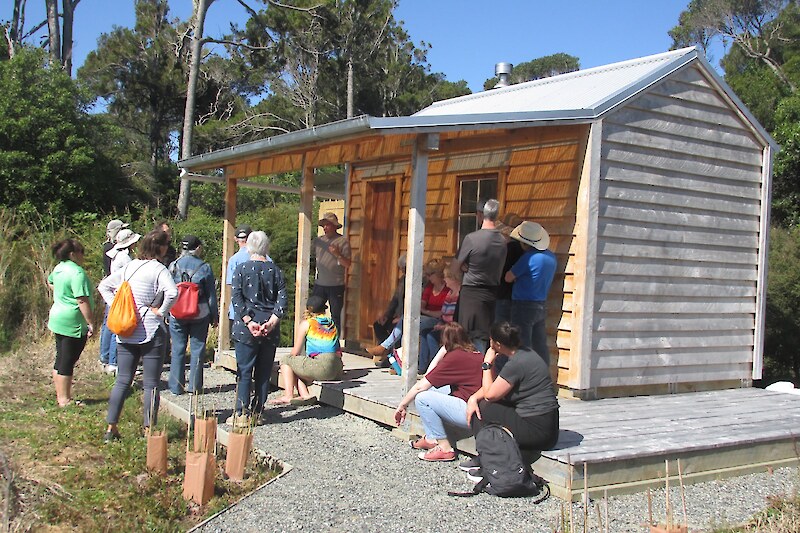
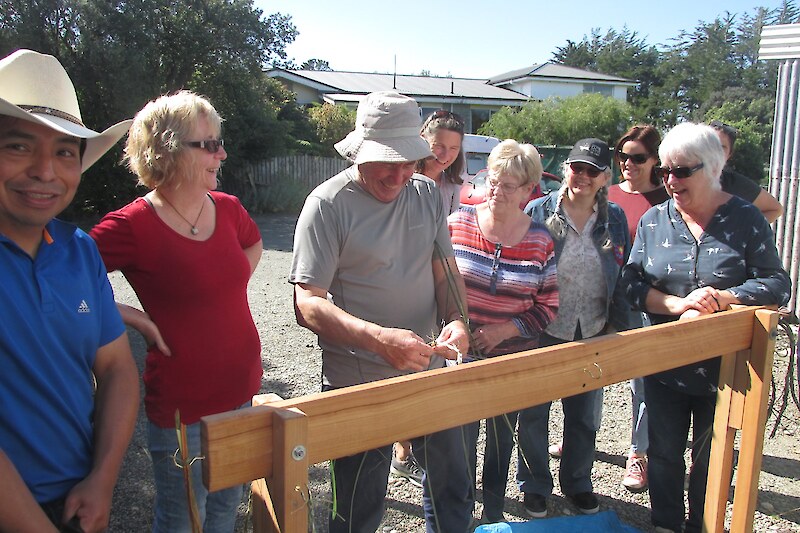
Out in the wetland, Rob’s enthusiasm was infectious as he went from story to story about “survival plants”, moving on to food and medicinal plants and those used for materials such as clothing, bags, building materials – he described wetlands as a supermarket for early maori people – many plants had a use and for many a special way of preparing them. Under the Ti kouka tree Rob explained the uses, and as with harakeke – the view that how could you live without them. Moving on around the wetland lacebark, ribbonwood, raupo and bracken fern uses were discussed, then the mighty trees totara, rimu, matai, miro, kahikatea – then back to the Education centre for practical weaving session and making poha kelp bags.
There is a great video of Tiny Metzger making poha at the following link http://www.maoritube.co.nz/people/poha-bull-kelp-bags-ngai-tahu-mahinga-kai/
Thanks to Rob for sharing the stories with great humility and for his enthusiasm and fun – everyone really enjoyed the day. Thanks to Heritage South for putting together a great programme of events for Heritage Month 2020 – see more events at https://www.facebook.com/HeritageSouthNZ
Chris
Posted: 16 March 2020