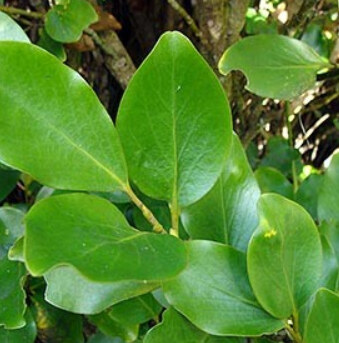
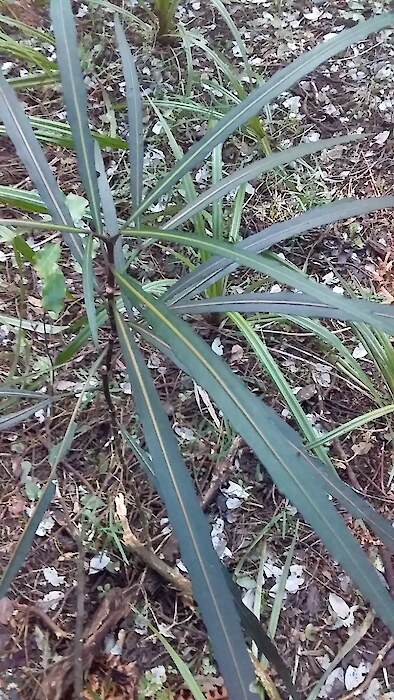
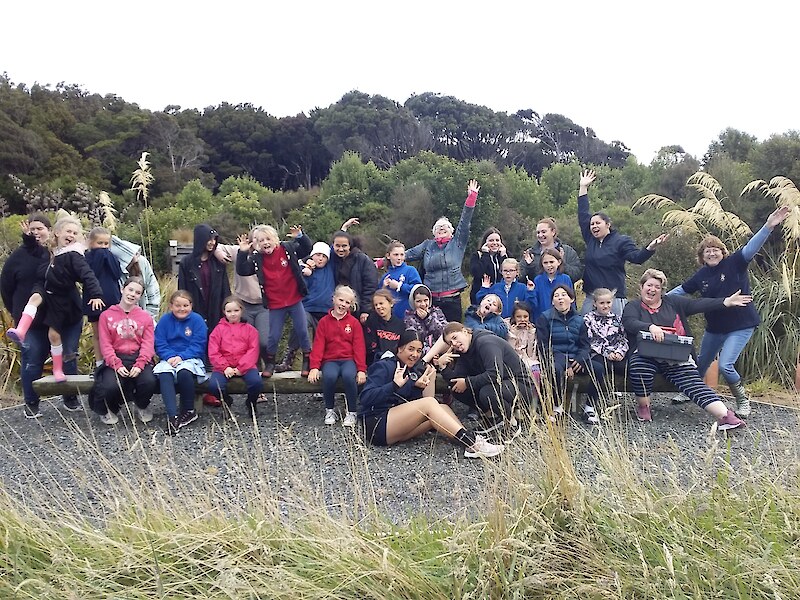
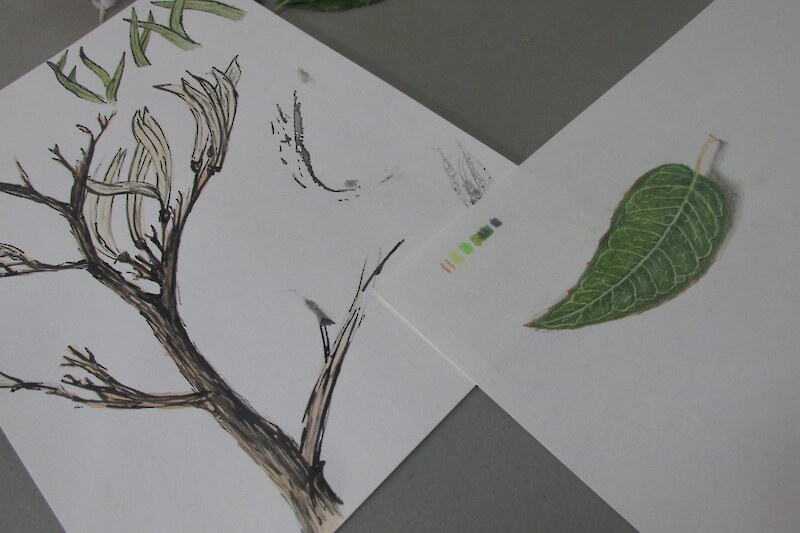
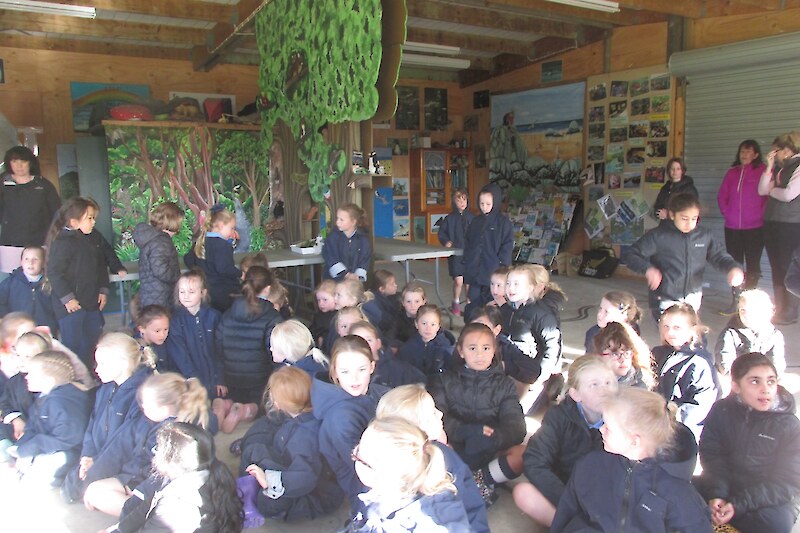
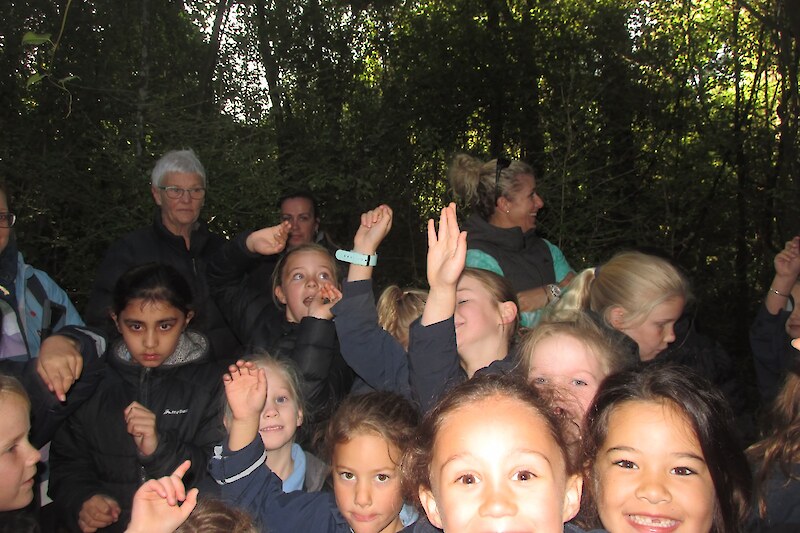
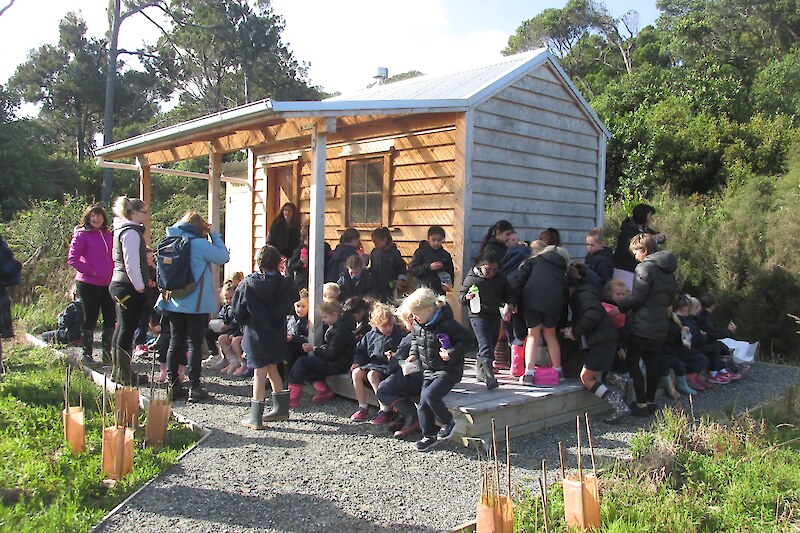
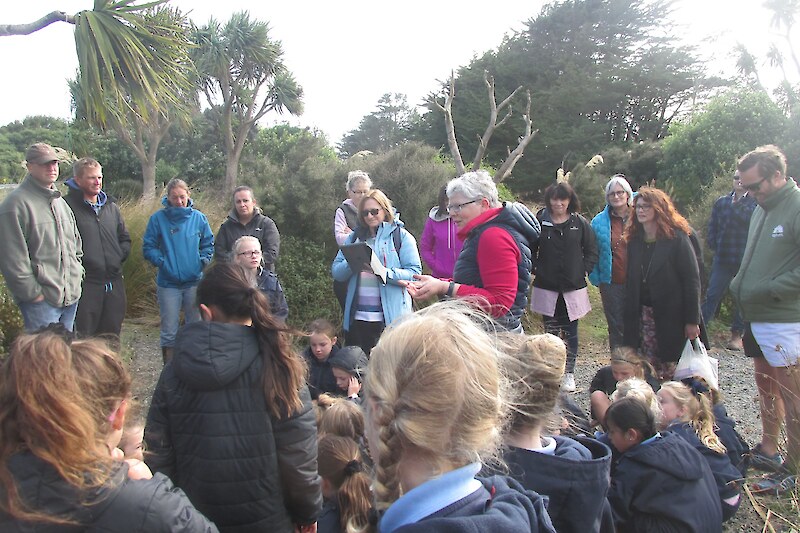
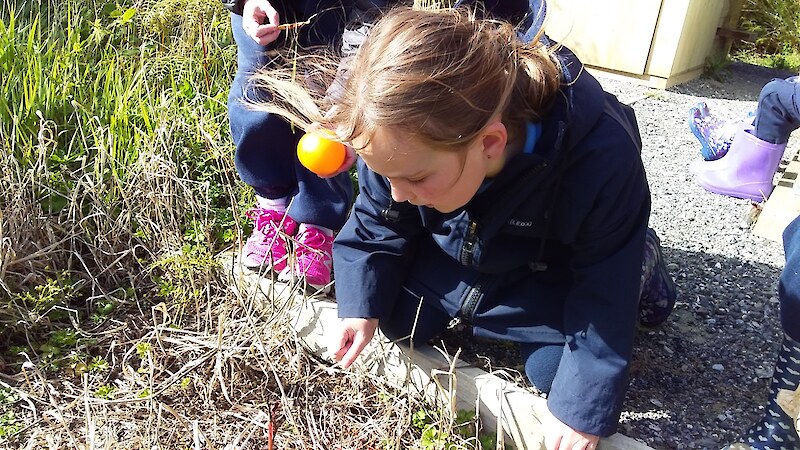
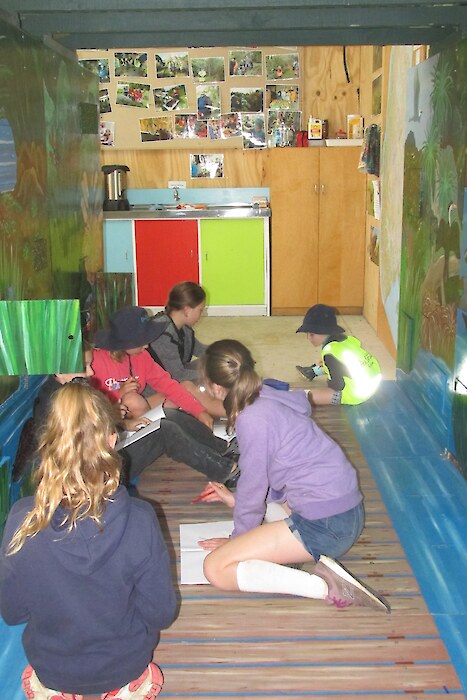
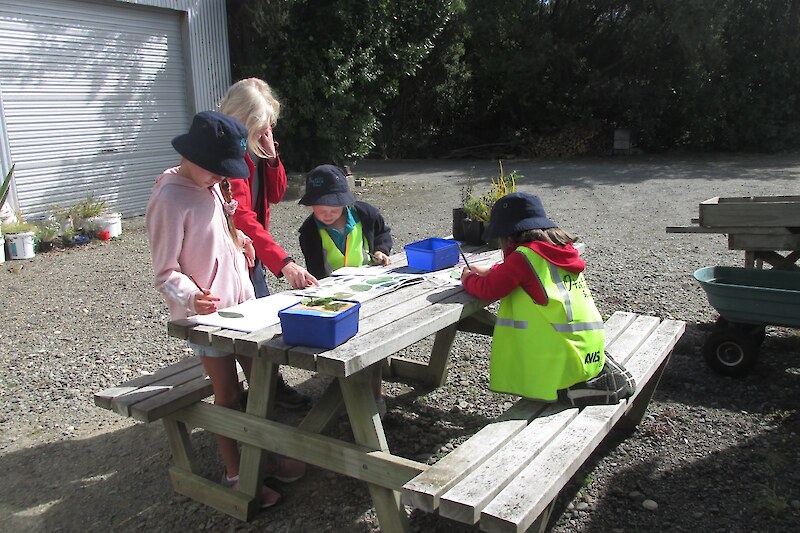
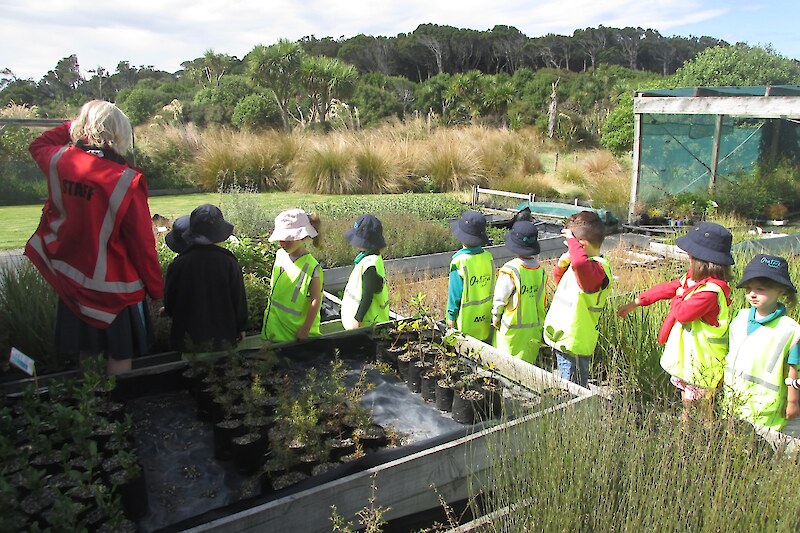
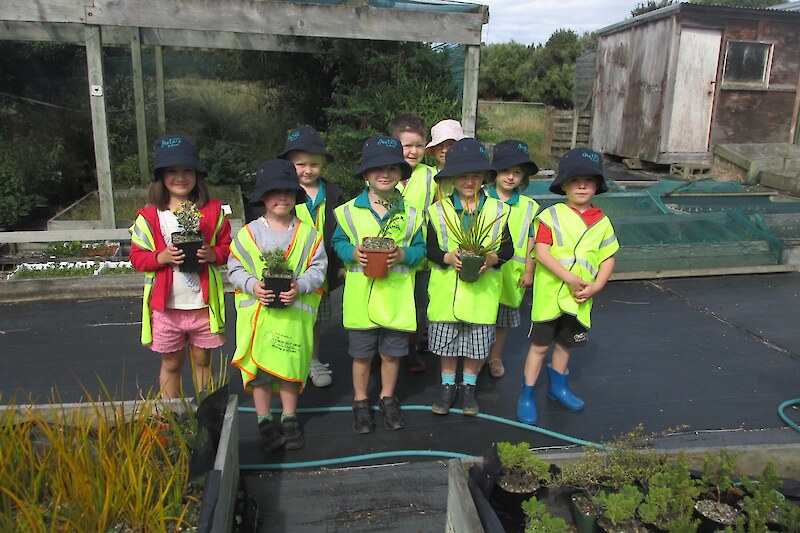
Off around the pond track on a leaf hunt saw the girls look high and low, left and right for leaves. We learnt about native species and introduced or weed species, and looked at the different shapes and colours of leaves - there is more than one green! A piwakawaka joined us and fun was had by all. We spotted the pest traps and bait stations along the way learning why we do this to protect our NZ flora and fauna.
Bronwyn
Posted: 13 March 2020
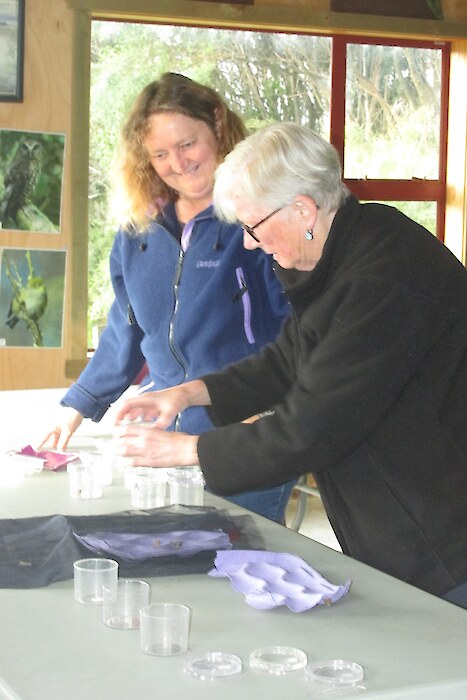
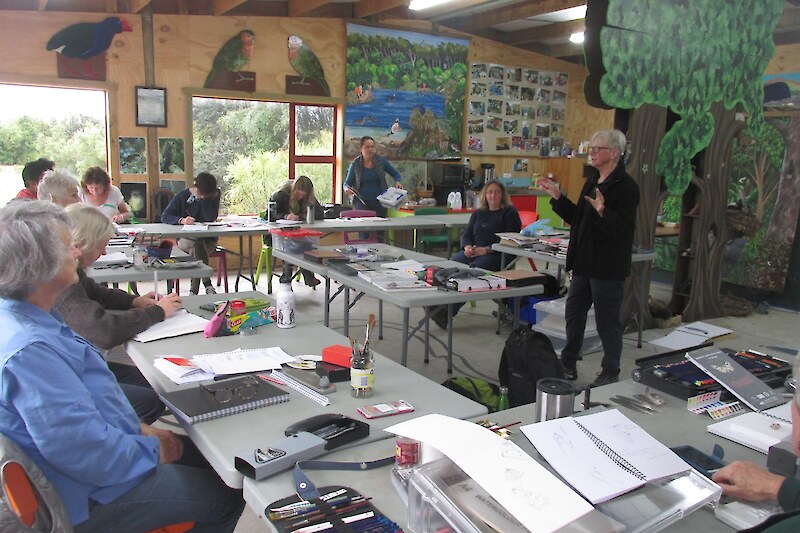
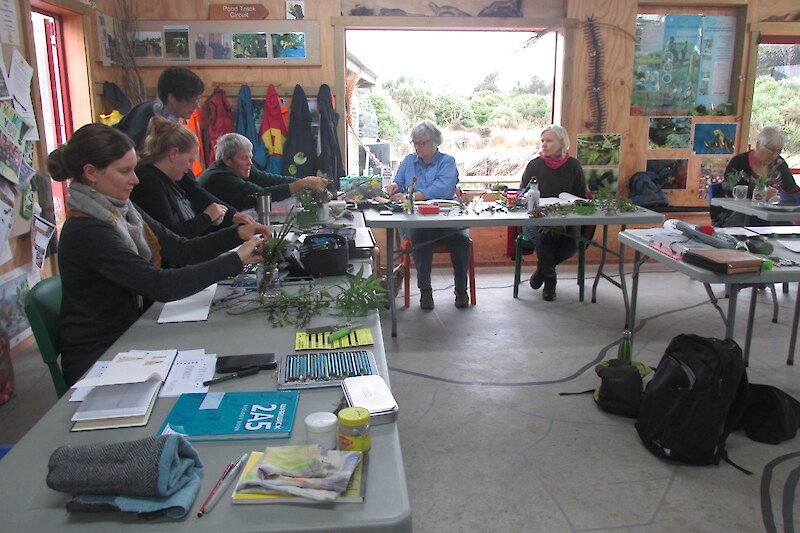
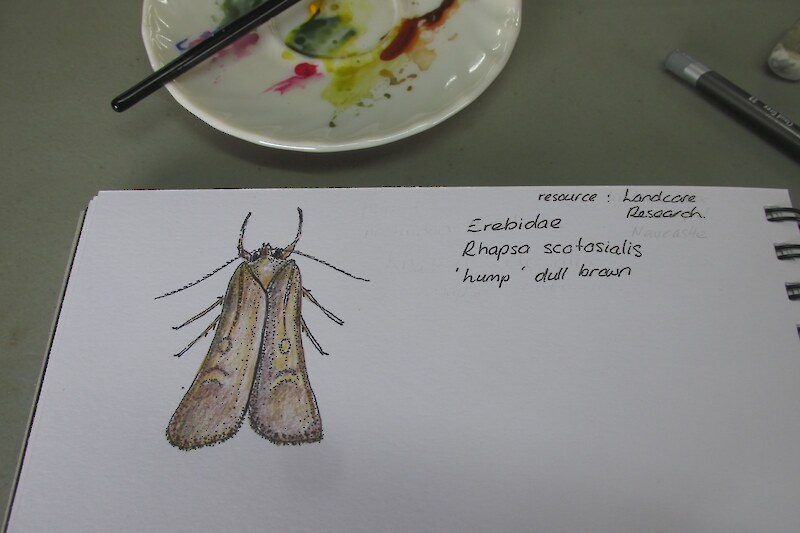
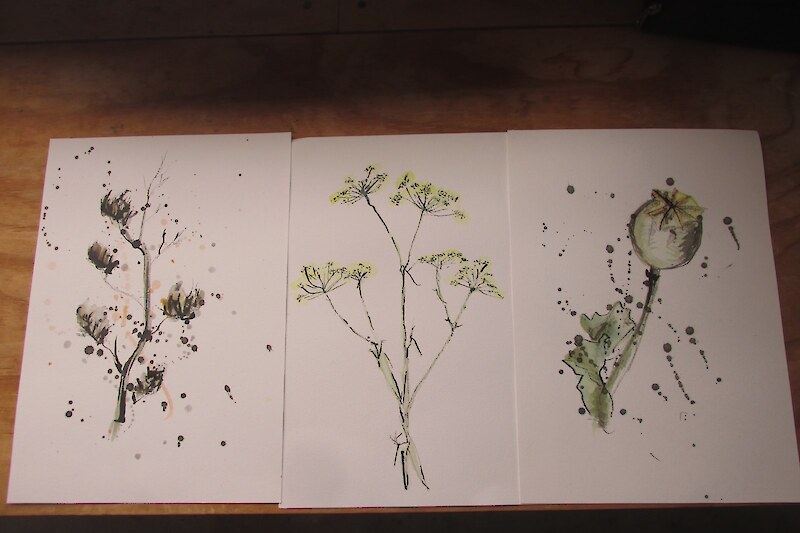
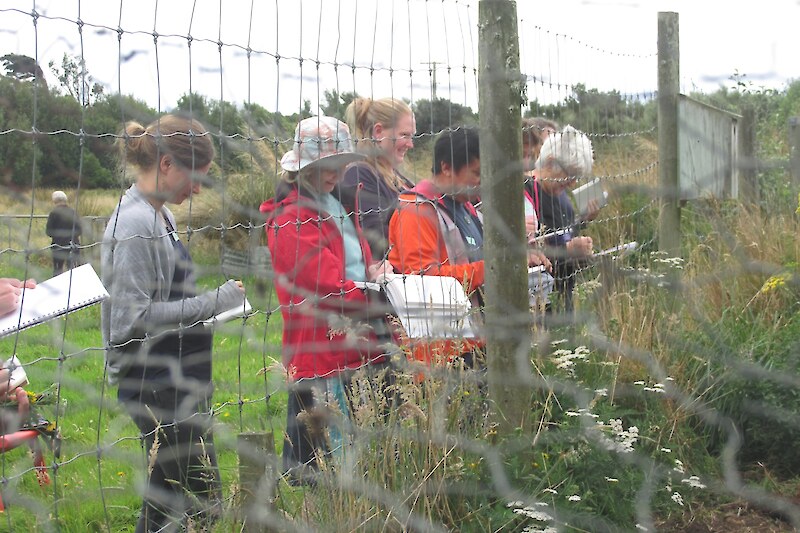
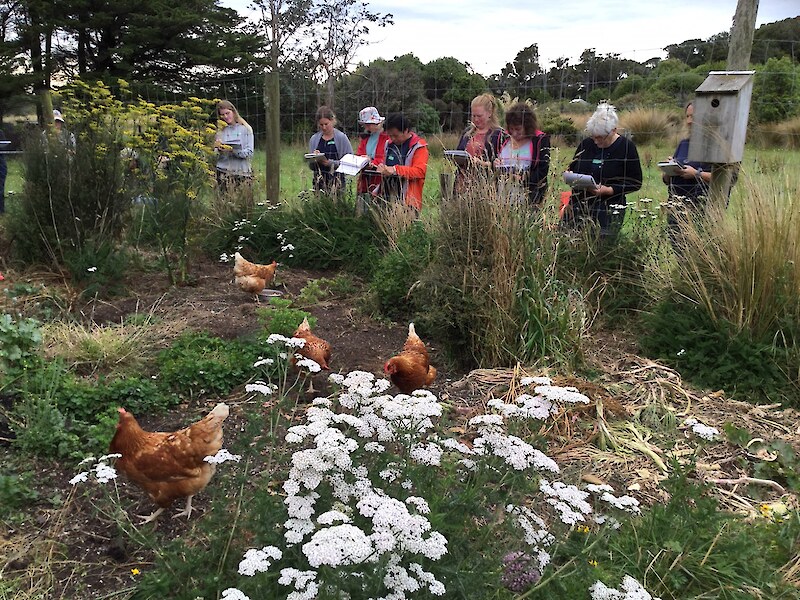
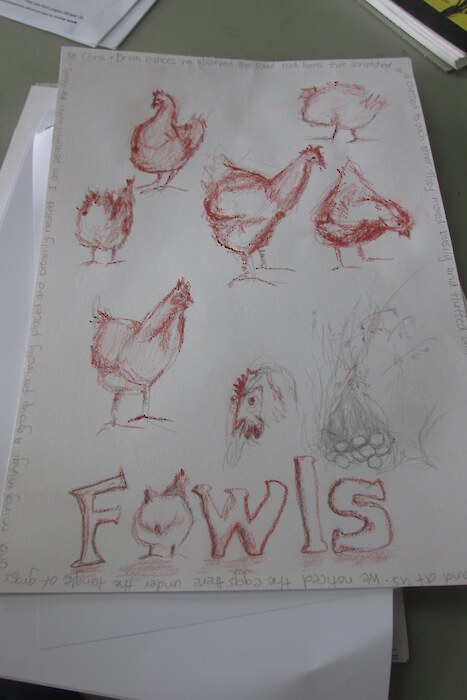
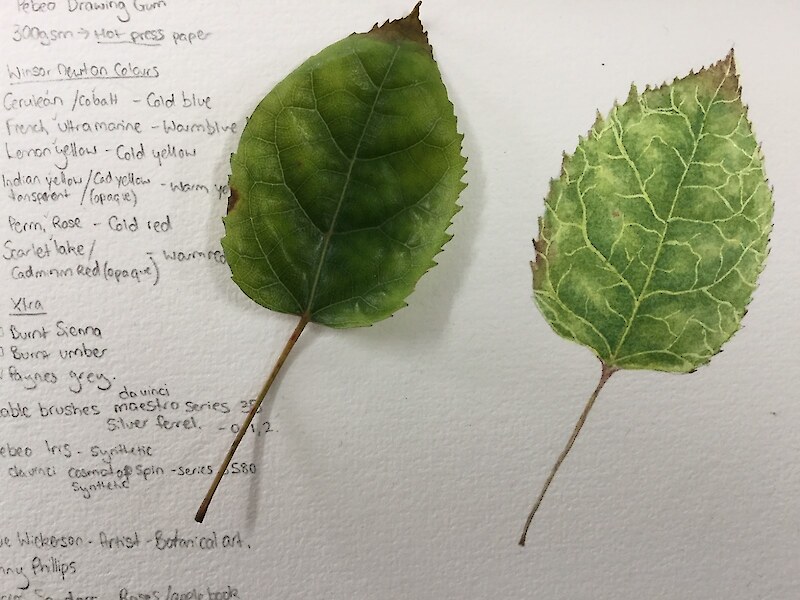
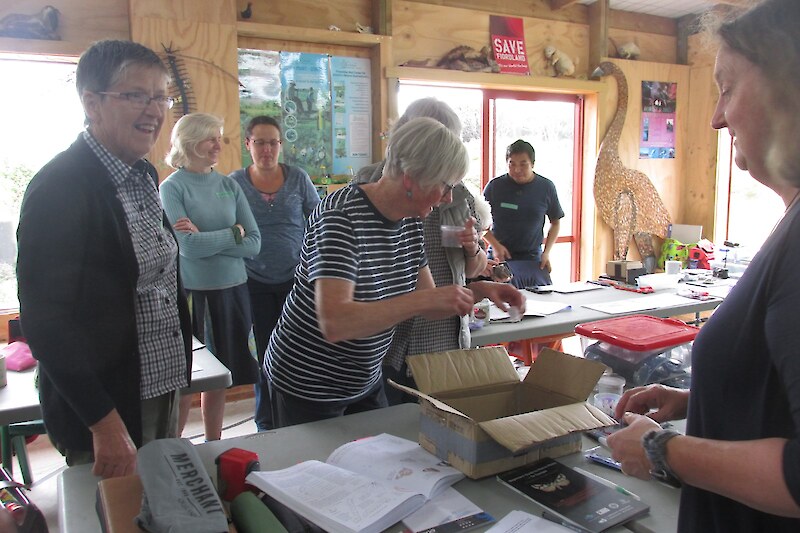
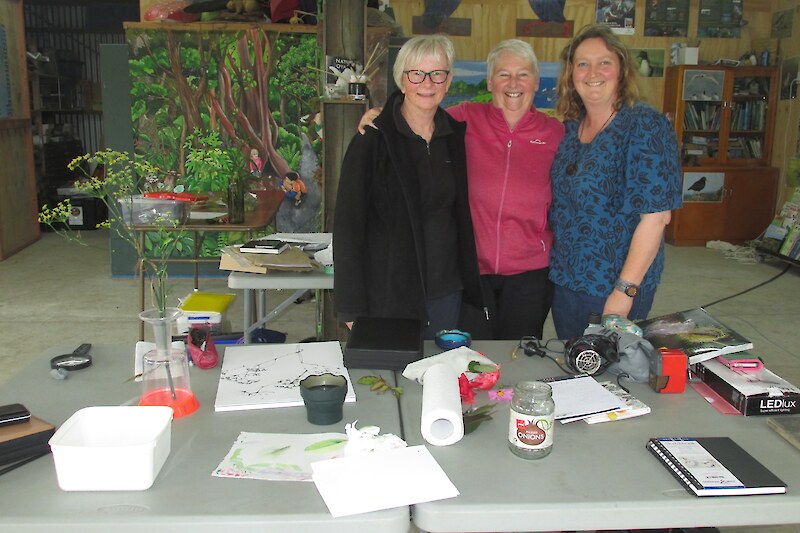
A weekend at the Southland Community Nursery with two of New Zealand’s best botanical artists, sharing their knowledge and their skills – wow – what a privilege to attend.
We watched, we listened, we learned, coached and inspired to create a visual record of our immediate environment in order to improve our understanding of the place we live in.
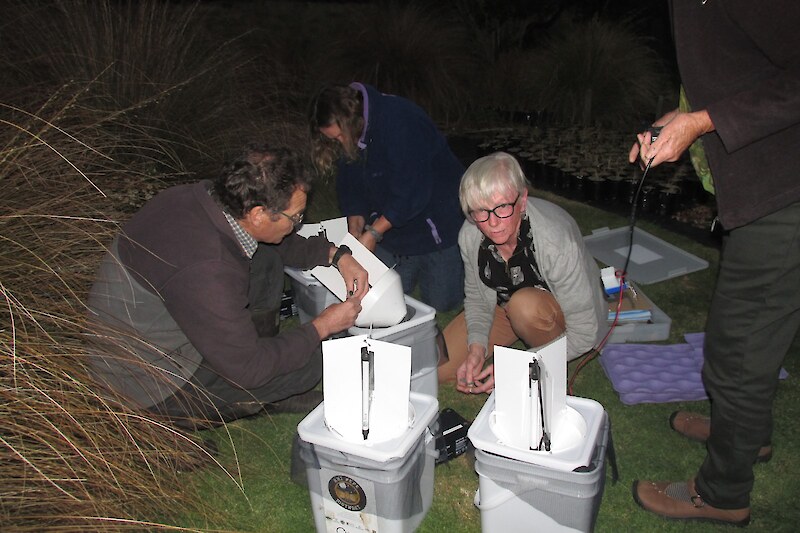
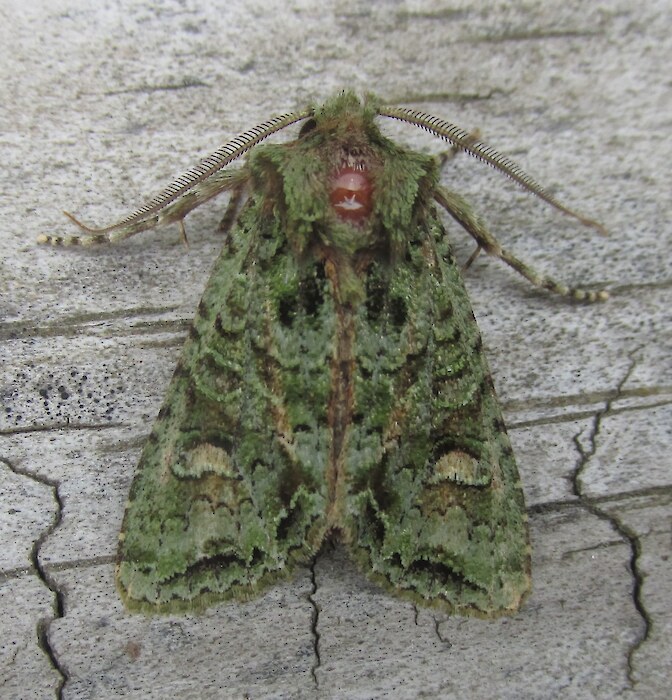
Being held at the Rances property in Otatara allowed the 12 students from Southland to closely observe and record their own perspectives of protected ancient forest, wetland, a large native restoration/ revegetation project and a diverse domestic garden. All are within easy reach of the purpose-built Southland focussed Education Centre. Moth traps (set up overnight), taxidermy creatures, books, magnifying glasses, white-boards, wonderful paintings, great coffee – all are at your fingertips. Jo and Sandra’s willingness to share their own extensive resources and their inspiration and passion.
Teachers, conservationists, an architect, a student and those of us just keen to learn more about our world and what makes it so special – thank you Jo and Sandra, Chris and Brian for a wonderful weekend. Thanks to the ILT Foundation for subsidising the workshops held at the Southland Community Nursery.
Linda Jackson
Posted: 10 March 2020
Wednesday 4 March - Minibeast Scavenger Hunt
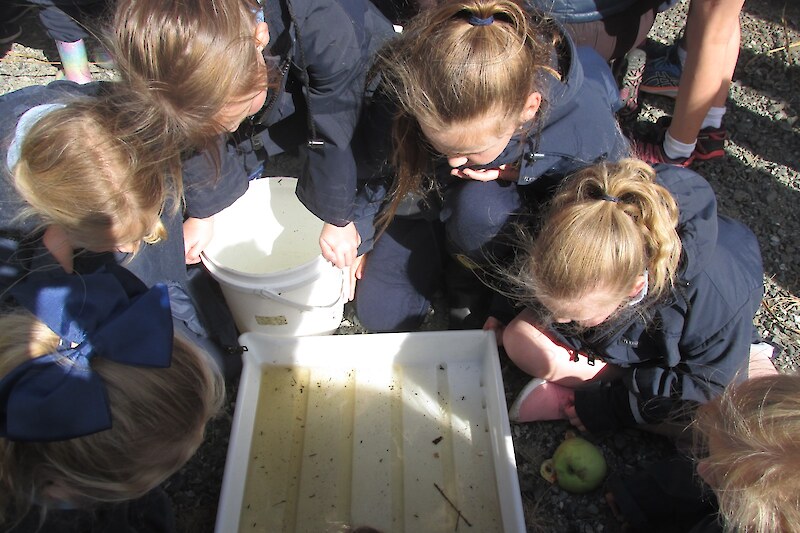
Around 50 St John’s junior students looked under rocks, shook trees, searched into half eaten apples, spotted in trees, looked in the worm farm and emptied the nets from the pond to find all the different kinds of environments that mini beasts live in. And they found that they live everywhere! In all kinds of habitats and environments - the kahikatea swamp forest, the restored forest areas, the pond, in and around the vege gardens and fruit trees in the orchard, and in the worm farm (and there were not only worms here but slaters and ants too!). The numbers of legs were counted, noting that insects have 6 legs, while slaters have more than 6 legs. The discarded exoskeletons were found and studied, with wondering about what they might see when looked at even more closely back at school under the microscope. We looked at damselflies and dragonflies and found the water living larvae forms of both these insects - how amazing. Blood worms, water mites and boatmen were all found in the pond. A long nosed weevil, a black ladybug with two red spots, moths, a shield bug and spiders were all found.
Bronwyn
Posted: 8 March 2020
An all day visit by the Year 6 Pōkākā and New Entrant/Year 1 Miro buddy classes of Otatara school meant in depth learning about native tree species, in what environment they live and thrive in, identifying them and studying their features.
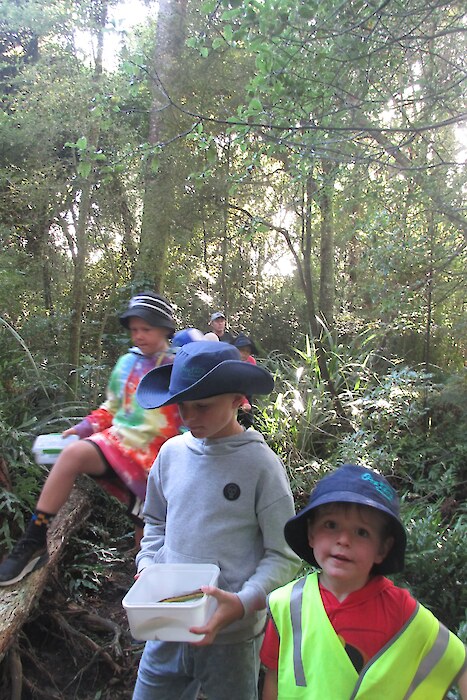
A walk in the remnant kahikatea swamp forest, and another in the restored forest area around the pond allowed for searching for their classroom tree species, and learning to identify a number of NZ native tree species. It was also a chance to learn about what lives in these two different habitats and making comparisons between them. We looked closely at the two habitats and how forests work - one day the restored forest will have canopy tree species like miro and pōkākā growing. We found divaricating and heteroblastic plants, with questioning and wondering revealing lots about these tree adaptations. We heard fernbird and saw a number of other birds.
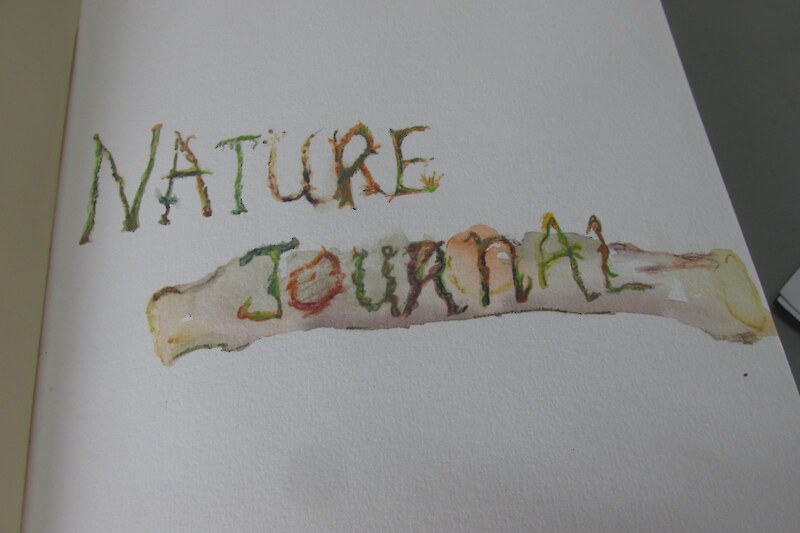
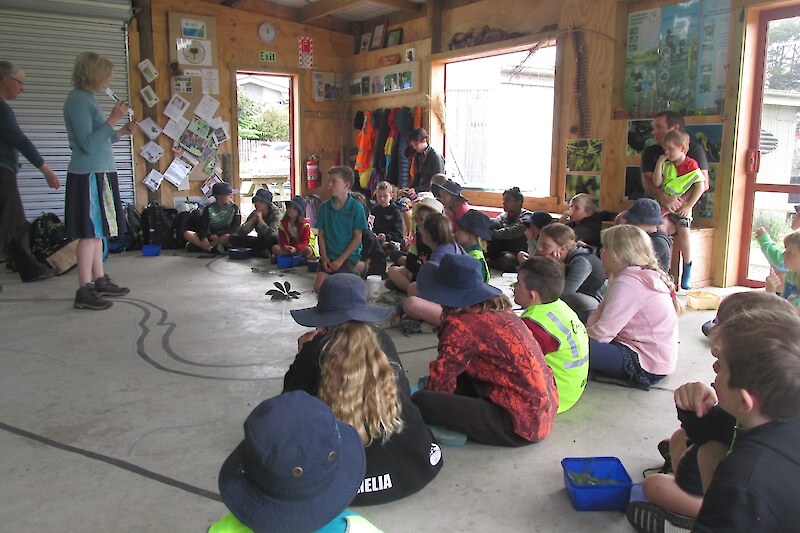
Back in the education centre we identified the leaves we had collected showing just how tricky it can be to identify plants which have similar looking leaves. Close up noticing and looking contributed to some awesome nature journalling and note taking about plants. We finished the day planting pōkākā and miro, and estimating and then measuring the height of these trees. Over time they will be measured to see how tall they grow.
Bronwyn
Posted: 3 March 2020
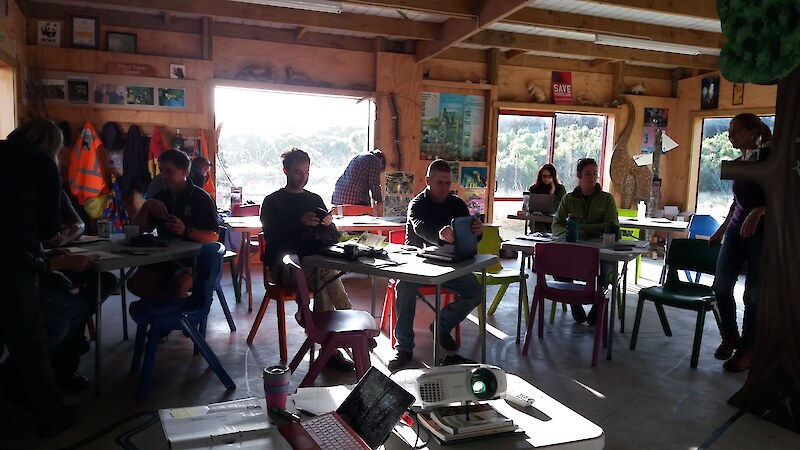
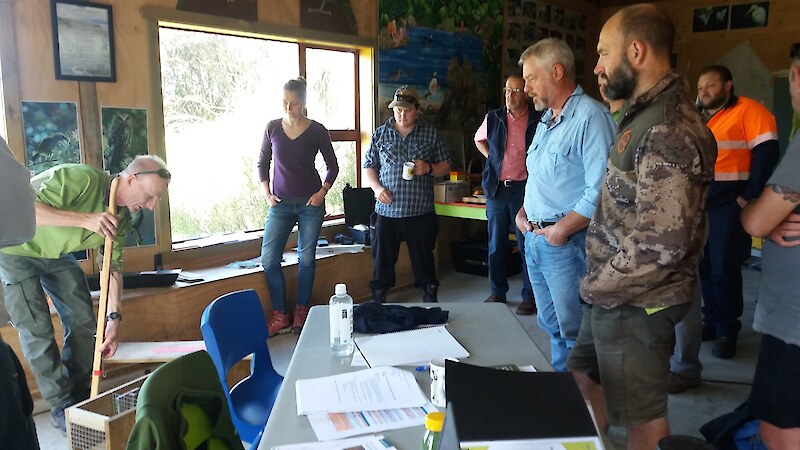
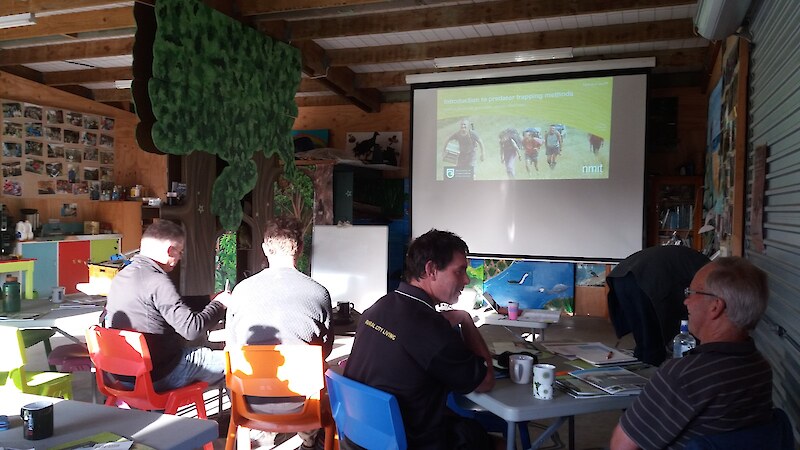
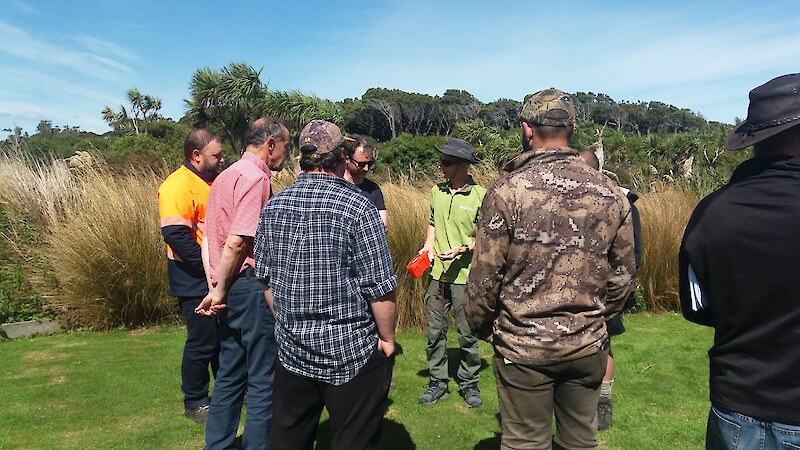
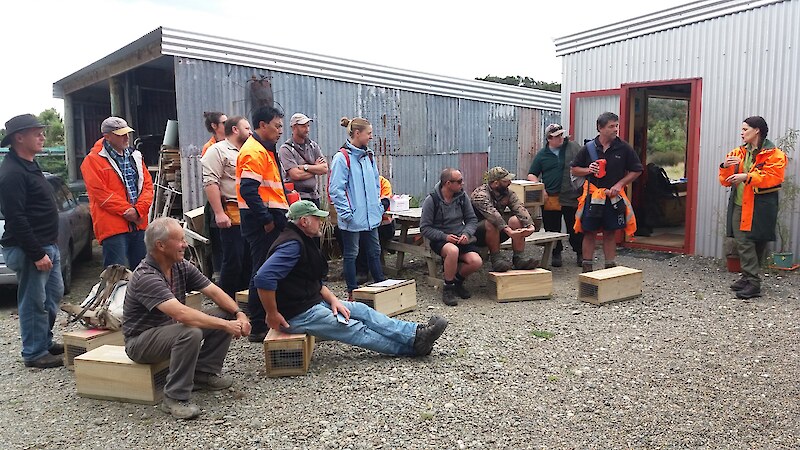
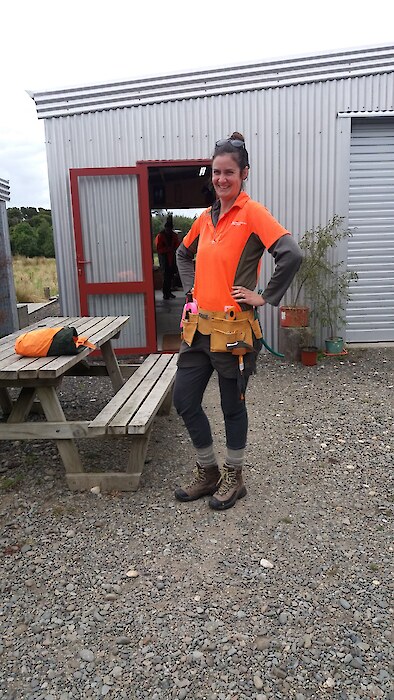
Not at the same time! On Monday and Tuesday 24/25th February the Education Centre hosted a two-day trapping workshop “Introduction to predator trapping methods”. The workshop is supported by Predator Free 2050 and was arranged by Ini-Isabee Gunn the Southland Coordinator.
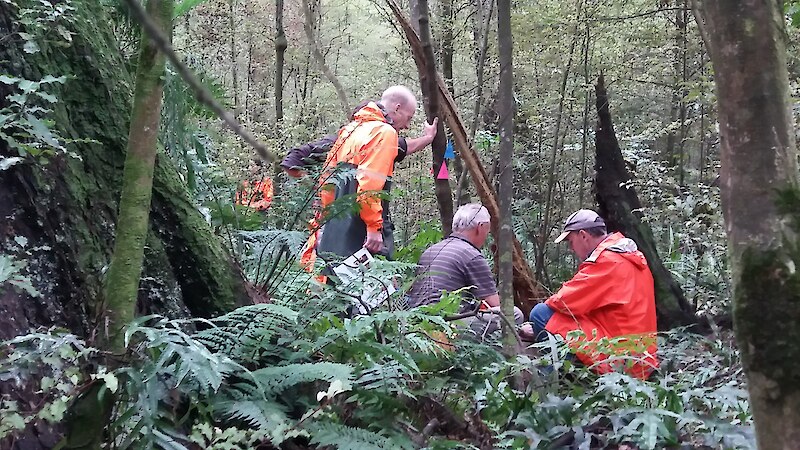
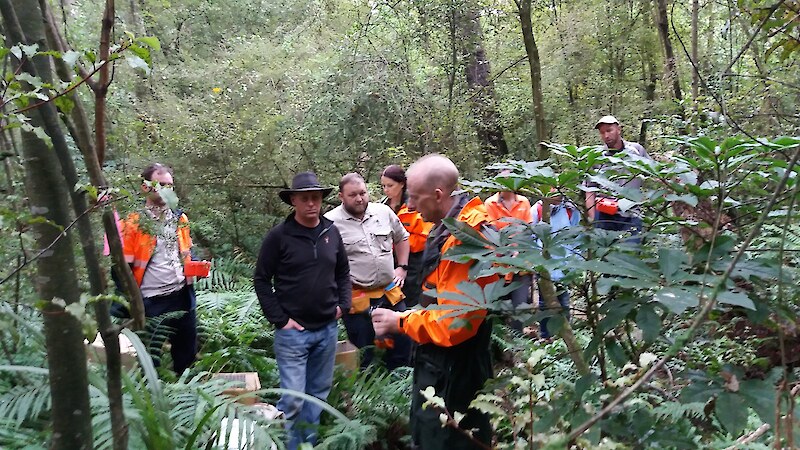
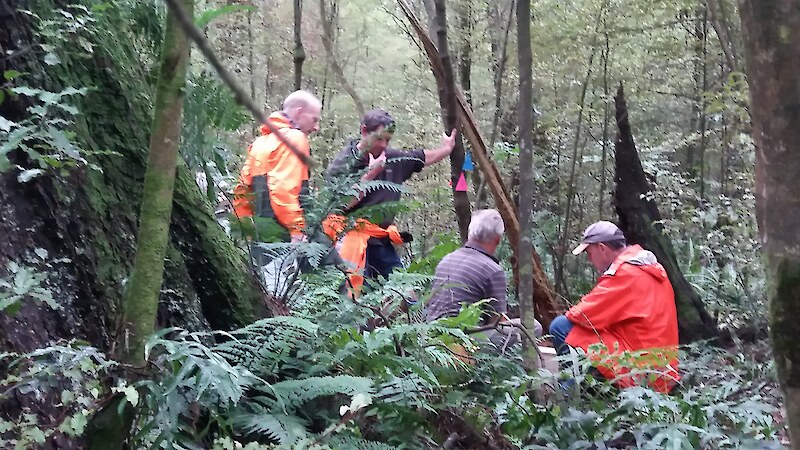
The workshop went through planning pest control operations, pest animal traits, field instructions, health and safety, examples of small and large-scale pest control and outcome and result monitoring. Then practical sessions on setting of various types of traps followed by outside practical sessions on setting up an actual trap line in Rances Bush.
The course was supported by a new (October 2019) guidebook – “Practical Guide to Trapping” published by Department of Conservation – a very useful resource for groups which can be found at https://www.doc.govt.nz/nature/pests-and-threats/predator-free-2050/toolkit-predator-free-2050/practical-guide-to-trapping/
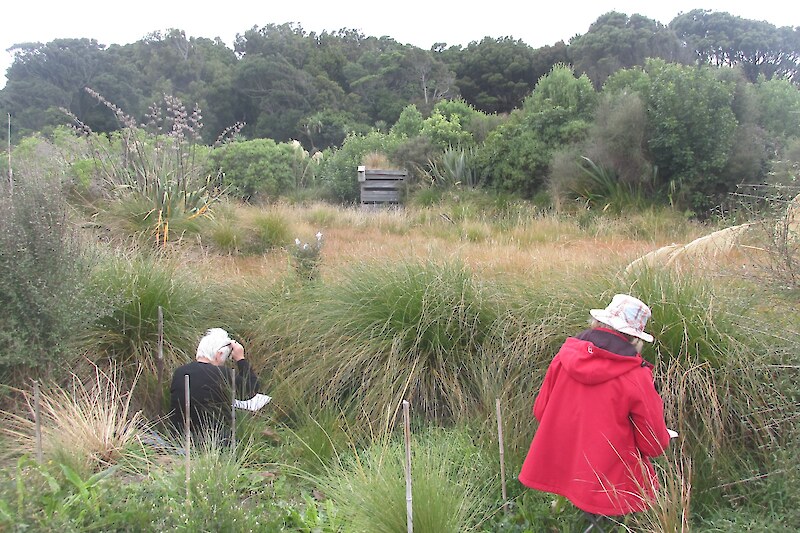
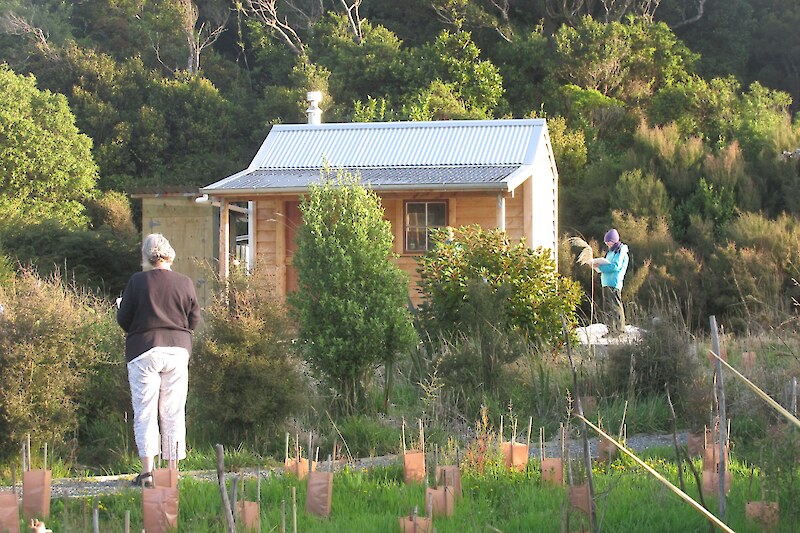
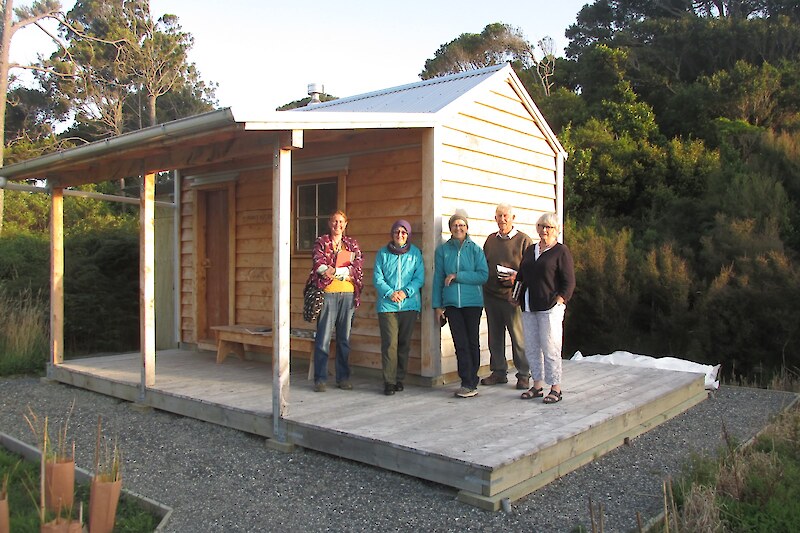
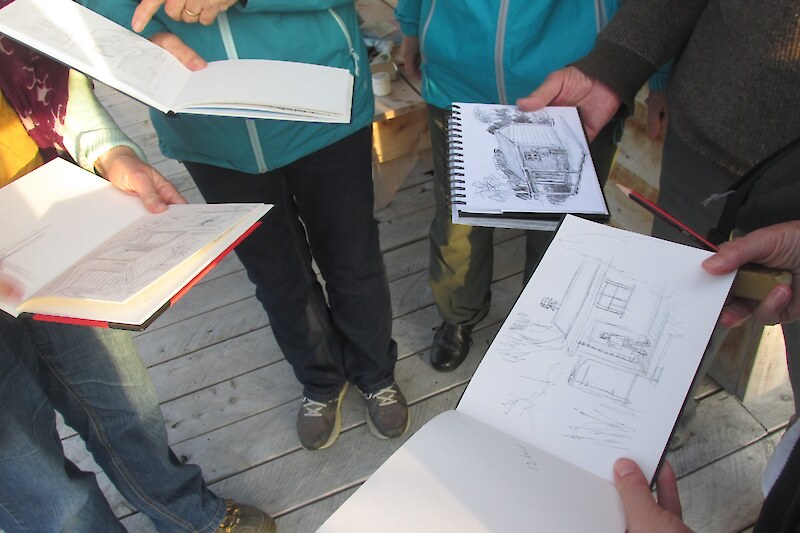
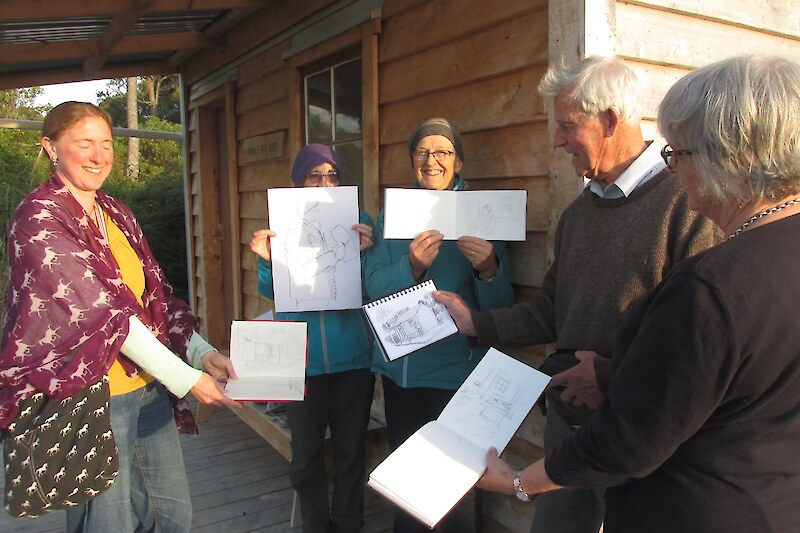
On the evening of 27 February 2020 the Southland Arts Society Committee met in the Education Centre. Following the meeting and shared tea the group ventured out into the outdoors and congregated at the new hut where members used the hut as their subject for some great artwork. We thought the hut would make a great “artist in residence” place for a few days – apply to Chris!!
Chris
Posted: 3 March 2020