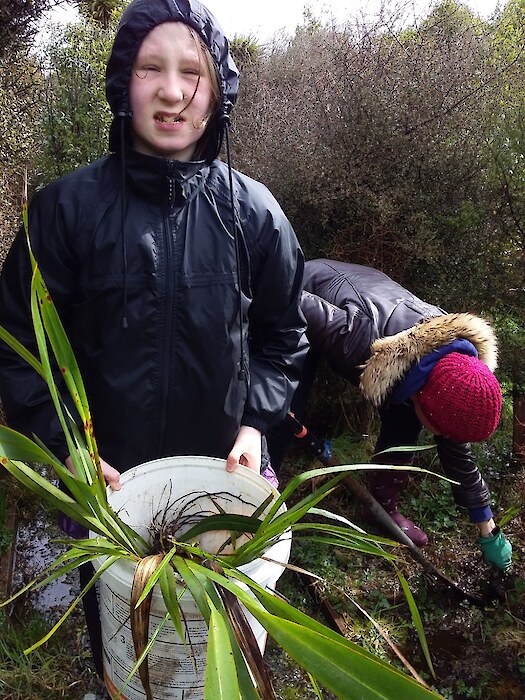
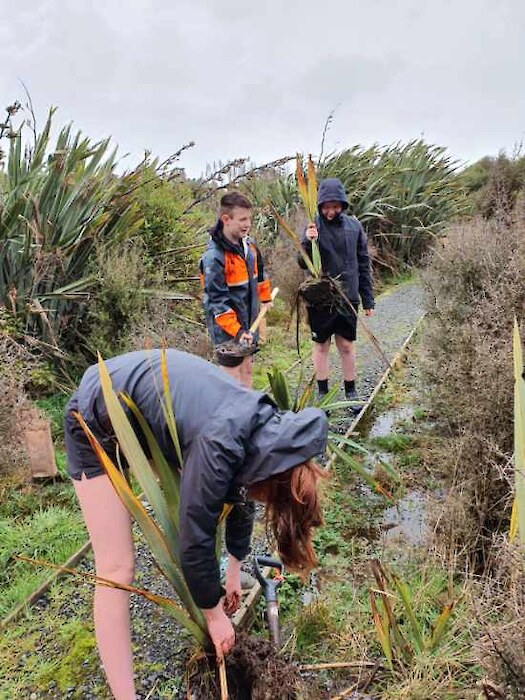
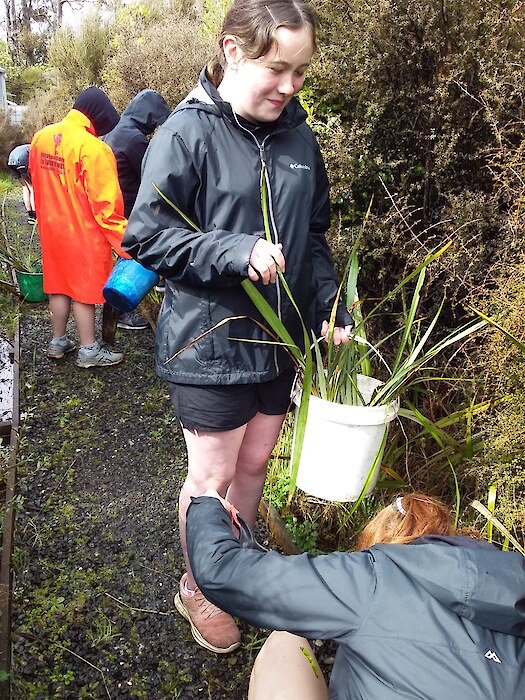
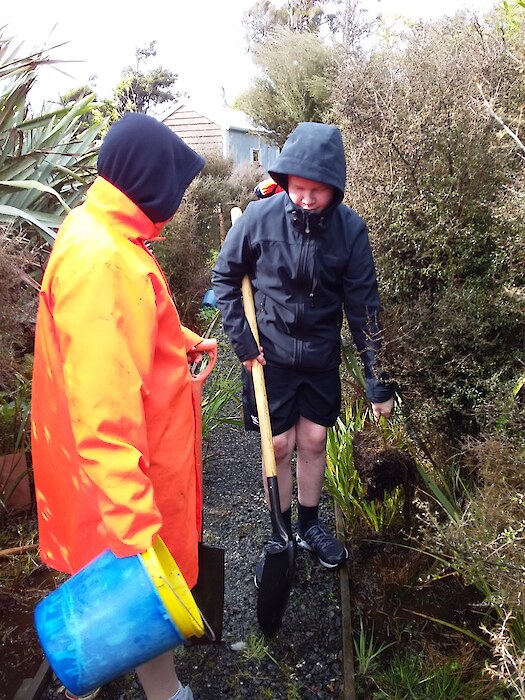
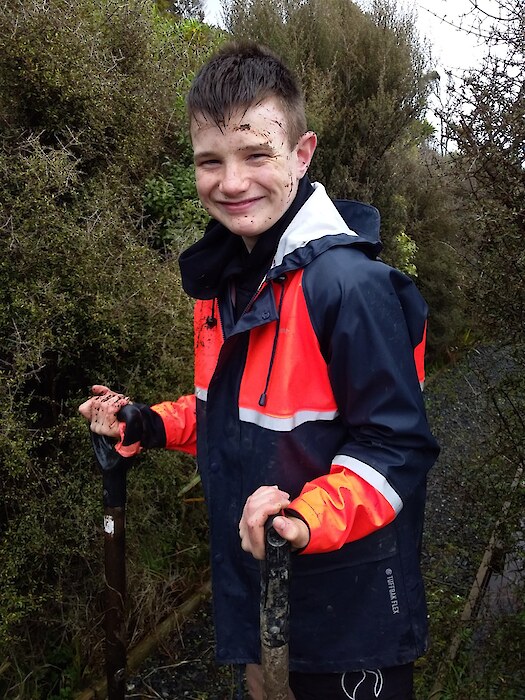
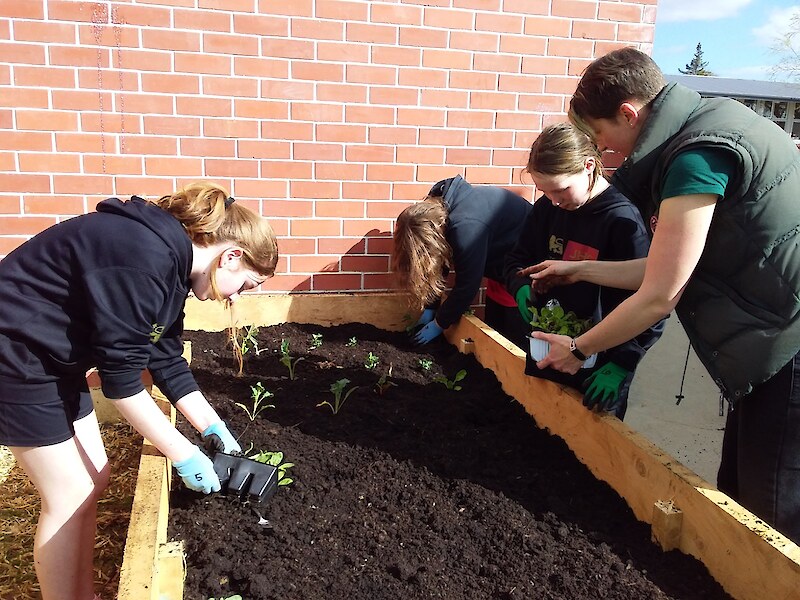
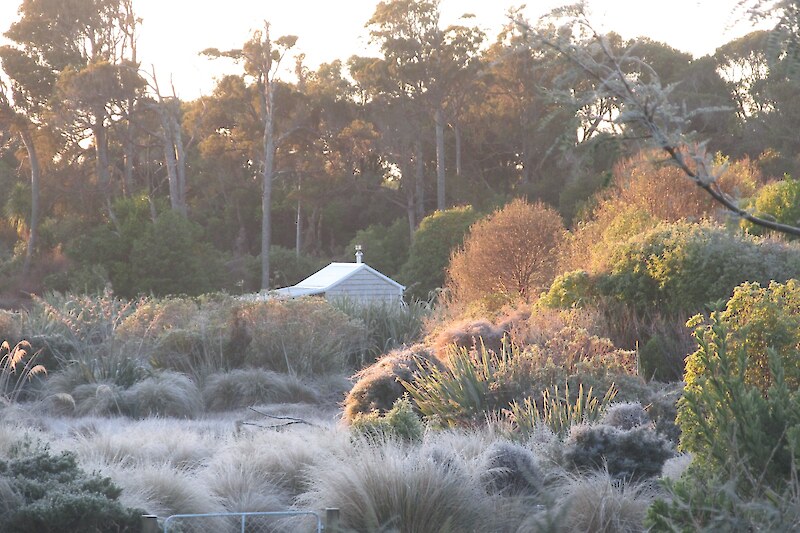
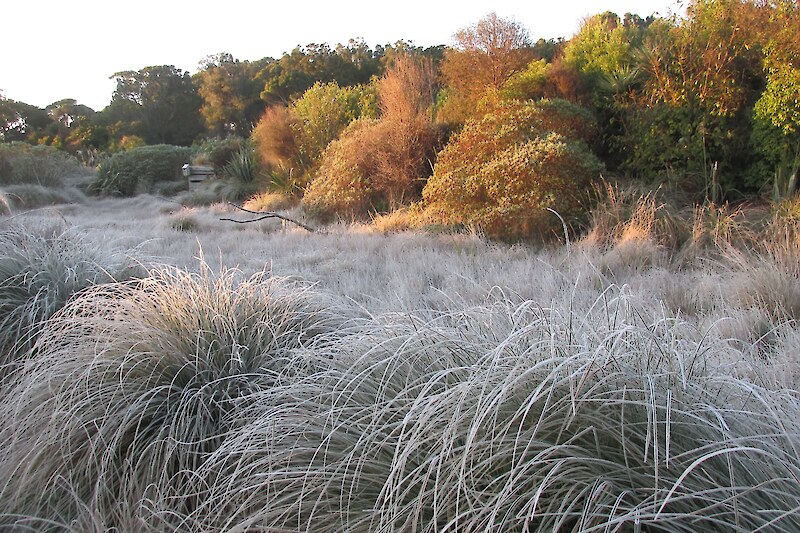
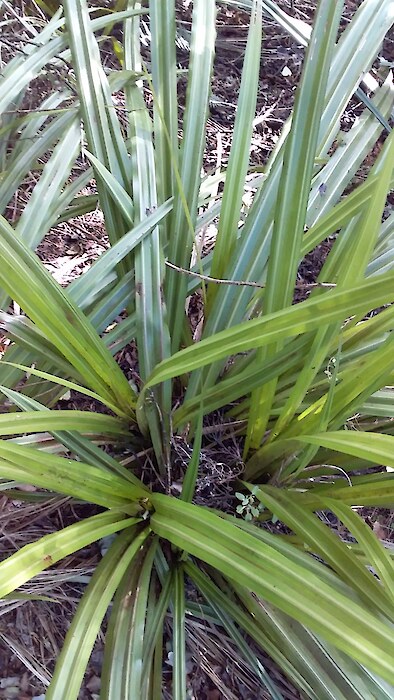
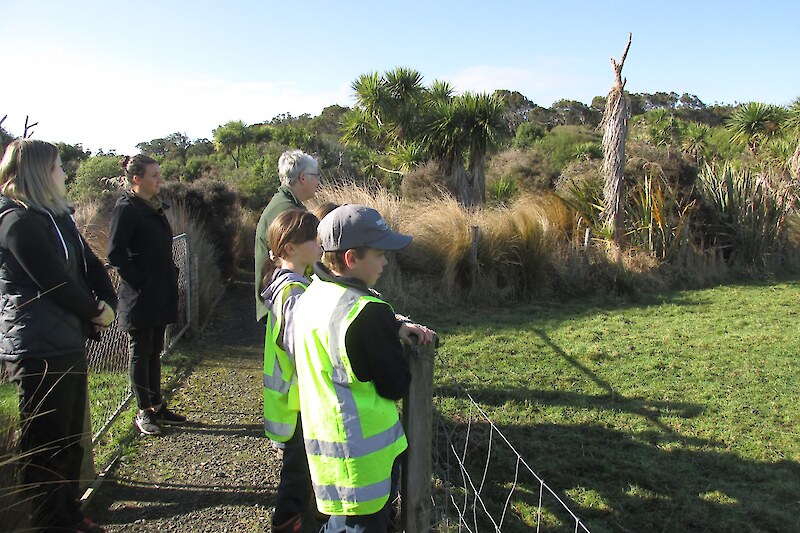
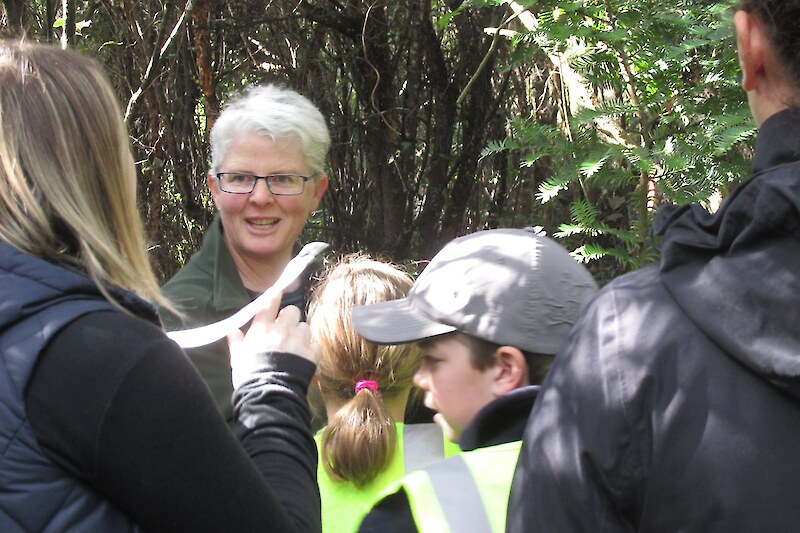
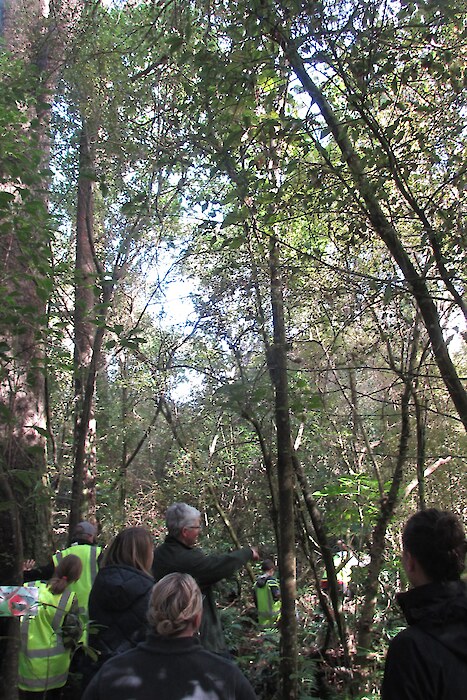
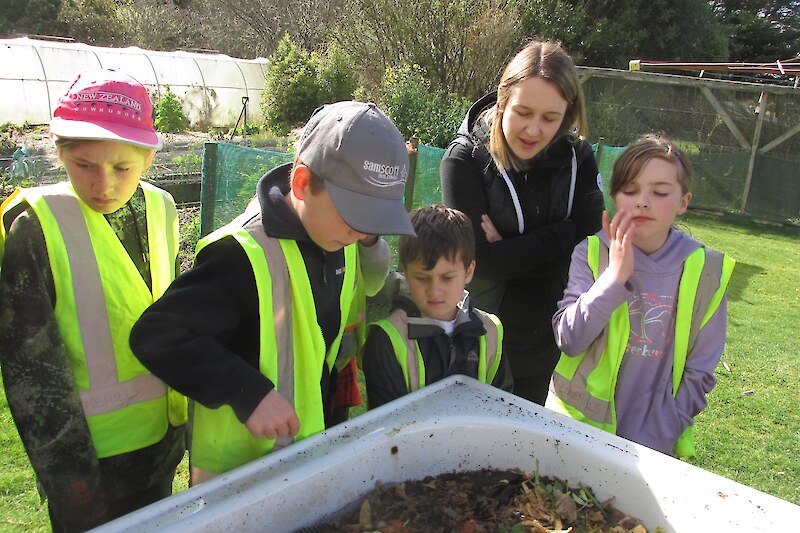
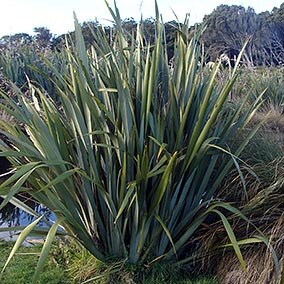
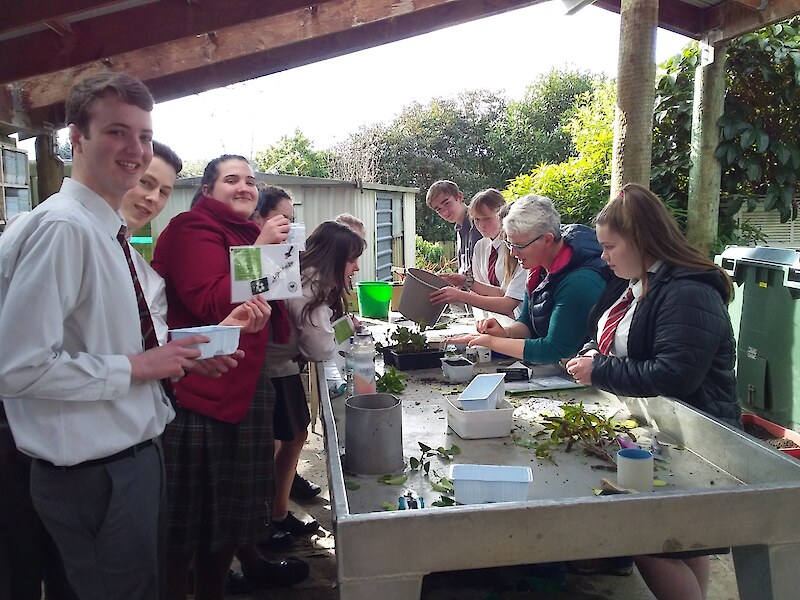
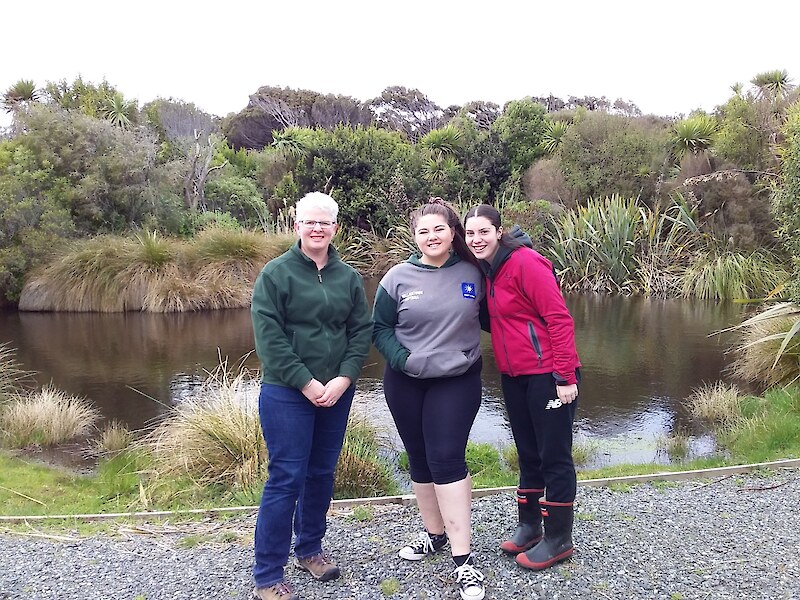
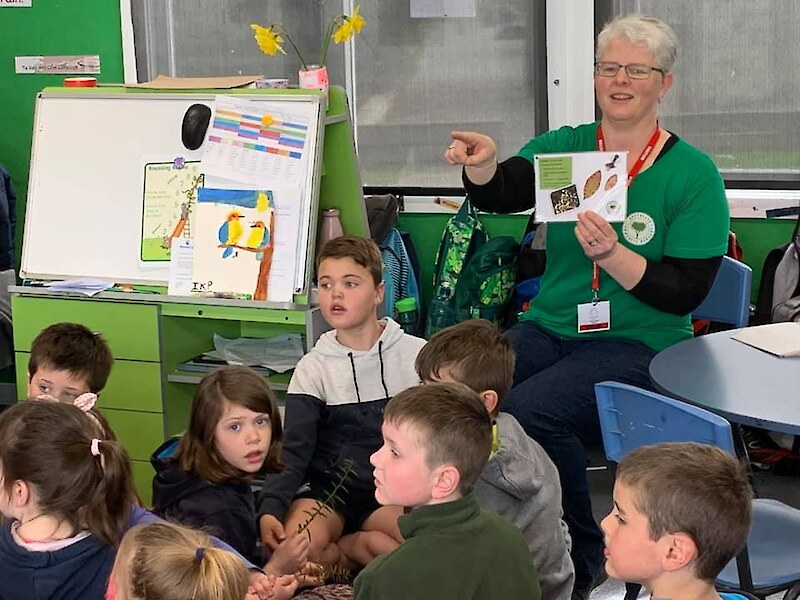
September 18 and it was still raining (after days of wet), the grounds were sodden, showing the true nature of the nursery’s kahikatea swamp forest! Dodging horizontal rain showers, sheltering in the bush and getting wet and dirty the Y.E.S collected self-sown harakeke to be given a new home back at the junior campus. This start to establishing a pā harakeke at the campus is another garden project following the squad’s success building and planting new edible/vegetable garden boxes on site. While at the Southland Community Nursery we also learnt a bit about flax, looking at the seeds and what critters live in this plant.
The Y.E.S team have spent all term 3 being inspired – by an earlier visit to the Southland Community Nursery (see 7 August 2020 story), participating in a planting along the Waihopai River, visiting Sister Judith Robinson’s and the Riverton community food forests, and surveying their own campus.
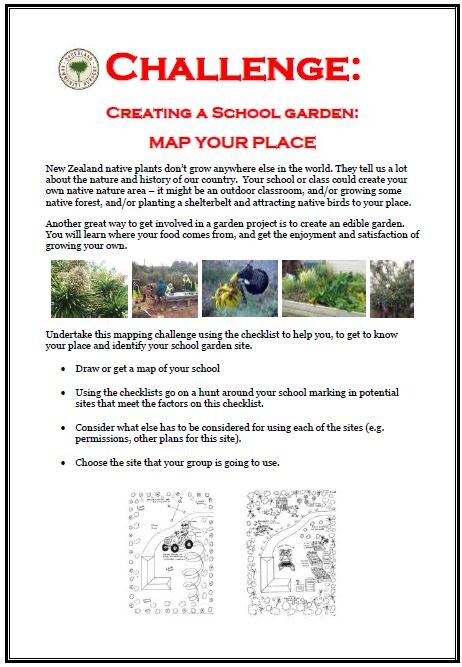
Try our latest School Nature Challenge: Creating a School Garden Area – Map Your Place – check out https://www.southlandcommunitynursery.org.nz/education-centre/activities/school-activities/
Bronwyn
Posted: 21 September 2020
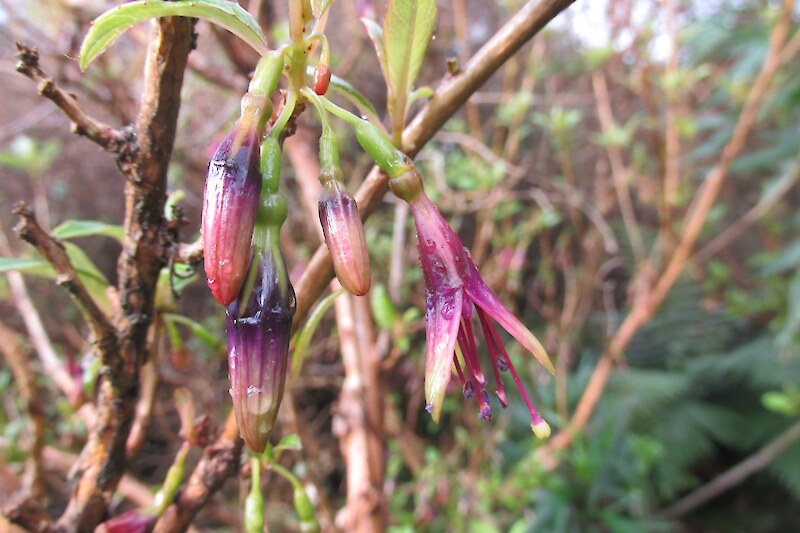
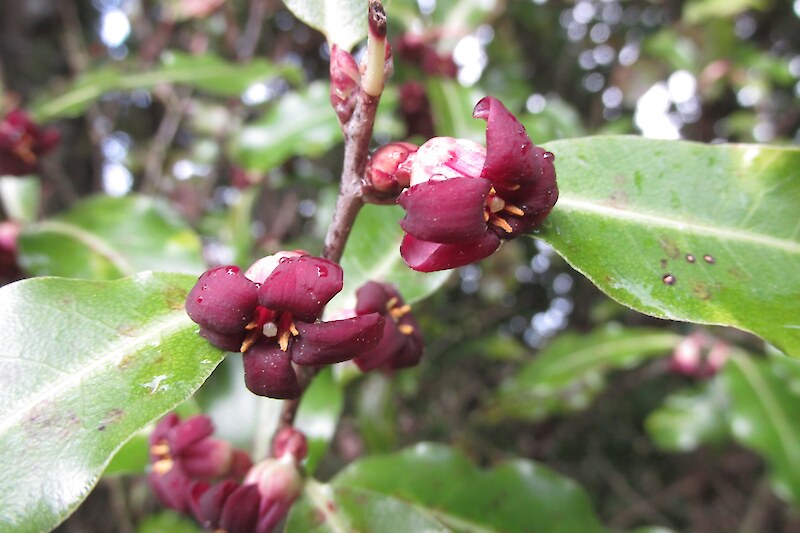
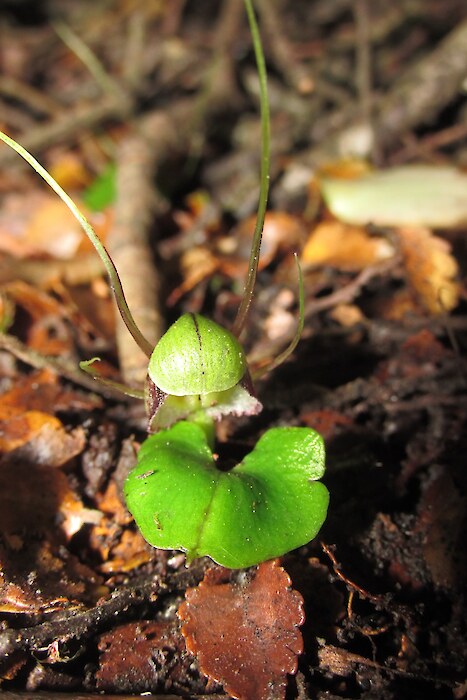
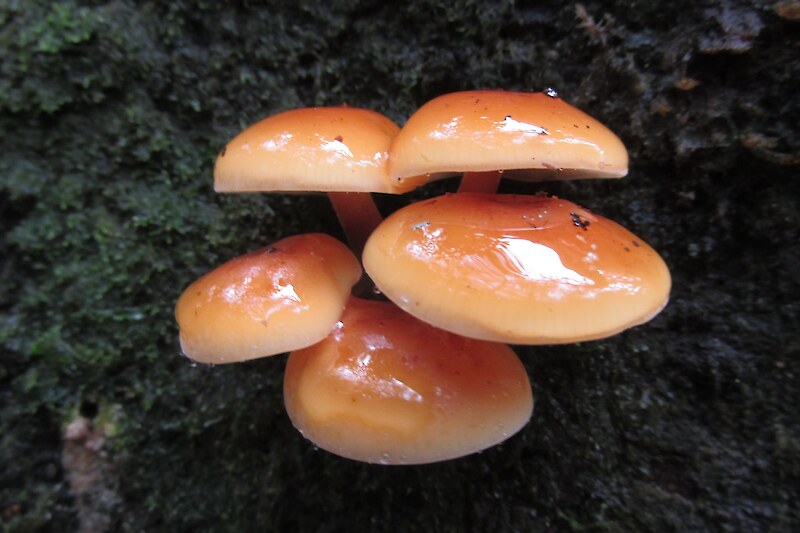
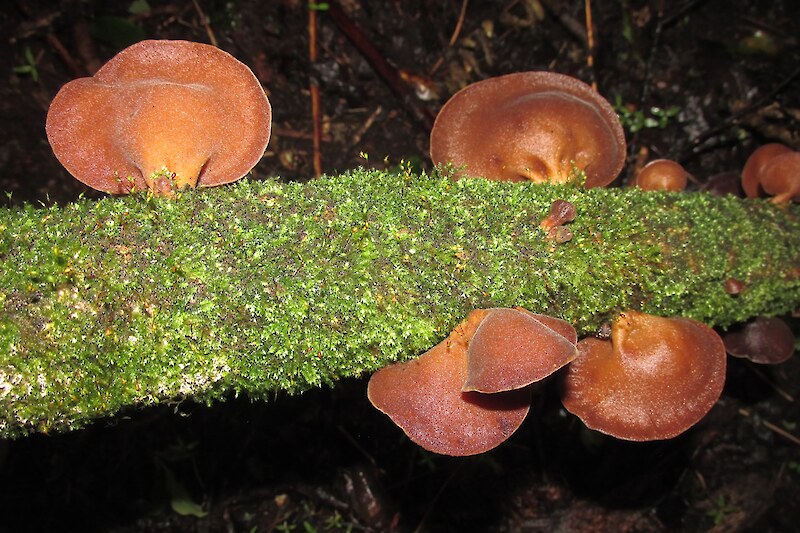
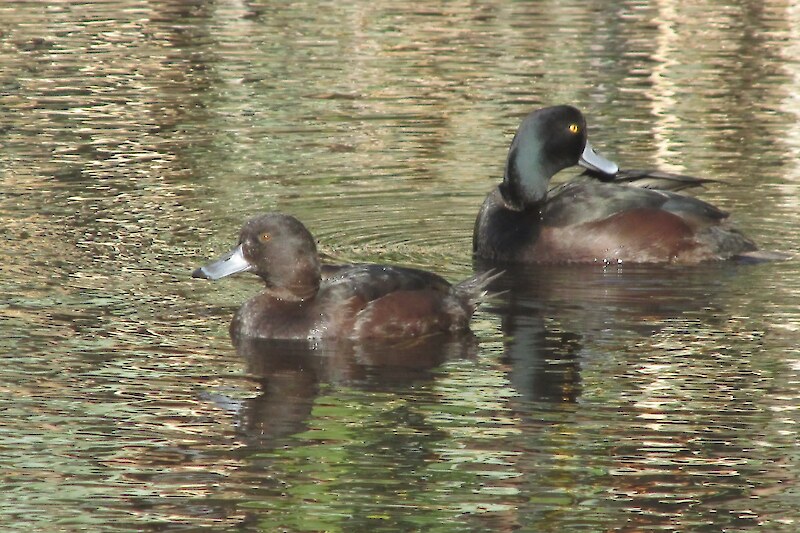
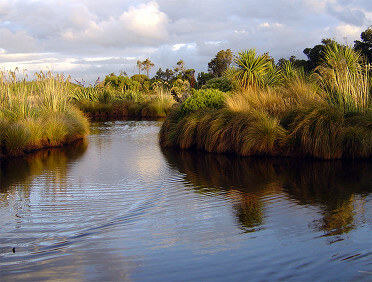
The Community Nursery is open again for volunteers on Friday morning 25 September 2020. Spring is in the air – although you wouldn’t know it today! When you are out in nature look out for the first flowers of the season – tree Fuchsia, kohuhu and the tiny spider orchid – recently seen at Bluff Hill. There are also a range of fungi out and the scaup (diving ducks) have recently come back onto our pond.
Being spring the seedlings are starting to poke through in the nursery, cuttings starting to get roots and there is lots of potting and weeding to be done as well as sorting bags from recent plantings, cleaning up the nursery and tracks.
See you there – see previous news story for covid requirements
regards
Chris
Posted: 15 September 2020
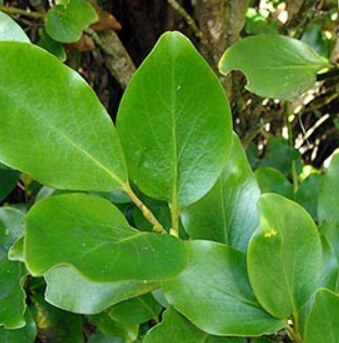
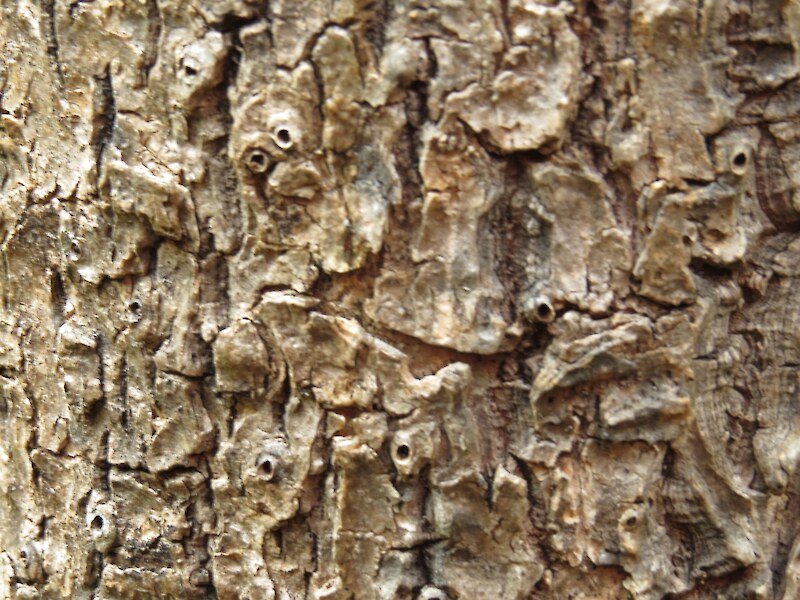
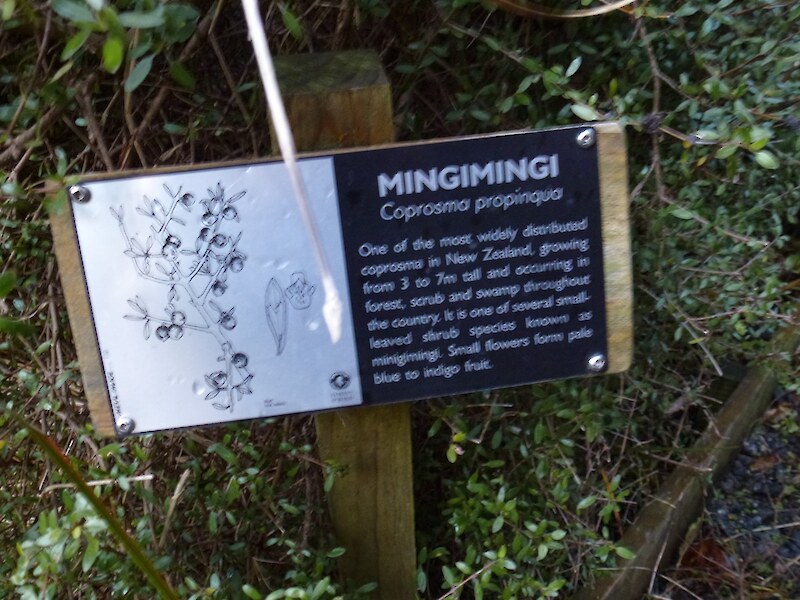
Friday morning was spent learning alongside a switched on and enthusiastic group from Limehills School. The students that visited have various roles back at school from planting and possum pest control - legends! Their visit focused on identification of New Zealand native plants and what kind of conditions each likes to live in. Looking closely at leaves, crushing leaves (the lemonwood was nice, whereas they didn’t like the stinkwood odour!), using bark and flowers to identify species were all used as we walked around in the pond restoration plantings and remnant bush. Acute observation skills were in play as differences between these two habitats were noticed and discussed. Signage around the tracks and nursery were looked at showing the different information that can be displayed about a plant, such as their different names (Te Reo Māori, common and scientific names). A look at the nursery plant propagation – seeds and cuttings – and potting up of last season’s manuka was followed by an impromptu play in the education centre using the tree and NZ native birds. I look forward to hearing and even seeing what Limehills School does next at their place.
Bronwyn
Posted: 14 September 2020
With Covid and alert levels restrictions to keep us all safe, education at the Southland Community Nursery has looked different. While small groups are still visiting we are rescheduling large school group visits, awaiting alert level 1. In the meantime I have also been visiting schools.
At Rimu School on the 19 August, without being able to experience first-hand the pond at the Southland Community Nursery along with its wetland plantings, we learnt about plants to plant around a wetland! With another group of students I got to see the area they have developed following their last visit to the Education Centre and work on native plant identification. It was great to see the areas Rimu School are developing at their place.
At the Senior campus of JHC on the 24 August hands on learning continued with the sowing of NZ native plant seeds. If you want to try this yourself – check out the “School Nature Challenge: Growing Native Plants from Seed” at https://www.southlandcommunitynursery.org.nz/education-centre/activities/school-activities/. The JHC group also learnt about taking cuttings of NZ native plants (and the time of year that is best to do this). This lesson on plant cuttings was successfully trialled using a newly created education kit for cuttings.
A SIT initiative with high school students continued on 4 September with a visit of this group to the Nursery for them to see all that we do – from plant propagation, wetland creation, to education.
On 25 August Chris and I visited Myross Bush School, discussing future planting plans with their Principal. This was followed up with a day long visit to school on 7 September with every student learning something new about the special kahikatea tree.
All term 3 I have been supporting the JHC Junior Campus sport and recreation Young Environment Squad (YES) group – more on this in a later story. I have also been making links with people and agencies on future education opportunities and events.
Connecting people with nature continues. I have had fun, been inspired, and seen action for the environment in schools as a result of this education outreach opportunity.
Bronwyn
Posted: 8 September 2020
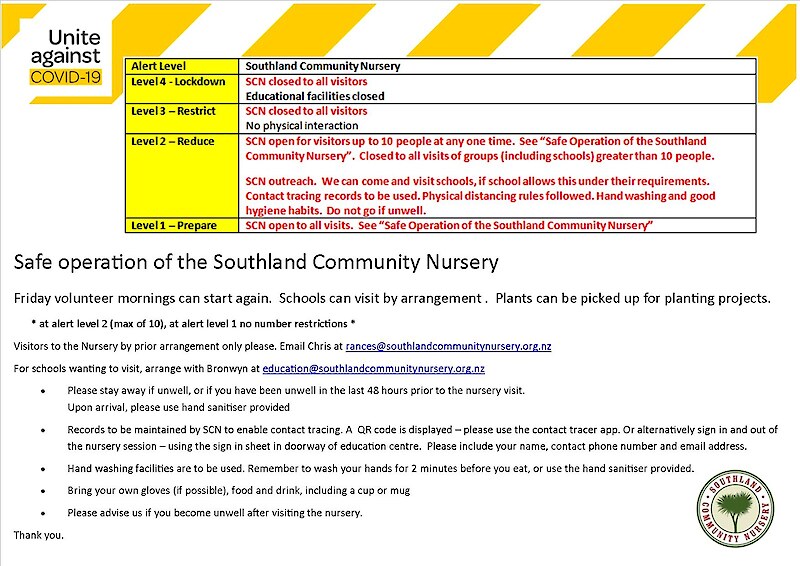
At level 2 the Southland Community Nursery is closed to large groups of visitors (including schools). We will open for small groups of 10 - please book below. While the education centre is closed, our educator can come and visit you and your class at school, if your school requirements allow this. Contact tracing, physical distancing rules, hand hygiene etc will be followed. To ensure group size restrictions are met please use the emails below for any proposed visits, plant purchases or workshops.
At level 1 the Southland Community Nursery is open to all visitors (Friday volunteer mornings, school visits and plant purchases).
Please follow this process prior to your visit to the Southland Community Nursery (at alert levels 1 and 2):
- Visitors to the Nursery by prior arrangement only please. Email Chris at [Enable JavaScript to view protected content]
- For schools wanting to visit, arrange with Bronwyn at [Enable JavaScript to view protected content]
- Please stay away if unwell, or if you have been unwell in the last 48 hours prior to the nursery visit.
- Upon arrival, please use hand sanitiser provided
- A QR code is displayed – please use the contact tracer app. Or alternatively sign in and out of the nursery session – using the sign in sheet in doorway of education centre. Please include your name, contact phone number and email address. For schools visiting, one contact person shall sign in and keep attendance records of students.
- Hand washing facilities are to be used. Remember to wash your hands for 2 minutes before you eat, or use the hand sanitiser provided.
- Bring your own gloves (if possible), food and drink, including a cup or mug
- Please advise us if you become unwell after visiting the nursery.
Thank you.
Posted: 1 September 2020