
Plants that tolerate wet conditions and exposure to full sun and wind are necessary for wetland restoration. Using a small range of Southland species you will have most success. It is important to follow the stream profile diagram (below) for the placement of plants closest to the water.

The following is a list of Southland native plants that thrive in wet places and are the most suitable for Southland.
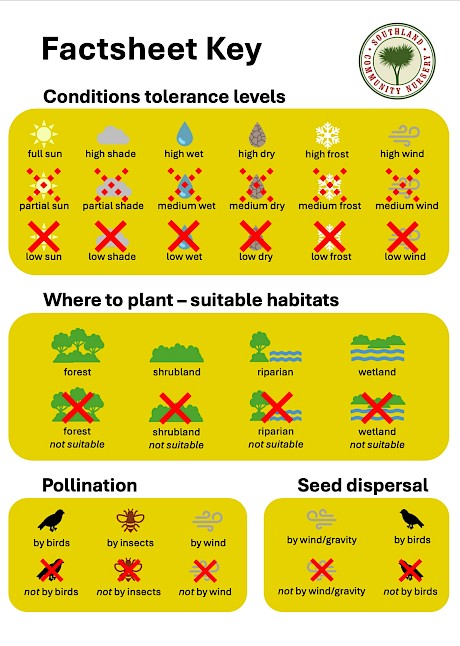 Factsheets
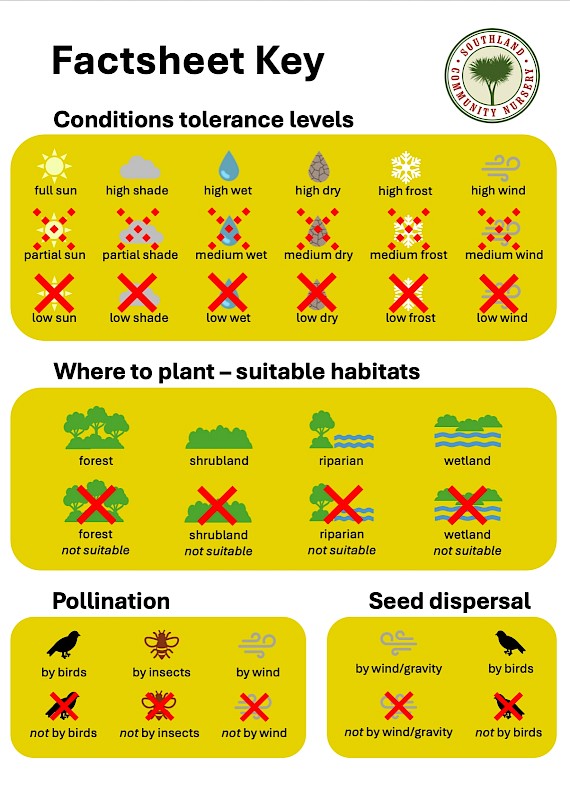
We have developed a series of factsheets that provide more detail for each species.
Download the factsheets to find out:
- Conditions tolerance levels (sun, shade, wet, dry, frost, wind)
- Where to plant - suitable habitats (forest, shrubland, wetland, riparian)
- Pollination (by birds, insects, or wind)
- Seed dispersal (by wind/gravity, or birds)
See our key to factsheet symbols.
Recommended plants
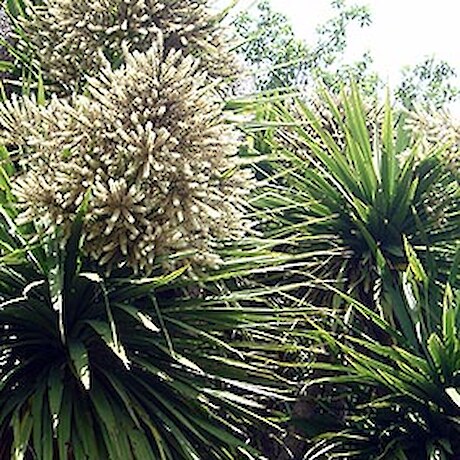
Cabbage Tree / Tī Kōuka (Cordyline australis)
- Height: Up to 20 metres.
- Form: Distinctive palm-like tree, unbranched trunk in young tree and branching in the upper half of older trees.
- Bark: Grey, thick, corky and rough.
- Leaves: Mass of long leaves (up to 1m) at the end of stems.
- Flowers: Small, sweet scented, white, in panicles up to 1m long.
- Fruit: Whitish berries becoming dry.
Download the factsheet to find out more.
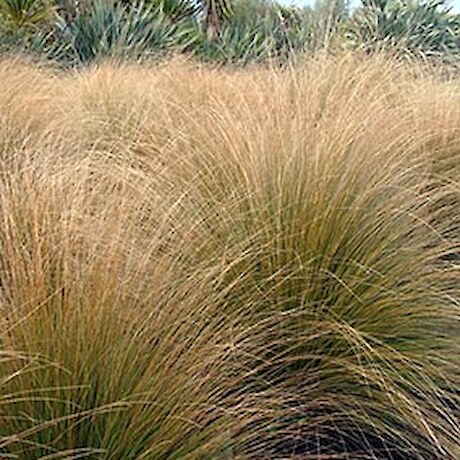
Copper tussock (Chionochloa rubra subsp. cuprea)
- Height: 1 - 1.5 metres.
- Form: Tall tussock.
- Leaves: Long, rigid, rolled, red-brown.
- Flowers: Large spikelets.
Download the factsheet to find out more.
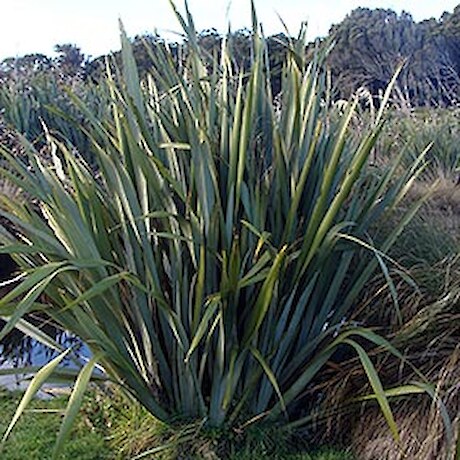
Flax / Harakeke (Phormium tenax)
- Height: 1-3 metres.
- Form: Robust, fan-like clumps of leaves.
- Leaves: Long and fibrous.
- Flowers: Stalk, 3-5m tall, reddish or orange-yellow flowers.
- Fruit: Dark seed capsule with glossy black seeds – upright pod.
Download the factsheet to find out more.
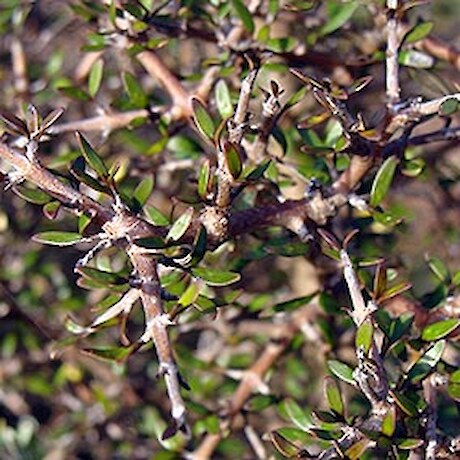
Mingimingi (Coprosma propinqua)
- Height: Up to 5 metres.
- Form: Bushy tangled dark shrub.
- Bark: Grey.
- Leaves: Small, dark green, thick, paler underneath.
- Flowers: Solitary or in clusters, male and female on separate plants.
- Fruit: Translucent blue, flecked with darker blue.
Download the factsheet to find out more.
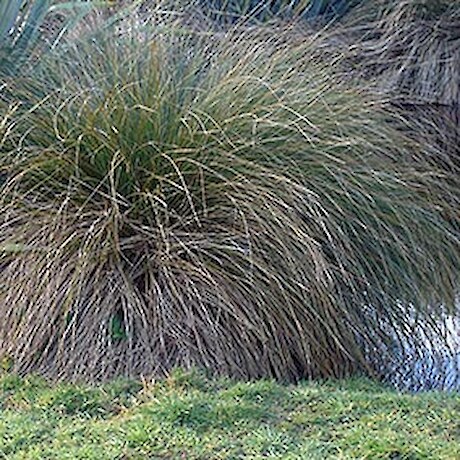
Purei / Pukio / Ballerina Sedge (Carex secta)
- Height: Up to 1.5 metres.
- Form: Harsh, spreading tussocks on trunk-like base.
- Leaves: Thin (3-7mm), cutty, drooping.
- Flowers: In spikes - drooping.
Download the factsheet to find out more.
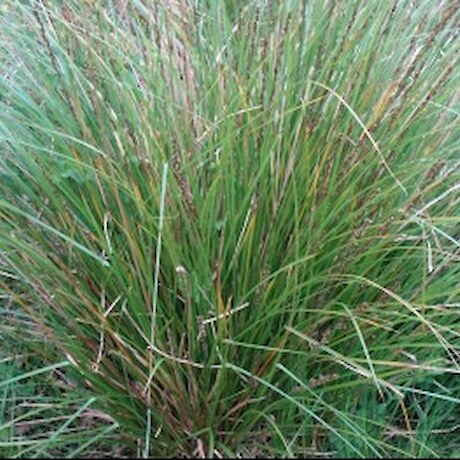
Pukio / Swamp Sedge (Carex virgata)
- Height: Up to 1.0 metre.
- Form: Dense, harsh, spreading tussock (no trunk).
- Leaves: Thin (2-4mm), cutty, drooping.
- Flowers: In spikes – not drooping.
Download the factsheet to find out more.
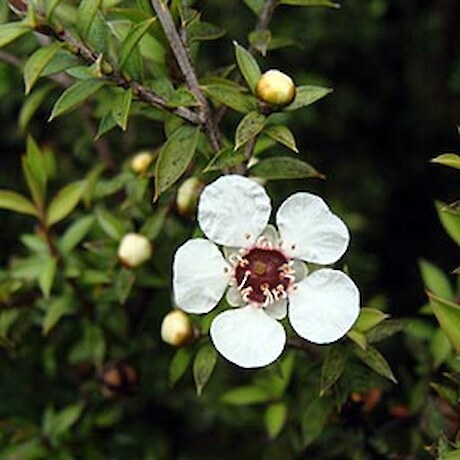
Tea Tree / Mānuka (Leptospermum scoparium)
- Height: Up to 8 metres.
- Form: Large shrub or small tree.
- Bark: Stringy grey-brown bark, peels off in long strips.
- Leaves: Small, prickly to touch.
- Flowers: Masses of white flowers.
- Fruit: Characteristic woody seed capsules.
Download the factsheet to find out more.
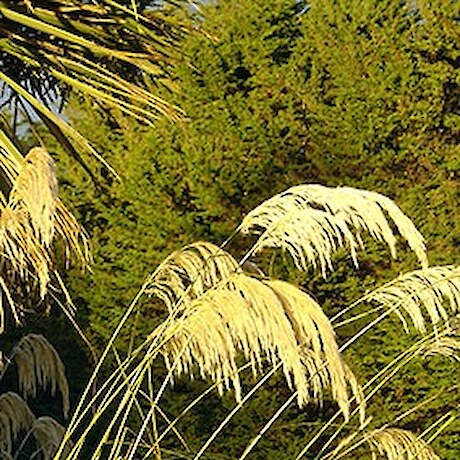
Toetoe (Austroderia richardii)
- Height: 1 metre or more tall.
- Form: Very robust tussock, coarse.
- Leaves: Long, grass-like, green, rough to touch.
- Flowers: Heads reach up to 2m tall, white and feathery.
Download the factsheet to find out more.