Native Plant ID Course – 10 April 2017
On 10th April 2017, Jesse Bythell and Chris Rance welcomed eleven Southern Institute of Technology first year Environmental Management students to the Plant ID Course at the Community Nursery. Based on the NZPCN two day course, this cut-down single day version concentrates on Southland species with classroom, field component and plant ID exercises. Feedback from the students was very positive and lots of enthusiasm was shown.
Kahui Manu – seed collecting – Thursday 6th April 2017
An enthusiastic group of 20 Home Based students enjoyed a run around seed collecting expedition recently. Chris led the group around the pond track where sticky kohuhu seeds, flax, mingimingi and cabbage tree were collected. These were then looked at in the Education Centre and a few were taken home to grow.
Weaving around! Saturday 1 April 2017
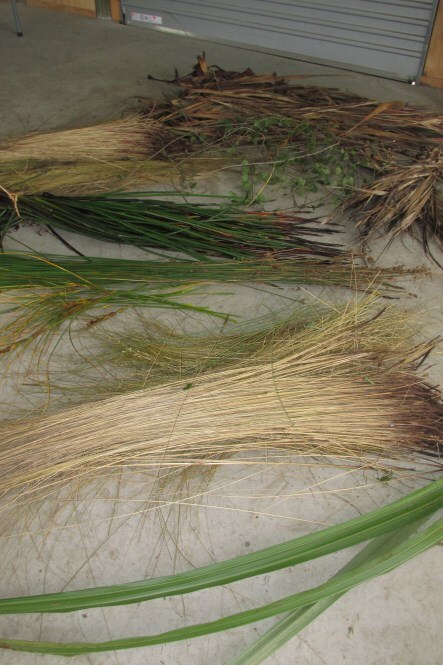
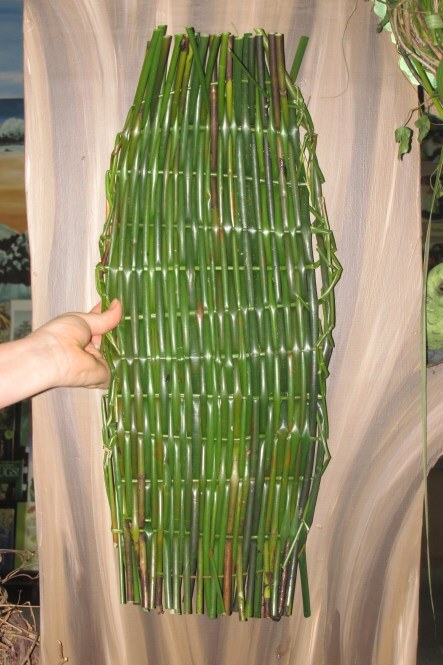
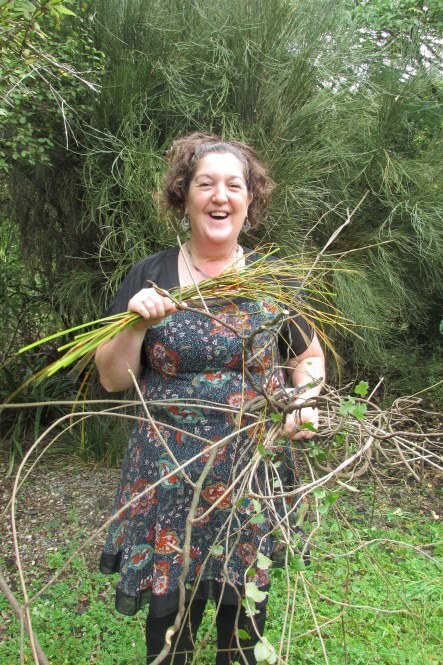
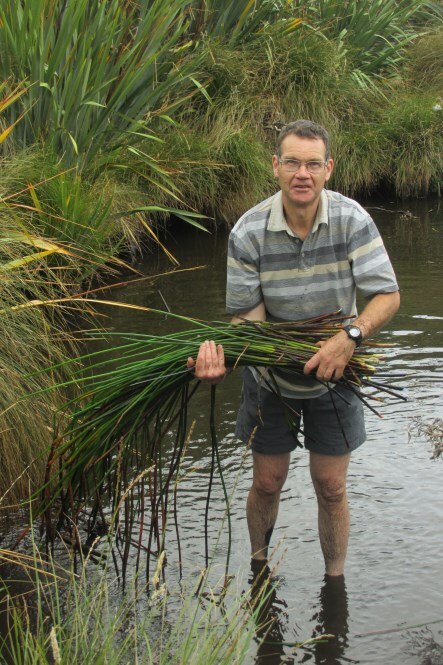
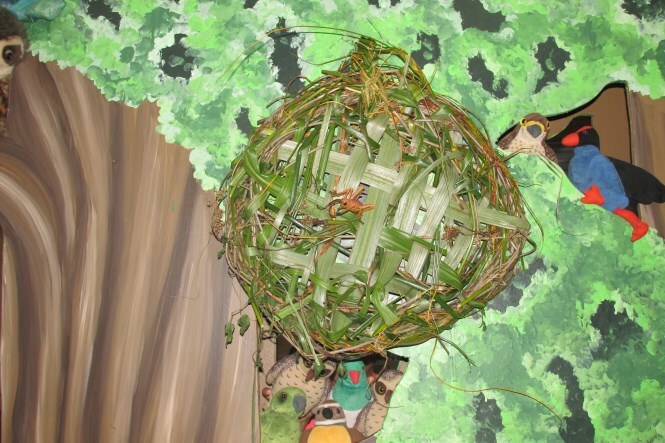
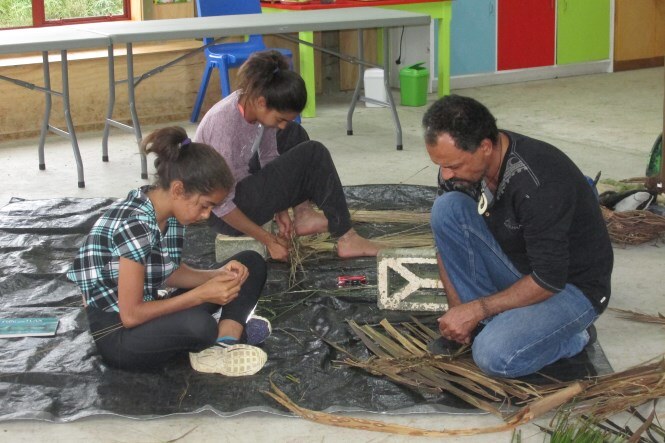
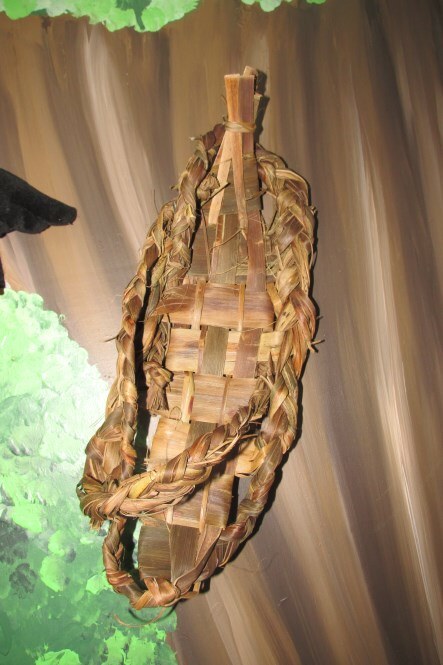
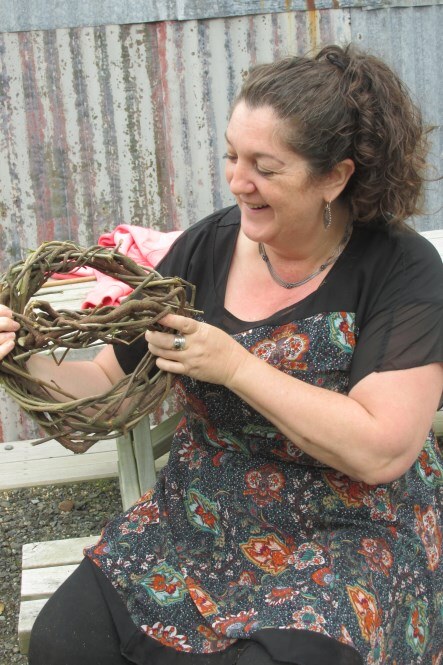
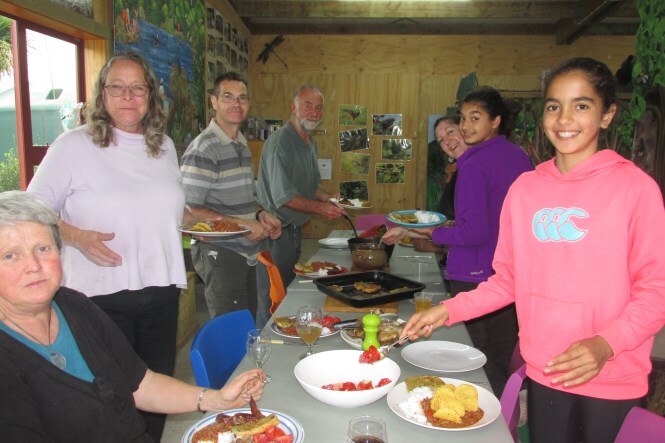
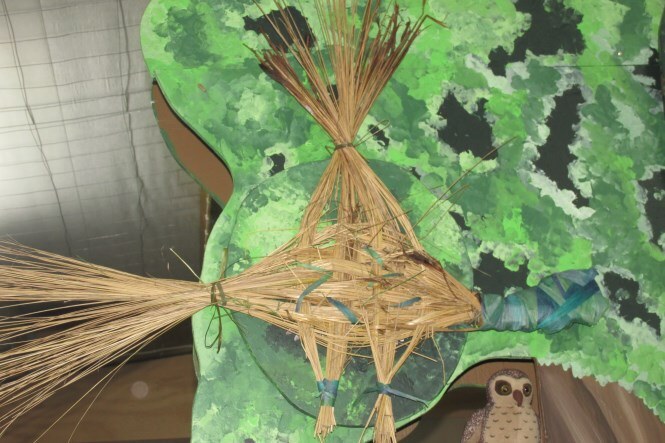
On Saturday 1 April we had an informal weaving day. Collecting lots of natural materials – from giant spike rush in the pond (kuta), Muehlenbeckia, rushes, tussock, harakeke – some interesting articles were made, before sharing a pot-luck feast! Food for thought for a weaving workshop to come.
Chris
Posted: 11 April 2017
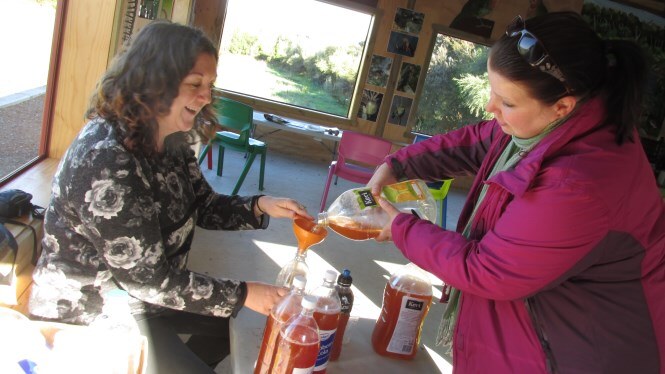
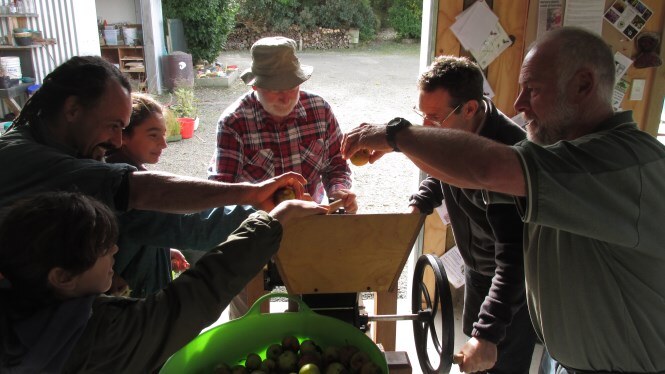
The next event on the Community Nursery Calendar is Apple Pressing with Malcolm McKenzie again bringing his cider press to the Community Nursery. The pressing will take place 1-3pm and if you have picked apples already you can freeze them but make sure you completely thaw them before the day. By freezing the apples you will get more juice and a clearer juice - dont forget to bring along your own containers for the juice. Its a great event - come and join the fun and bring along some afternoon tea to share (even if you dont have any apples!).
Chris
Posted: 11 April 2017
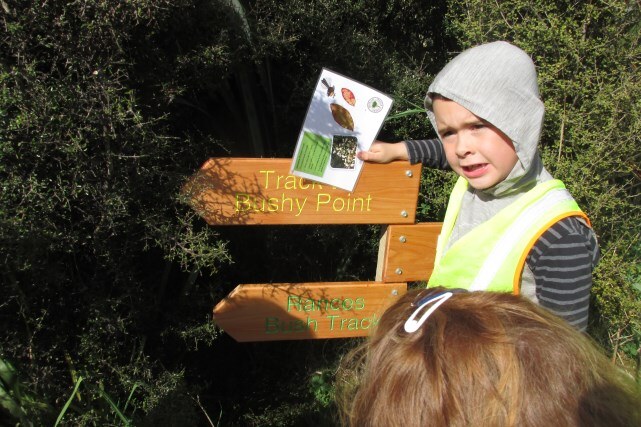
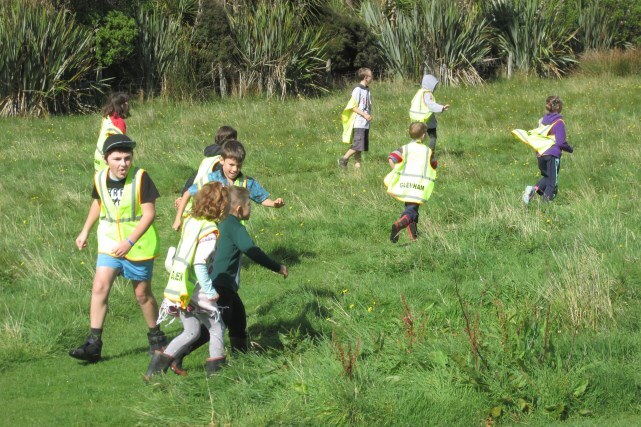
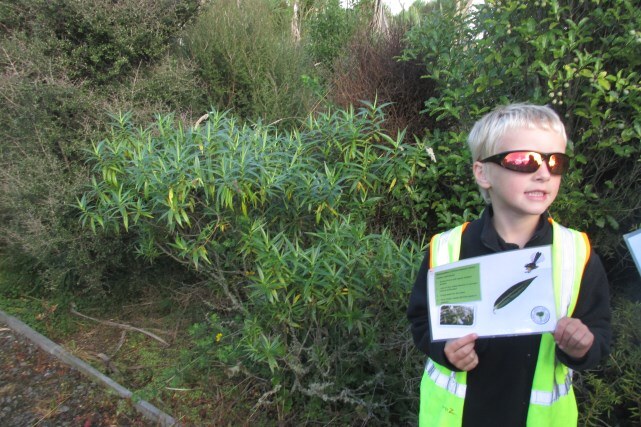
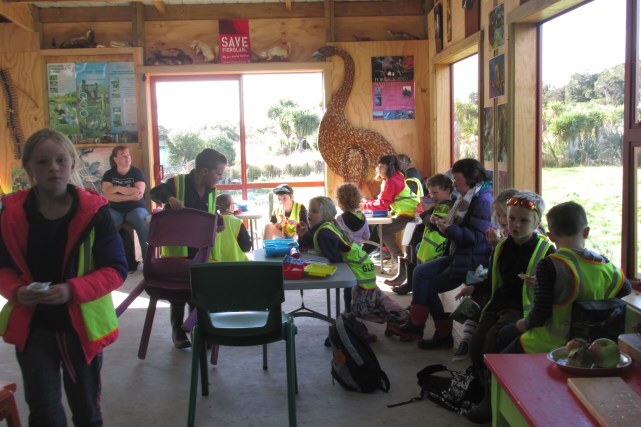
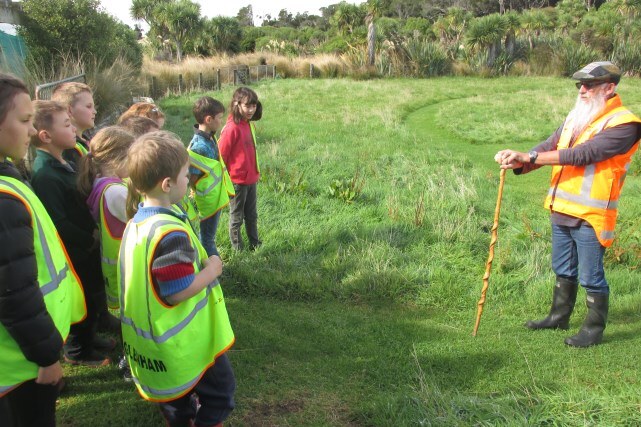
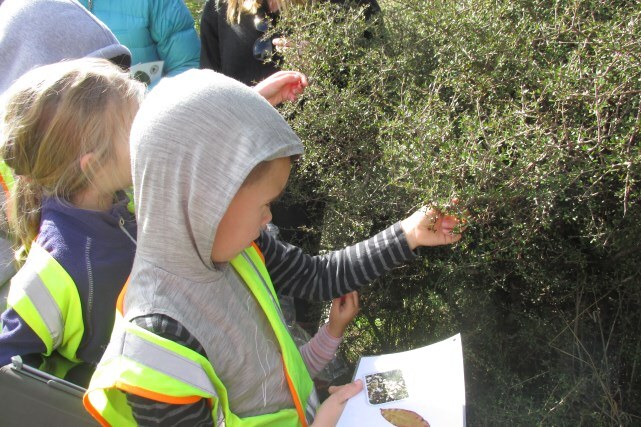
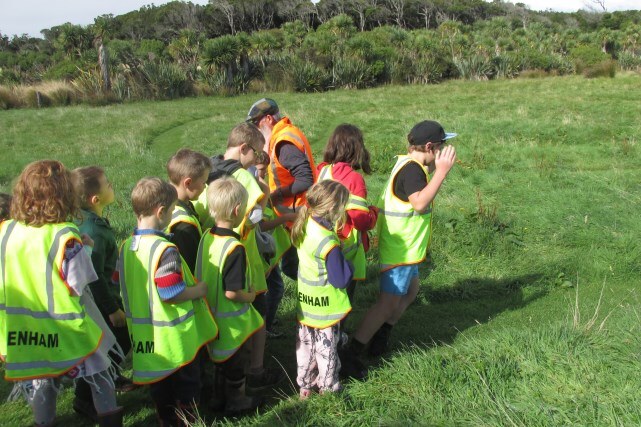
Around 40 students from Glenham School arrived at the Community Nursery on Monday 3rd April, all ready to study native plants. Glenham students are in the happy position of having wonderful supportive farmers on their doorstep – David and Alana Clark. They have allowed the Glenham School to adopt an area of their farm, with a stream, to revegetate and turn into a place for wildlife. The children came armed with lots of knowledge and good questions as we looked at the “big picture” for making a nature area and then delved into the ways to make it happen! Mark Oster showed the children the big picture ideas of turning a paddock into bush, looking at Rances pond and planting areas and then exploring the tall bush. Meanwhile Chris led a group of seed collectors – finding, identifying and collecting seeds from flax (black seeds in black pods), Manuka (brown seed capsules), kohuhu (sticky black seed), koromiko (pods not ready yet), mingimingi (blue berries), Cabbage tree (white berries), to name but a few. Back at the Education Centre we looked at the seeds in more detail and talked about growing the plants that would be needed for their project.
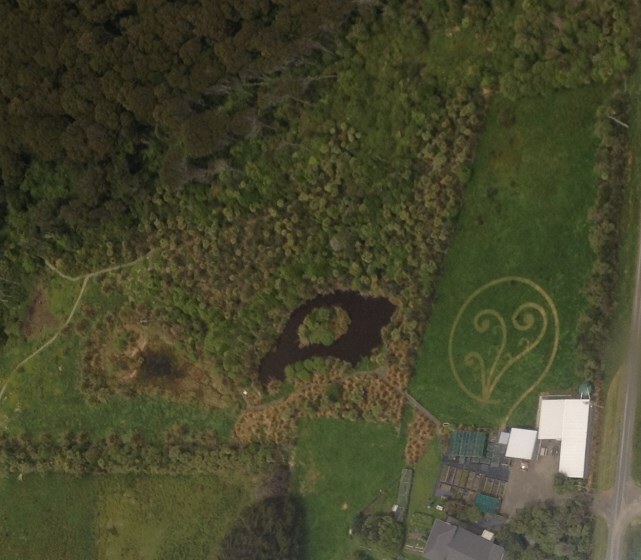
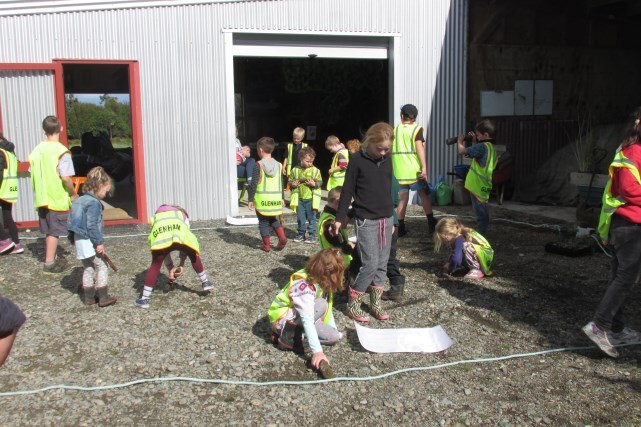
After lunch in the Education Centre, Mark devised a game of exploring the paddock koru and then drawing the shape they thought it was, in the gravel of the carpark! They did an excellent job especially as you can really only see the shape from the air! – see photo.
Then onto a design project – the children mapped out on the ground the area of Clarks farm – with stream, culvert, fallen tree and planting area and chose native plants from a selection Chris had put out. These plants were then given to the School and the Clarks for incorporating into their project. It was a great day – thanks to Mark Oster, Principal, Mark Wiseman, teachers and to the great parent supporters who made it an excellent day.
Chris
Posted: 7 April 2017
55 Year 5 students from Otatara School Rooms 8 and 9, came out to the nursery for the day on Wednesday 29th March. They were studying “invertebrates” or minibeasts and Bronwyn and Chris had put together a programme of activities for the day. The group was divided into four “habitat” groups – the Bush, the pond area, the garden and the education centre building, and paddock. Each group looked for bugs in two of the four habitats, for an hour each. The Bush group was led by Lloyd Esler and lots of rotting logs were examined for huhu grubs and ground beetles, spiderwebs were looked into and fantails accompanied this group – feasting on the bugs disturbed along the way!
The Garden group was led by Chris and started with sheetweb spiders in the nursery beds, then at the worm farm counting and estimating how many worms were in there doing their recycling, then under logs finding ground beetles, earwigs, slaters etc and a case moth in the blueberry cage. Bees were slow to get going on the flowers as we started in mist! Pitfall traps, weta motels and tracking tunnels were all examined as ways to detect which insects may live in your patch.
Bronwyn led the pond group who pulled out nets containing backswimmers, damselflies were seen and lots of nursery spider webs. The lifecycles of damsel flies were looked at, noting in particular that different stages are spent in different habitats (in the water, flying!)
At the Education Centre a huhu beetle was the first capture – Chris had used the Centre as a huge “light trap” by leaving the lights on and the windows open all night – a host of night flying moths and other insects had flown in! Previously, an insect scientist – an entomologist – had captured 74 different moth species using a light trap at Rances. The Education Centre group had also studied insect life cycles and food webs.
After lunch there was a run round the koru in the paddock before sitting in the building to examine all the insects caught in the morning and reporting back on the different finds. The students used their recently learnt scientific drawing skills to record the minibeasts found in the various habitats of the Southland Community Nursery. Mr Esler is an expert on minibeasts and could tell us all lots about their lifecycles and about special characteristics each insect had. “There would be no life on earth without insects” he said. Lots of good questions were asked. Thanks to Gillian Donelly and Jena Young for bringing out a great group of budding entomologists!
Chris and Bronwyn
Posted: 5 April 2017
Natural Body Products - that’s the next workshop to be held at the Community Nursery on Saturday 22nd April 2017. Honorlea Mangion has a business “Kakariki Beauty Products” and she will hold a workshop every month this year at the Education Centre. In this April workshop you will make and take home Lip Balm, Bath Salts, Salt scrub, Massage/moisturising bar and benefit from Honorlea’ experience as a Cosmetic Formulation Chemist, so you will also find out all the science behind the products.
The workshop 9.30am-2.30pm will cost just $50 – it is being sponsored by the Community Nursery thanks to an ILT Foundation grant. Those who have done previous workshops have been thrilled by Honorlea’s generosity with knowledge and her bubbly personality. It is great fun as well as being able to take home some lovely products. These workshops can also be a networking opportunity – maybe a corporate workshop or book one for a group of friends, or a local community get-together. Bookings are essential email Honorlea at [Enable JavaScript to view protected content]
Posted: 27 March 2017