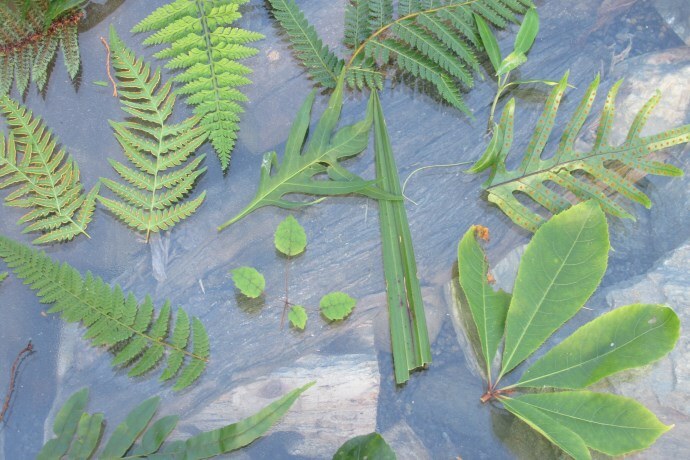
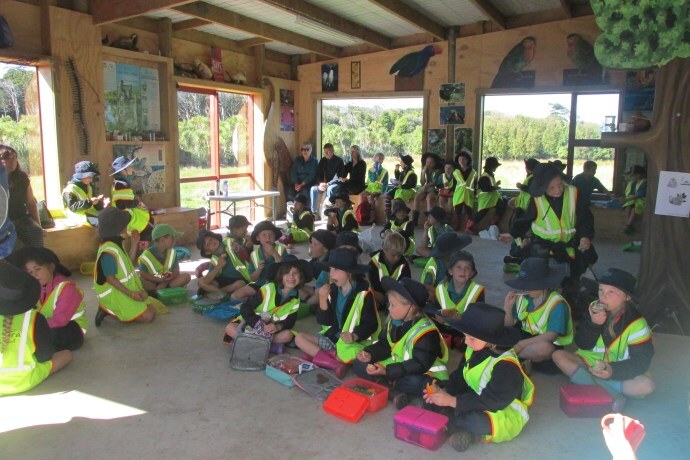
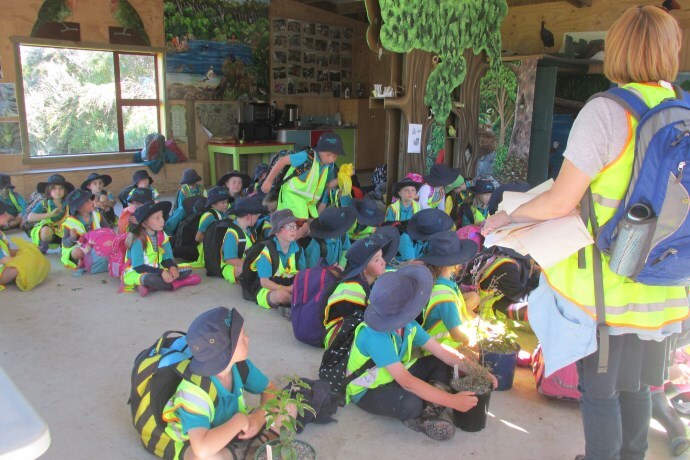
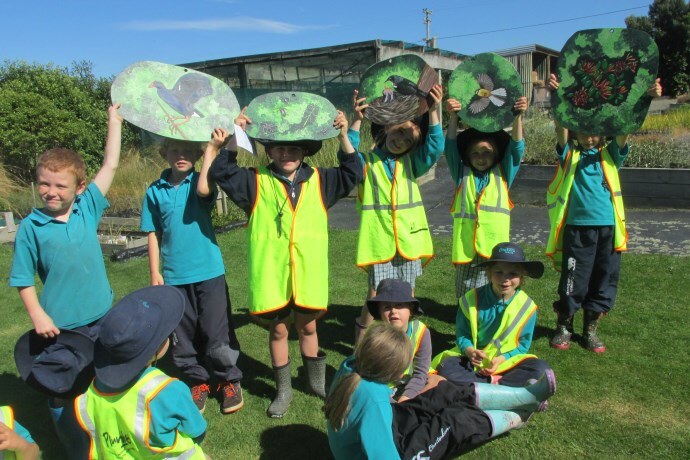
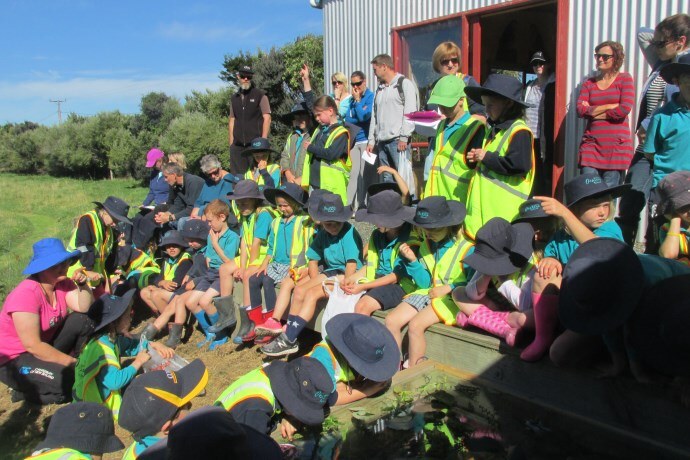
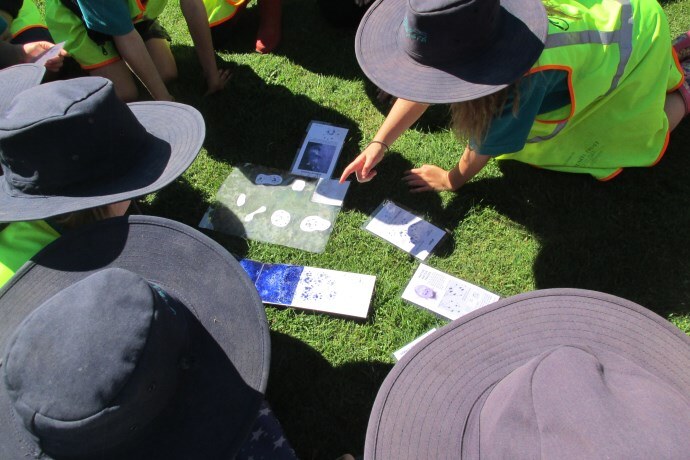
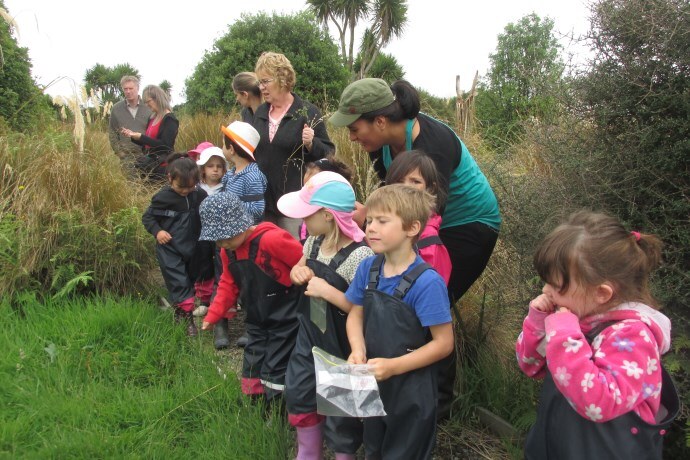
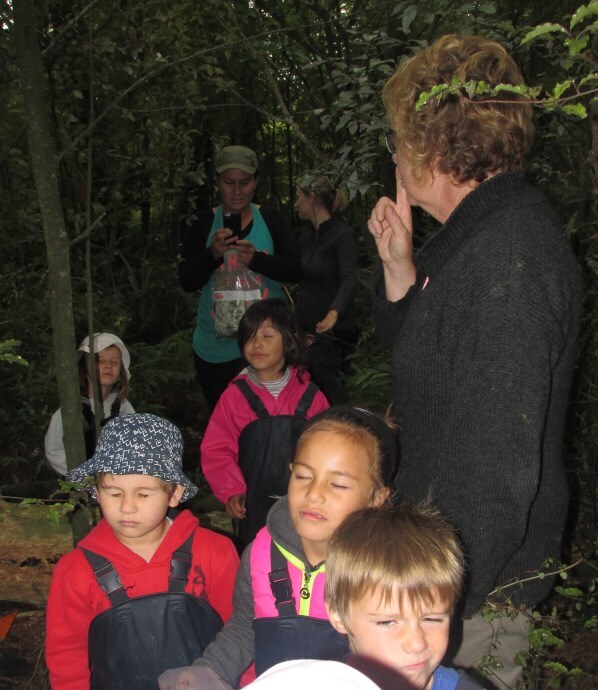
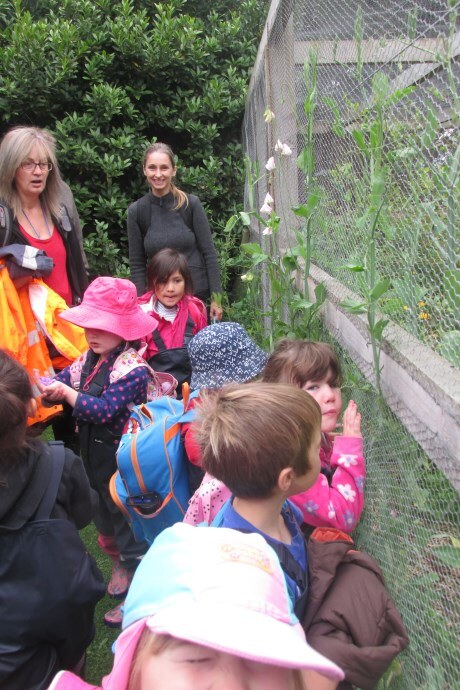
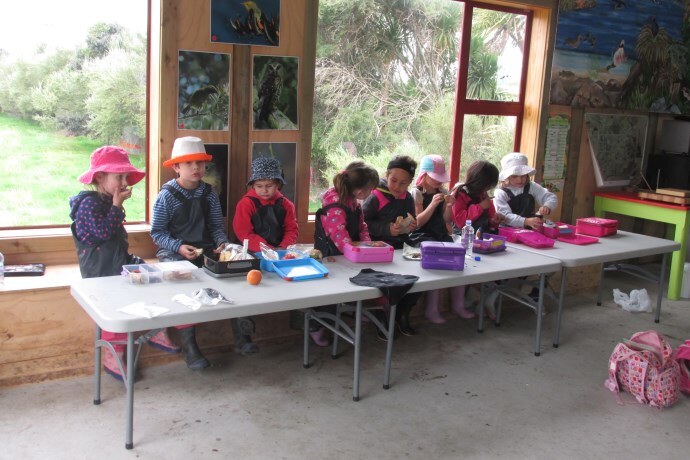
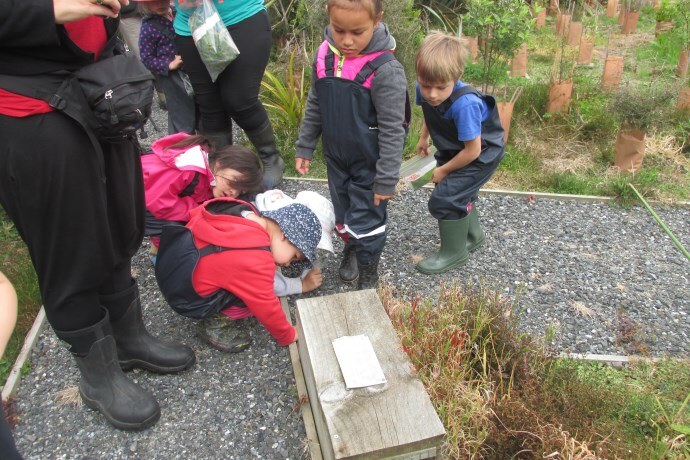
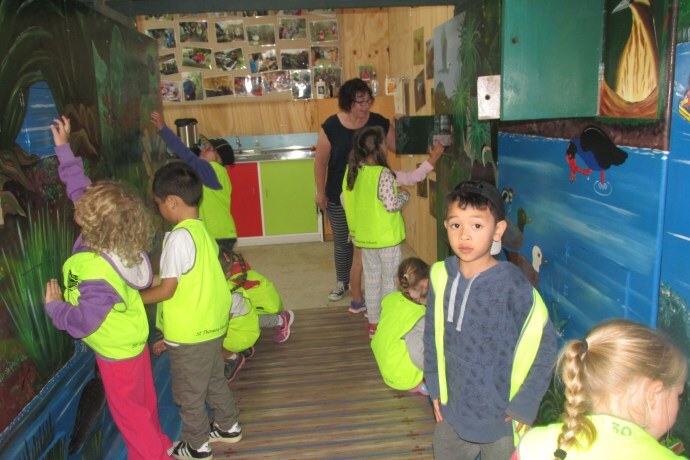
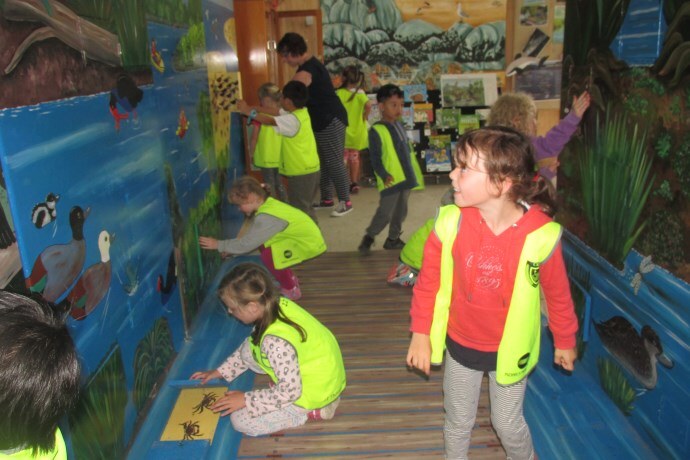
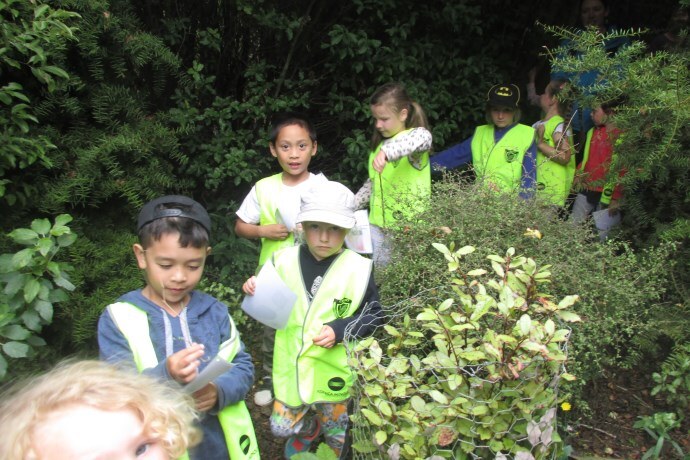
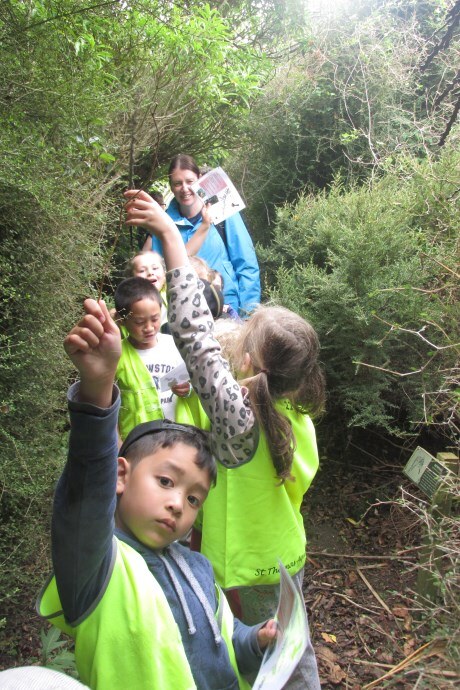
Fifty two students from Rooms 11 and 12 at Otatara School came to learn all about native plants and habitats on Wednesday 15th March 17. Accompanied by teachers and parents, students had a very busy day going for a bush walk in the ancient kahikatea forest with Chris and round the pond restoration area with Bronwyn in the morning. After a quick snack everyone gathered on the deck to talk about the differences they had noticed between those two areas, and the adjoining paddock. Leaves from plants collected along the way were discussed and lots of good questions were asked. After lunch in the Education Centre the group divided into 4 groups and learned about tracking pests with Chris, how to grow plants with Bronwyn, nature journaling and leaf studies with Linda and bird studies with teachers.
Suddenly, it was time to go and hopefully take some of the ideas back to the school and to home. The native plants that were potted up on the day were taken back to the school for looking after and they were shown to other students at assembly next day. Well done rooms 11 and 12 – it was a great day!
Chris
Posted: 19 March 2017
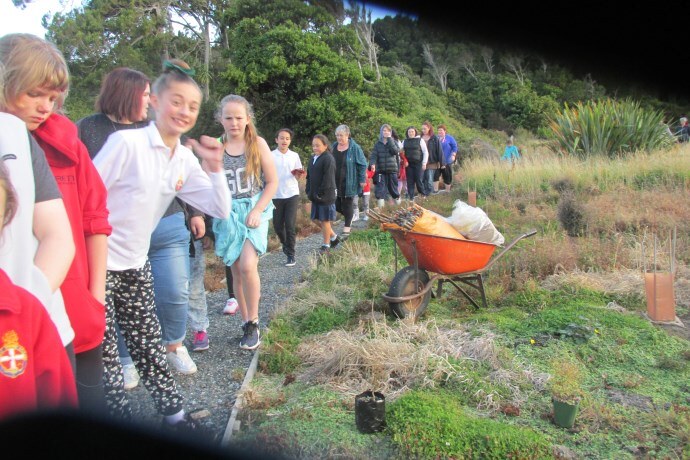
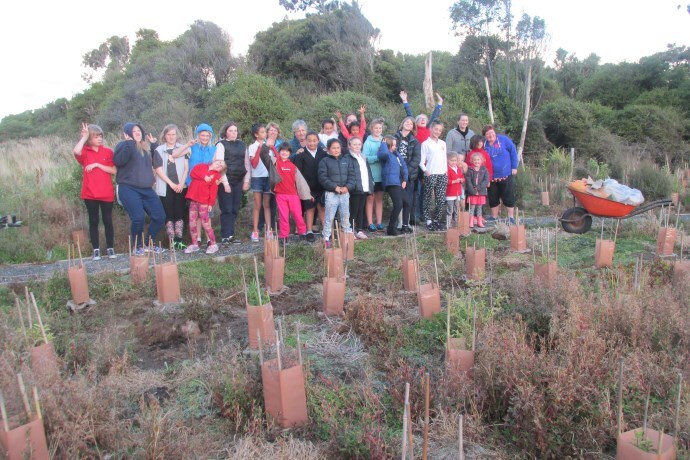
Twenty-five girls from 3rd Invercargill Girls’ Brigade, aged 5-14 years, came to the Southland Community Nursery on the evening of Tuesday 14th March. They came to learn about plants and helped out with a local planting of natives, and got them planted in quick time. Plants included Manuka, kohuhu, mingimingi, lemonwood and cabbage trees and they were covered with combi guards to protect them from rabbits.
Posted: 19 March 2017
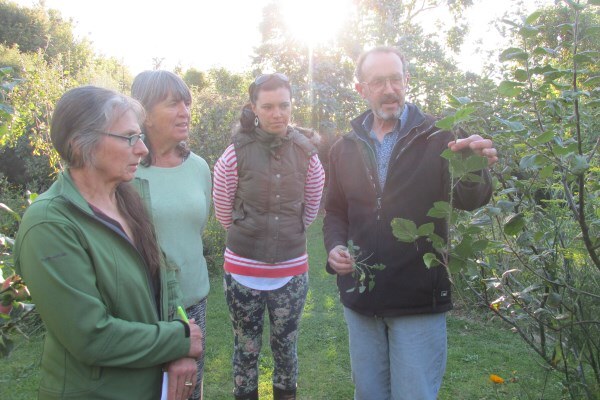
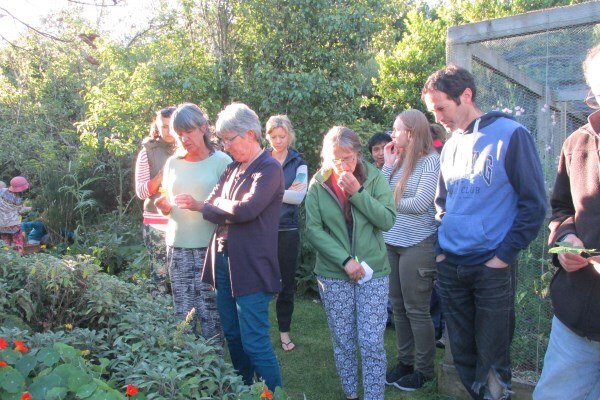
A successful evening of foraging took place on Wednesday 8th March 2017. Plant identification was the first skill needed for foraging – “if you don’t know what it is, you shouldn’t eat it” said Chris. We spent a good amount of time walking around identifying natives, exotics (some would call them weeds), and poisonous plants. Chris pointed out Cooks scurvy grass – a very common and useful native brassica that was once abundant around the coasts of New Zealand, it is now a very rare plant, but grows well in the garden!
Poisonous plants included poroporo, hemlock and bittersweet and hemlock in particular looks very like many other foragable plants where flowerheads are in umbels (flowerheads with many tiny white flowers). However, there were many more plants that we saw which were useful – a list is attached.
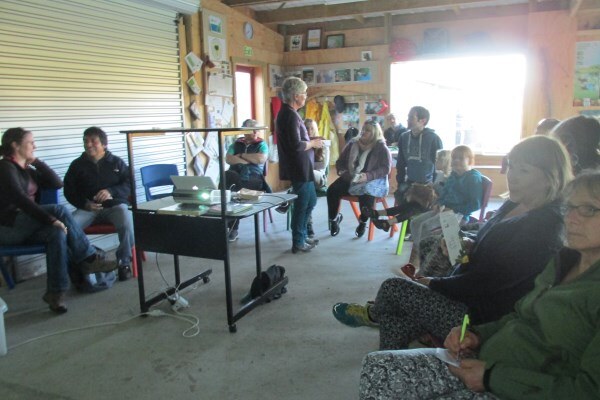
We then adjourned to the Education Centre where Maggie gave a presentation on foraging – with fascinating facts on how today’s diet and use of plants has changed dramatically from previously as follows:
•People used to graze on three to five thousand plants.
•Now we rely on 150 with only 20 providing 90% of our intake.
•American stats show that just FOUR crops account for 2/3 of their calories.
•They are soy, corn, wheat and rice.
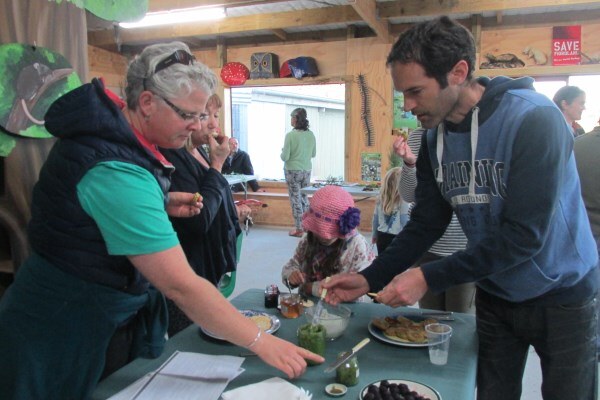
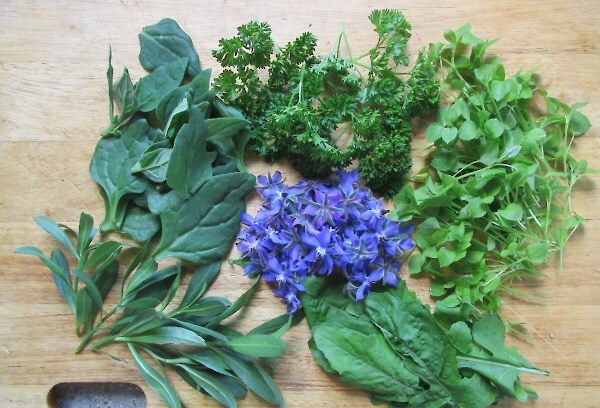
Then we went on the to sample a few foraged delights – nettle and wild foods pesto, horopito pepper, elderberry truffles, elderflower cordial and champagne, and samples of teas or tissanes – lemon verbena, Manuka, lemon balm, chamomile, and dandelion tea.
Posted: 13 March 2017
On Monday 27 February, ten Rockdale Kindergarten children came to do nature discovery at the Community Nursery. We started in the orchard where the apples were growing nicely. Then the children looked for the Community Nursery signs to lead them through the garden to the Education Centre. A brief snack and out into the wilds. The fish nets Chris had put int eh pond were pulled out and backswimmers and beetles were seen. (The next day 5 koura were found in the nets!). After looking for seeds and collecting the bright blue Coprosma berries we headed into the bush. The highlight was when we all closed our eyes and listened to the birdsong. Chris got out the bird squeaker and lured 5 piwakawaka (fantails) down from the canopy. They delighted us with their flitting and calling. Wendy said “they couldn’t be Rosie piwakawaka from Myross Bush because they were all so big!”.
Posted: 5 March 2017
Sue Maynard brought a group of enthusiastic 5-6 year olds to the nursery on Thursday afternoon. The group were on a camp and doing lots of different activities and visiting lots of places. Here at the nursery they wanted to learn about setting up a school garden, so Chris took them on a plant hunting trip around the ponds. Each student was given a plant bingo card and all the children searched for their plants and matched the picture son the cards to an actual
plants. While matching they learned a little about each plant and used their senses to feel, smell and look at each
plant. At the end of the walk Chris gave the group a box of native plants matching those found on the walk, so the
children could plant a school garden and learn more about native plants.
Posted: 5 March 2017