News and Events

Rocky Shore Learning with Ruru - 17 March 2021
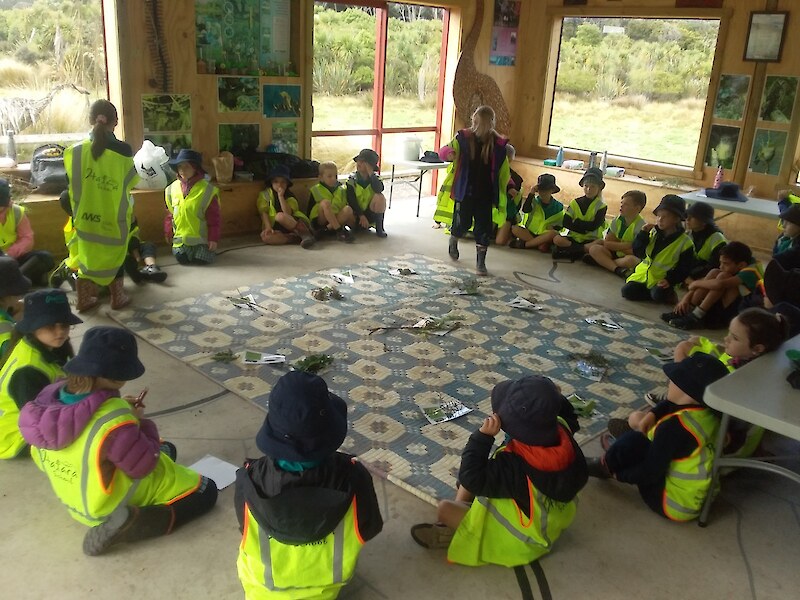
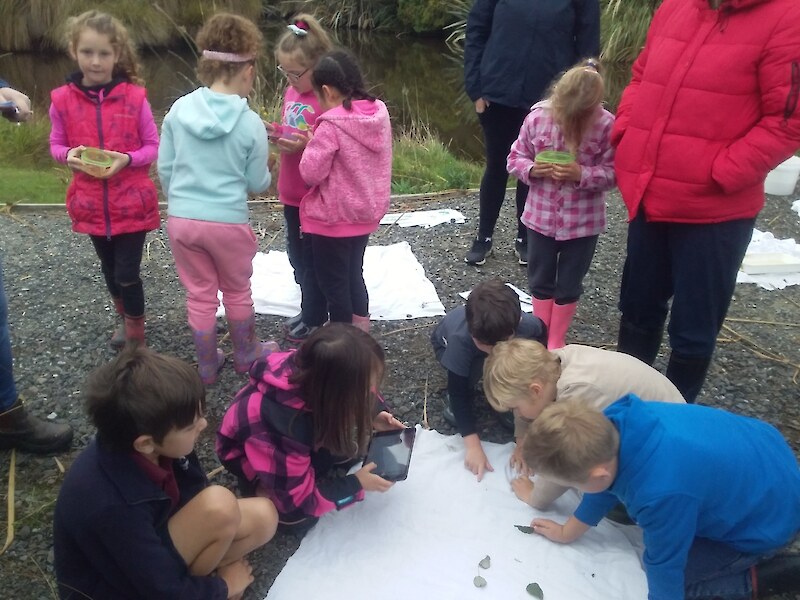
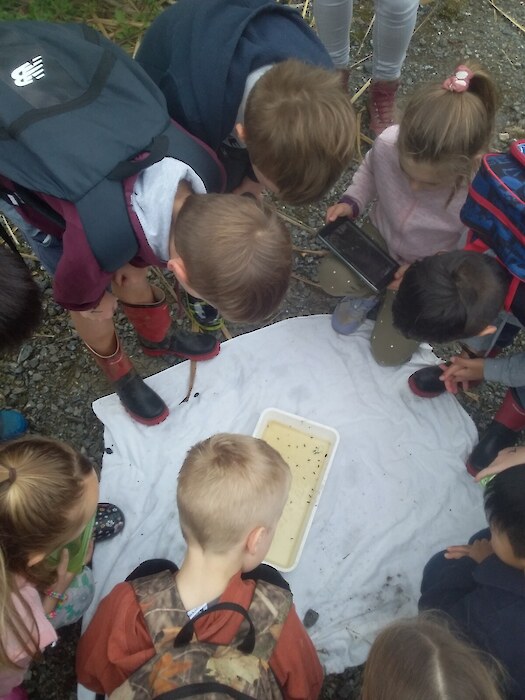
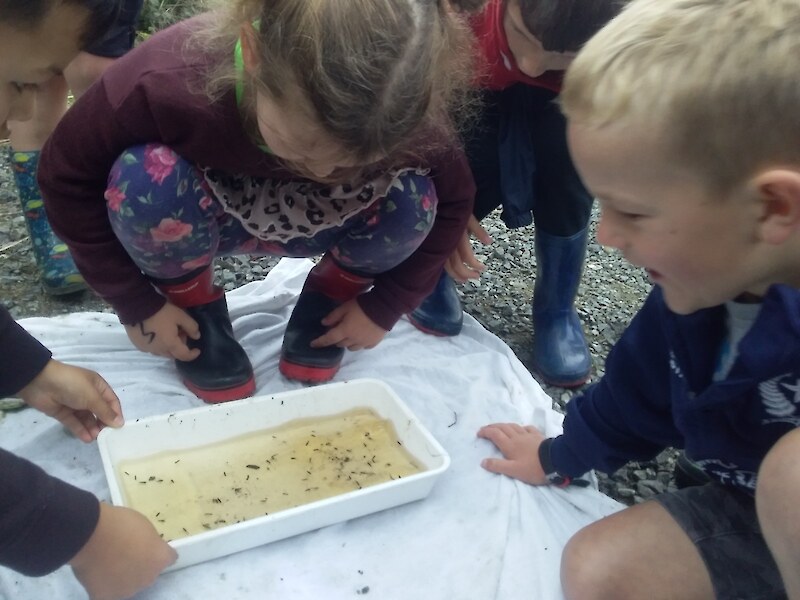
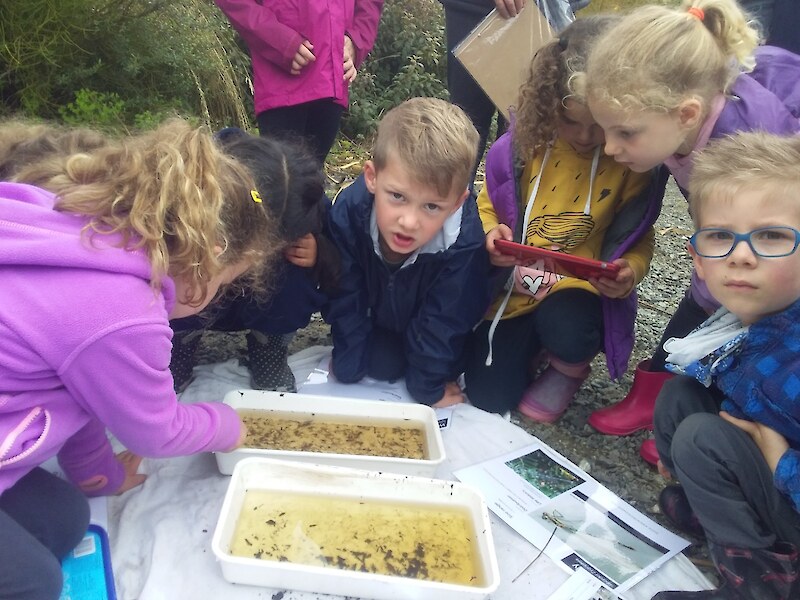
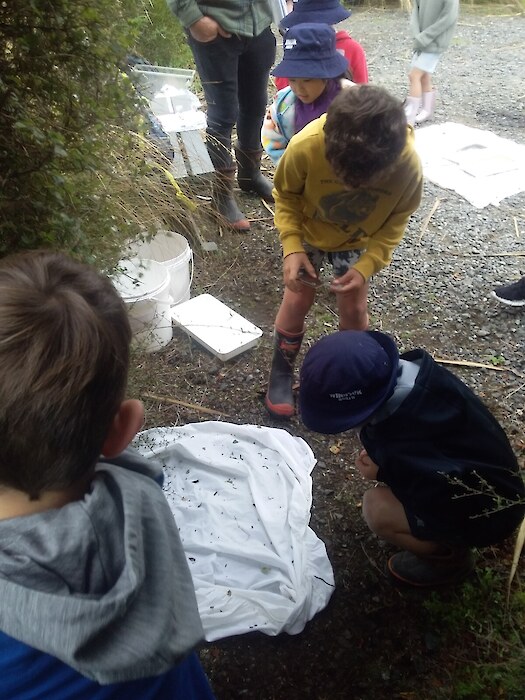
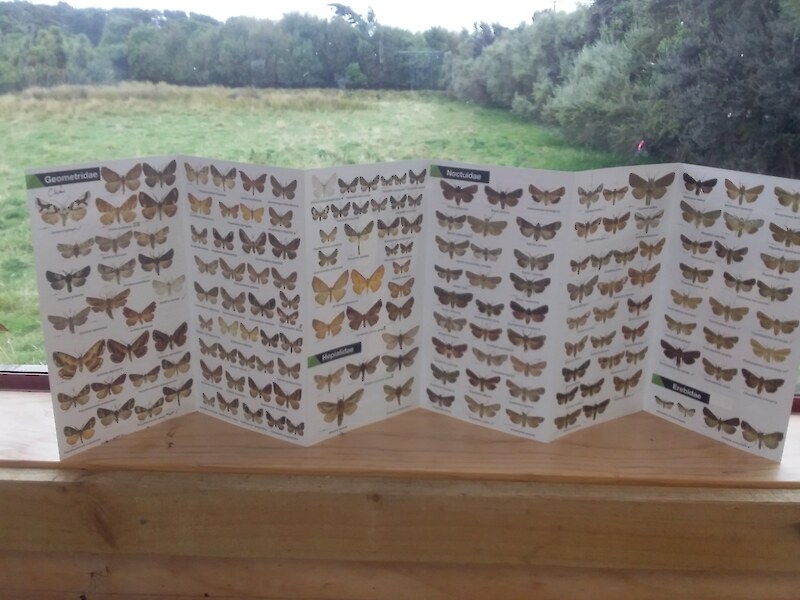
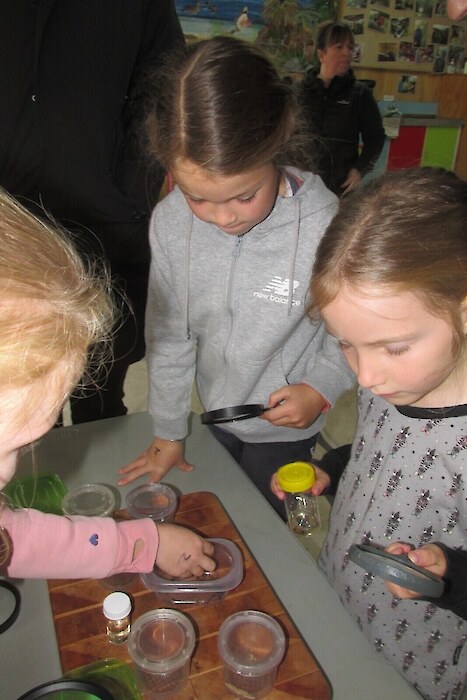
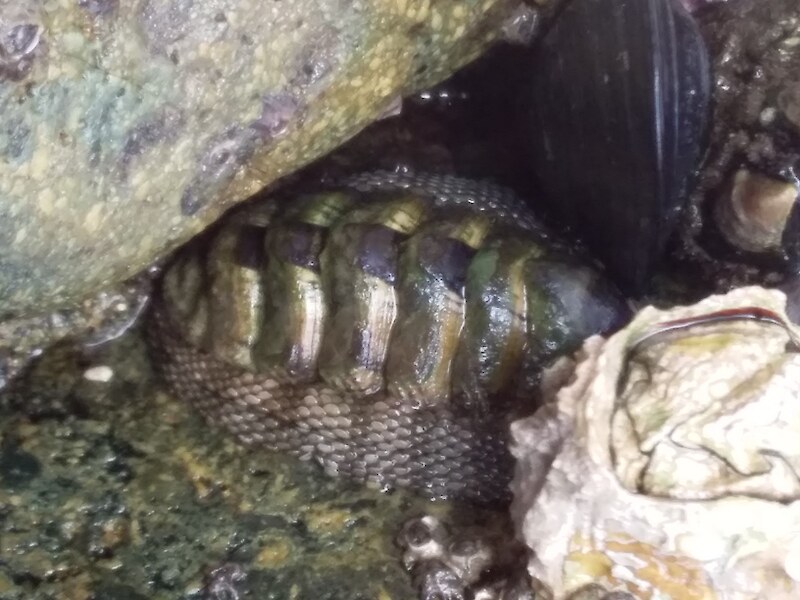
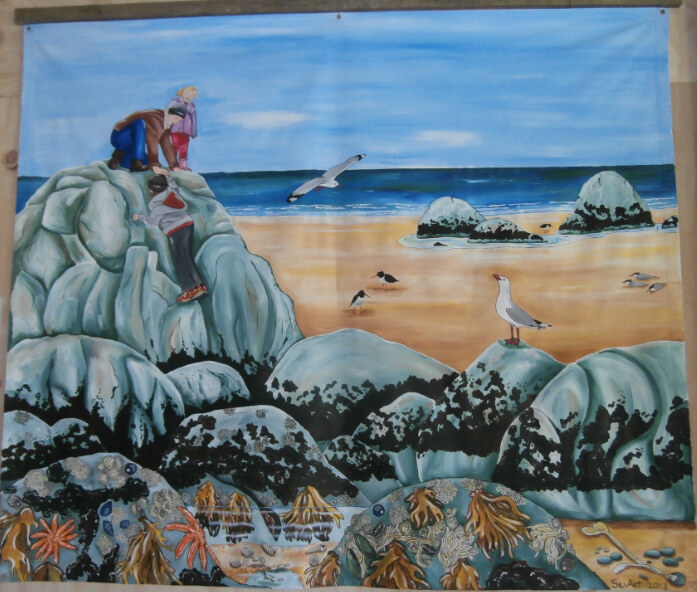
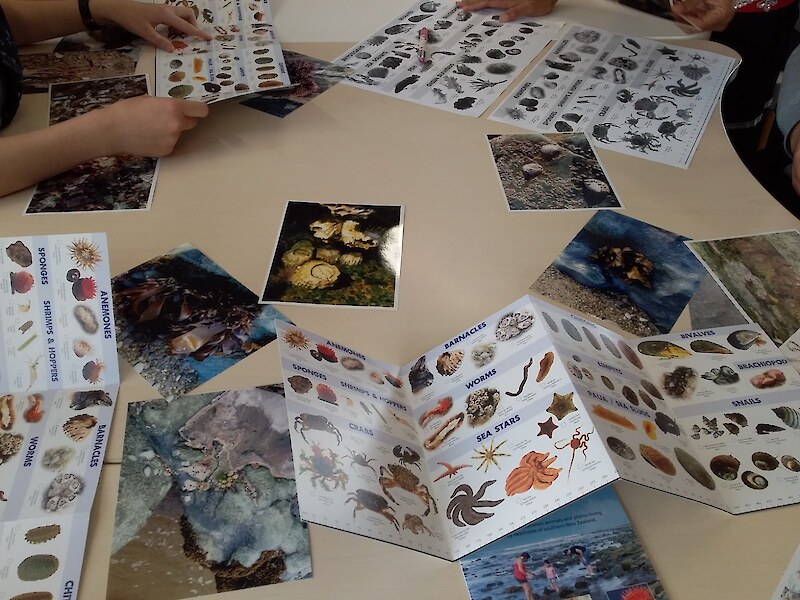
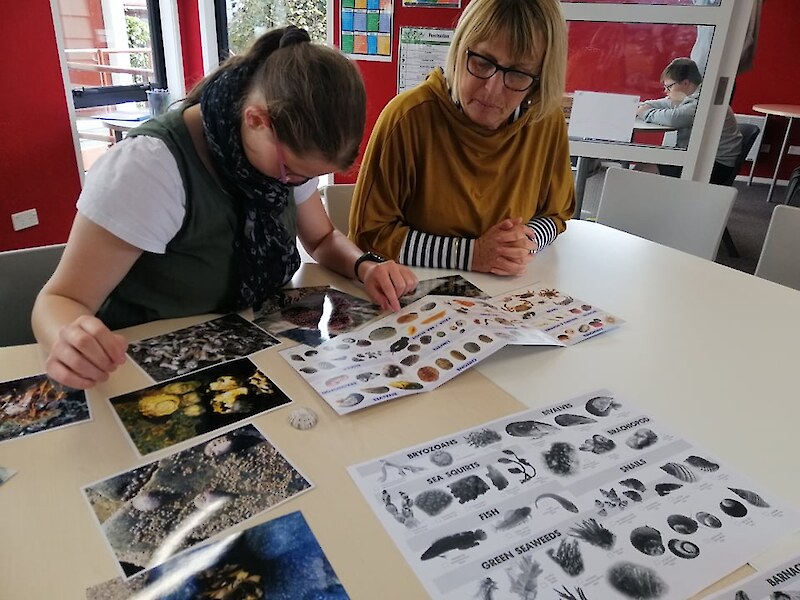
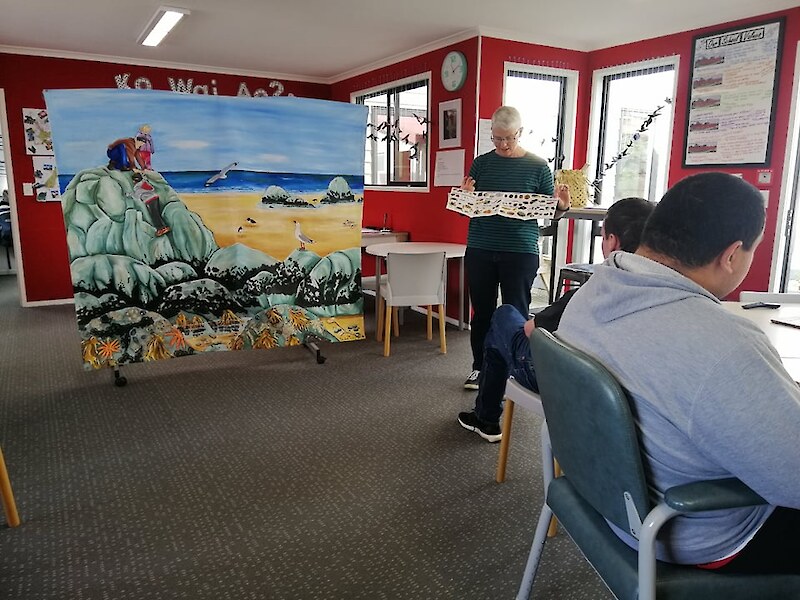
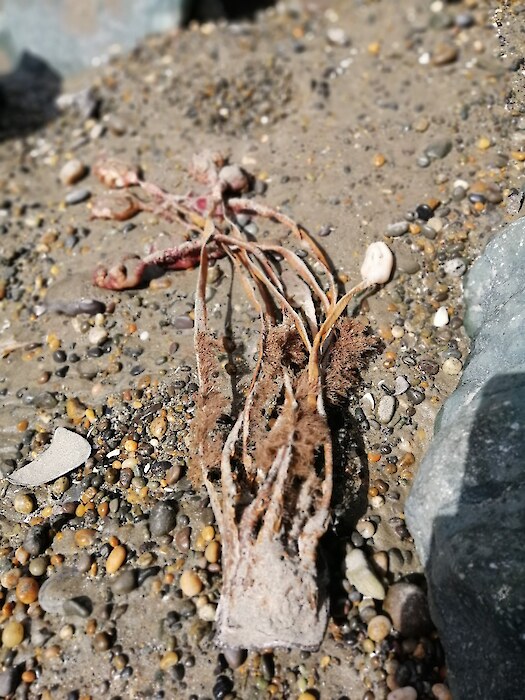
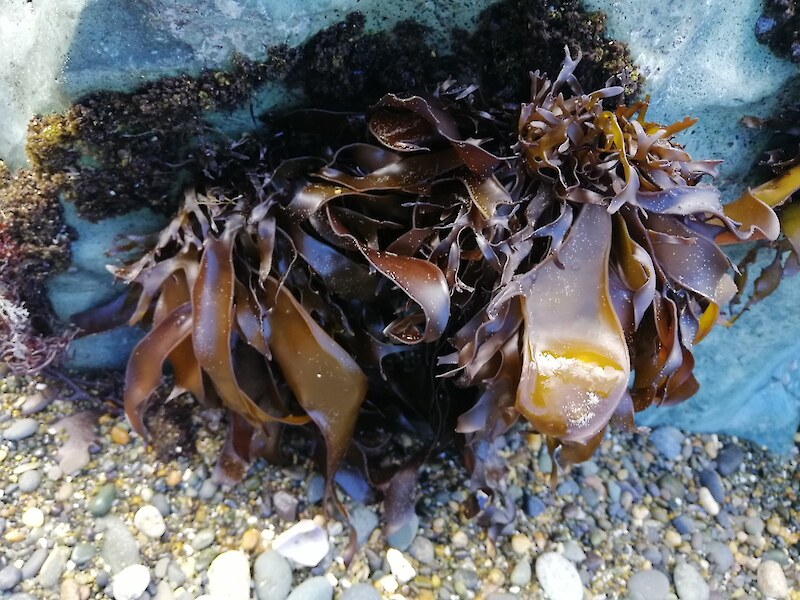
Learning about the rich biodiversity of life on a rocky shore and how to preserve these environments was the focus of an outreach visit to Ruru School, adding to observations and what already learnt on the fieldtrips that Ruru have done to this amazing environment type. Using photos, a few samples collected by Ruru, the artwork of the Southland Community Nursery and the Southern NZ Rocky Shore Guide we identified and talked about the characteristics that some of the common animals and plants living on the rocky shoreline have that allow them to survive in this constantly changing habitat. We learnt that sea tulips (a sea squirt) are an animal, not a plant and learnt how they feed while not being able to move like most other animals. Chitons with their eight shell plates, along with limpets, barnacles, anemones, rock pool fish and gulls were all creatures that the class discovered and their mission is to observe these on their next rocky shore exploration. Food webs, the tidal zones, the importance of rocky shores and how to protect and preserve them, and the connection between land and the coast rounded off our classroom discussion.

Bronwyn

Otatara History - the places, people and stories - 16 March 2021

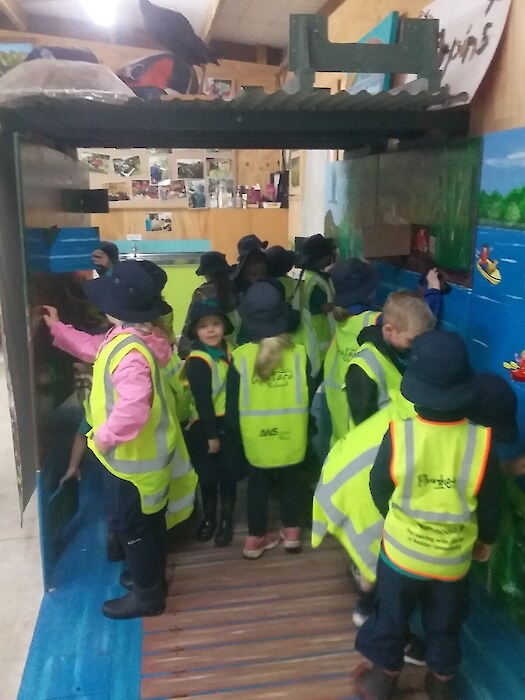
We welcomed the staff from Otatara School to showcase our education centre floor map and how it can be used to tell the stories of Otatara - early settlement and access, whaling and sealing, the bush and sawmilling, flaxmilling, the New River Estuary shipping and reclamation, the moving school site, Sandy Point, recreation, and places we value today. After orientating ourselves we connected with those places that have special meaning to us, then information, photos, newspaper articles and props were used to tell many interesting stories, including about elephants, rabbits and love. The history of the Otatara environments and the people and places is amazing and intriguing and we had fun learning all about it.

Bronwyn

Seed Collecting and Cleaning Time 16 March 2021

By now you will be halfway through your seed collecting – see the table link below for rough guides to when particular seeds are ready to collect in Southland. As a rule of thumb the grasses are first (eg toe toe and red tussock), then the fleshy fruited seeds (Coprosma, wineberry) and lastly the seeds contained in capsules (eg Hebe, Pittosporum, manuka).

https://www.southlandcommunitynursery.org.nz/restoring-your-patch/get-growing/seeds/

Some seeds hang on for longer meaning there is not so much urgency in collecting but grassy seeds dispersed by winds can be gone quickly as can seeds contained in fruit – once birds get on to this source of food they can be gone in days, so be vigilent! Not all plants flower well each year and the big trees often have years off from seeding as seed production is an energy expensive action for plants, so often you wont find many seeds and other years will be bumper seed years.

Make sure you label the seeds collected at the collection stage as finding a rotten mass of old seeds at the bottom of your bag some time later and not knowing what they are isn’t much use (Note to self!).

Once collected (thorougly dry) pick out the chaff and store dry seeds in paper bags waiting for sowing later. For fruit covered seeds collect in plastic bags, label and later extract seeds from the fruit by pushing through a sieve, pouring water over and pouring off the fruity coat (the seeds should sink to the bottom). The seeds can then be shaken onto kitchen paper to dry and then bag to store or sow. This can be a time consuming process. See a few photos below of the process with Coprosma and wineberry seeds.

We tend to prepare all seeds collected over a few months then have a big sowing day where all the trays of mix and labels are prepared together and all seeds sown at one time, but you can do it piecemeal if you have the room and facilities to put them out in the Nursery. So around May you will need lots of space to put your seed trays and we have frames covered in shadecloth to keep seed trays safe (from cats and mice) over winter where they will sit until the end of September when seedlings start to germinate. It’s a combination of temperature and day length that are the natural triggers for seed germination. You can force germination (as commercial nurseries do), but then you need facilities to keep seedlings out of the frost over winter so we prefer to stick to natures schedule and it works for us! If the seed trays are outside but under shadecloth they will get watered whenever it rains. If you put seed trays in a tunnelhouse you will need to make sure they never dry out and thats a lot of effort and automated systems have to be watched closely. The seeds get stratified (cold treatment) naturally in Southland – there is no need to replicate winter by putting seeds in the fridge – they get a “real winter”. The germination seems to be like clockwork every year and most seeds germinate in September. However the seeds of the big trees like miro can take up to two years to germinate so hold onto those seeds trays for that amount of time.

Then, in spring its all on – everything needs to be done at the same time – pricking out, potting on, weeding etc so it’s the busiest time in the nursery but also the most enjoyable.

Have fun with your seed collecting – it’s a restful, quiet experience being close to nature. We will be doing seed collecting on Nursery Fridays to May if the weathers good for it.

Chris

Seasonal happenings at the Nursery – 10 March 2021
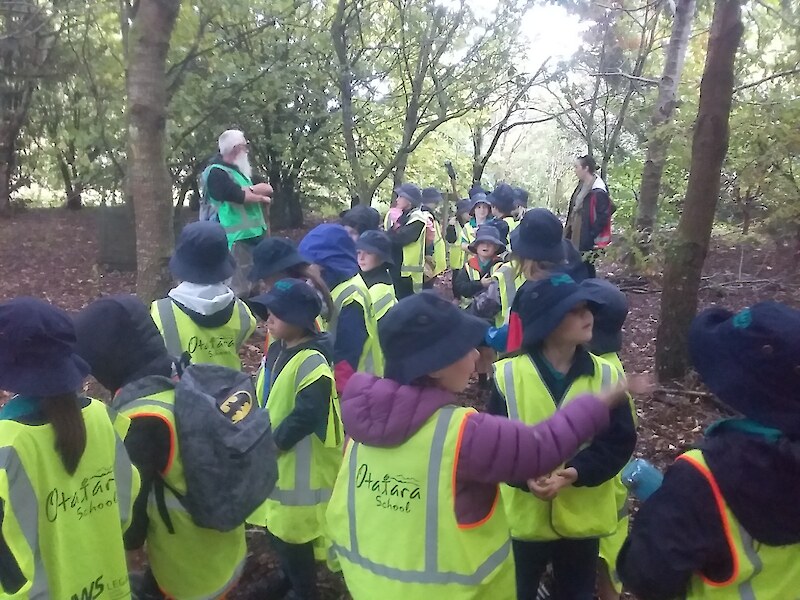
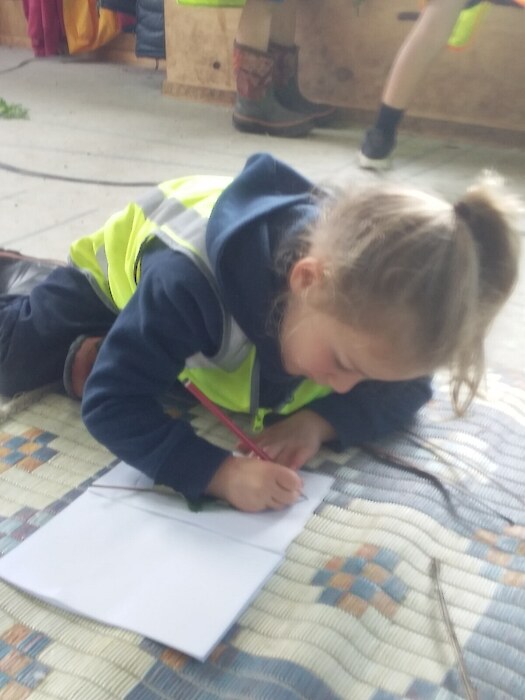
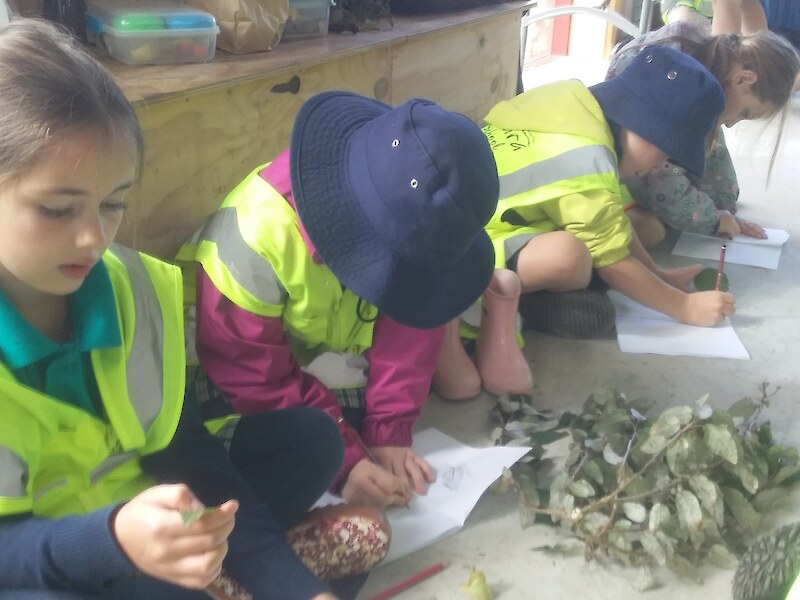
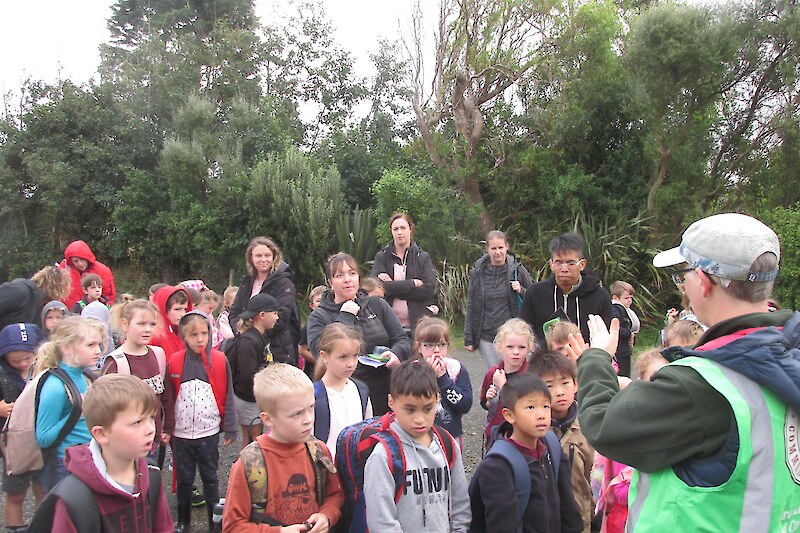
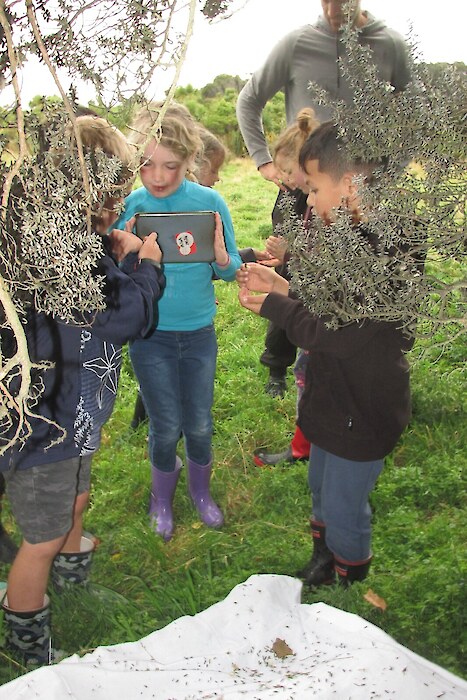
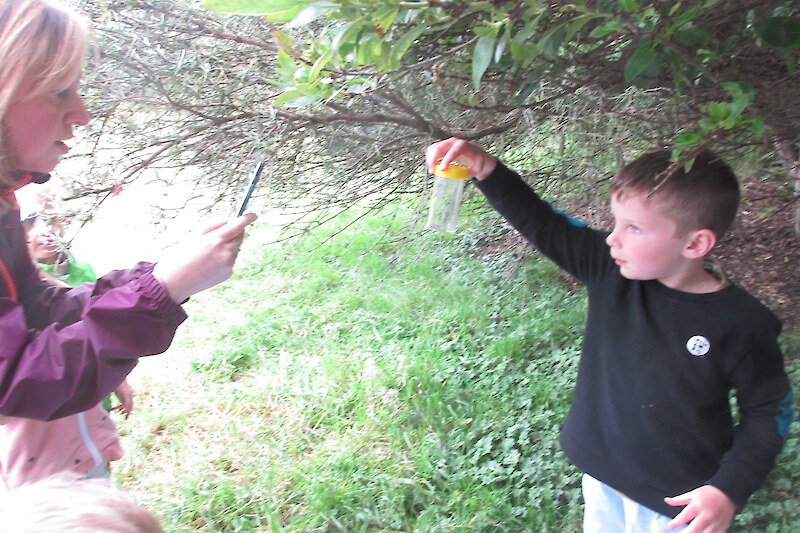
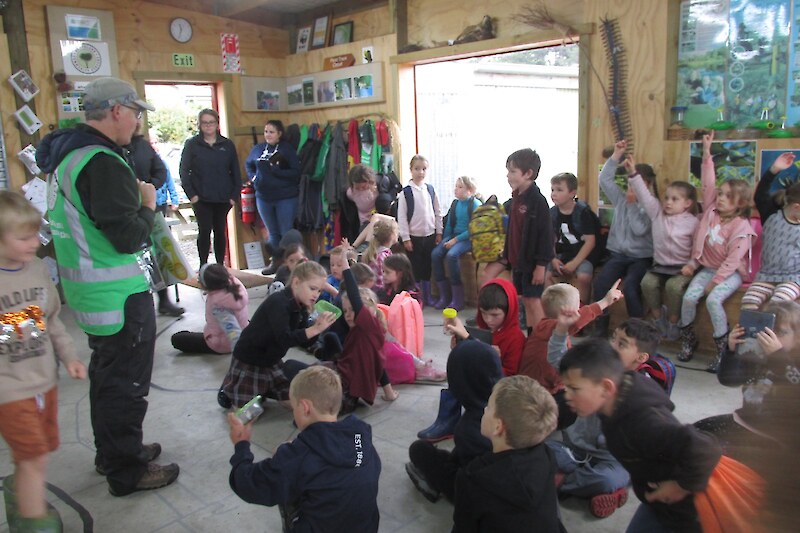
Pōkākā (Year 5/6) and Miro (NE/Year 1) classes from Otatara School visited for the day with a focus of noticing the seasonal happenings and what this means for plants and the bush. Deciduous trees and their falling leaves indicated that indeed it is autumn, and we learnt that many trees adapt to the cold by losing their leaves. This connected to their learning about lifecycles. Exploring the bush track taking notice of all that is happening in the ngahere at this time of year, the class trees were identified – looking at leaves, bark, adult and juvenile forms and learning to notice the smallest differences and changes. Putting on scientific thinking hats the students wondered, inquired and answered queries. The decomposition of the forest was noted, along with the dead possum, and the roles of bugs and insects discovered.

After lunch the tree identification knowledge was put into play, noting which species had seed ready to collect at this time of year. The different size, shape and type of seeds and the different ways these are dispersed around the environment were studied. It was discovered that Pōkākā and Miro seeds are quite big compared to other seeds, but that these plant species were not seeding at this time of year. The blue fruit of mingimingi contained two white seeds, the cabbage tree fruits were still green (but black seeds had still formed inside), kohuhu seeds were sticky and toetoe and red tussock seeds are dry and wind dispersed. For more information on knowing your seeds and when to collect your seeds see Seeds • Southland Community Nursery. The classes took their seeds back to class and are going to sow them and design seed packets, learning all about their tree species, see scn_seed_packet_challenge_-_seed_packet_design.pdf (southlandcommunitynursery.org.nz)

It was great to have these classes out connecting to and noticing the seasonal changes in nature.

Bronwyn

Active out in Nature - 9 March 2021
Following on from our involvement at the Health and PE Curriculum Days ran by Sport Southland, community connections continued with me having the privilege of showing some new Sport Southland staff around our pond and bush tracks introducing the Southland Community Nursery environment and what we offer schools and groups. With the Sport Southland team vision of “everyone active every day” it was great to walk, climb over and ‘duck’ in nature as we explored and noticed NZ native plants and birds. We also discovered aspects of edible gardening and how to tell the stories of our local place. A big thanks to Sport Southland for their continued support of what we do, getting out (and active) in nature!

Bronwyn