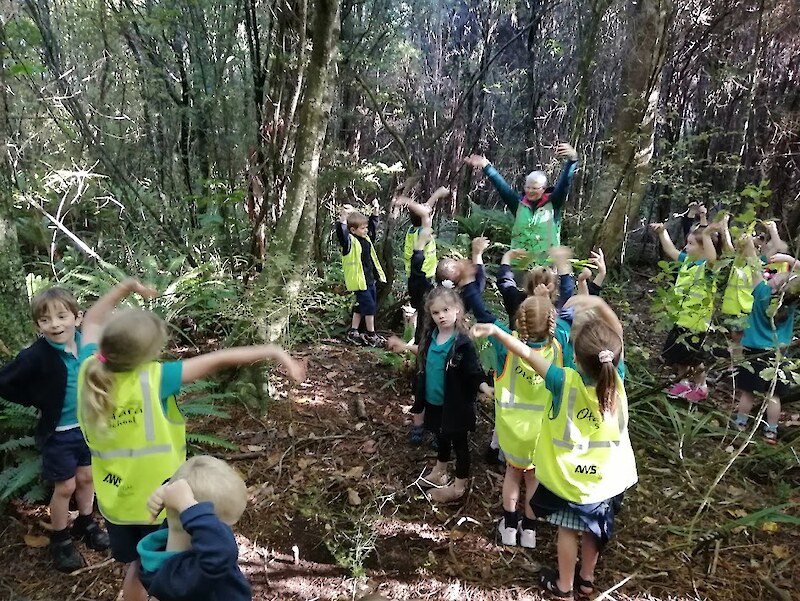
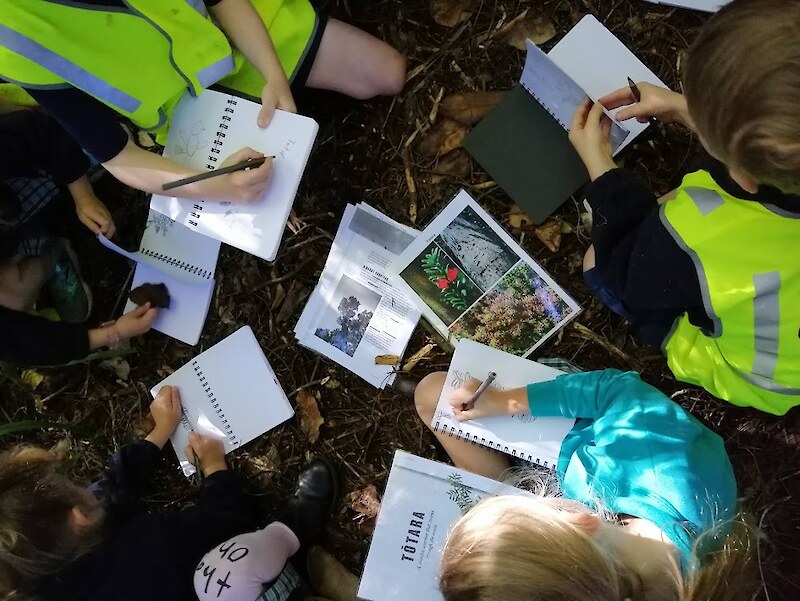
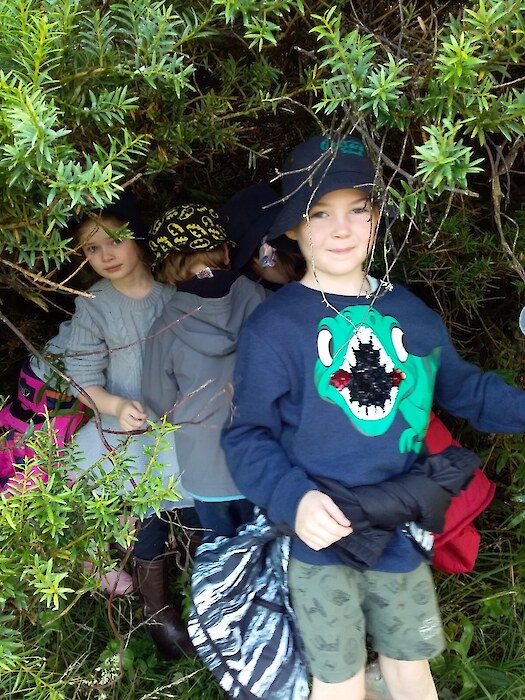
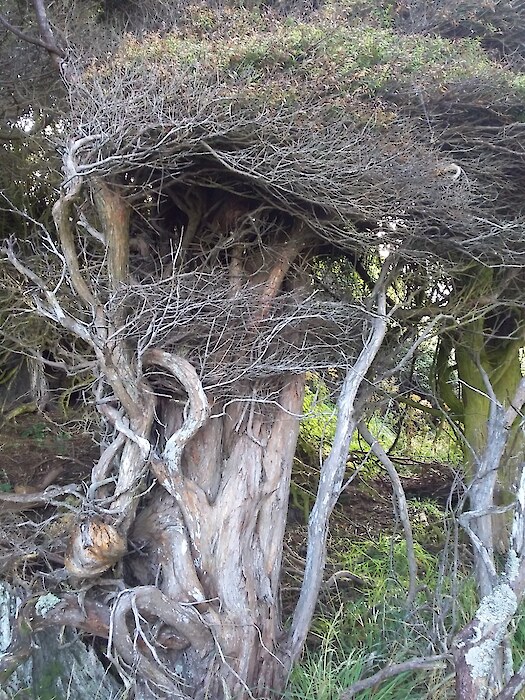
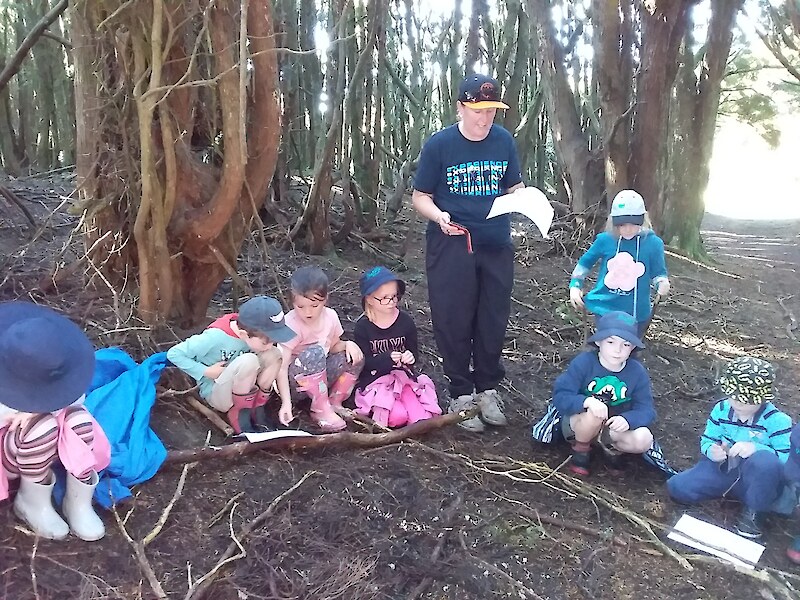
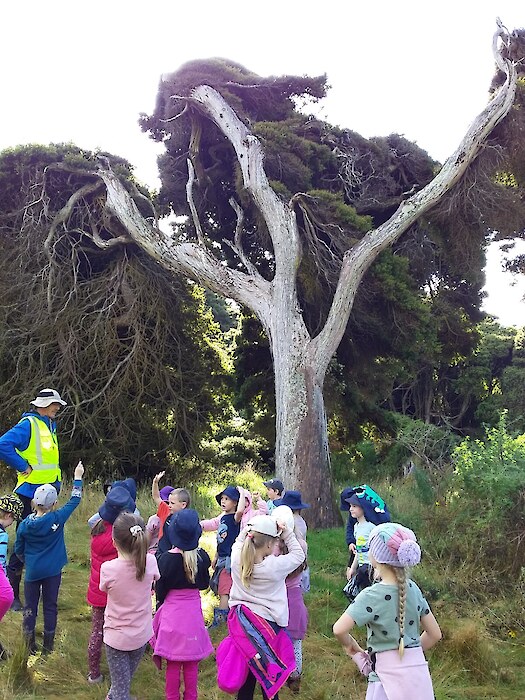
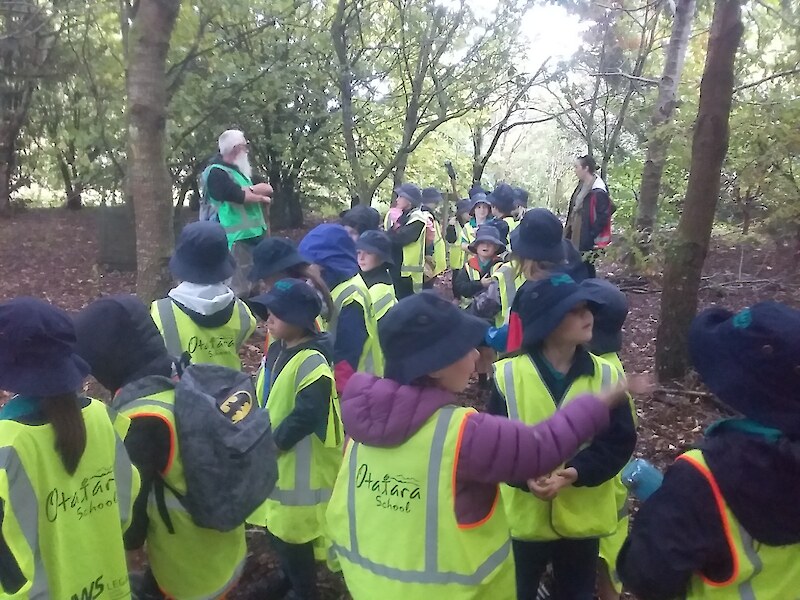
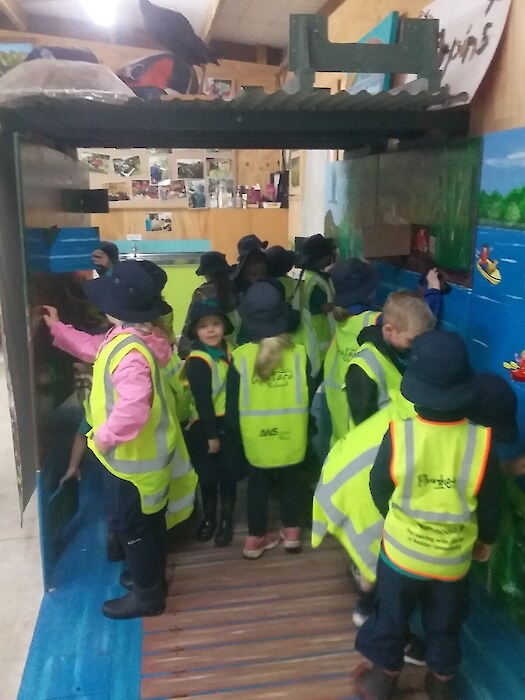
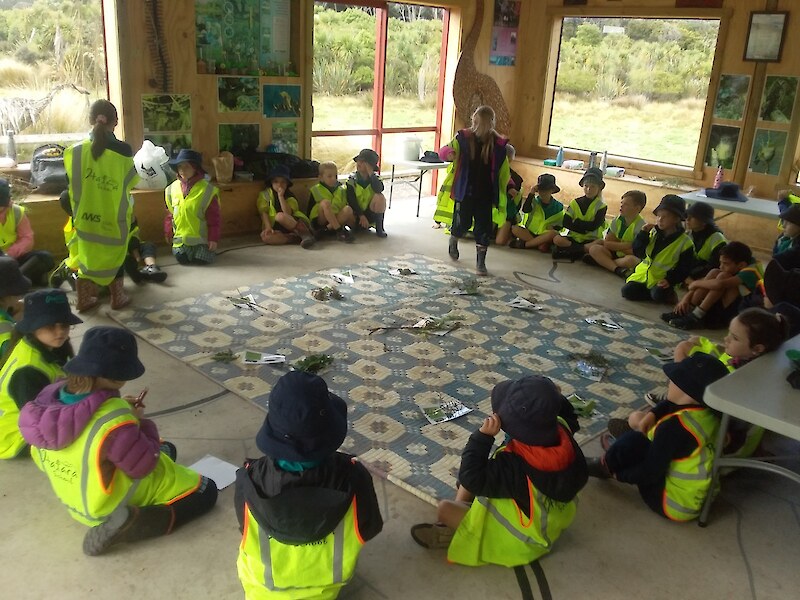
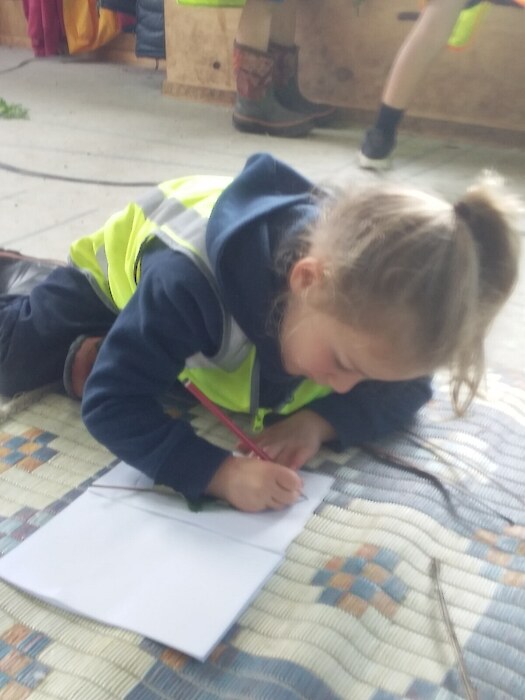
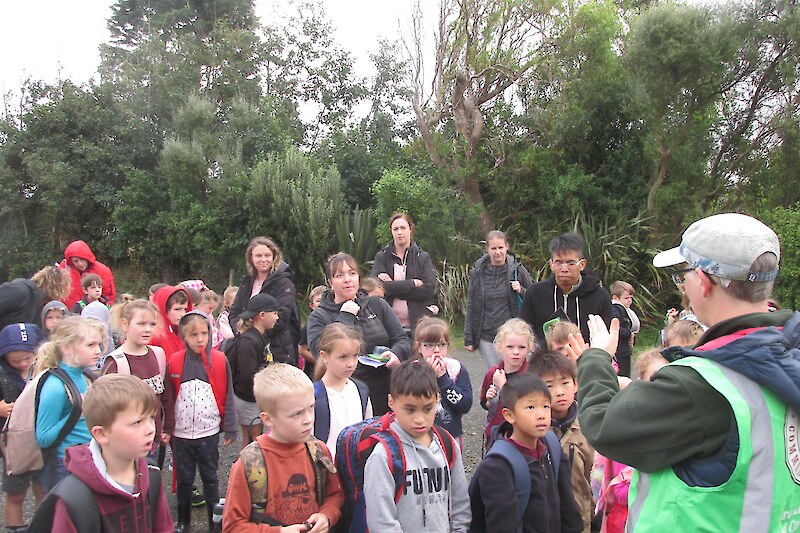
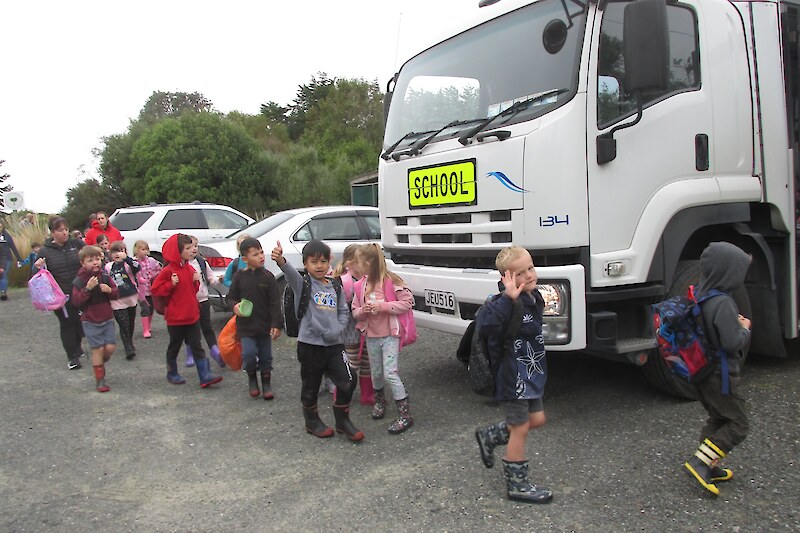
Following on from my outing with the Tōtara class of Otatara School to the Ōreti Tōtara Dune Forest (see 31 March), I was privileged to go on another outing to the adjacent Otatara Scenic Reserve with this class of tuned in learners. We learnt all about the significance and use of this tree species by Māori and European. Māori used this strong timber for waka, building and carvings and we pretended to sit in a waka made from Tōtara and tried to imagine a waka 27 metres long that was capable of carrying up to 100 warriors. The strength of the wood also saw it used for fenceposts, bridges and railways. Picking up on finding the fruit on the previous excursion and answering questions the students had, we pretended to grow from a tiny seedling found on the forest floor, up through the sheltering species, until we reached the forest canopy (or ceiling), fruiting with the seed on the outside, the fruit being eaten by a tui or kererū and pooped out ready to grow again… This group of learners loved that the seed was on the outside of the fruit and added this information into their nature journals. Lots of learning about and in the forest today.
Bronwyn
Posted: 12 April 2021
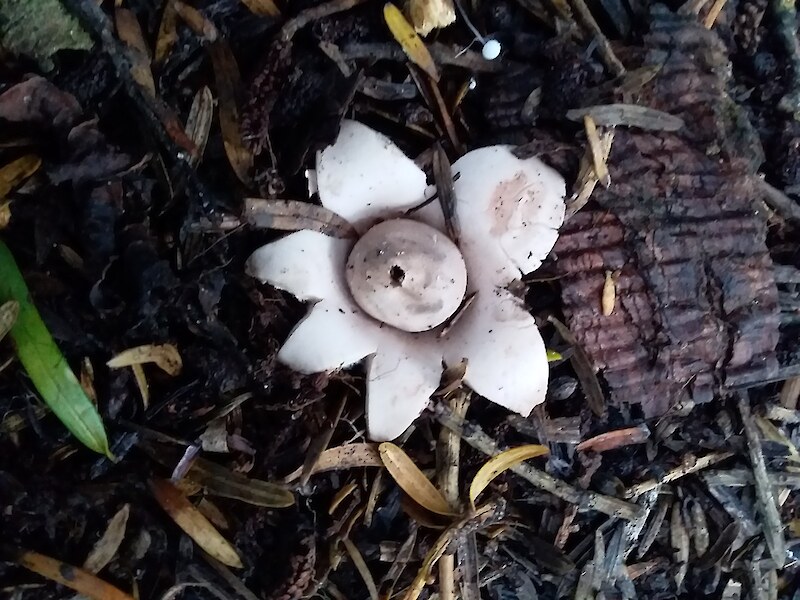
Out I went with the Tōtara class of Otatara School to visit the Tōtara trees at the Ōreti Tōtara Dune Forest where the Native Forest Restoration Trust is restoring an historic treasure. How special to have this significant Tōtara forest in Otatara. Maurice Rodway the honarary ranger led us on a journey through this remarkable area. The tamariki interpreted what can and can’t be done in this area, counted tree rings of felled pines, looked at the leaves and bark of lots of Tōtara (and we even found a fruit!), found heaps of fungi types, removed some Chilean Flame Creeper weed (giving back to this wonderful Tōtara forest), spotted and listened to birds, noted new Tōtara growth, went on a treasure hunt, drew in nature journals and looked at even more Tōtara. Some Tōtara were straight and tall, and others were twisted and knarly. A wonderful day learning about the tree their class is named after. I look forward to more Tōtara learning with this group.
Bronwyn
Posted: 1 April 2021
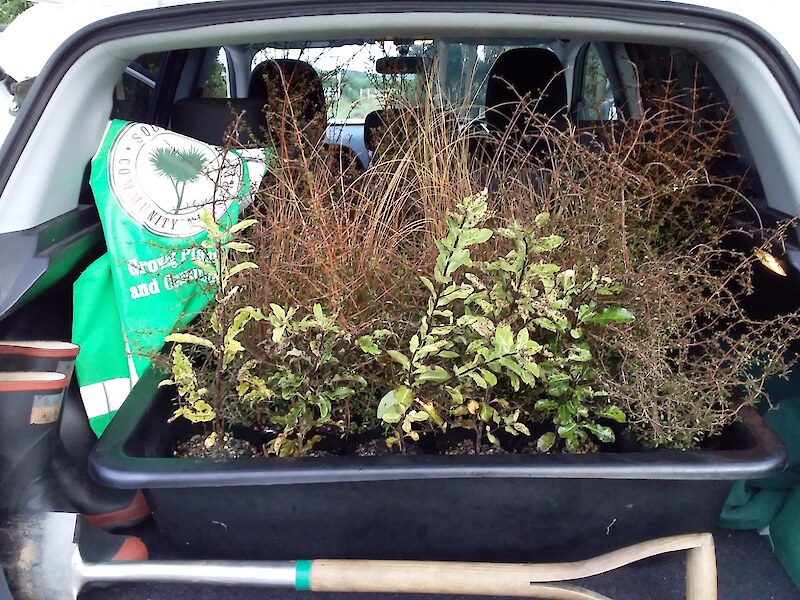
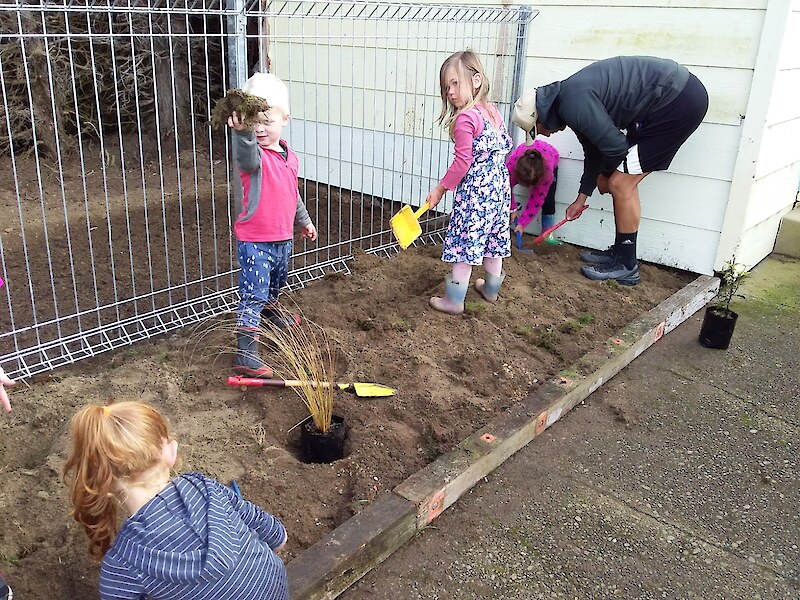
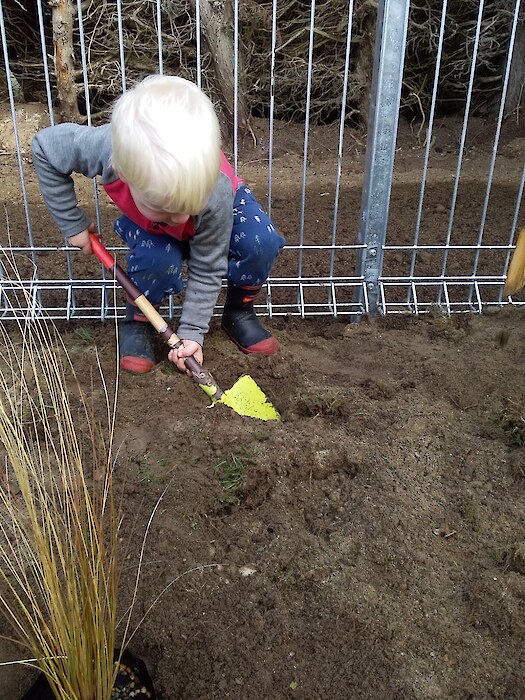
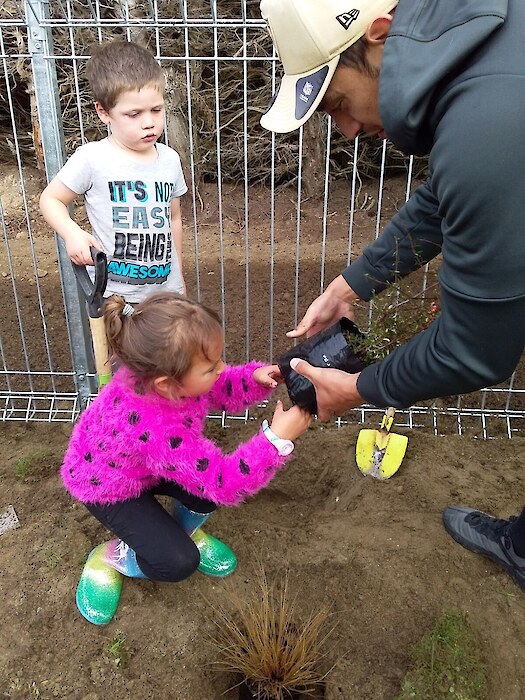
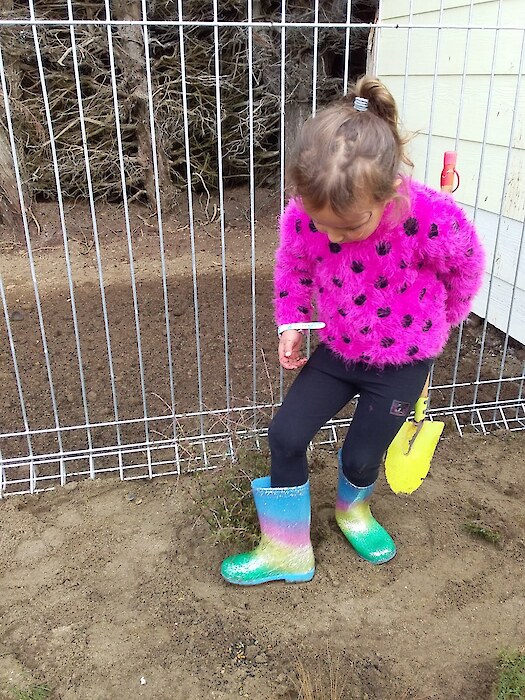
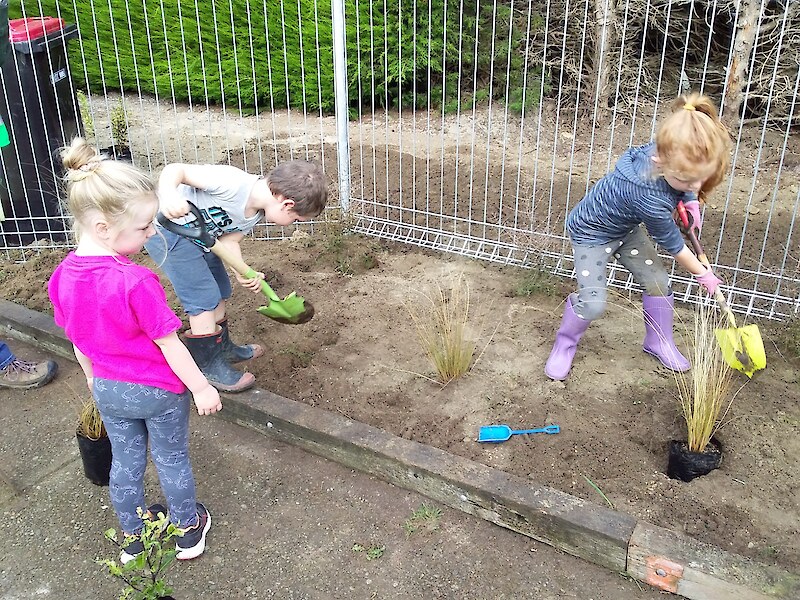
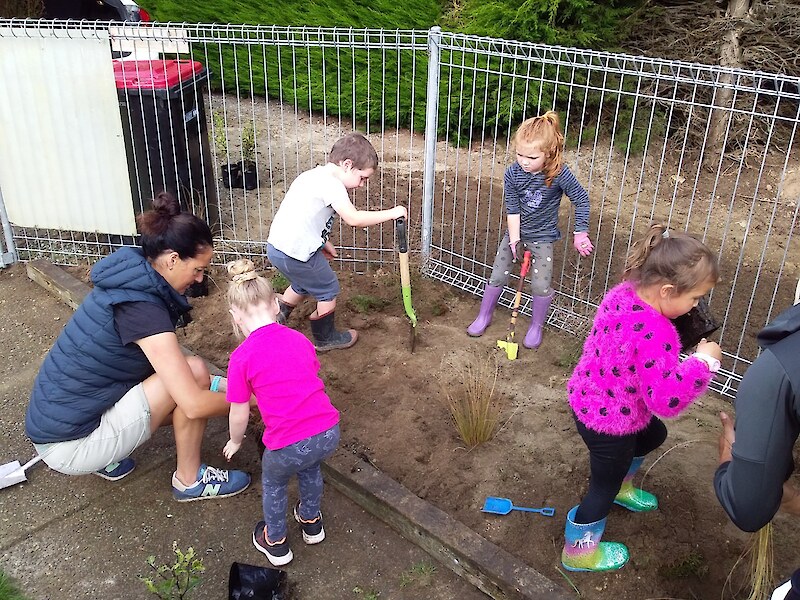
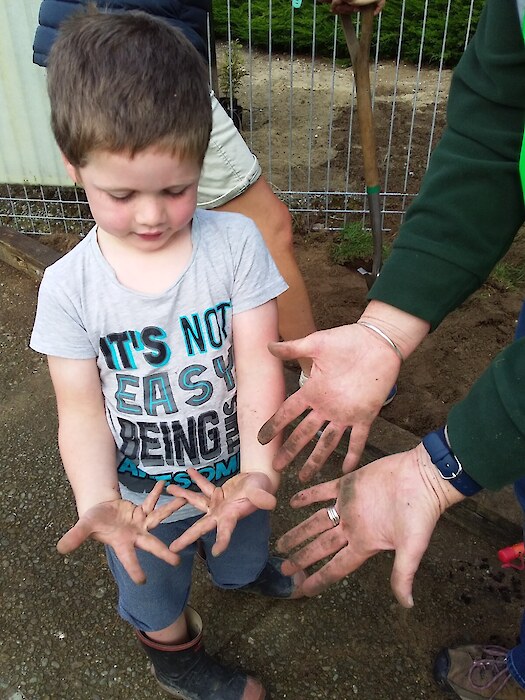
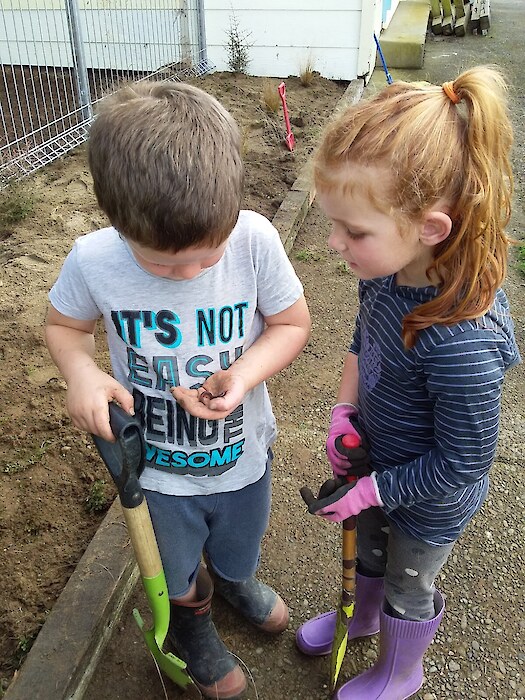
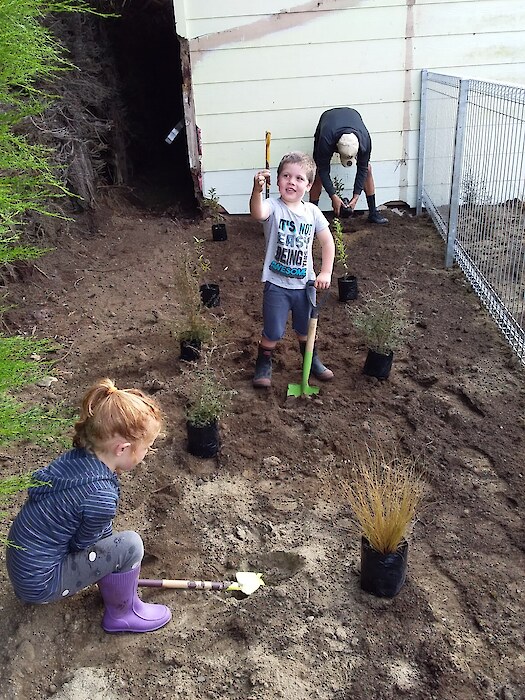
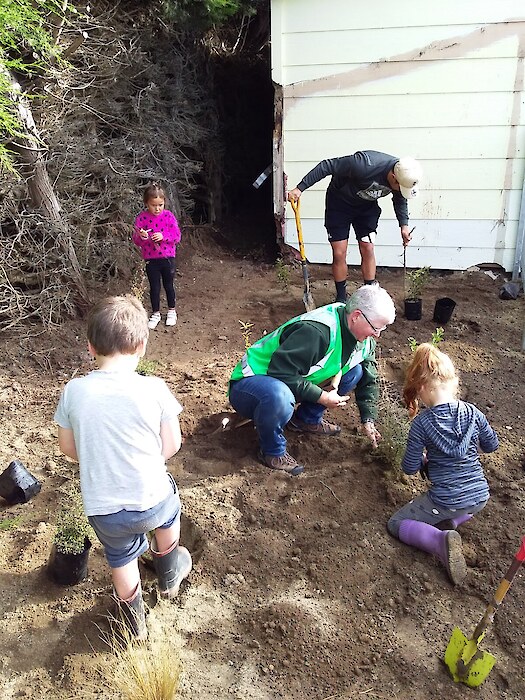
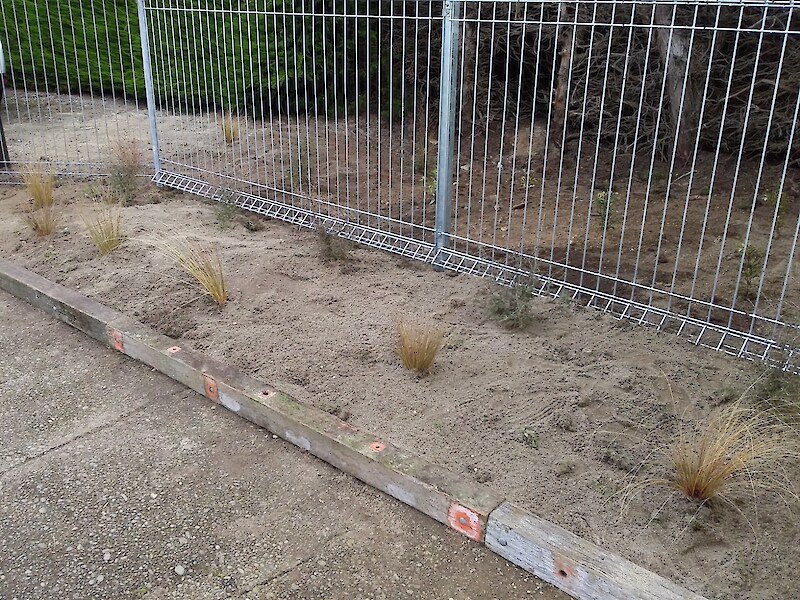
Ready with a boot full of plants I headed out and worked with the tamariki and whānau of Roslyn Bush Playcentre to plant some trees. They had demolished a shed and had an area all ready to plant out with NZ natives. The tamariki dug the holes, gently pulled the trees out of their bags and carefully stomped around the plants once they were planted in their new home. We found worms and grubs as we dug, checked out what plant roots look like, and had dirty hands from working with Papatūānuku. Great mahi today Roslyn Bush Playcentre and I look forward to visiting again.
Bronwyn
Posted: 1 April 2021
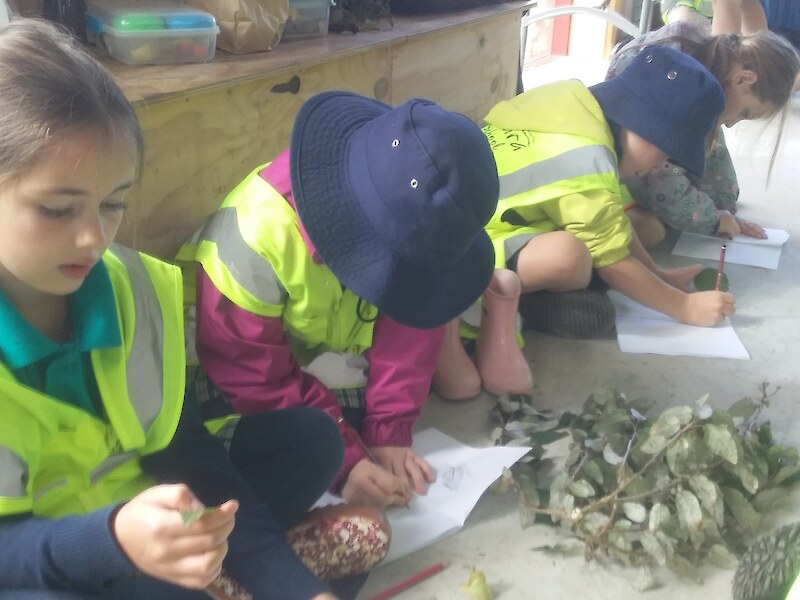
Going bush and noticing lots of interesting aspects about leaves, trees and seasonal changes, these two classes then recorded what they had noticed and learnt about NZ native trees and in particular their school classroom trees in their nature journals. Leaf rubbings, tracing around the outline of leaf edges and recording their observations was complimented by well thought out questions and queries about trees, their life cycles and how they grow. These classes were espeically interested in the roles of birds with their classroom trees - from drinking the nectar of the flowers and pollinating these plants, eating the berries, to pooping the seeds out!
Bronwyn
Posted: 25 March 2021
Your Bioblitz Mission: find as many different species of bugs as you can…
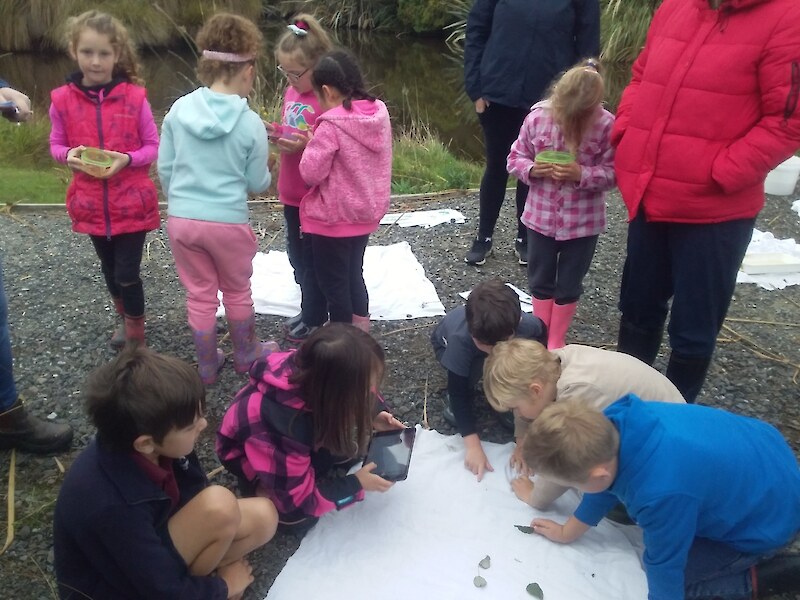
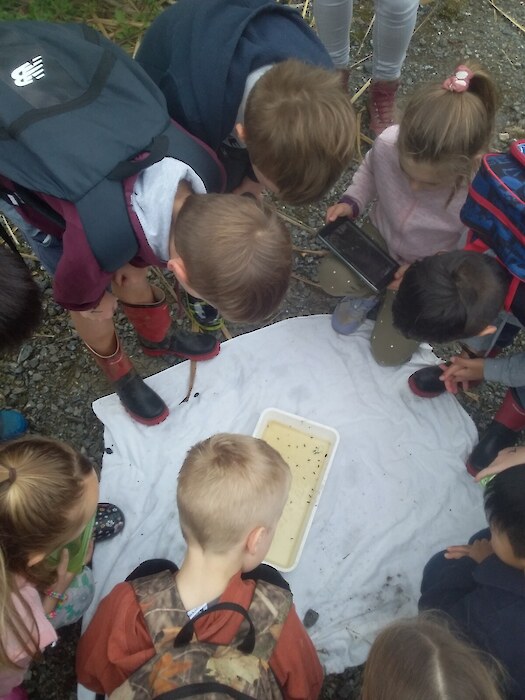
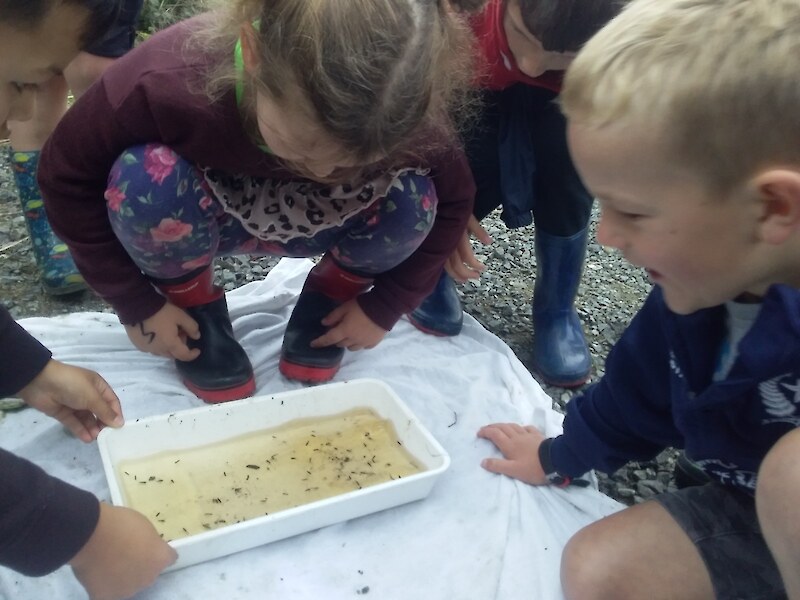
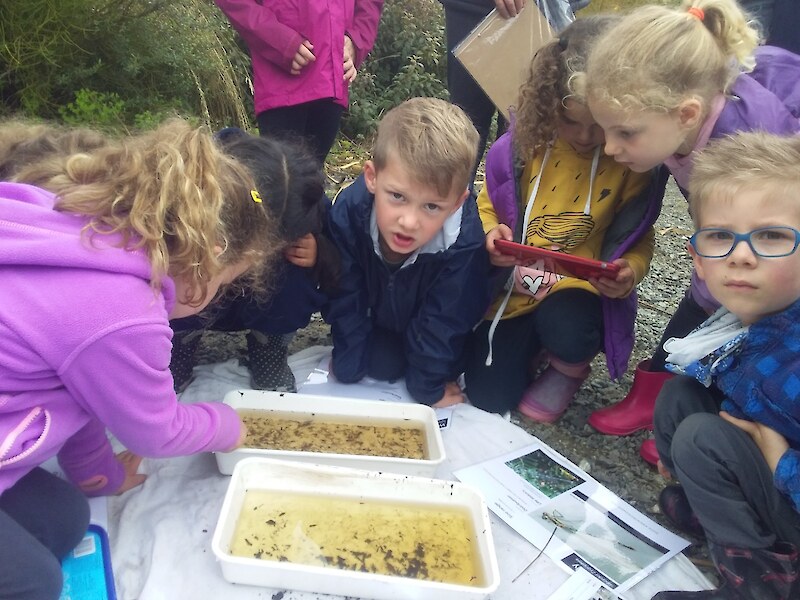
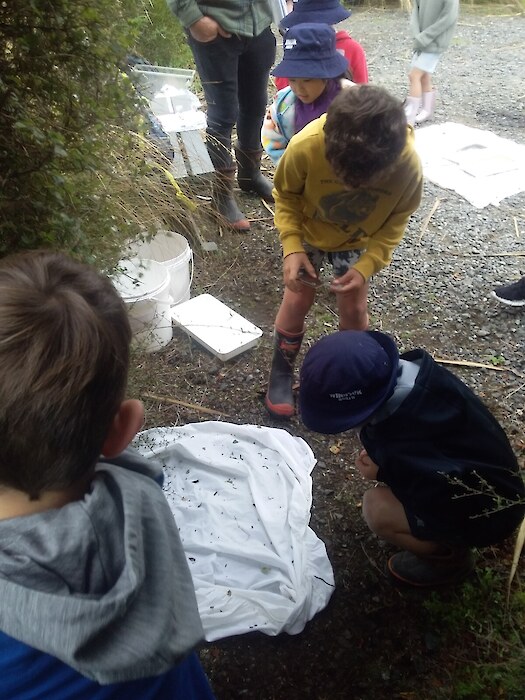
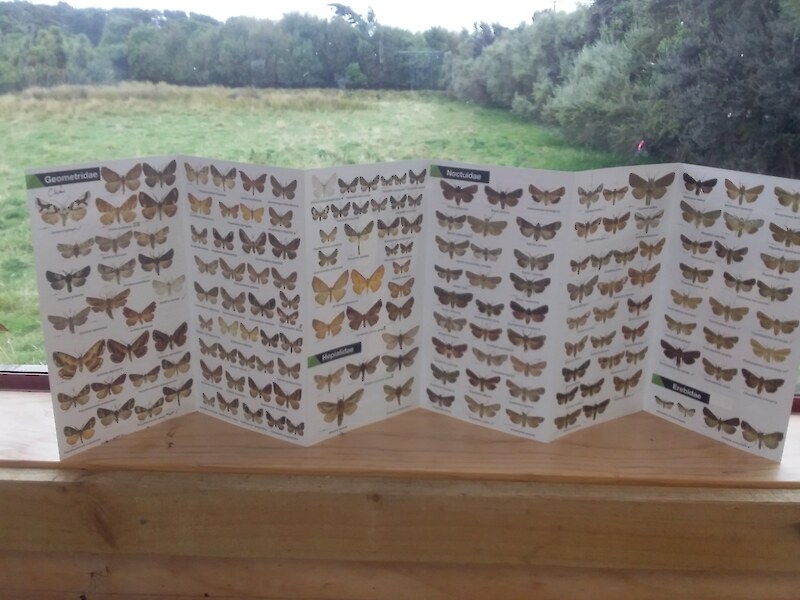
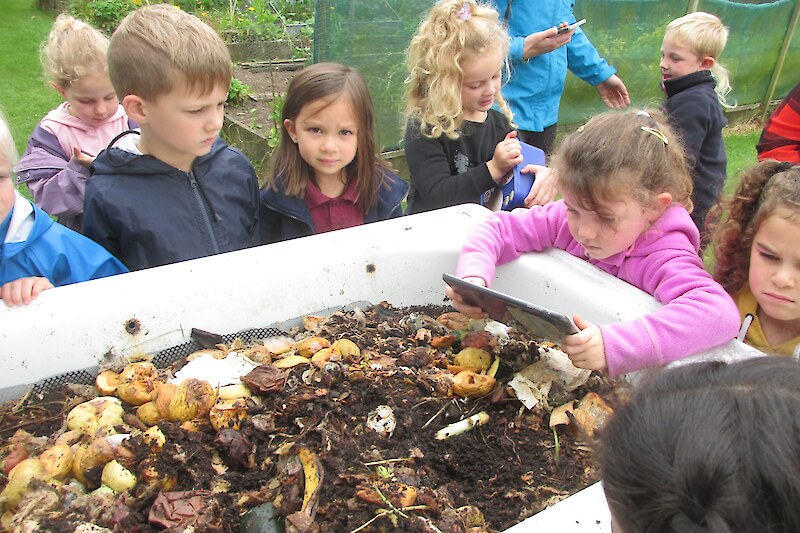
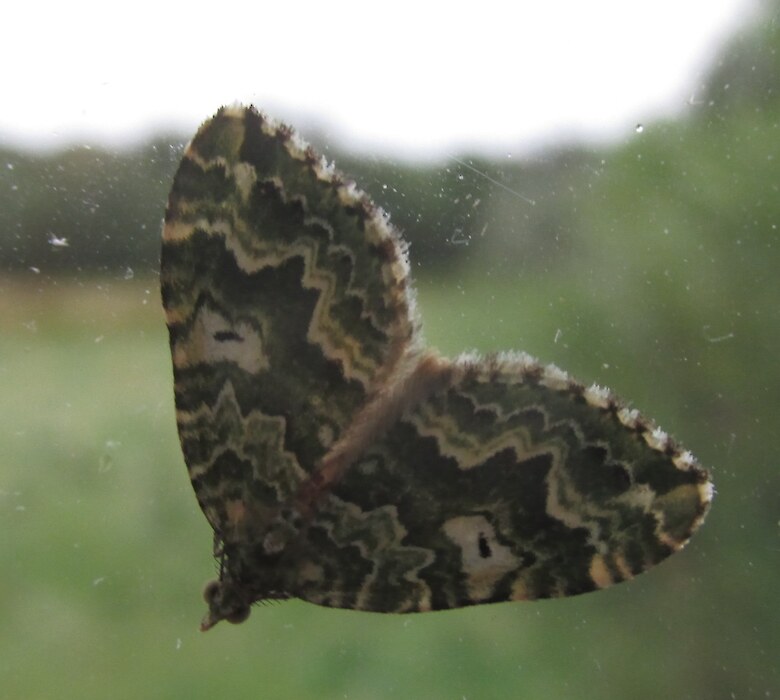
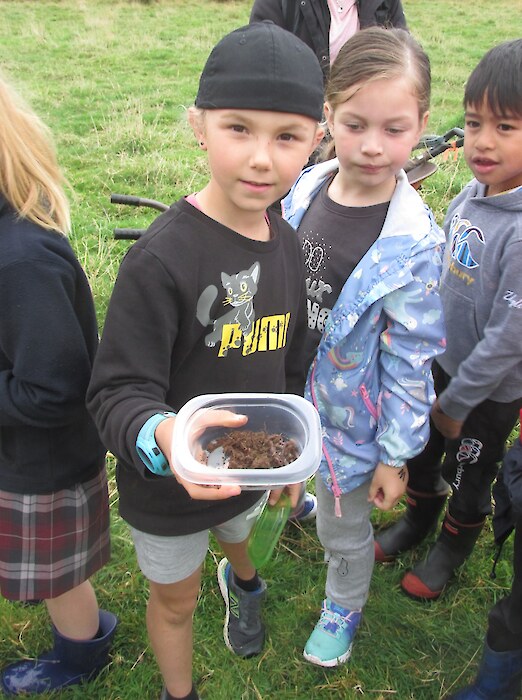
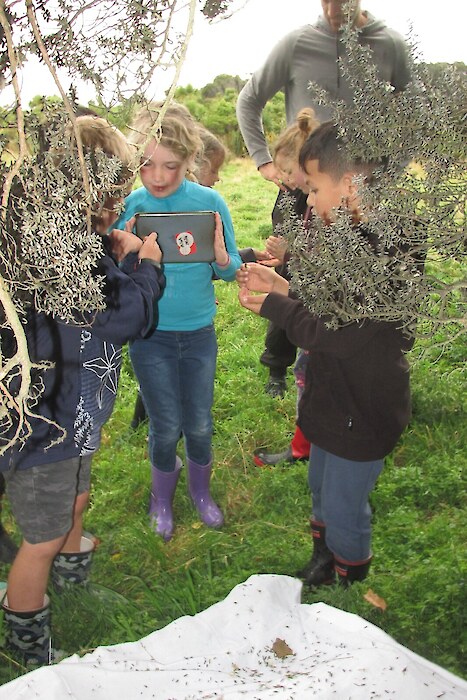
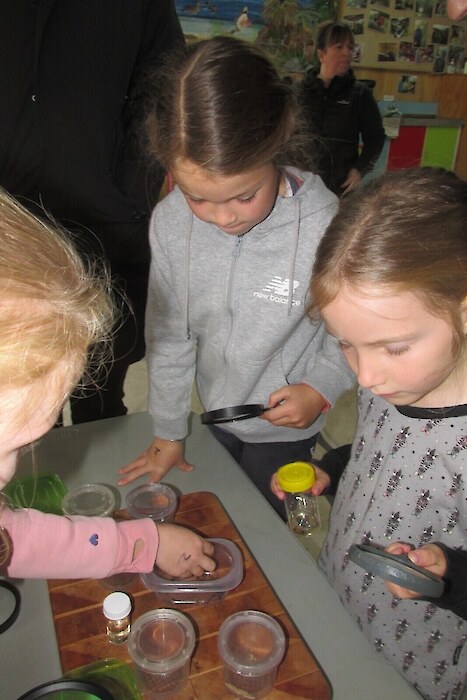
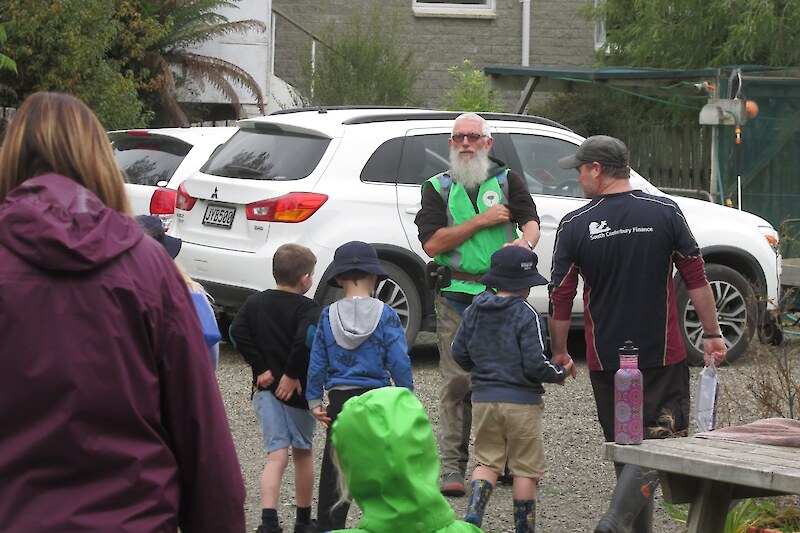
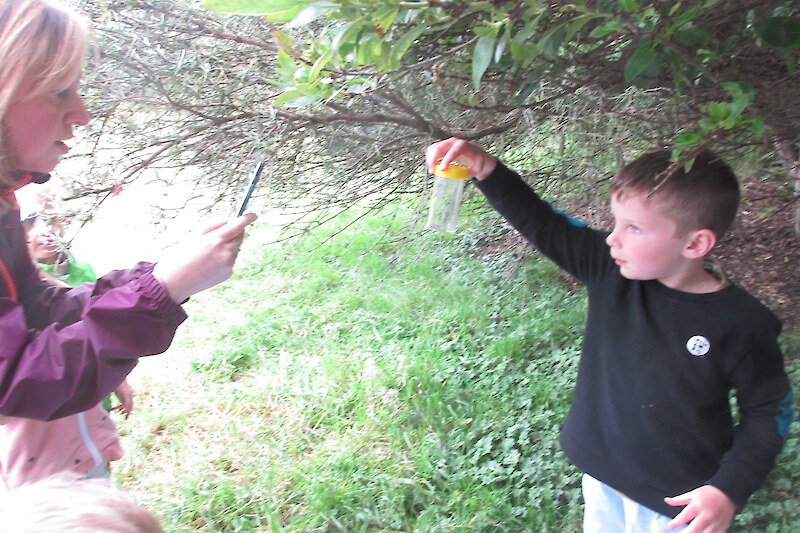
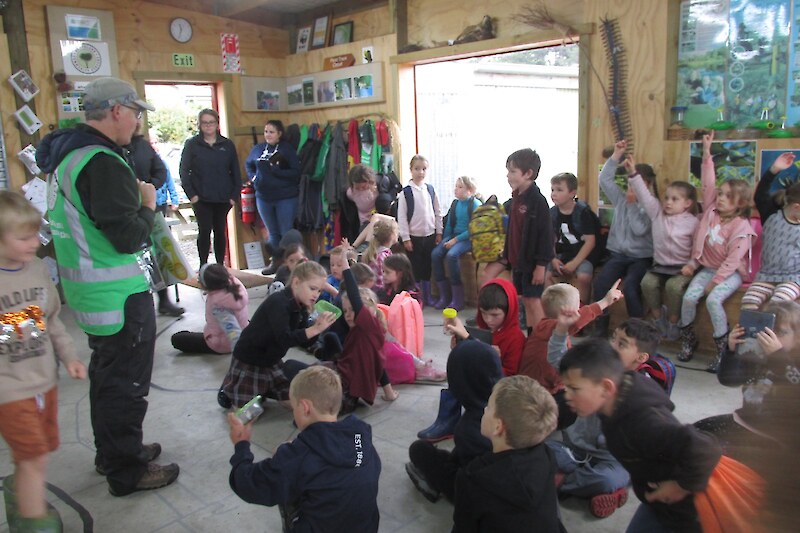
Four amazing Year 1 & 2 classes from Windsor North School spent the day finding as many different bugs as they could, following on from all their learning about bugs this term at school. The students prior knowledge and inquisitiveness resulted in insects being found in all kinds of places - the paddock, under logs, in the bush, in the pond, and even in the worm farm! Questions and discussions highlighted where insects live, what they eat and who eats them, body parts, some basic identification and classifying. Amazing connections were made between the roles and importance of insects and human existence!
Bronwyn
Posted: 25 March 2021