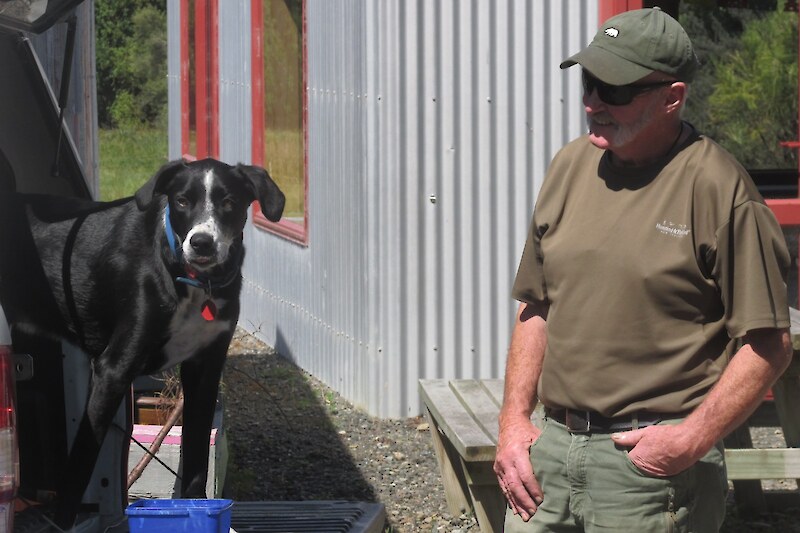
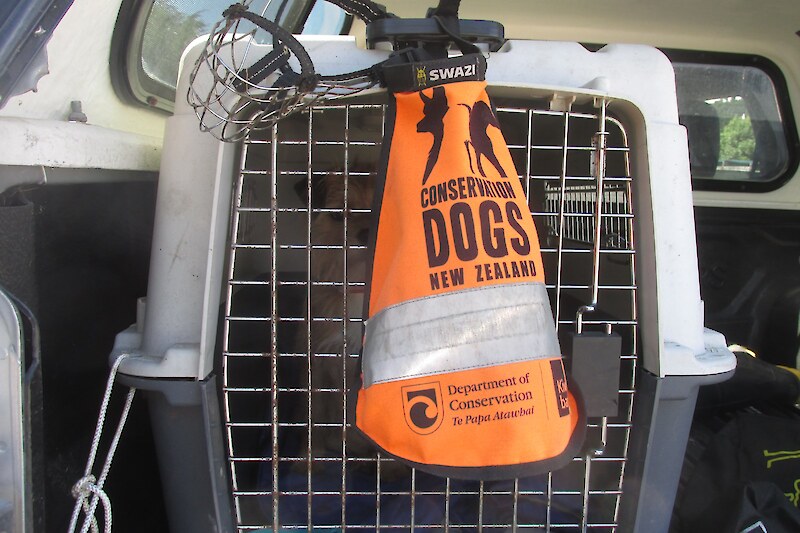
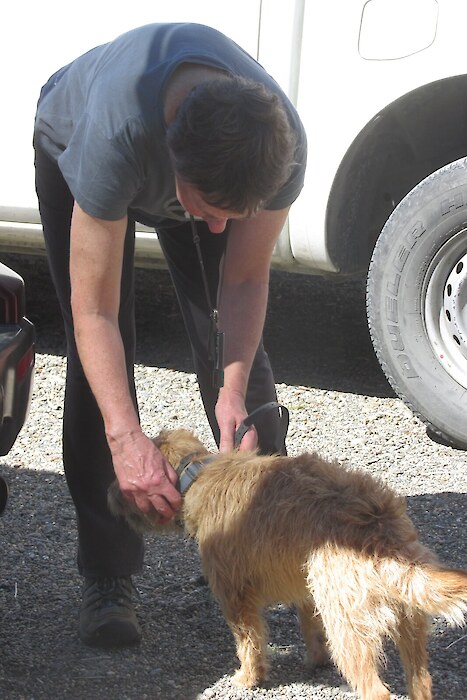
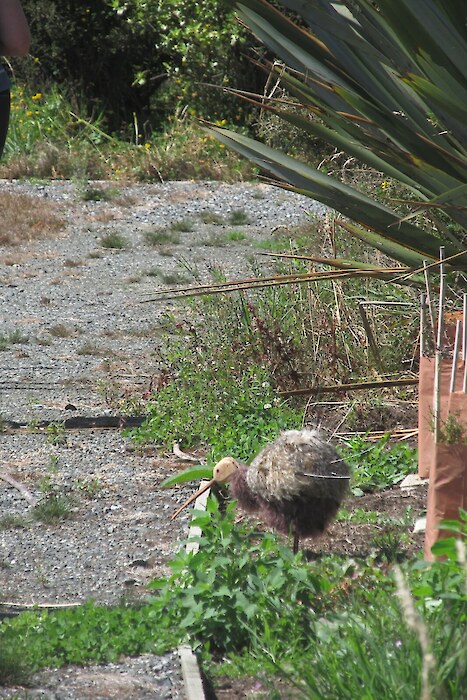
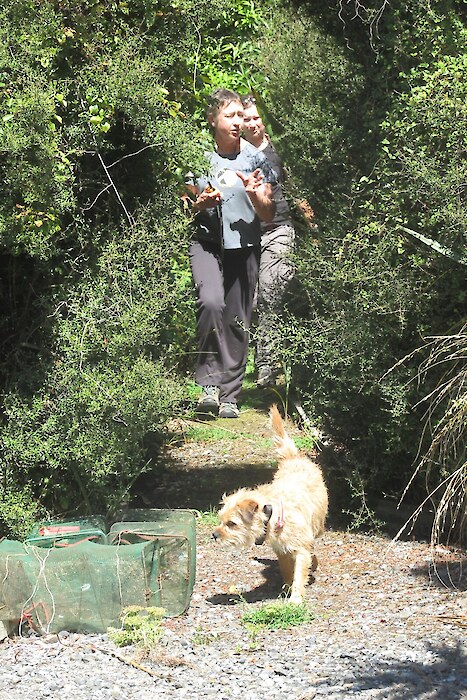
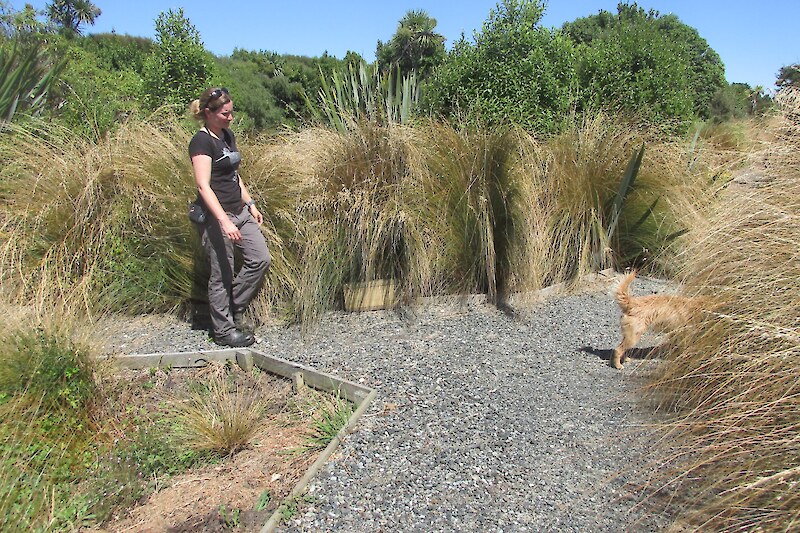
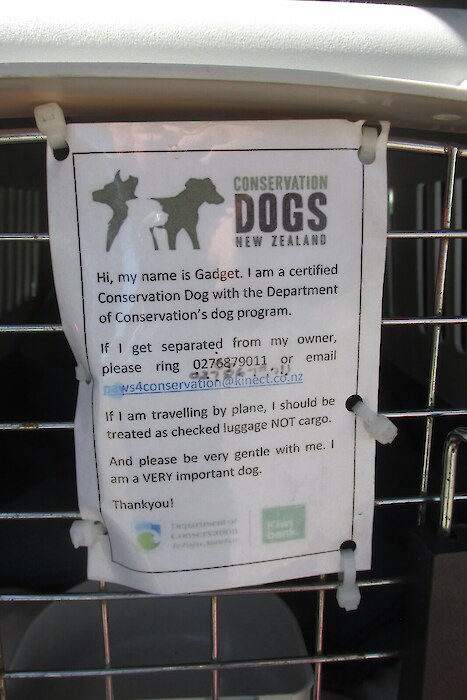
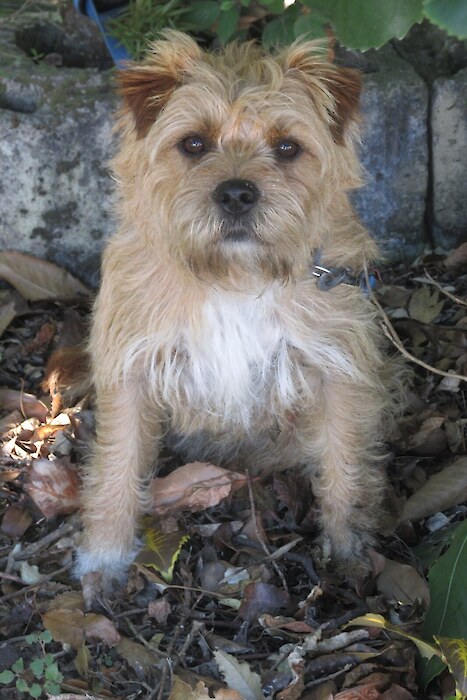
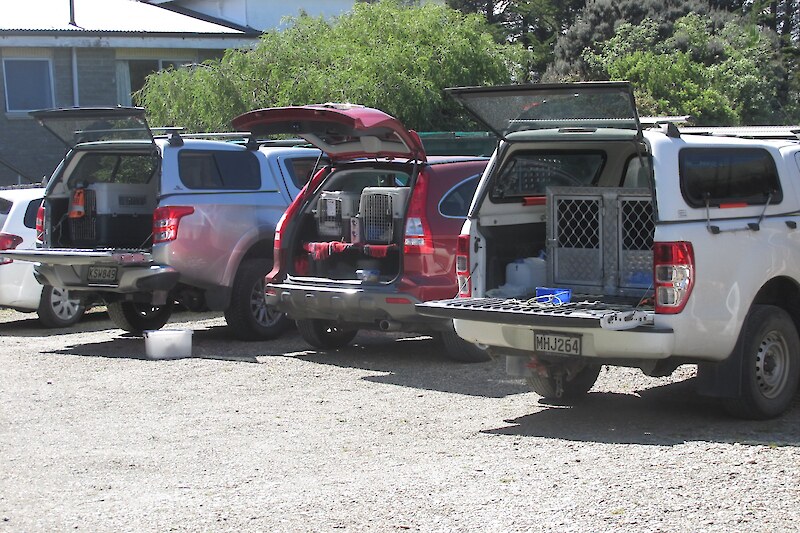
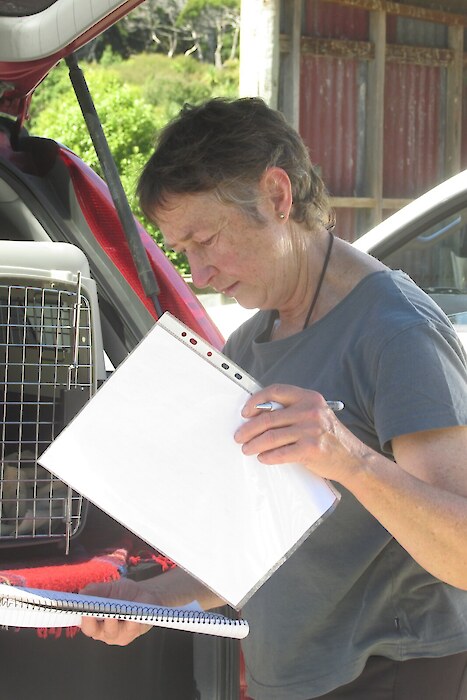
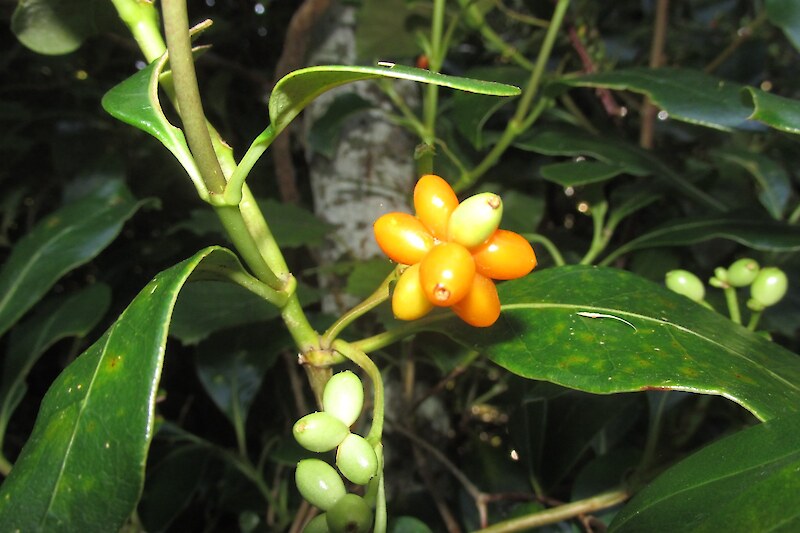
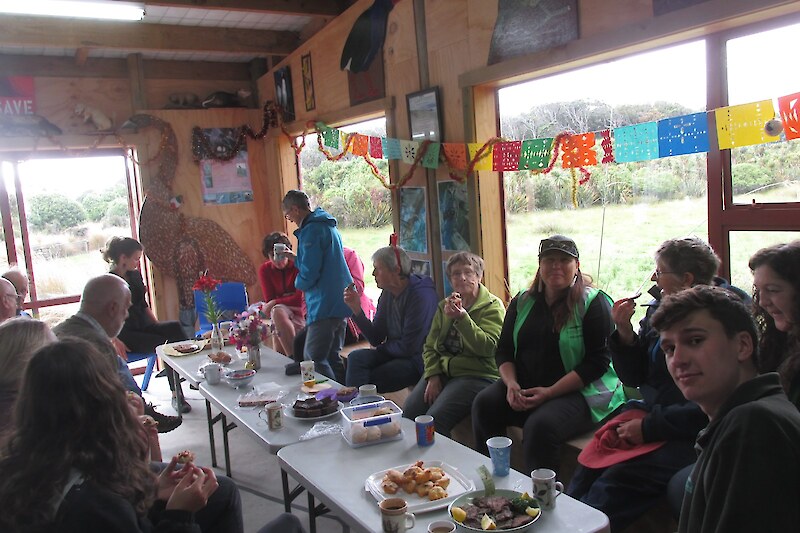
On 10 February we had three important visitors to our property – pest species dogs, Mawson, Finn and Mica who brought their owners Sandy, Graeme and Karen, to do part of their training certification. The day jobs for the dogs is to sniff out invasive species – rats and mice and weeds, but today they were doing their kiwi avoidance training. It is a requirement for all dogs in the conservation dog programme to have a current kiwi avoidence training certificate to work in areas with kiwi. It’s also recommended that any pet dogs that may go into places where kiwi live also go through the training.
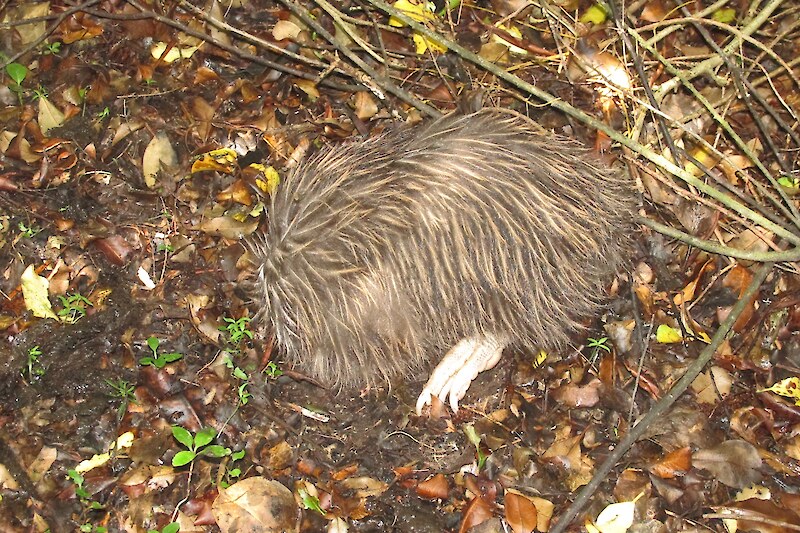
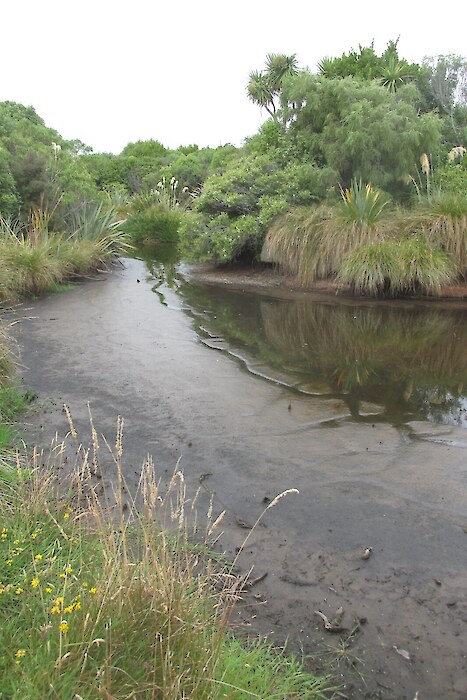
Special kiwi lures were set around the pond track (only kiwi poo and a dead kiwi that had been found as roadkill) and the dogs, with electric collars, walked freely on the tracks and needed to ignore the kiwi lures, which they did successfully. Sandy King had come over from Stewart Island to lead the training and our property provided a good place where the training could be held without potential interruption from the public.
Thanks Sandy, Graeme and Karen for insights into this special world.
Chris
Posted: 17 February 2022
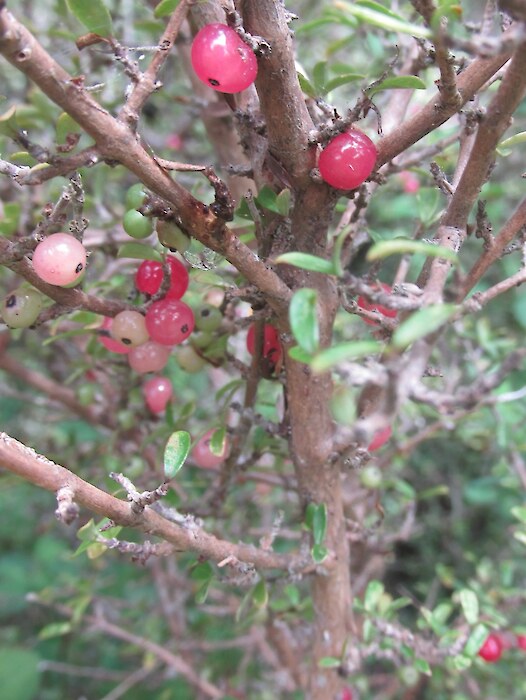
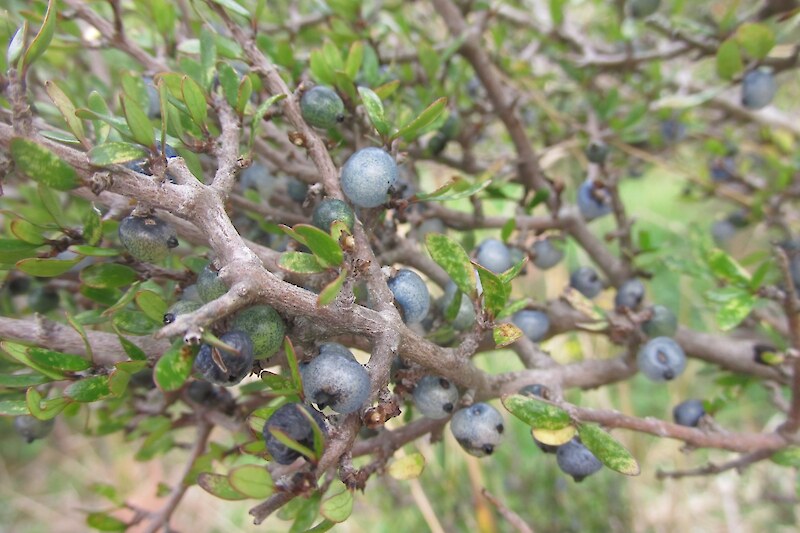
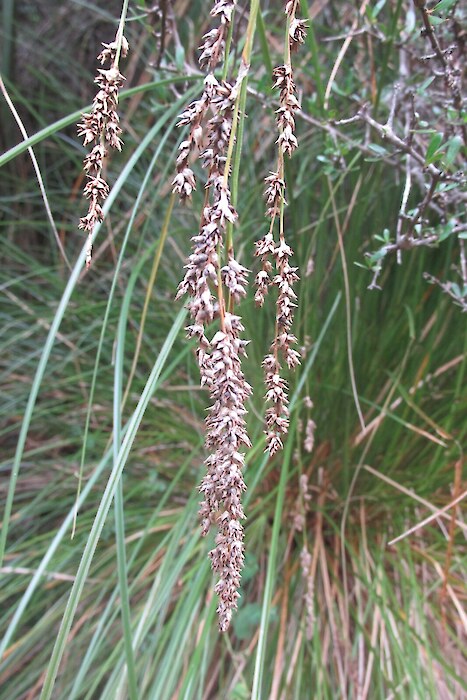
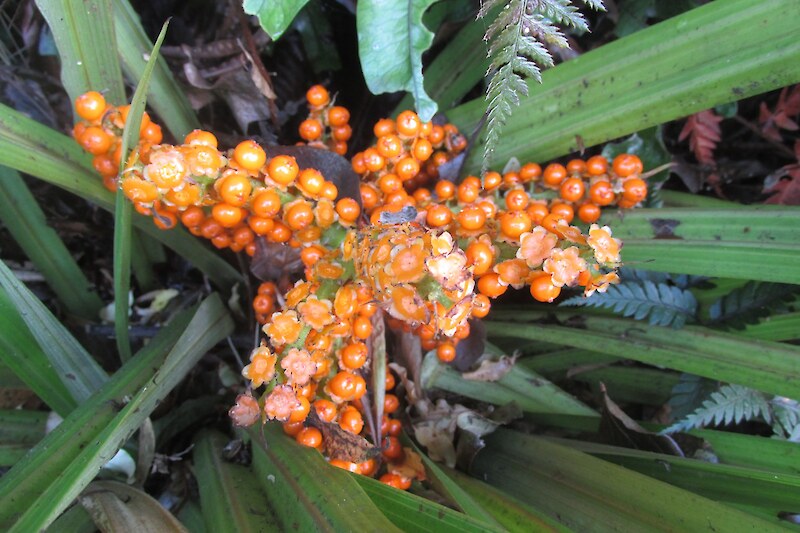
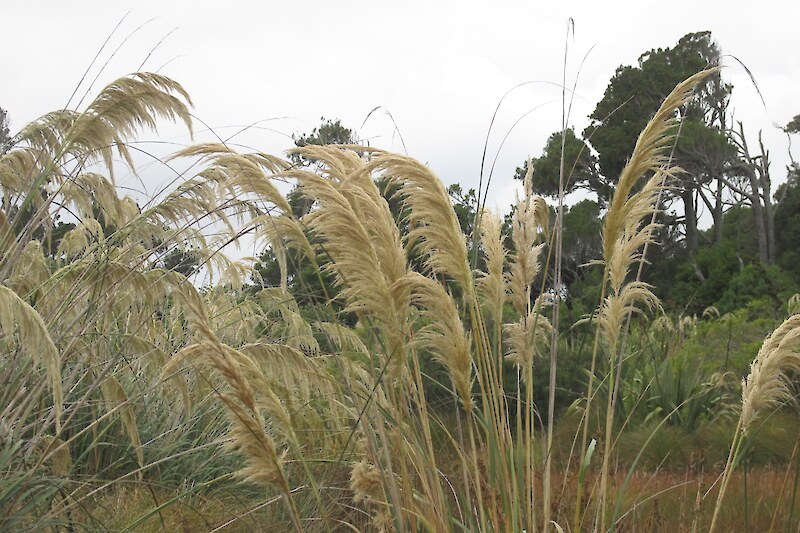
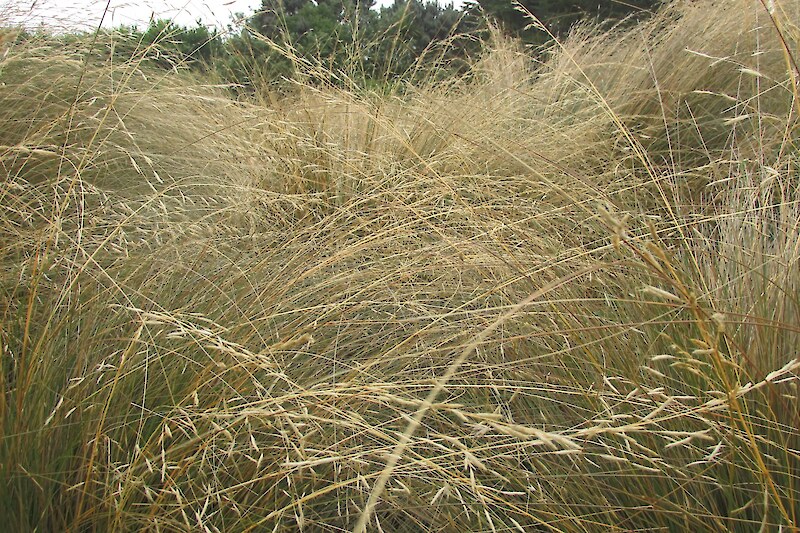
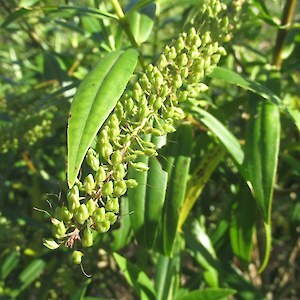
It feels to me that seeds are ripening earlier this year in Otatara. We had a wet spring and a dry hot summer (mostly) so lots of seed collecting commenced early – from Clematis, red tussock, toe toe and other grasses in December, Olearia daisy seed starting in January and now on to the fruity seeds of Coprosma’s, wineberry, tree fuchsia, as well as Carex.
Later will be Pittosporum, kowhai, pate, cabbage tree, broadleaf, flax, manuka
Because of Covid uncertainties we haven’t booked in any workshops yet but we do intend to run some depending on interest. Here are a few options – if you email your interest in any I will keep a list of people and arrange an appropriate time to hold the workshop
Here are a few examples but feel free to email me if there are other workshops you would like arranging. We did have Jo Ogier booked in for March but that has been postponed and will be held later in the year.
- Seed collecting and plant ID
- Seed cleaning and sowing
- Native Plant identification
- Propagating plants from cuttings
- Growing vegetables in Southland
- Foraging
- Apple Pressing
- Apple Grafting
Friday volunteer mornings are happening with restrictions, see our covid red banner info above.
Keep safe
Chris
Posted: 10 February 2022
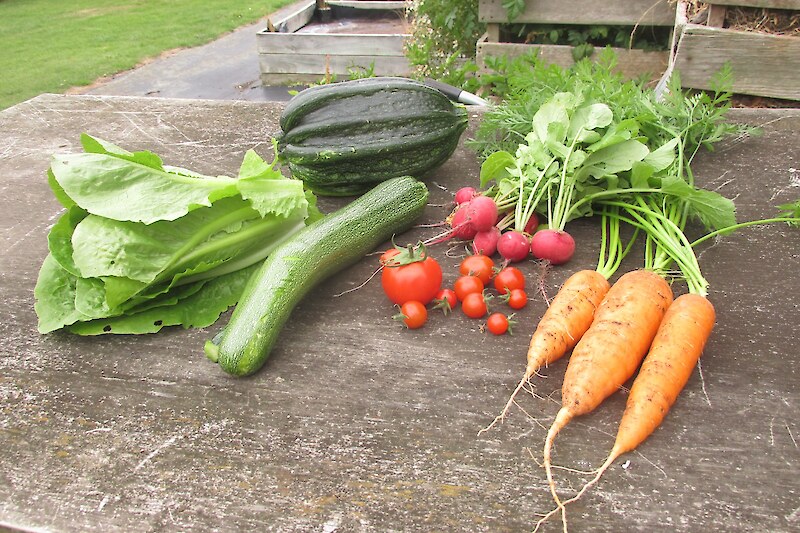
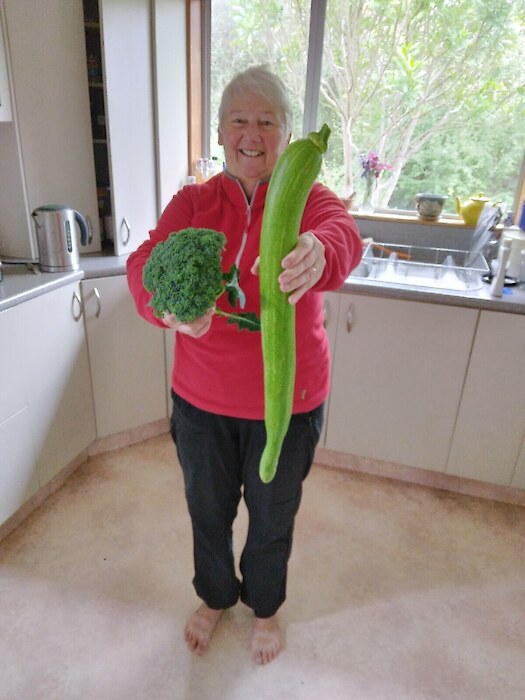
Over the holidays its been a case of watering, watering and more watering! Then weeding, weeding and more weeding! We have also taken the opportunity to plant out at our place – one of the advantages of living on a wetland in a dry summer! The warm dry spell looks set to continue. Because of the hot summer weather seed collecting has already begun – the fluffy seed of native Clematis has been collected, and the first tussock and toetoe has been collected after Chris observed waxeyes eating the toetoe seed (always a sign!!). Also collected salt-marsh ribbonwood seeds much earlier than usual – so keep a lookout for seed as the seed collecting season swings into action – its going to be a bumper one! We have also had a prolific veggie garden and I couldn’t resist a photo of two of my successes – the climbing zucchini (Z. ramplicant) and broccoli (normally a failure for us!).
I know you are all champing at the bit, but the Nursery will officially re-open on Friday 21 January 2022. If you are new to the Nursery, don’t forget to bring your Covid passport.
If anyone can help with watering in January please let me know as we have a few trips planned in the near future.
Chris
Posted: 10 January 2022
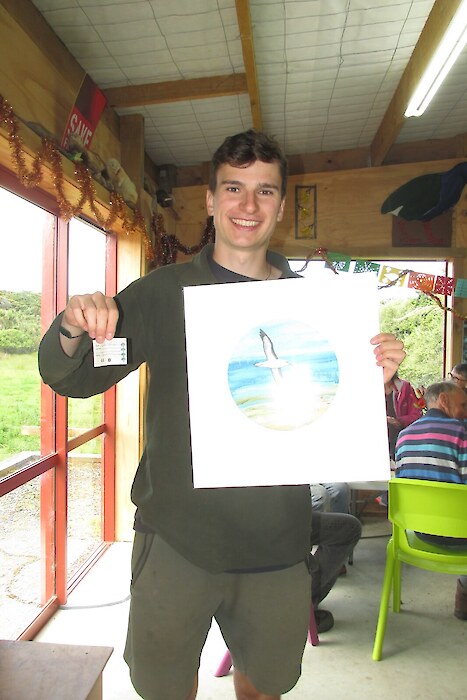
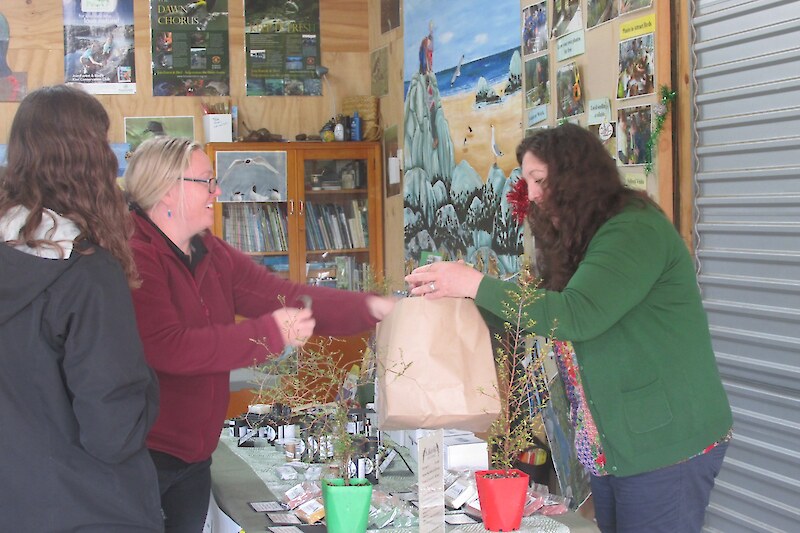
December was busy in the Nursery, building up to the holidays. We had our Christmas break-up on 17 December 2021, the highlight (as well as very good food and Honorleas natural body products) was the raffle draw for a painting generously donated by Jo Ogier – Lloyd Esler won the print and Daniel Cocker kindly accepted it for him on the day. The raffle made over $200 for the Nursery – thanks Jo!
As well as Bronwyns school visits documented earlier, during November and December Mark Oster lead three visits from a Pact youth group learning about bush – plants, animals and trapping and also encouraging them to help design the new outdoor education space that we are planning for 2022 – watch this space! “Thank you so much for your amazing energy and enthusiasm when teaching the kids, I know it was a highlight for them”.
To learn more about the work of Pact - http://www.pactgroup.co.nz/overview
Chris
Posted: 10 January 2022
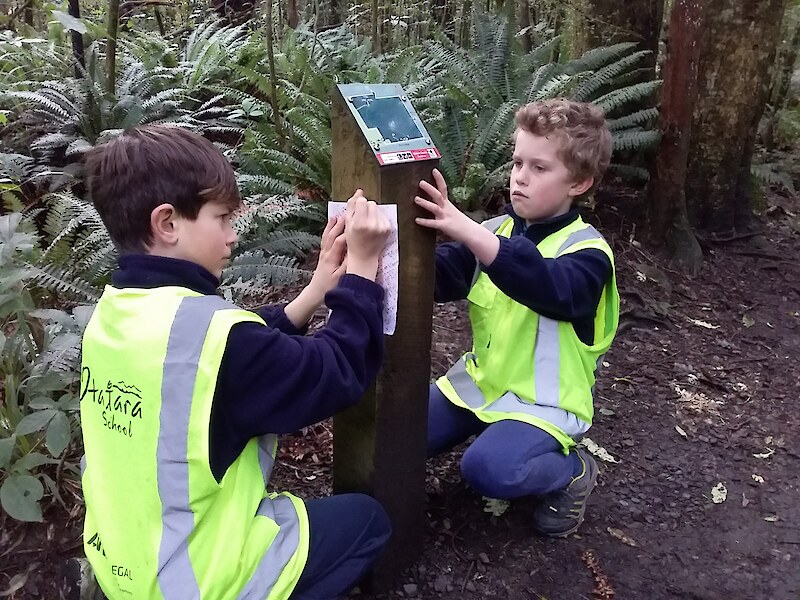
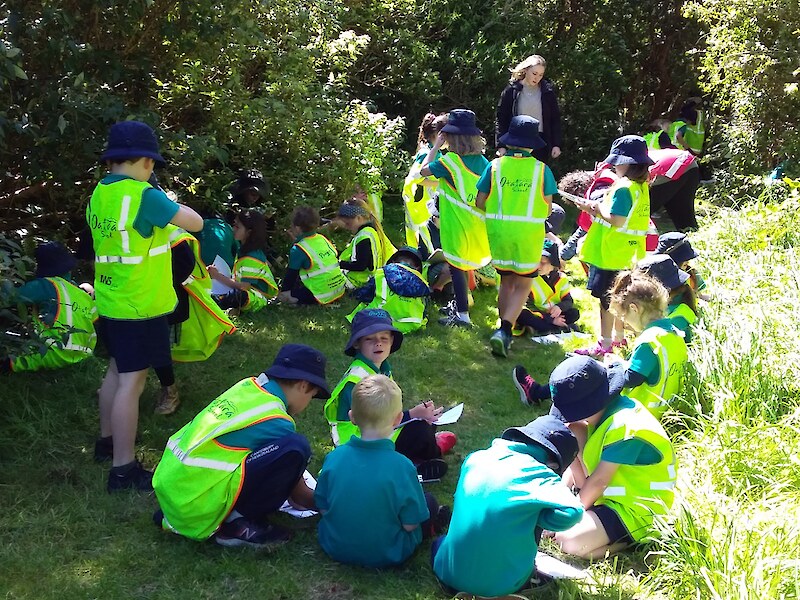
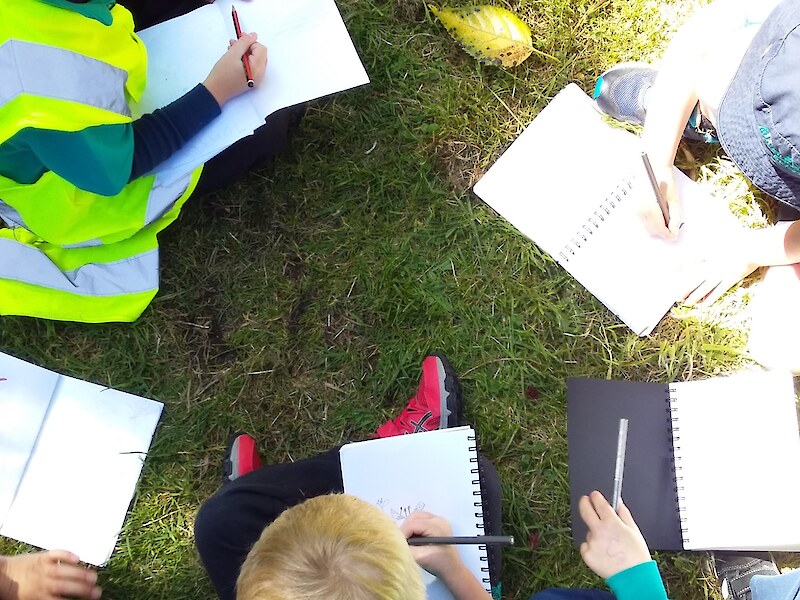
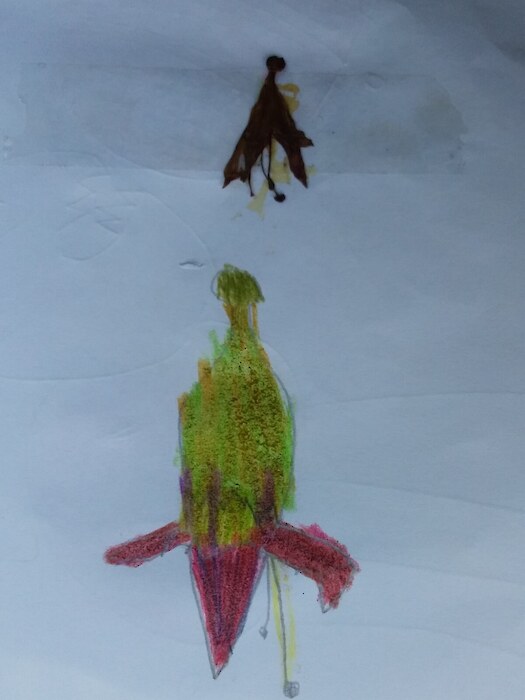
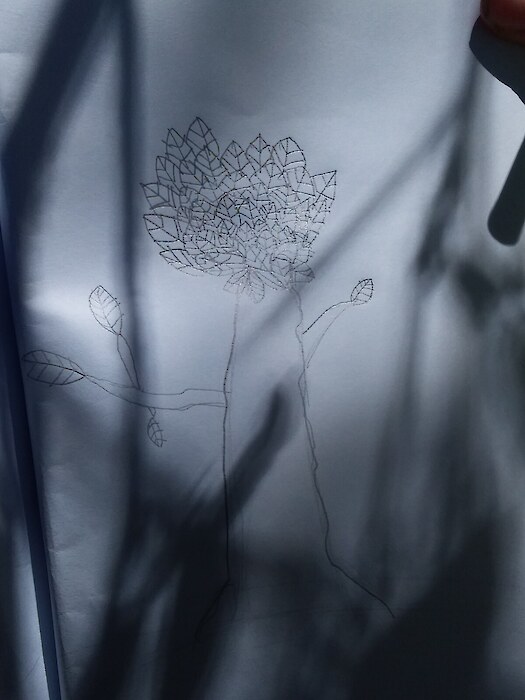
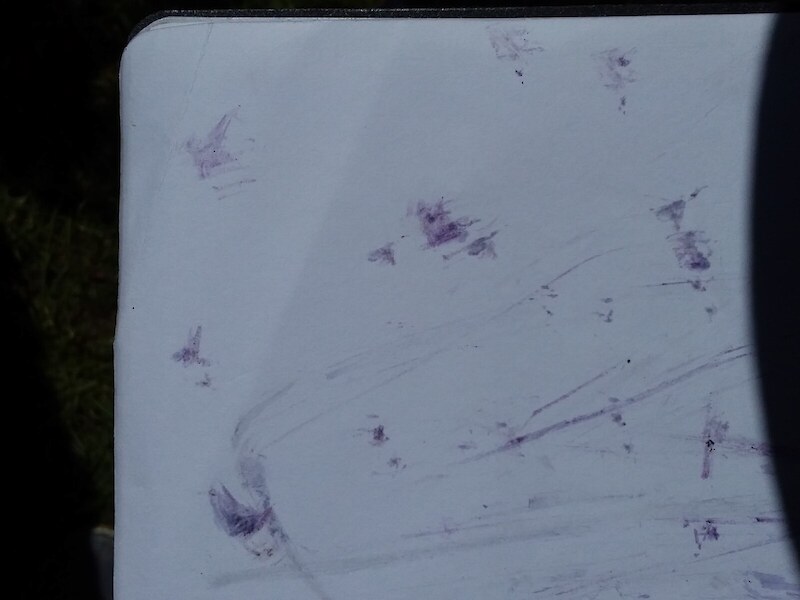
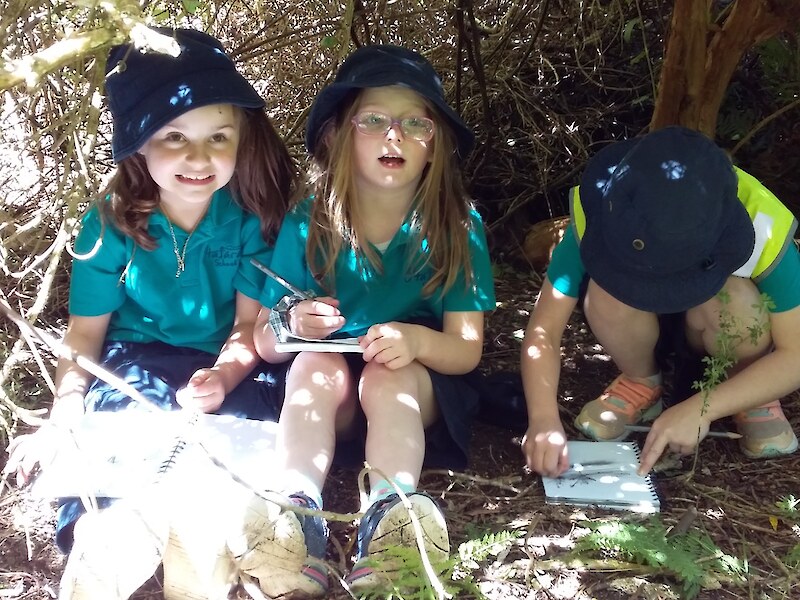
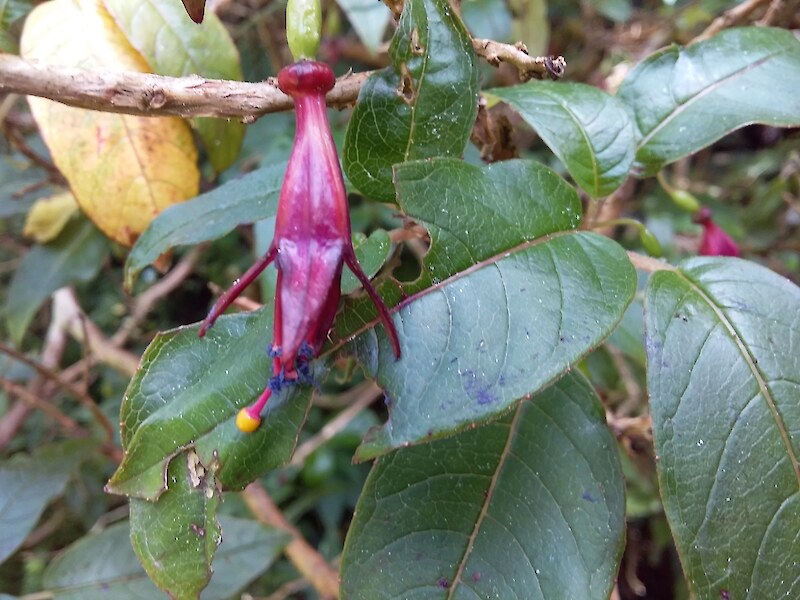
With the nursery still a no go for school class visits (only groups 10 or under can be inside the education centre and a max of 25 outside) I continued with outreach programmes to Otatara School during Term 4. Bush visits with the Kōtukutuku class continued with the students noticing week 1 (19 October) the changes in their class tree (still flowers but lots more leaf growth), and lots of wondering about how and why the flowers fall off. Green oval shaped remnants were noticed, along with the flowers of kōhuhu. Week 2 (26 October) Tōtara joined back in with us, and it was great to see the Kōtukutuku class members communicating what they have learnt and noticed in the time since Tōtara last joined us. The students have sound knowledge on how to identify the kōtukutuku and naming the different parts of the flowers. They have made great connections with the flowers and pollination by birds (like bellbird and tui and insects) and how each helps the other. Wonderings and observations have noticed what is left once the flowers fall, and how these will grow into fruit or konini that can be made into jam! (or eaten by birds which spread the seeds around the forest). 2 November (week 3) observing and drawing in nature journals was followed by trying the blue kōtukutuku pollen on for lipstick! 9 November it was close observation of the blue kōtukutuku pollen and what is happening at the site of the tōtara tree trunk removal from the reserve - lots of Chilean Flame Creeper. Lots of discussion followed around what is a native and what is introduced and what is a pest.
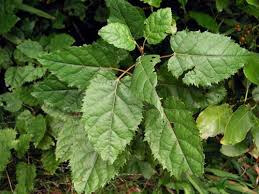
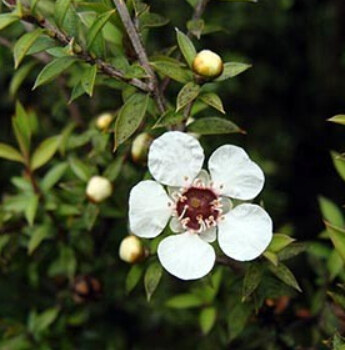
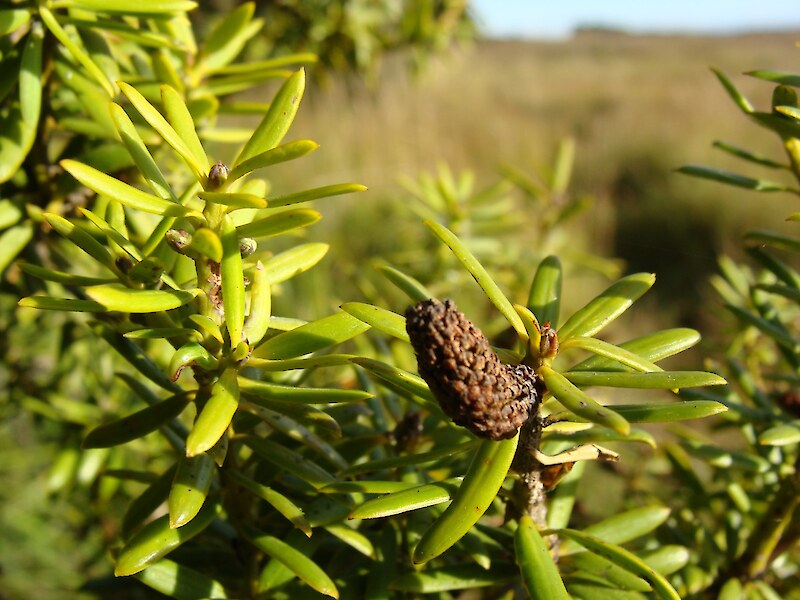
Week 5 (16 Nov) the classes started to plan out what would be needed to pass on the information they have learnt about their class trees this year - the tōtara and kōtukutuku. It was great to learn that they are now experts. Groups chose how they would pass this info on, whether via the newsletter, a book, Botany Whispers, oral histories, a map or fact sheets. Week 6 & 7 (23 & 30 Nov) we went into the reserve so the students could get the photos and other information they need for their displays and week 8 (7 December) the students worked on their displays - what knowledge they were presenting. 14 December ended the term with an awesome visit into the ngahere, noticing the petals of mānuka on the reserve track, hebe flowers starting to develop, tree ferns, the lighter green new growth and unfurling fronds of the understorey crown ferns, fruit on makomako, male cones from tōtara and the changing konini berries from the kōtukutuku. What wonder we find in nature. Otatara are an amazing school.
Bronwyn
Posted: 14 December 2021