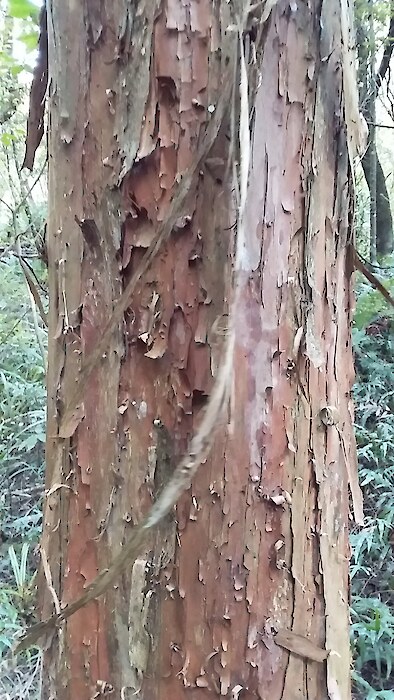
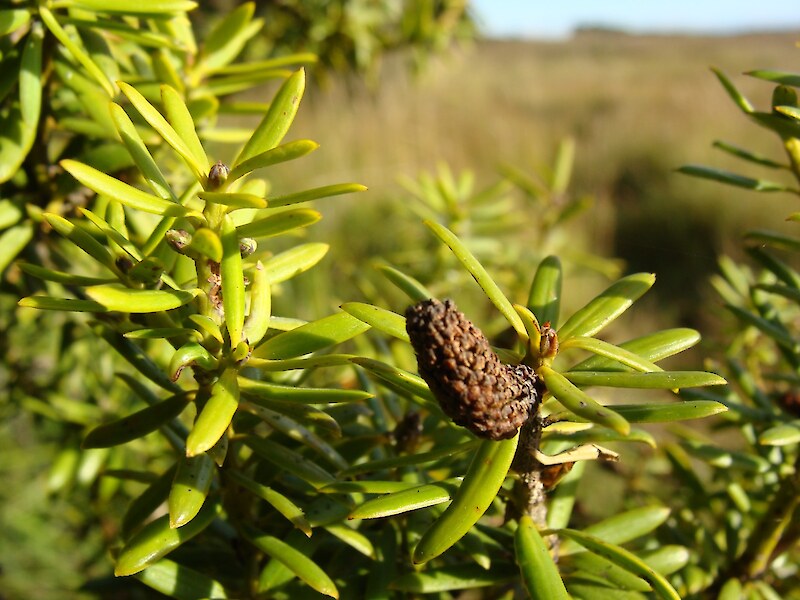
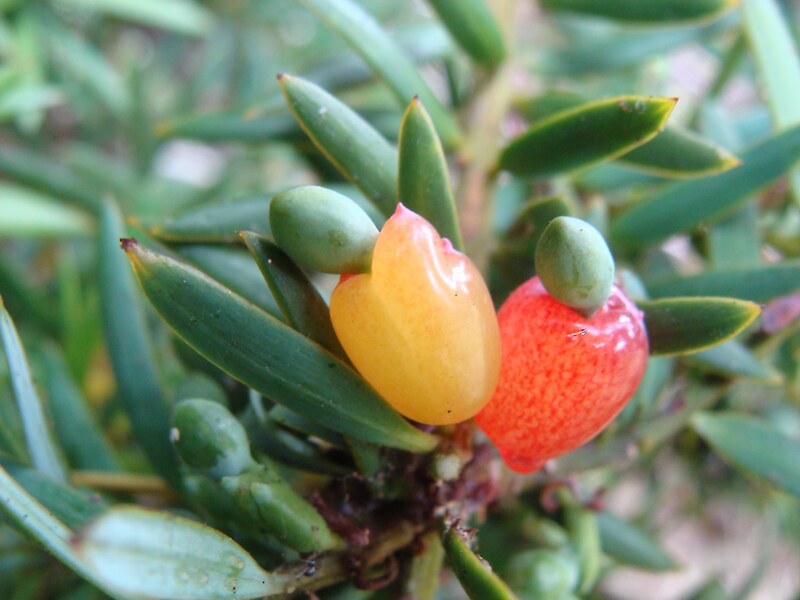
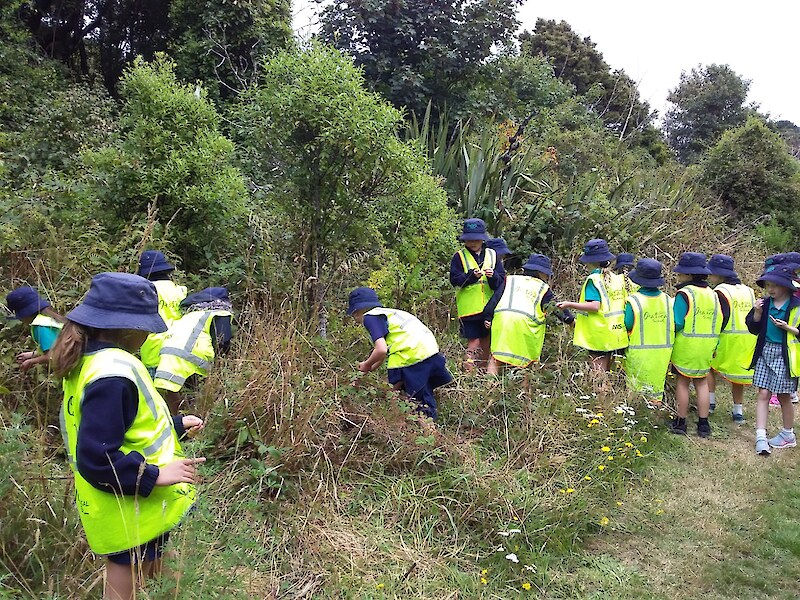
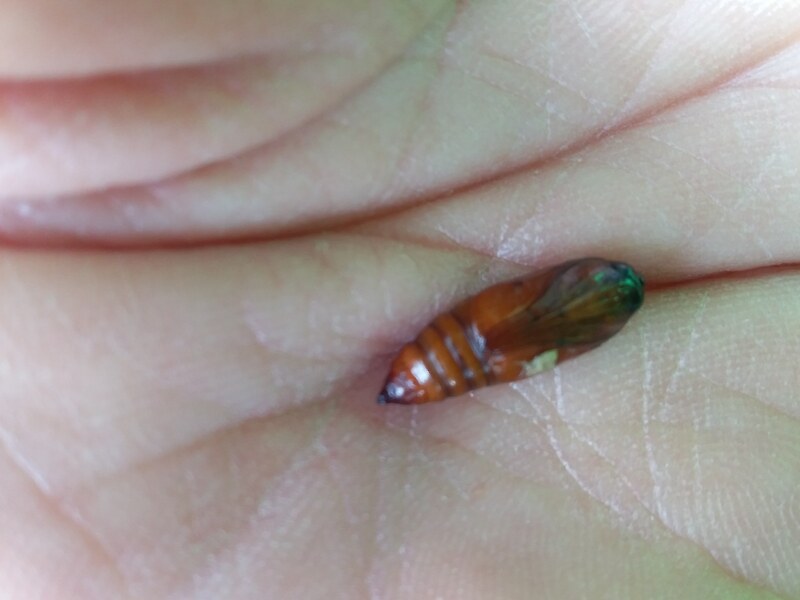
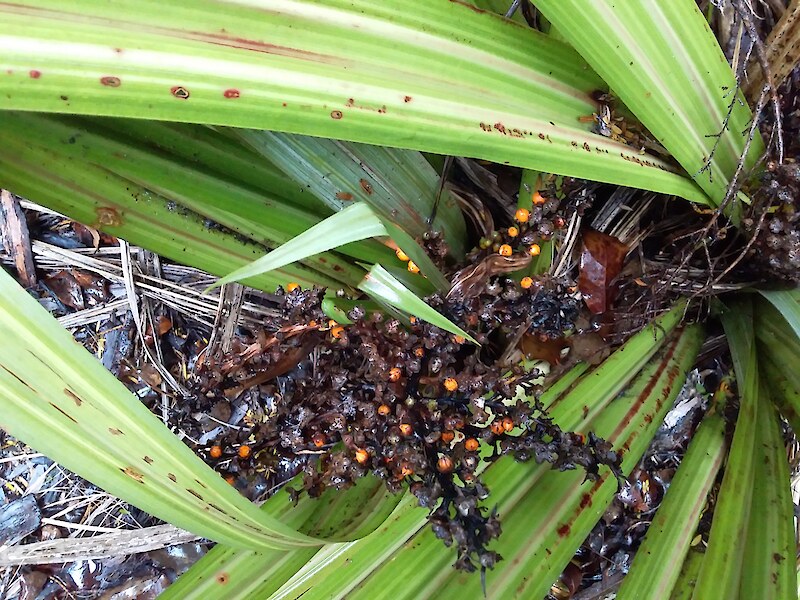
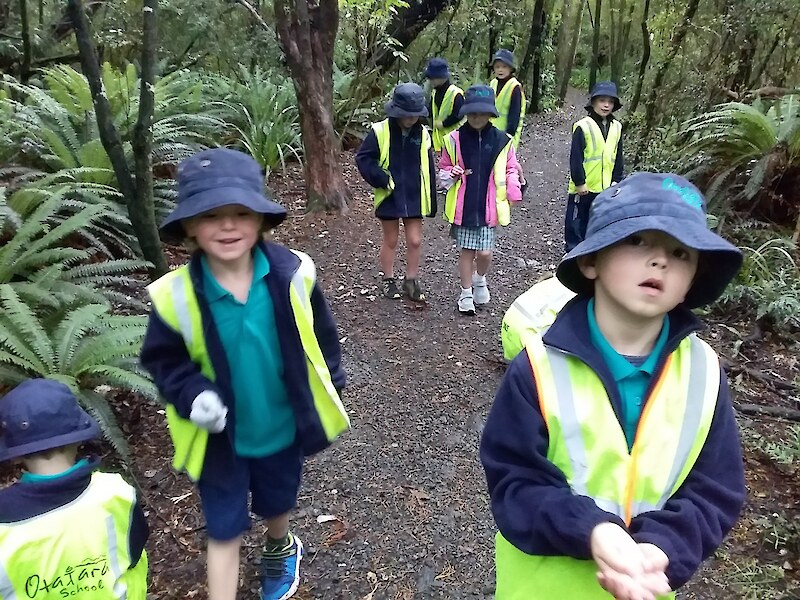
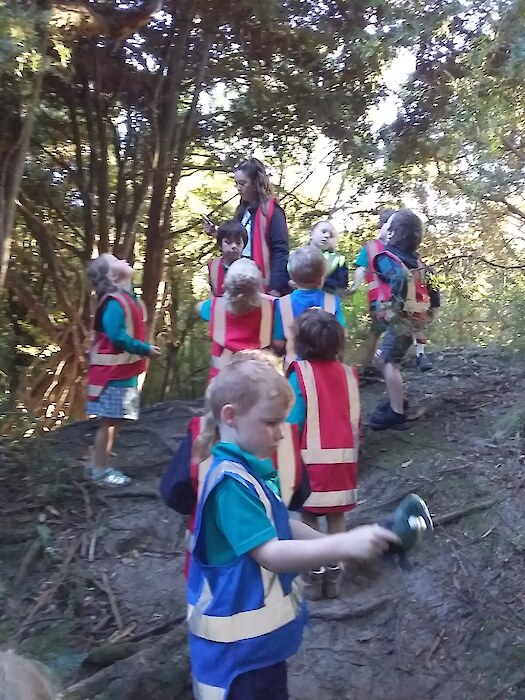
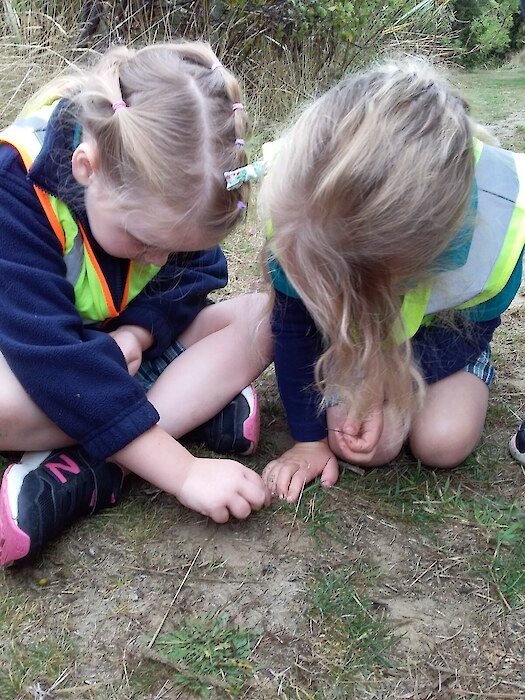
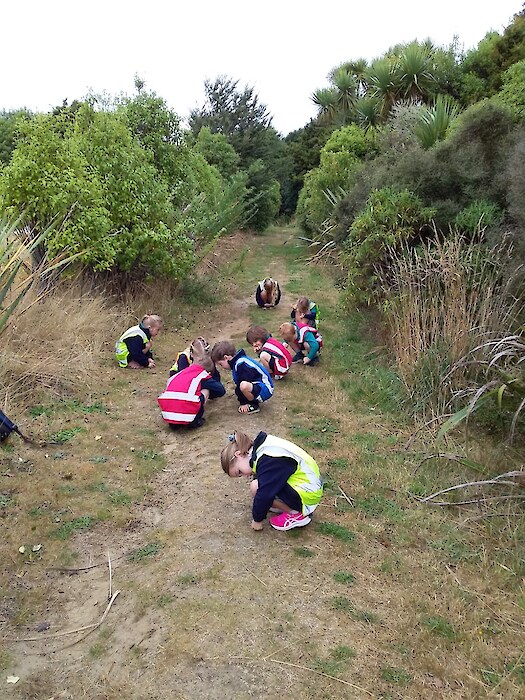
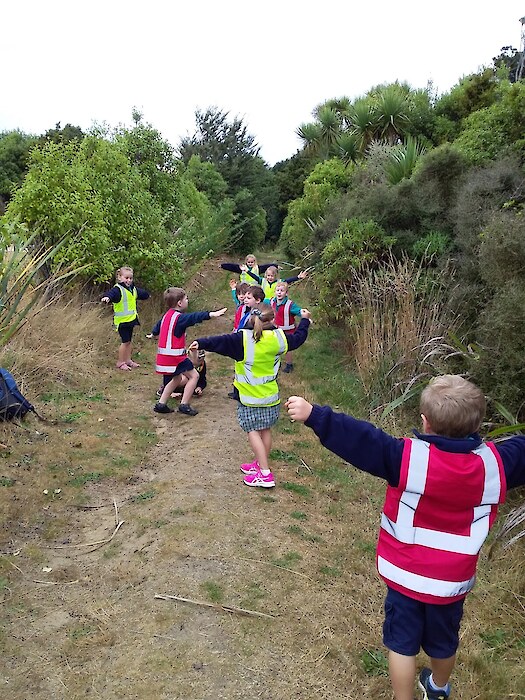
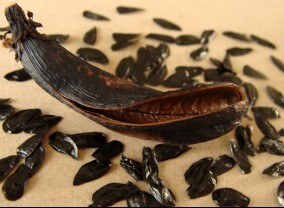
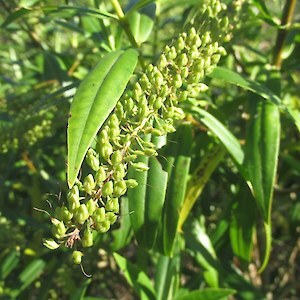
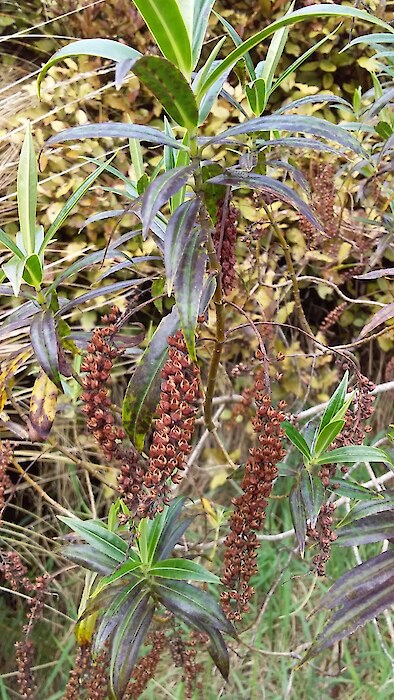
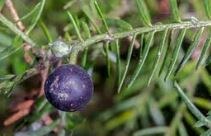
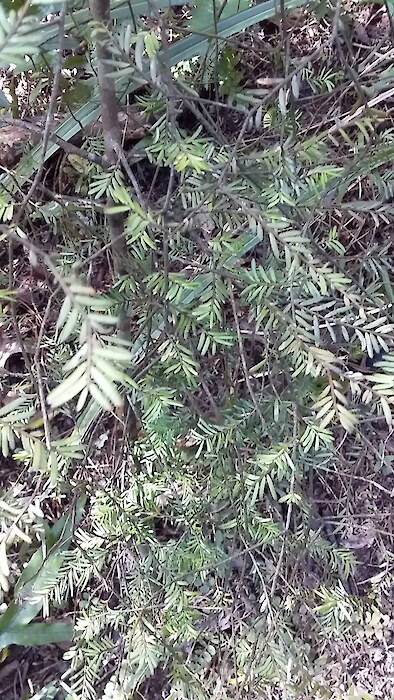
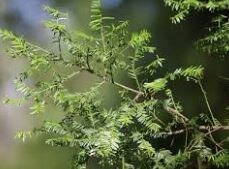
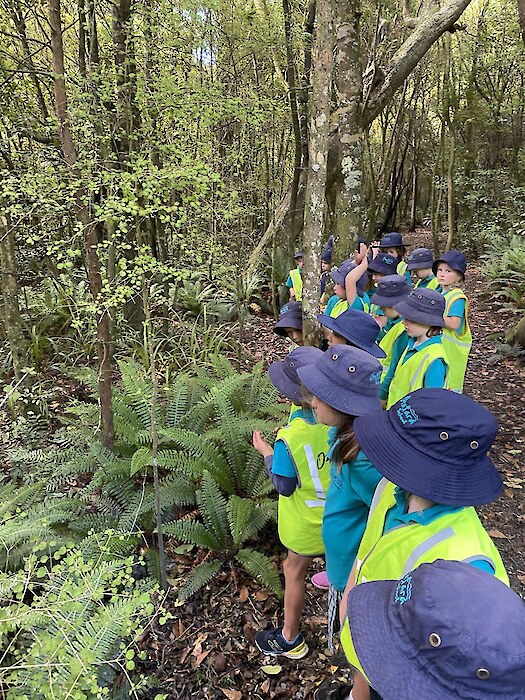
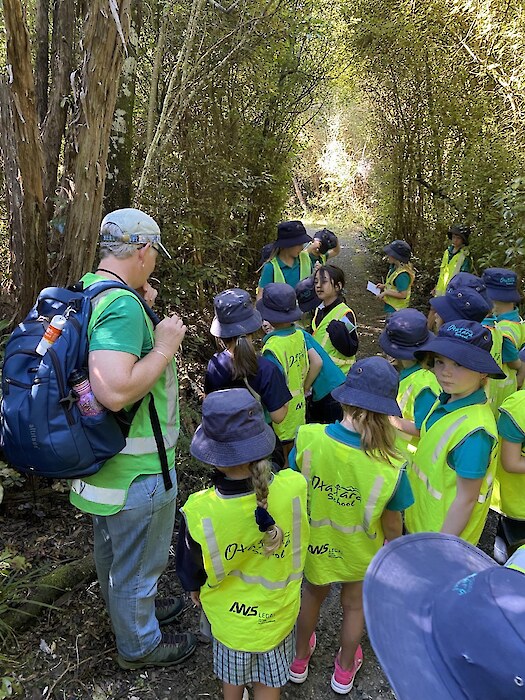
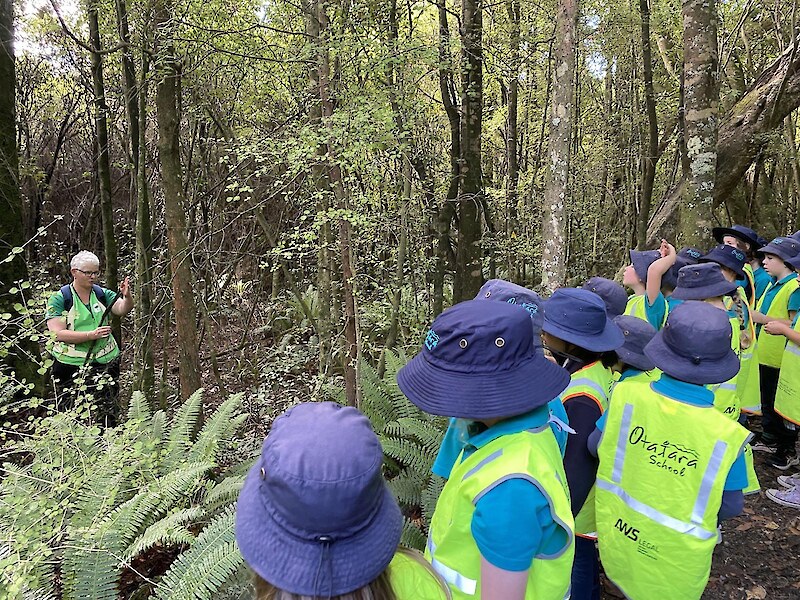
It has been a term of close observing, noticing aspects of the bush reserve, and the seasonal changes occurring in this habitat. The 1st March we set off to the reserve - and the students showed me what an observant bunch they are. We found both a tōtara fruit and cone - from the female and male trees respectively. What great spotting. We also noticed the different birds living in the reserve seeing or hearing tui, kererū, bellbird and pīwakawaka. There was also lots of blackberry eating!
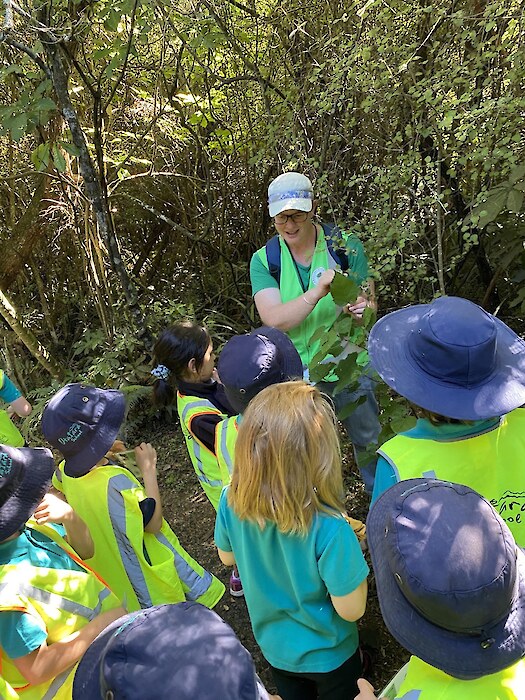
15th March our hikoi through the bush focused on meeting some of the other trees that classrooms are named at Otatara School. As well as finding tōtara (including fruit with the seed on the outside) we found mataī, wheki ponga, mānuka, kapuka, horopito, kahikatea, kōtukutuku, pōkākā and tarata, comparing the leaves and other characteristics of these NZ natives. We spotted kererū dive bombing and ate some more blackberries - noting that the seeds of these berries are on the inside. We also spotted other seeds - kōhūhū, grasses, flax and heaps of sycamore seeds on one tree - just like helicopters.
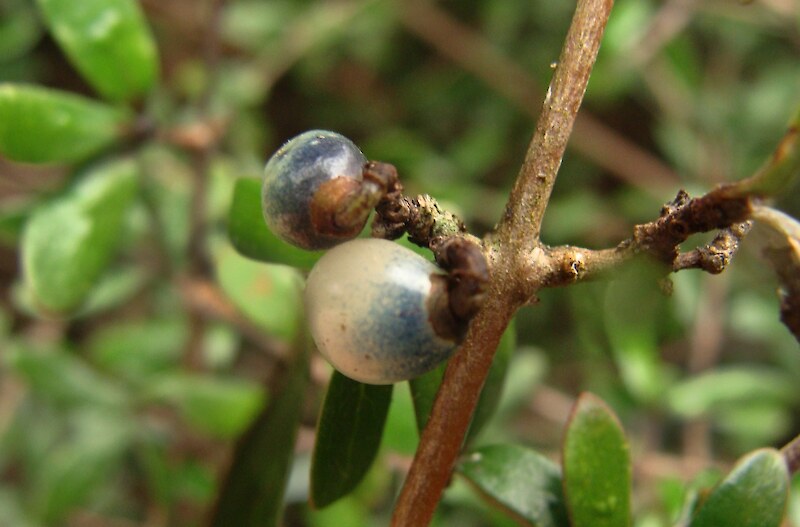
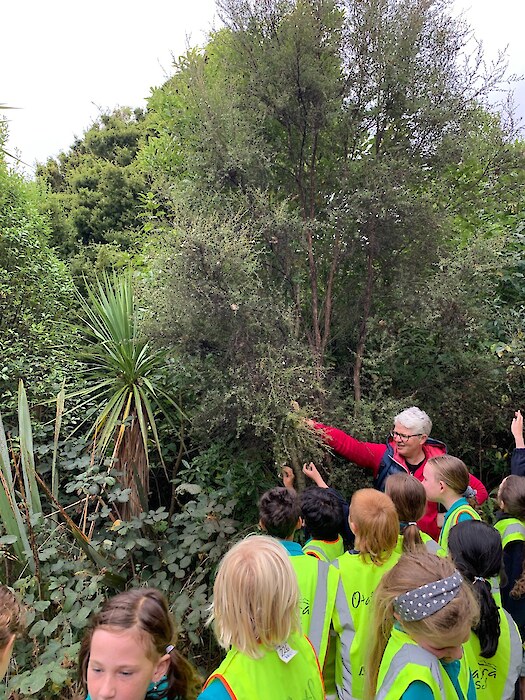
29th March and Mrs Scarlett had kahikatea and pōkākā seeds that she had found at her place. After identifying the pōkākā there was discussion around tōtara and kahikatea fruit looking similar with the seed on the outside. That is because these 2 species (as well as miro, mataī and rimu) are all from the same podocarp plant family. Then it was looking eyes on to spot different seeds in the reserve. We didn’t make it very far as the noticing was exceptional. We spotted lots of seeds today - either as part of a berry or in a seed pod. Seeds discovered today included kōwhai, flax, tī kōuka/cabbage tree, mānuka, toetoe, mingimingi, tōtara, kōhūhū, Astelia, Hebe, tarata and even the seeds of non-natives and pest plants (like blackberry, sycamore and ragwort!).
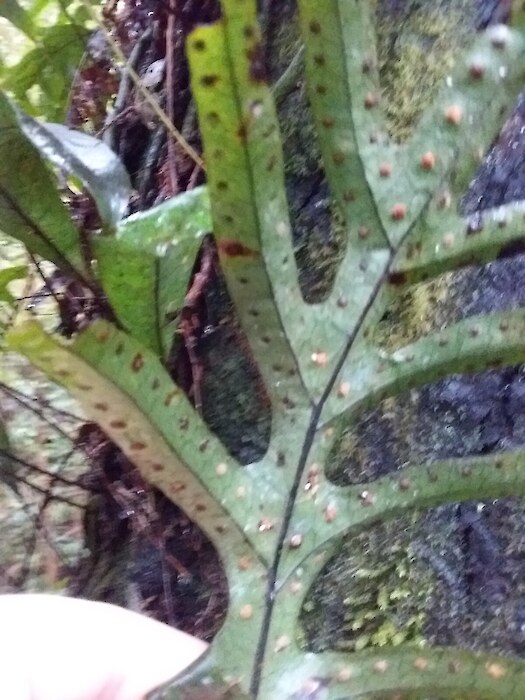
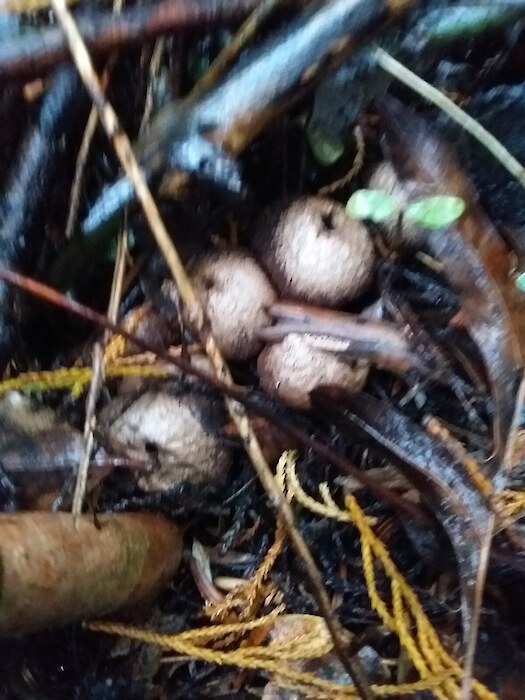
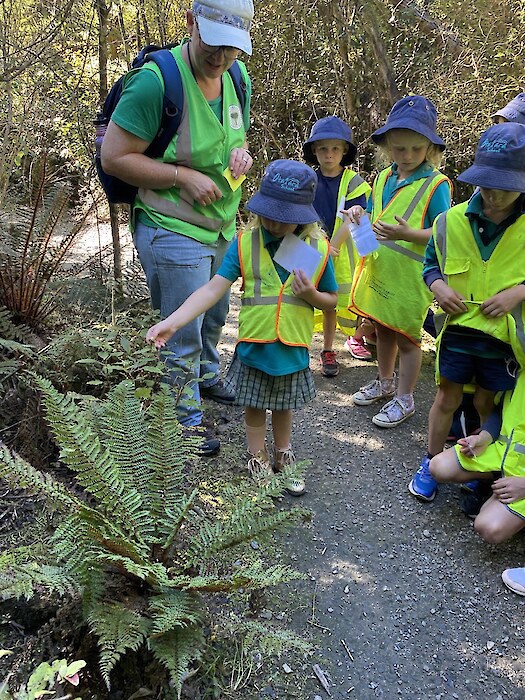
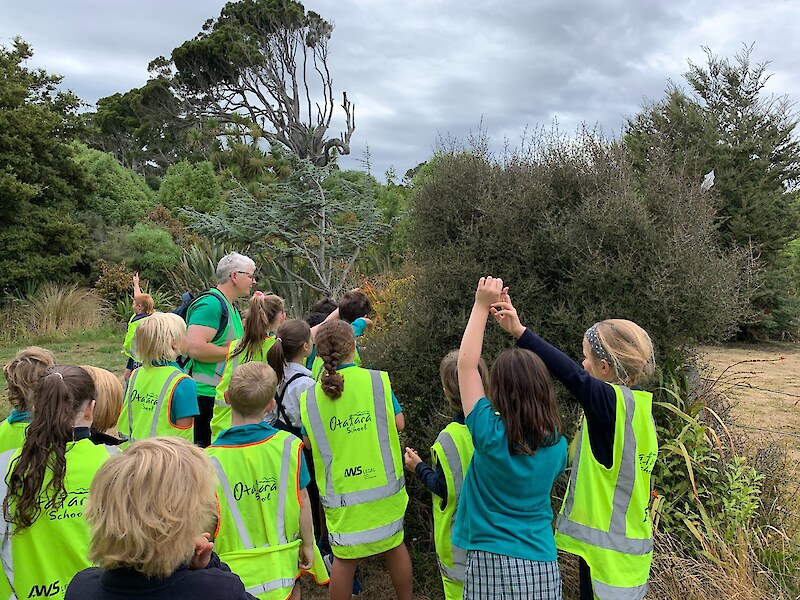
12 April it was off to the reserve, continuing to use our observation skills out in nature. Building on last week we kept our eyes open for seeds and the find of the term were some miro berries low enough on the tree for us to see! Amazing. We also learnt that ferns have spores (not seeds). We also did find some fungi but did expect to find some more. We noticed that the season has changed from summer to autumn.
Bronwyn
Posted: 12 April 2022
It has been my absolute pleasure to head out weekly with the New Entrant class of Otatara School during term 1 of this year. The Horopito class and Ms Williams had started exploring their local environment looking at horopito, blackberries, fungi and wild flowers. 1st March it was great to join them and see their already growing knowledge of their class plant - the spicy leaf! (aka pepper tree or Horopito). Interspersed with running, playing and swinging I heard about the spicy leaf, we noticed bugs under the logs and tree rounds and heard and spotted birds.
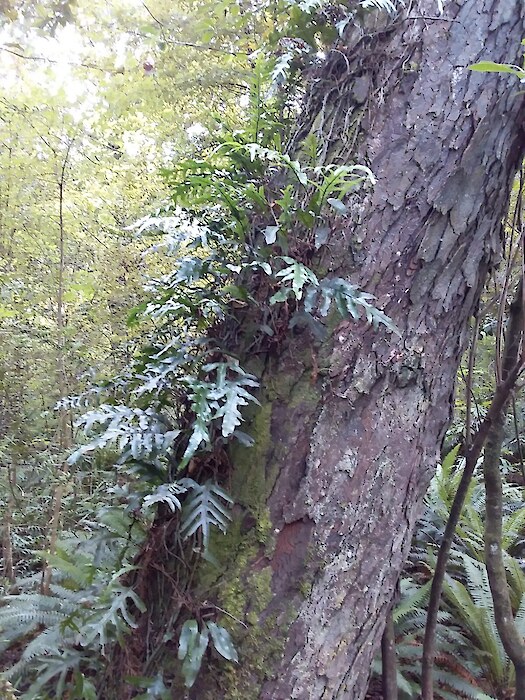
8th March we focused on observing - looking around us to notice all that there is to spot! We walked to the grass area where we talked about deciduous and evergreen trees (a lot of NZ natives are evergreen) and worked out what season it is! The children noticed ferns - so we compared the ferns growing around the edge of the forest versus in the forest - where many more were found. We spotted the horopito again! We then did lots of running - using our observation skills to see and run to something white, black, yellow, blue, brown, orange and green! What fun!
15th March we headed out with Mrs Werder and Mrs Filmer. Today we met the tōtara tree, noting it was prickly and spikey, and learnt about the canopy of the forest (it’s like an umbrella). We got to the hut and noticed that green-leaved trees and branches had been added to the built structure - oh no! “If it’s green, don’t be mean” was discussed, building on our knowledge not to pick any of the vegetation in the reserve. We stood listening and spotting lots of birds - tui, pīwakawaka and kererū. So much to notice with our expert noticing skills which are improving every week. I used my bird caller again and everyone in the class had a turn, as they had shown me on previous visits how responsible they are. Great turn taking tamariki. We sounded like a group of pīwakawaka as we grouped in the hut and tried making our own bird noise with wet kissy lips and the knuckles of our fist. After a run in the grass area, it was then off to the bush kindy place, on the way showing Mrs Werder the Horopito tree - the spicy tree! It was great to see perseverance, taking responsibility, turn taking, and looking after each other evident as the students swung, climbed, balanced and played. We looked under some logs again, finding hoppers, spiders, beetles and wetas. A great session spotting spikey trees (tōtara) and spicy trees (horopito) all the way back to class.
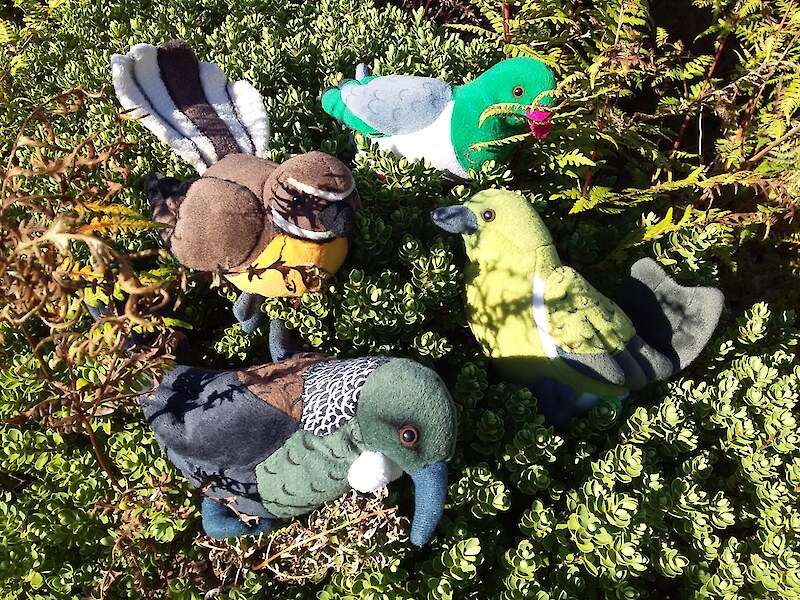
22nd March: Today we took Ms Williams back to the hut and showed her how the hut had been added to, using green vegetation - “if it’s green don’t be mean” - and how important it is for everyone to be kaitiaki in the reserve as the reserve is for everyone to enjoy. We also showed her our knuckle/lips bird noises and had another turn on the bird squeaker, meeting some of my friends (the toy korimako/bellbird, pīwakawaka, kererū and tui) and listening to the songs they sing and discussing some of their characterstics like beaks. And so exciting … we were joined by a pīwakawaka and two kererū. One kererū was preening and a feather floated down to us - a treasure/taonga for their classroom nature table. We read some of “Whose beak is that” and left this and “Whose feet are those?” with the class to read more about bird beaks and feet. We noticed the wet on the grass, learning that it is dew, not rain, and that you often see this in Autumn/Ngahuru. We looked for bugs and learnt that the hill is a sand dune. Great observation in the ngahere today.
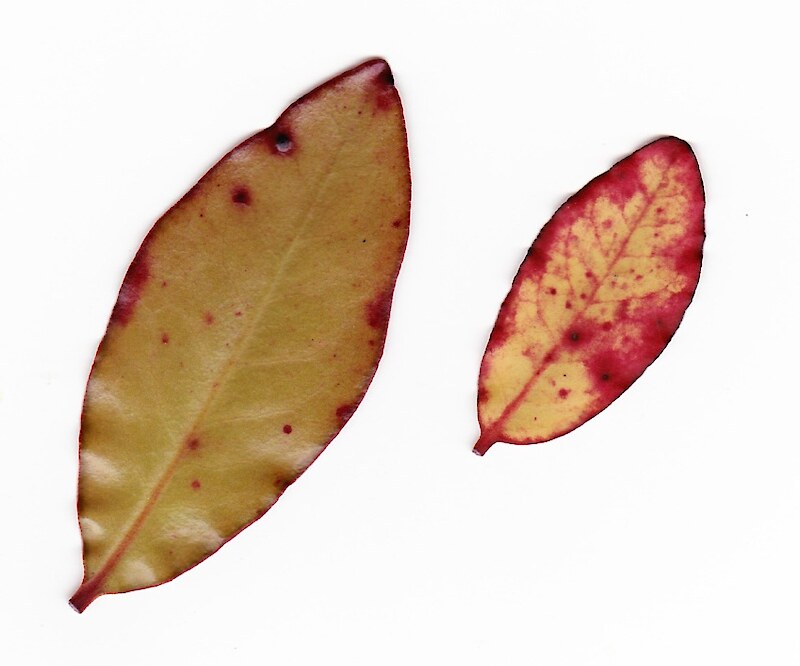
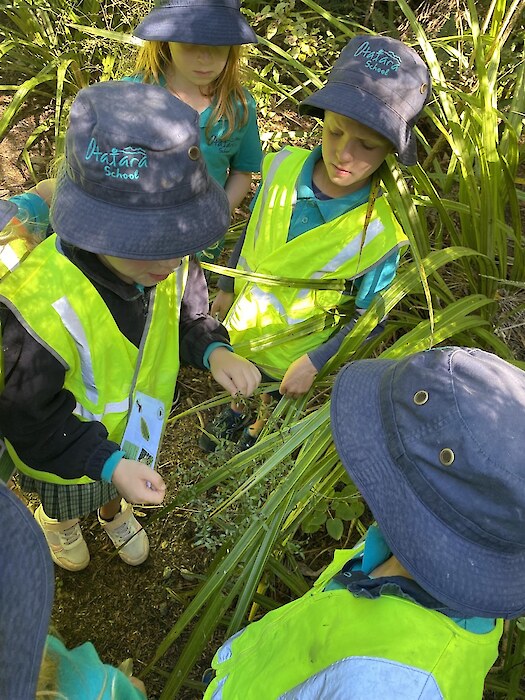
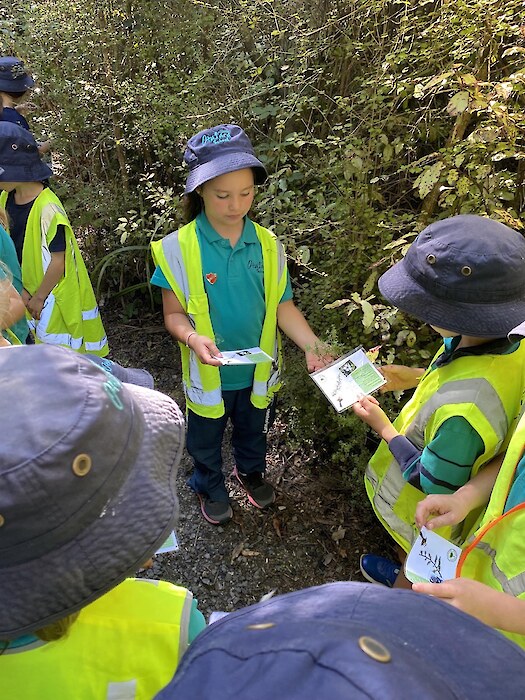
The 29th March and after heading towards bush kindy the past few weeks, it was off in a different direction today into the Otatara Reserve, with our looking eyes turned on to find some more NZ native trees. Horopito and tōtara are well known now, and today we discovered some more Otatara School class trees - kapuka, mānuka, kōtukutuku, kahikatea, tī kōuka and kōwhai. Using the “find a leaf” cards we looked closely at the pictures and matched them to leaves in nature - looking at leaf size, shape and colour. We also noticed lots of berries on different plants - including on the mingimingi. Meeting the kahikatea was great as this is going to be their new class tree once they move classroom following renovations. We had pīwakawaka and kererū join us and we heard tui and bellbirds. Another great session in the bush.
5th April and it was off around the boundary of school with the reserve - so much to see in this small area. We did a treasure hunt looking for seeds. We found so many different seeds today - either as part of a berry or in a seed pod. Lots of rattling to see if there were seeds inside pods. Seeds discovered today included flax, mingimingi, tōtara, kōhūhū (so sticky), kōwhai and acorns. We learnt that seeds have a hard shell and on the inside is enough food for a plant to grow. We used our bodies to roll into a seed shape and then imagined our roots growing down into the ground, and shoots growing up - turning our bodies into seedlings (small plants). We saw that some seeds are big and others are small, and some can be blown by the wind, or eaten by birds and pooped out elsewhere in the forest to grow.
12th April we went into the bush with our birds, and found material to build them a nest. We looked at the real nest and noted it had twigs and mud. How clever birds are to build a nest just with a beak and legs! The class heard how different birds build different types of nest - the kererū makes a very simple messy nest of sticks and hopes for the best, while other birds like the pīwakawaka weave immaculate homes to lay their eggs and raise the baby chicks. We also talked about birds that are nocturnal. Birds not only have different beaks and different feet, but they build different types of nests and live in different places (or habitats). It was then back to school to name a plant the class had noticed growing outside the library - we had to use the iNaturalist app to help us! To finish of the term we learnt the words and actions to a native bird song - lots of fun! A great group of learners.
Bronwyn
Posted: 12 April 2022
The Kōwhai class of year 1’s started the term bush visits on 8th March by first coming up with great ways to look after ourselves, our classmates and the environment of the reserve when we go bush. It was great to see this put into practise as we wandered, seeing lots of interesting things in the reserve. We used our senses of sight, hearing and feel to immerse ourselves in what lives in the reserve. Great descriptive words were contributed as we felt the different leaves and bark of the forest, sparking some ideas for future class writing. Keeping silent led to an interest in what lives in the forest. On the 22nd March we headed to the bush with our nature journals and hula hoops! Finding an area of forest floor we drew what we noticed from within our hula hoop circle, taking close notice of the lines, spots and other patterns in nature. Some great observations made. We tried to make the link between the “kiwi who saved the forest” story and birds all living in different layers of the forest, to the different plants that we find in different layers of the forest. We learnt and sang the “kiwi bird” song with actions. Then we sat in a porowhita/circle of our own and listened for the forest sounds - lots of birds. We used the bird squeaker and learnt to make bird sounds using our knuckles and wet lips. On the 5th April and it was off to do a treasure hunt looking for seeds. We found so many different seeds today. Seeds discovered today included flax, mingimingi, tōtara, kōhūhū (so sticky), blackberries, toetoe, kōwhai and acorns. We learnt that seeds have a hard shell (a bit like a helmet) and on the inside is enough food for a plant to grow. We used our bodies to roll into a seed shape and then imagined our roots growing down into the ground, and shoots growing up - turning our bodies into seedlings (small plants). We saw that some seeds are big and others are small, and some can be blown by the wind, or eaten by birds and pooped out elsewhere in the forest to grow.
Bronwyn
Posted: 11 April 2022
The bush visits with the Mataī class started on 8th March with us sharing with each other how to keep ourselves and the environment safe before we headed into the adjacent Otatara Scenic Reserve to meet many of the Otatara School class trees (each classroom is named after a NZ native tree). Mataī, tōtara, wheki ponga, kahikatea, kōtukutuku, horopito and tī kōuka were all spotted and particular notice was taken of the bark and leaves using all our senses (except taste - having already talked about the safety of eating unknowns in the NZ forest). In particular we kept our eyes open for mataī - with us first finding juvenile (or baby/young) trees. Then it was off to the “hammer bark tree” - the giant adult mataī. It was great for those with lots of knowledge and experience in the reserve to share with the rest of the group and it was great to hear the connections being made with what we find in the reserve with what the students have experienced at home or elsewhere. Our next session on the 22nd March we met some more NZ natives, using the leaf bingo cards (check them out at School Activities • Southland Community Nursery) and our growing observation skills to find kōwhai, mānuka, Broadleaf, Tarata and pōkākā. We decided nature was quite tricky - with many leaves looking similar, but we used our wondering and expert noticing skills to correctly identify these plants. Tumeke! 5th April and we went to the mataī in the reserve, revisiting our “hammer bark tree” and nearby juvenile mataī. Today the class added all their observations into nature journals - including sketches of and notes on the leaves, bark, colour, shape of leaves, and where it grows. I provided interesting snippets of information about the mataī as the students noticed, drew and took notes. We learnt about the mataī seed and while the class didn’t find any mataī, they did find miro seed. Great noticing today with all learners noticing something that they had not noticed before, and learning something about the mataī that they didn’t already know.
Bronwyn
Posted: 11 April 2022
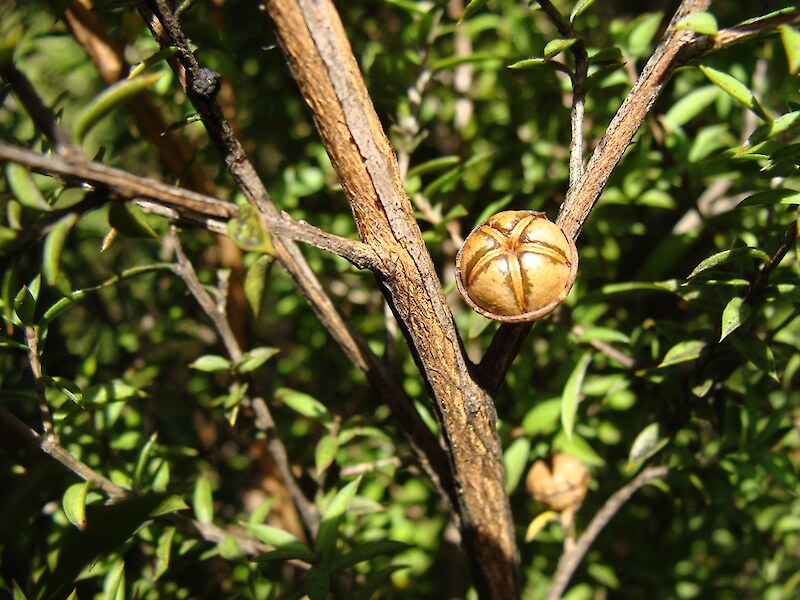
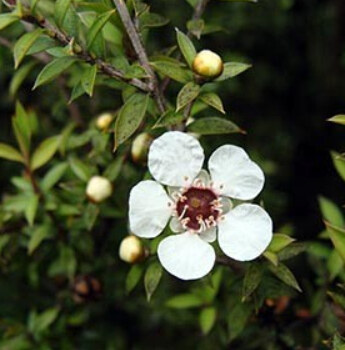
The 8th March I started my journey with the students and teacher of Mānuka class from Otatara School. We started by visiting the neighbouring Otatara Scenic Reserve and challenging the students with finding a NZ native plant that they could identify and tell the rest of us about. It was great to capture the knowledge that these students have from years of visiting the adjacent reserve. We met mingimingi, flax, ferns, tōtara, kahikatea, astelia and many more, also being reminded of the three different names that NZ native plants can have - common name, Te Reo Māori name and scientific name. We talked about being botanists and what features we can use to identify natives. 22nd March we focused on looking for and learning about mānuka. We found lots of little plants along the edge of the reserve track in an area of open canopy, and the class shared their knowledge about the types of places and conditions that mānuka like to live and grow in. We noticed that there were no flowers in sight, with discussion leading to seasons, pollination, and why a mānuka plant produces flowers - it is just so we can have mānuka honey? More great knowledge sharing about the parts of the flower and pollination by insects. We found some dead and empty seed pods from a fallen mānuka, and then after a quick walk around the track we found an adult mānuka. Noticing the black soot we learnt the black substance that grows is a black fungus (Capnodium walteri) disease that is spread by a scale insect (Eriococcus manukae) that feeds on the tree. The scale insect exudes a ‘honey dew’ that is sweet and sugary. Honey dew is the perfect food source for the black fungus to grow. A great session with the students sharing their knowledge and making links with their classroom learning to the bush surrounding us. The 5th April and the class had a number of well thought out questions from their inquiry about mānuka - like how tall it grows, more about conditions that mānuka likes to grow in, what it was used for and questions about the fire at Awarua Bay and how mānuka is one of the plants burning at that site. We had discussion and also checked out the Southland Community Nursery website and what it can tell us about mānuka. Check out the plant list at www.southlandcommunitynursery.org.nz/restoring-your-patch/know-your-patch/wetlands-and-streams/wetlands-planting-list/ and for some of the uses of this amazing plant check out www.southlandcommunitynursery.org.nz/site/assets/files/1095/leaf_bingo_maori_uses_-_scn.pdf. It was then a quick escape to the bush to see some mānuka flowers that I had noticed - a real treat to find these at this time of year and a great recap of the mānuka lifecycle. As a challenge I left some seed pods and seeds and the “Challenge - Seed Packet Design” with the class. You can try this challenge too - see www.southlandcommunitynursery.org.nz/site/assets/files/1095/scn_seed_packet_challenge_-_seed_packet_design.pdf. I look forward to seeing all their learning captured on these!
Bronwyn
Posted: 8 April 2022