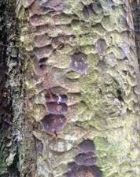
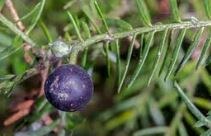
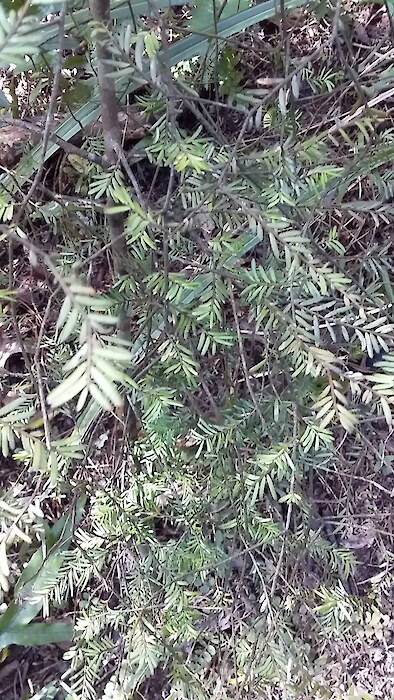
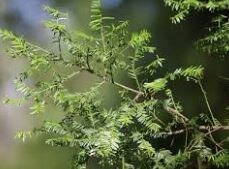
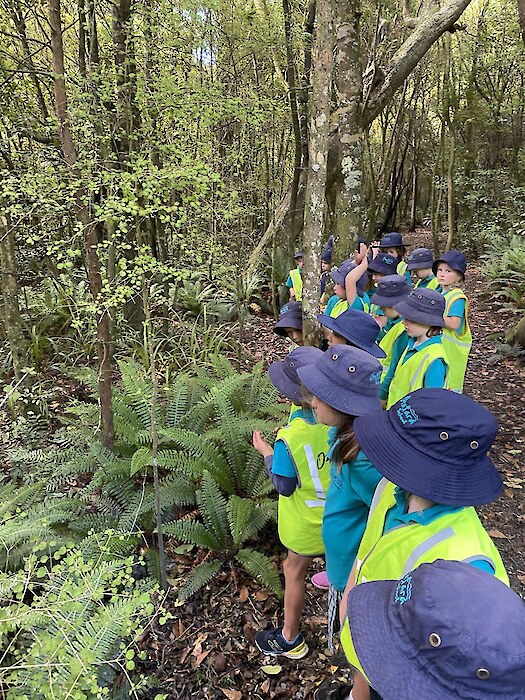
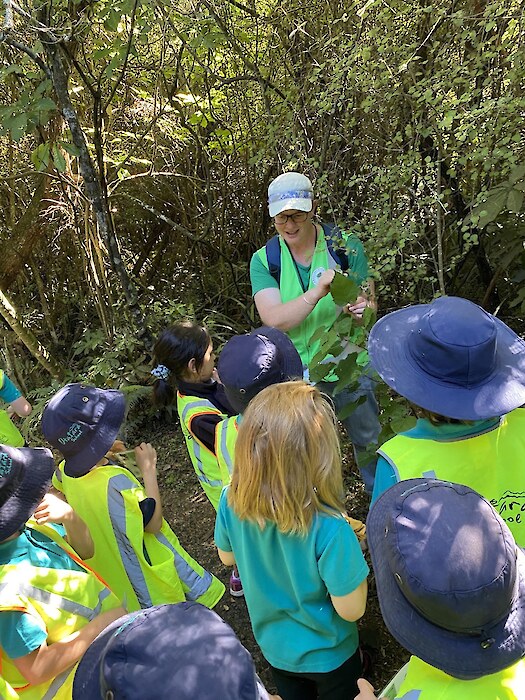
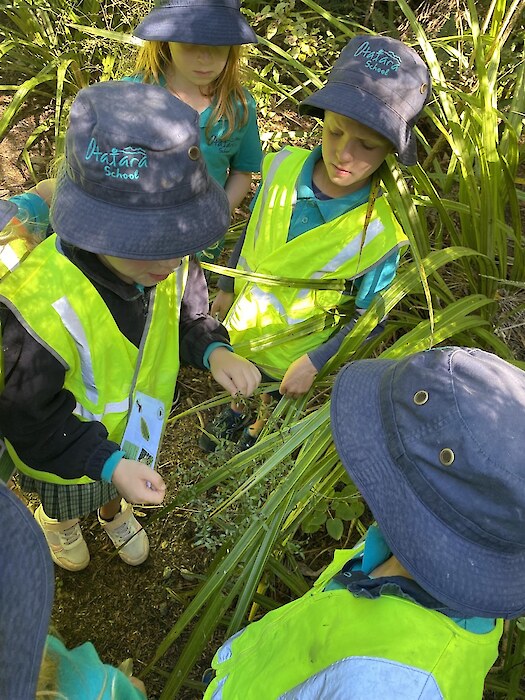
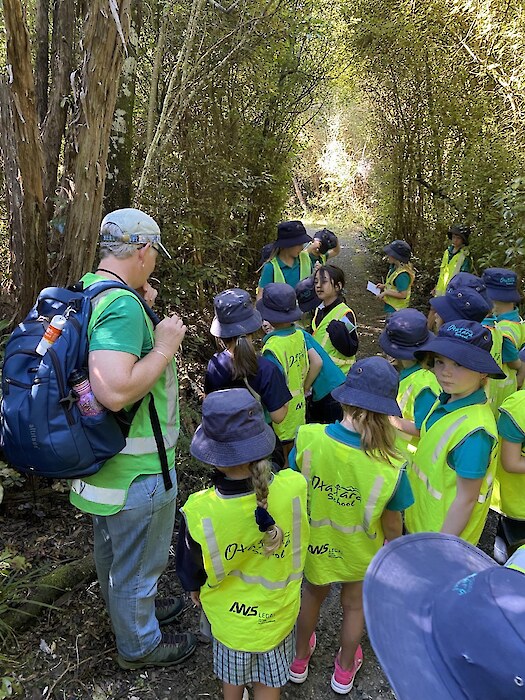
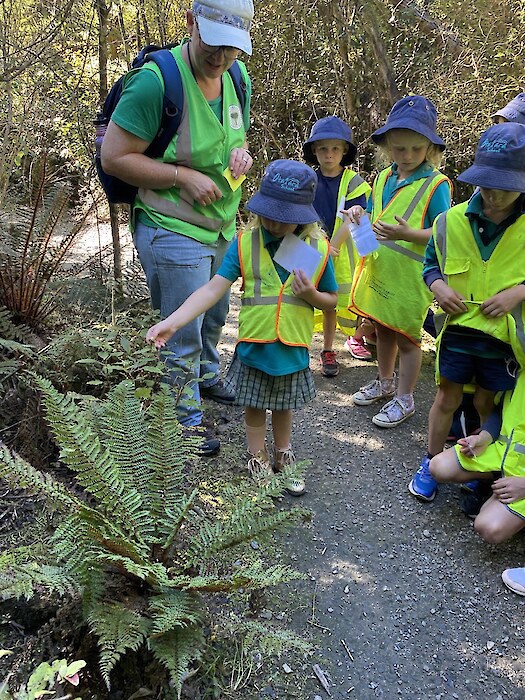
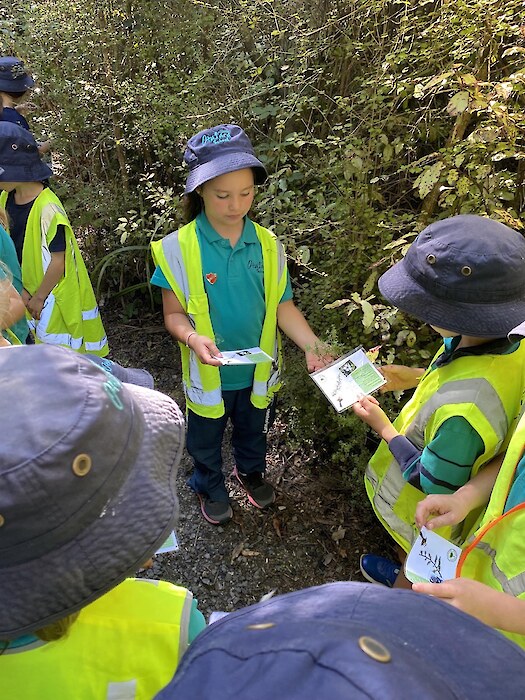
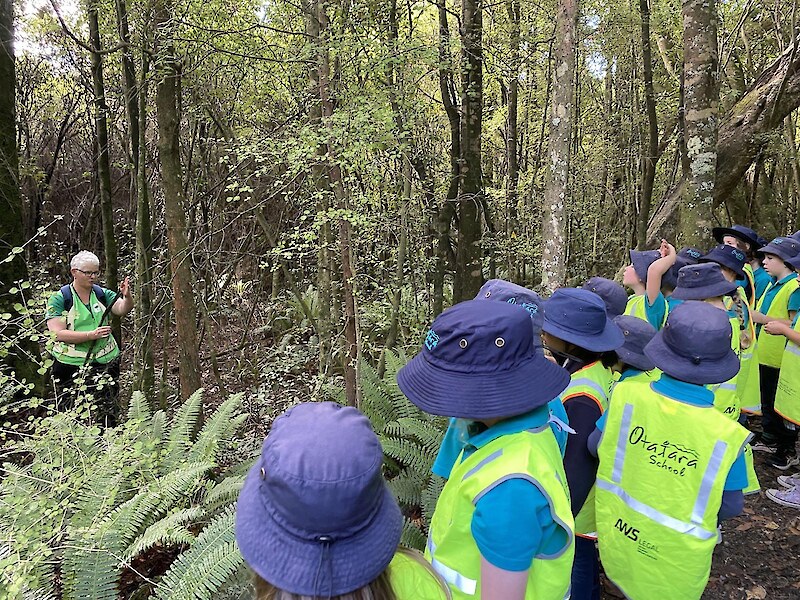
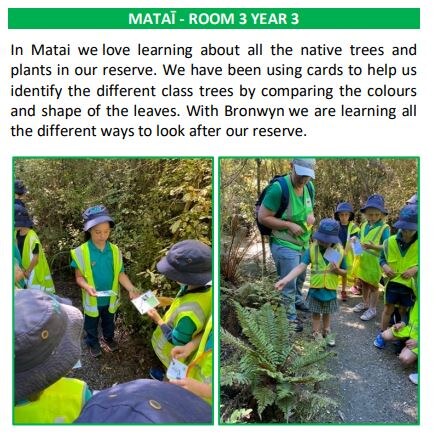
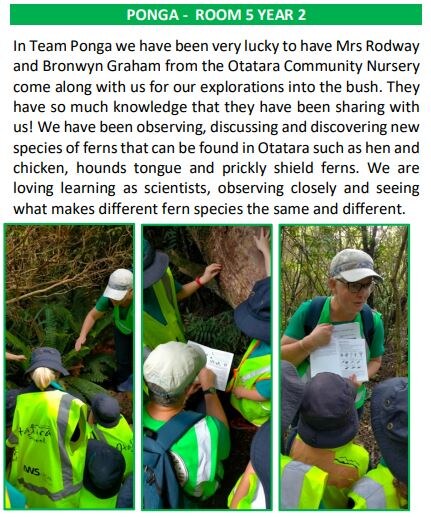
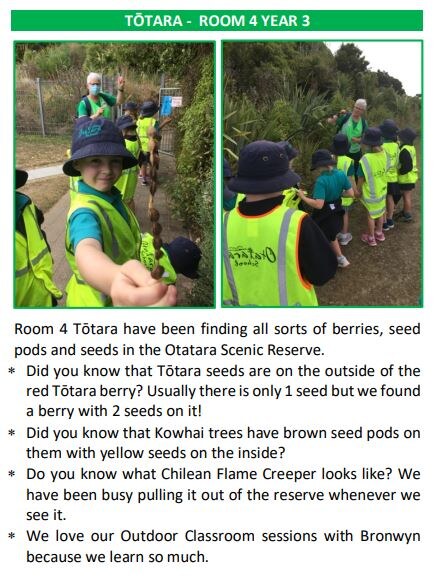
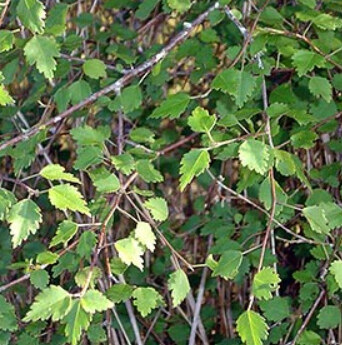
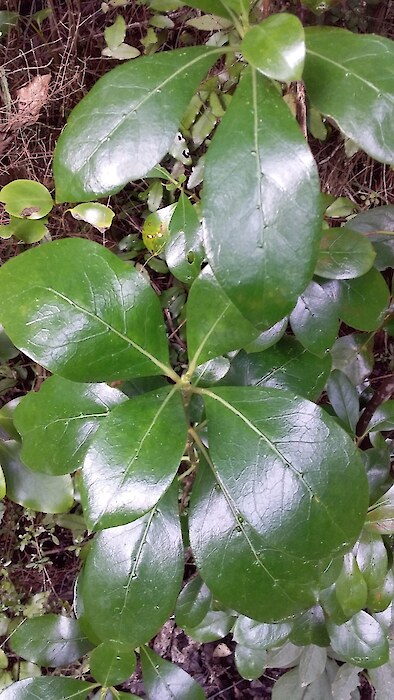
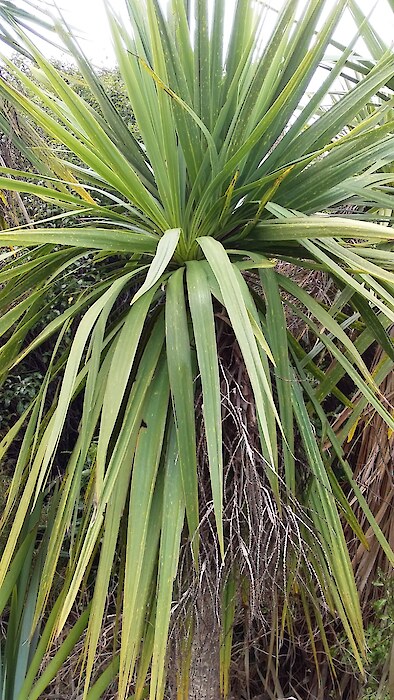
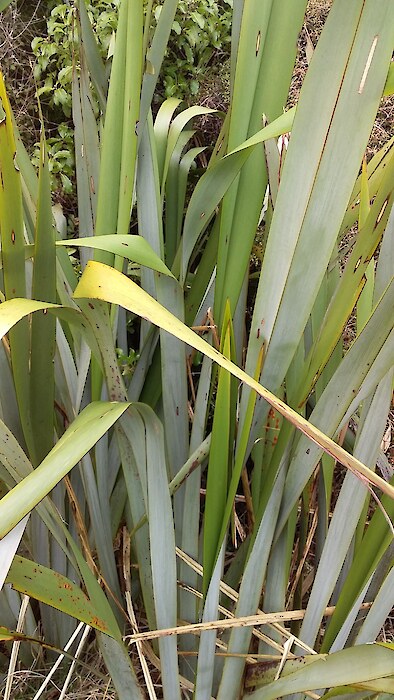
The bush visits with the Mataī class started on 8th March with us sharing with each other how to keep ourselves and the environment safe before we headed into the adjacent Otatara Scenic Reserve to meet many of the Otatara School class trees (each classroom is named after a NZ native tree). Mataī, tōtara, wheki ponga, kahikatea, kōtukutuku, horopito and tī kōuka were all spotted and particular notice was taken of the bark and leaves using all our senses (except taste - having already talked about the safety of eating unknowns in the NZ forest). In particular we kept our eyes open for mataī - with us first finding juvenile (or baby/young) trees. Then it was off to the “hammer bark tree” - the giant adult mataī. It was great for those with lots of knowledge and experience in the reserve to share with the rest of the group and it was great to hear the connections being made with what we find in the reserve with what the students have experienced at home or elsewhere. Our next session on the 22nd March we met some more NZ natives, using the leaf bingo cards (check them out at School Activities • Southland Community Nursery) and our growing observation skills to find kōwhai, mānuka, Broadleaf, Tarata and pōkākā. We decided nature was quite tricky - with many leaves looking similar, but we used our wondering and expert noticing skills to correctly identify these plants. Tumeke! 5th April and we went to the mataī in the reserve, revisiting our “hammer bark tree” and nearby juvenile mataī. Today the class added all their observations into nature journals - including sketches of and notes on the leaves, bark, colour, shape of leaves, and where it grows. I provided interesting snippets of information about the mataī as the students noticed, drew and took notes. We learnt about the mataī seed and while the class didn’t find any mataī, they did find miro seed. Great noticing today with all learners noticing something that they had not noticed before, and learning something about the mataī that they didn’t already know.
Bronwyn
Posted: 11 April 2022
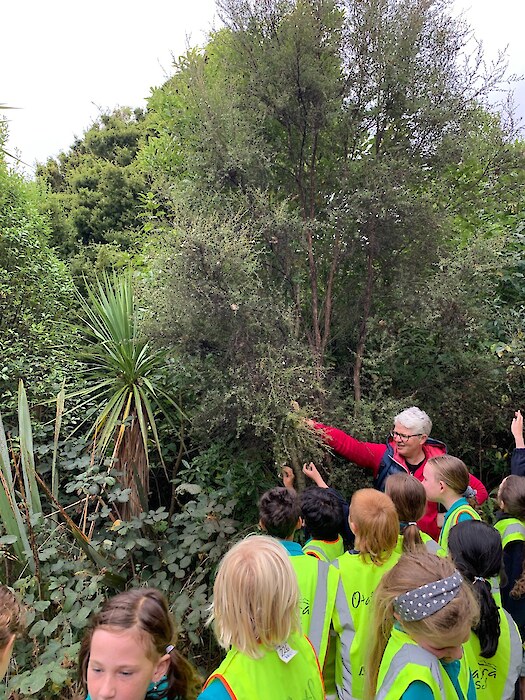
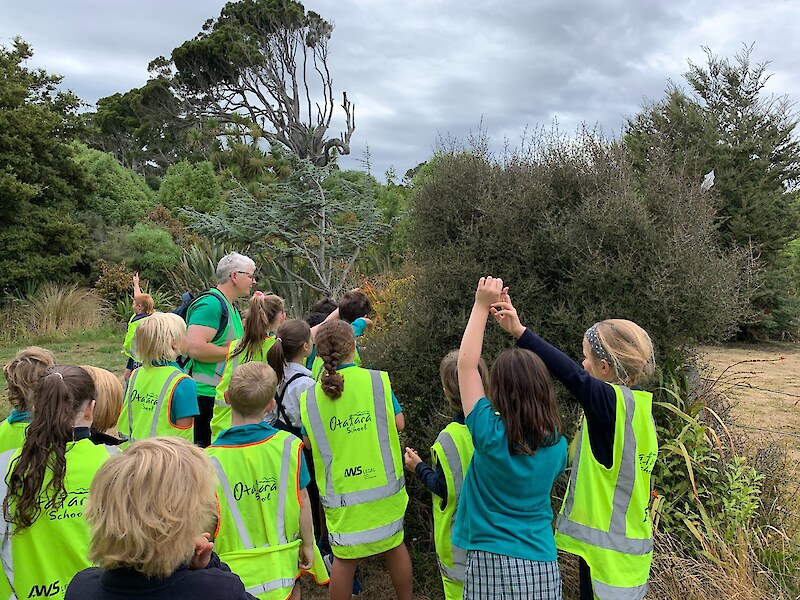
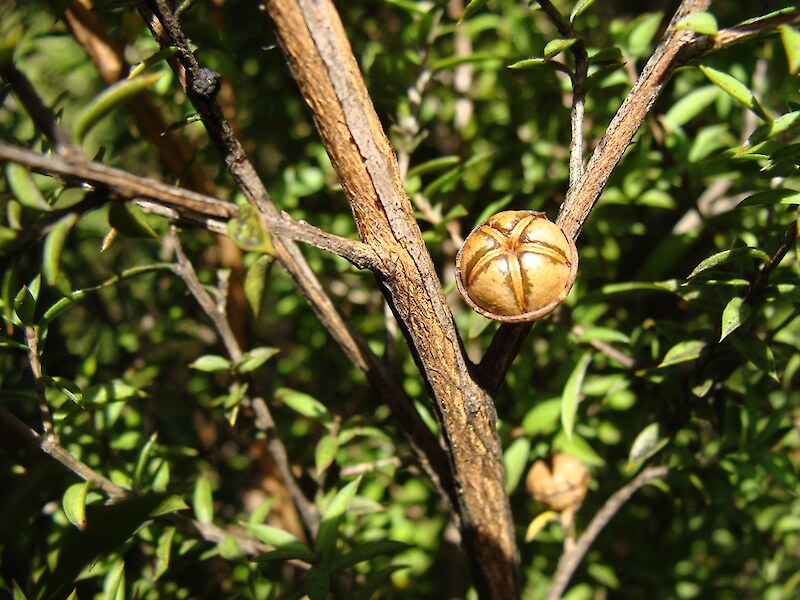
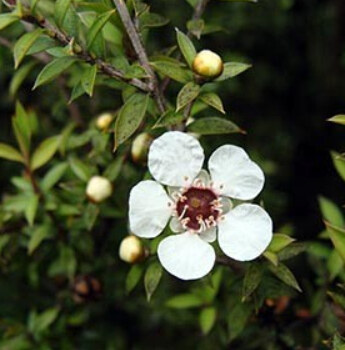
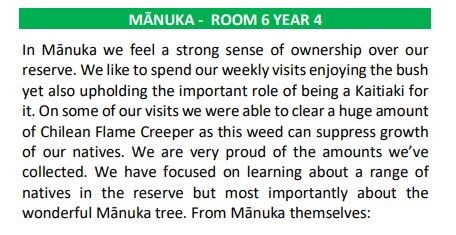
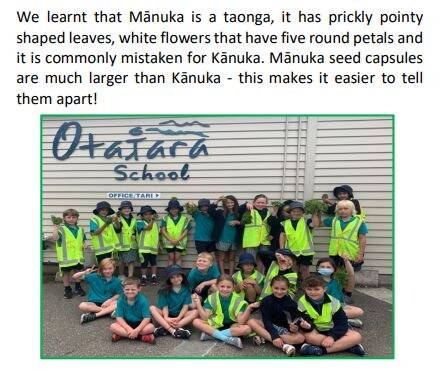
The 8th March I started my journey with the students and teacher of Mānuka class from Otatara School. We started by visiting the neighbouring Otatara Scenic Reserve and challenging the students with finding a NZ native plant that they could identify and tell the rest of us about. It was great to capture the knowledge that these students have from years of visiting the adjacent reserve. We met mingimingi, flax, ferns, tōtara, kahikatea, astelia and many more, also being reminded of the three different names that NZ native plants can have - common name, Te Reo Māori name and scientific name. We talked about being botanists and what features we can use to identify natives. 22nd March we focused on looking for and learning about mānuka. We found lots of little plants along the edge of the reserve track in an area of open canopy, and the class shared their knowledge about the types of places and conditions that mānuka like to live and grow in. We noticed that there were no flowers in sight, with discussion leading to seasons, pollination, and why a mānuka plant produces flowers - it is just so we can have mānuka honey? More great knowledge sharing about the parts of the flower and pollination by insects. We found some dead and empty seed pods from a fallen mānuka, and then after a quick walk around the track we found an adult mānuka. Noticing the black soot we learnt the black substance that grows is a black fungus (Capnodium walteri) disease that is spread by a scale insect (Eriococcus manukae) that feeds on the tree. The scale insect exudes a ‘honey dew’ that is sweet and sugary. Honey dew is the perfect food source for the black fungus to grow. A great session with the students sharing their knowledge and making links with their classroom learning to the bush surrounding us. The 5th April and the class had a number of well thought out questions from their inquiry about mānuka - like how tall it grows, more about conditions that mānuka likes to grow in, what it was used for and questions about the fire at Awarua Bay and how mānuka is one of the plants burning at that site. We had discussion and also checked out the Southland Community Nursery website and what it can tell us about mānuka. Check out the plant list at www.southlandcommunitynursery.org.nz/restoring-your-patch/know-your-patch/wetlands-and-streams/wetlands-planting-list/ and for some of the uses of this amazing plant check out www.southlandcommunitynursery.org.nz/site/assets/files/1095/leaf_bingo_maori_uses_-_scn.pdf. It was then a quick escape to the bush to see some mānuka flowers that I had noticed - a real treat to find these at this time of year and a great recap of the mānuka lifecycle. As a challenge I left some seed pods and seeds and the “Challenge - Seed Packet Design” with the class. You can try this challenge too - see www.southlandcommunitynursery.org.nz/site/assets/files/1095/scn_seed_packet_challenge_-_seed_packet_design.pdf. I look forward to seeing all their learning captured on these!
Bronwyn
Posted: 8 April 2022
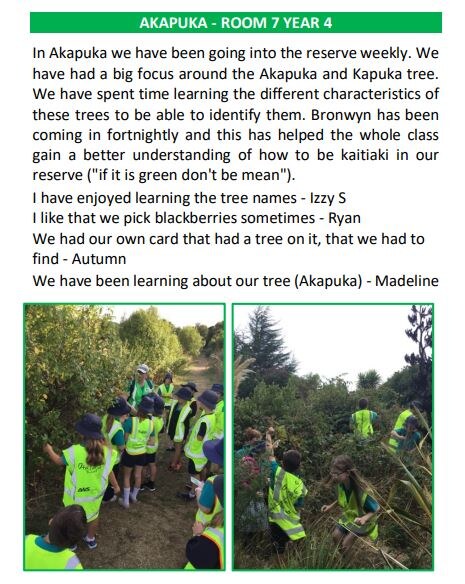
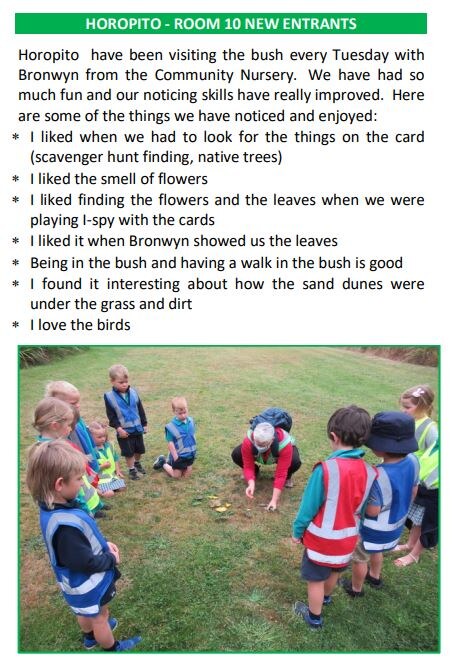
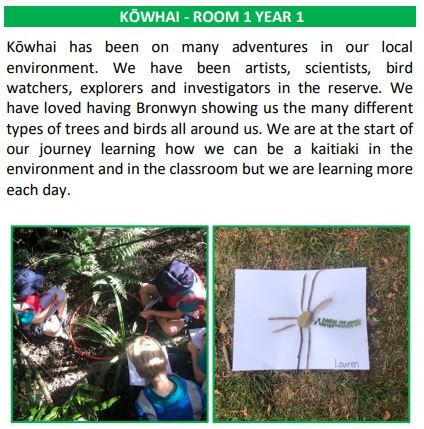
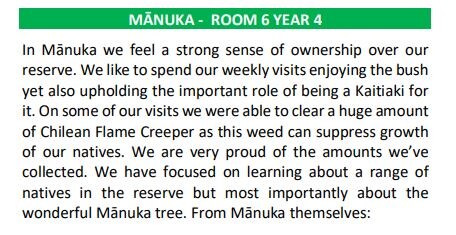
Otatara School shared their school newsletter which featured the classes outdoor learning. It has been a privilege to go bush each week this term with these enthusiastic learners.
Bronwyn
Posted: 7 April 2022
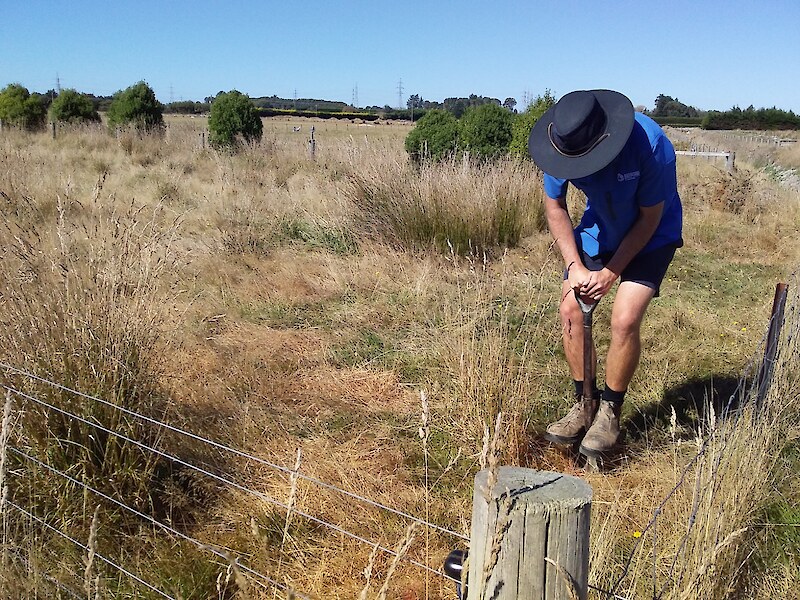
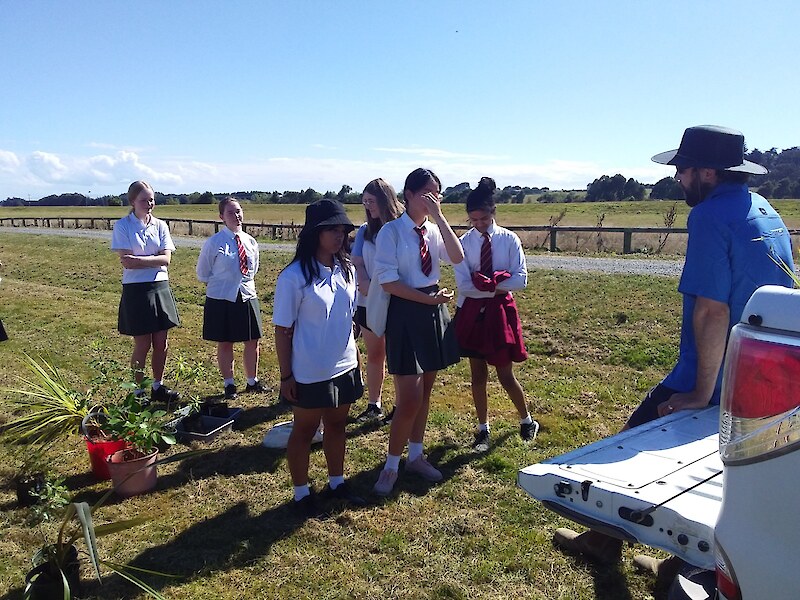
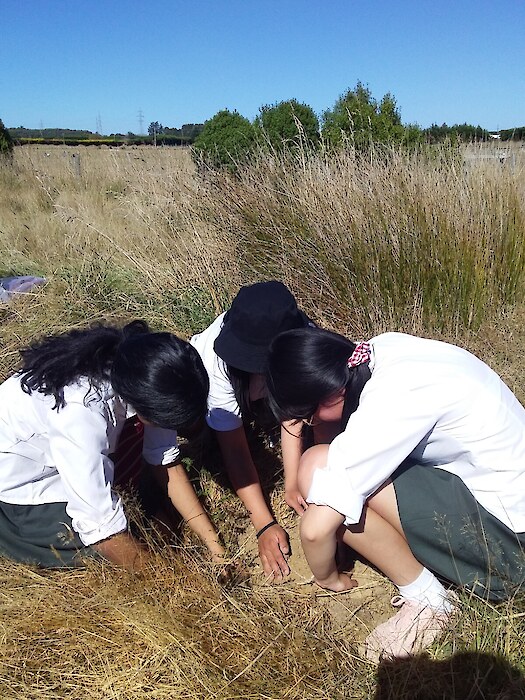
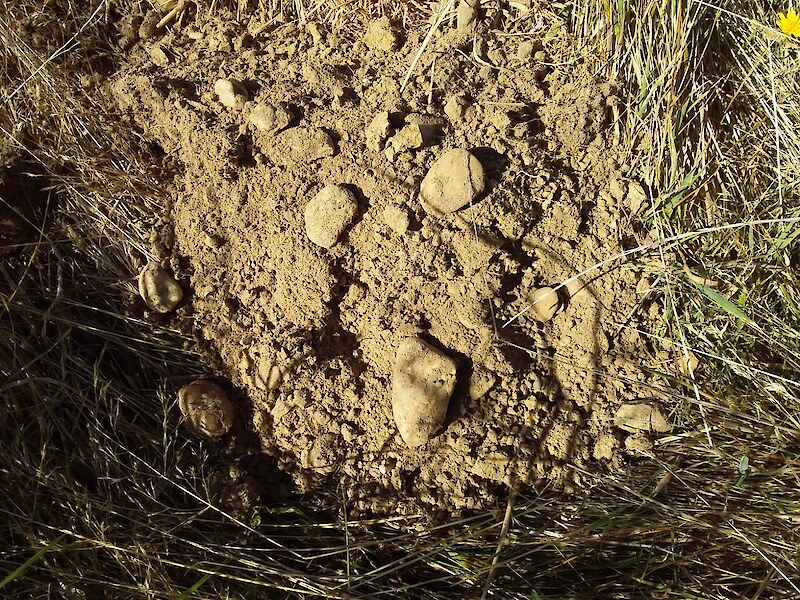
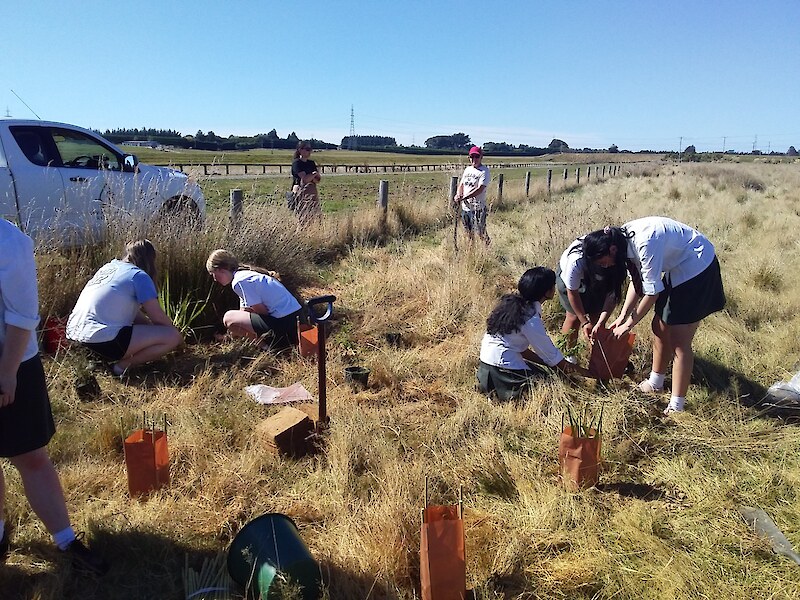
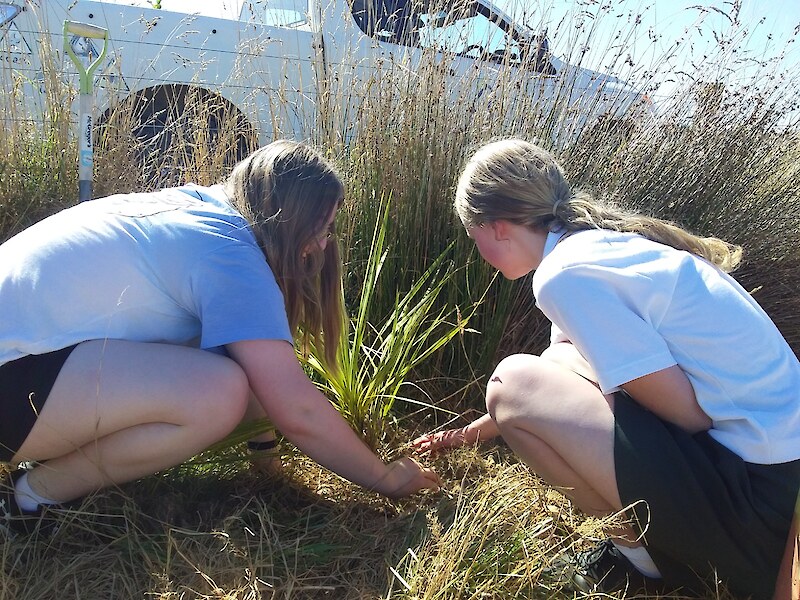
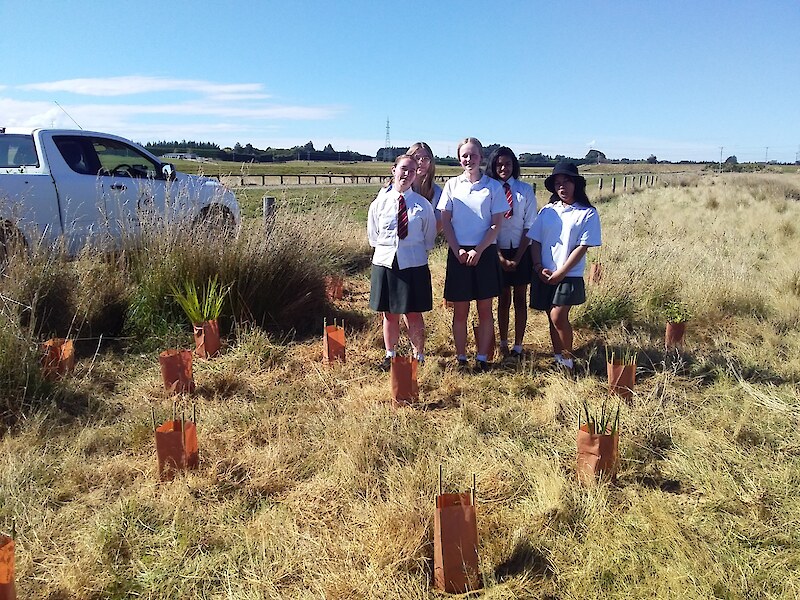
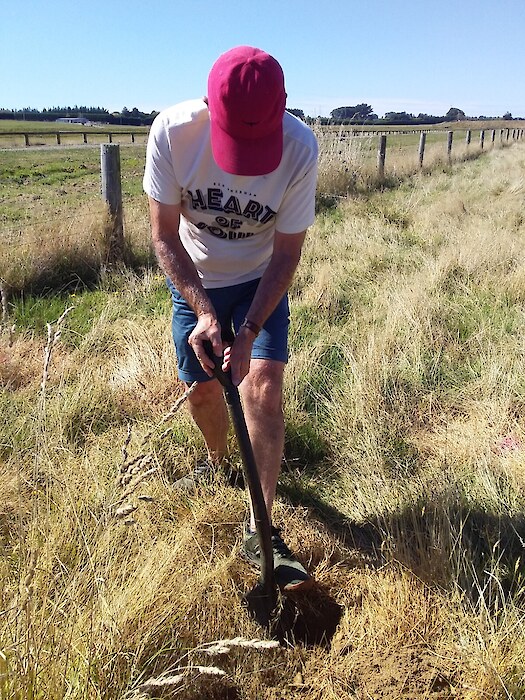
Hot weather slowed down the digging (it was dry and hard) and led to lots of discussion on conditions and what is needed for plants to live and grow in. The crew from JHC Environment Group got right into the planting and planted NZ natives grown at the Southland Community Nursery and plants that they had propogated themselves at home and school - a great contribution to the Waihōpai Restoration Project area. There was identification and selection of appropriate plants, learning what a NZ native is and how riparian planting can enhance an area, and discussion on what ecosourcing means. We planted tī kōuka (cabbage tree), harakeke (flax), kōwhai, ribbonwood, broadleaf, karamū, Pittosporum species, Koromiko (Hebe) and mingimingi. A great project working alongside Environment Southland continuing this wonderful restoration project for the wider Southland community.
Bronwyn
Posted: 24 March 2022
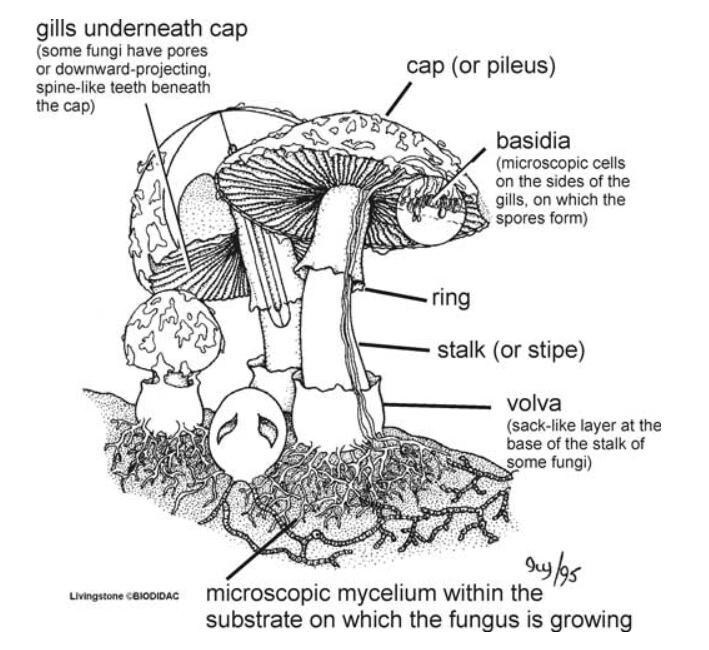
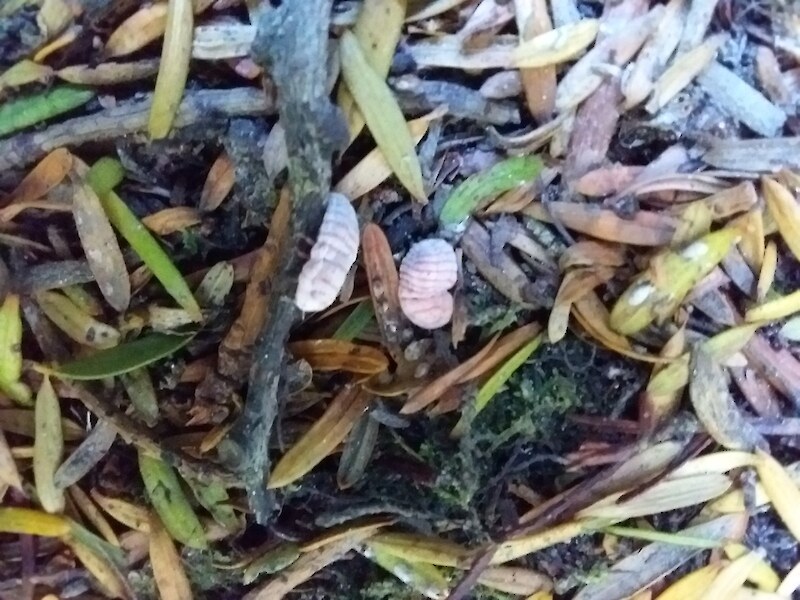
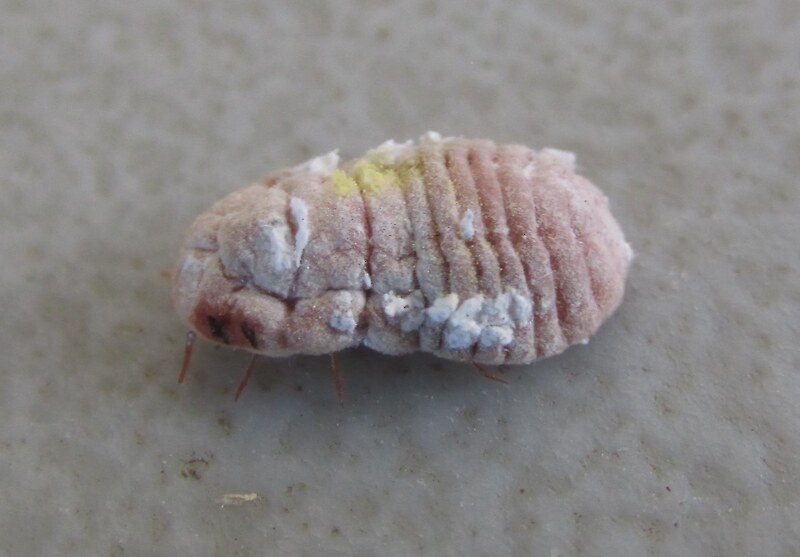
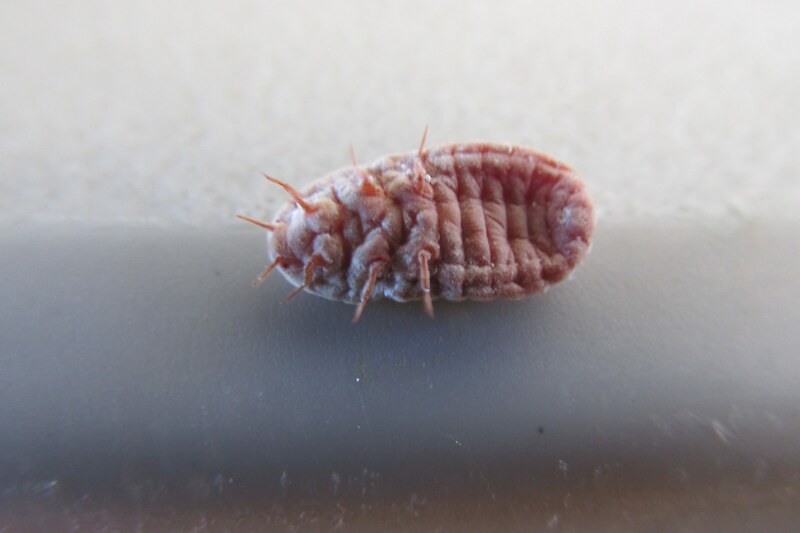
Heading into the bush we used all our observation skills to spot fungi growing in the forest, talking about where we might find fungi and what kind of places they grow. It was also discussed along the way that this time of year is a good time to start hunting for fungi. We found a few but the highlight find were heaps and heaps of giant scale insects - Coelostomidia! Awesome spotting! We did learn some of the terminology about the parts of fungi! Great to follow the children’s lead and wonder alongside them!
Bronwyn
Posted: 20 March 2022