Volunteer Fridays are becoming busier and busier with 15 people attending last Friday. A range of jobs are being done at the moment from track making, to potting, plant moving, weeding, track clearance, seed sorting and cleaning. Most of the seed collection has finished and the next major projects will be seed sowing and cuttings workshops. These will be done mainly on Friday mornings but if there is interest in specific workshops for particular groups we can hold specific workshops on other days of choice for those groups. Email Chris [Enable JavaScript to view protected content]. Lots of plants are going out to planting projects at the moment – this week a Tramping Club order for the Oreti Totara Dune Forest and the Waihopai James Hargest/ES planting project amongst many others.
Chris
Posted: 30 May 2022
Four days of workshops on Plant ID and Weeds were held at the Education Centre from 23-26 May 22. The workshops were arranged by Nelson Marlborough Insitute of Technology (NMIT) through the Department of Conservation - https://www.doc.govt.nz/get-involved/training/field-based-courses/ and involved a range of participants from Te Tapu o Tāne and DOC Biodiversity rangers. The Education Centre venue provided the opportunity for inside and outside learning provided by Becs Gibson from NMIT and DoC’s Lynne Huggins.
Chris
Posted: 30 May 2022
I joined the tamariki and whānau at Roslyn Bush Playcentre and worked alongside them as we planted some NZ native plants at their place of learning. We planted broadleaf, red tussock, cabbage tree, Pittosporum and mingimingi. The children carried the plants and the spades to the planting area behind the big tree - what great helpers. I showed them how to dig a hole big enough for the plant to fit in, and how to test that our hole was indeed big enough, and then showed how to take the bag off, put the plant in, replace the soil and stomp to give the plant a new home. The children persisted with the hole digging, and were amazed to see the roots the plants have once the bags were removed. There was great careful stomping around the base of the plants once they were in the ground. All of the tamariki were interested in what was going on at their place and there was great teamwork and helping of each other. Tumeke!
Posted: 28 May 2022
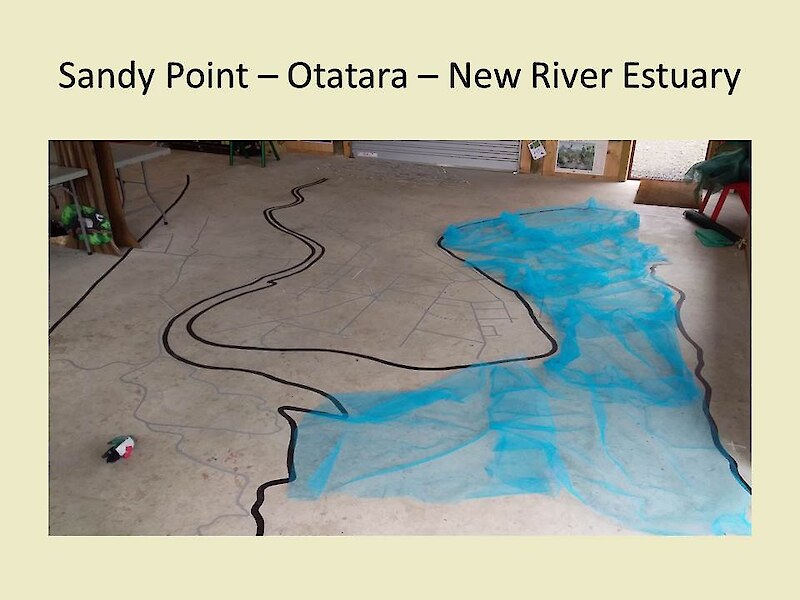
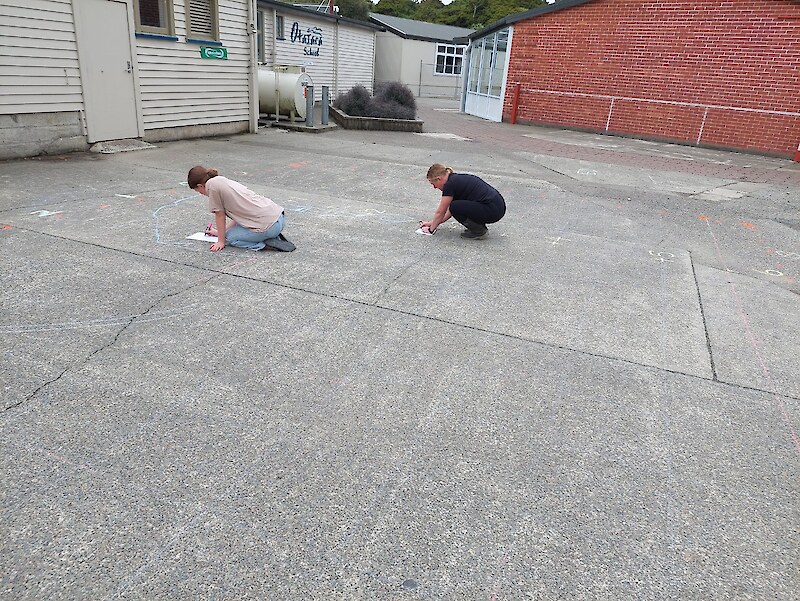
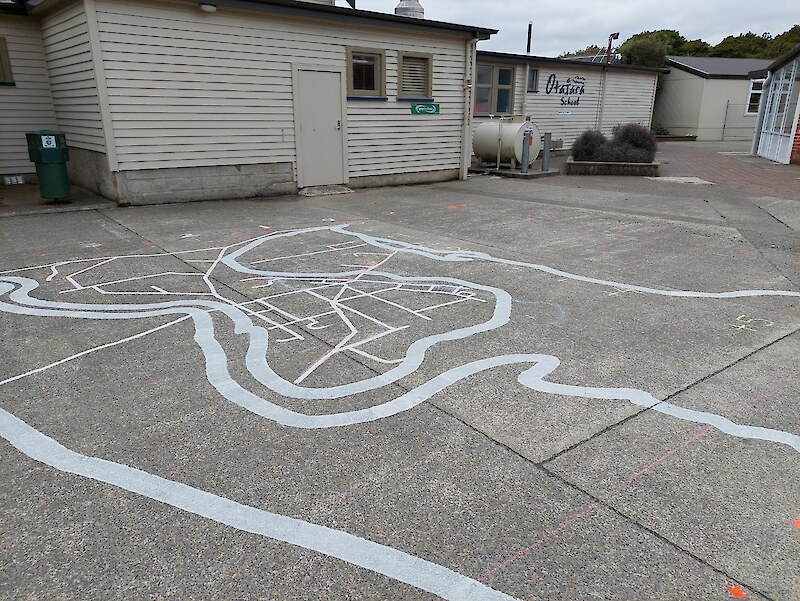
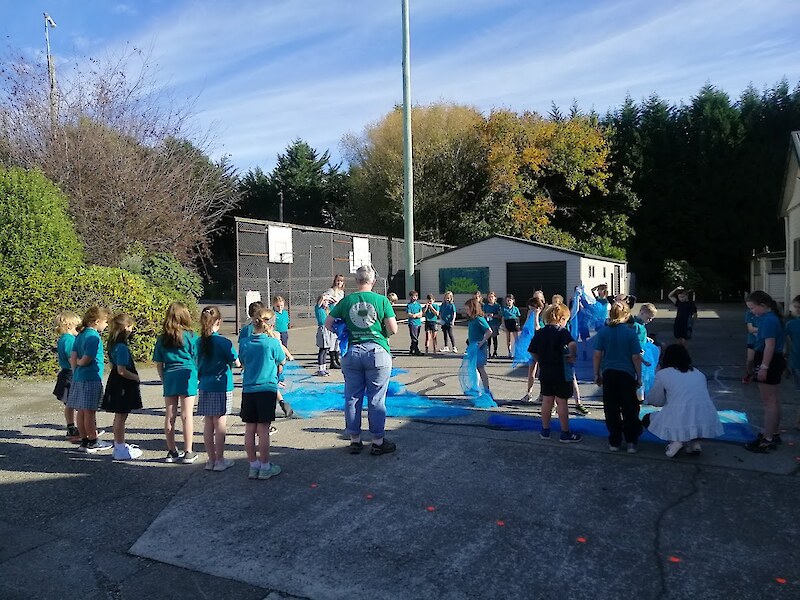
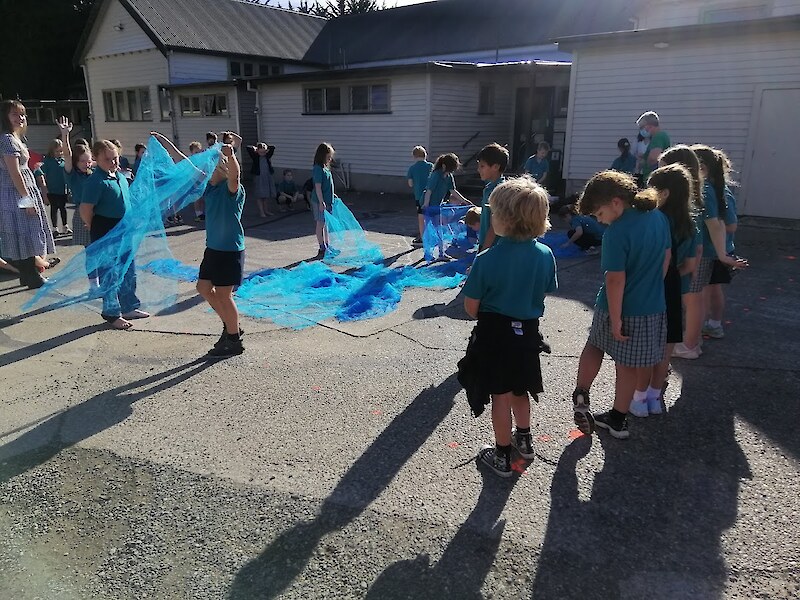
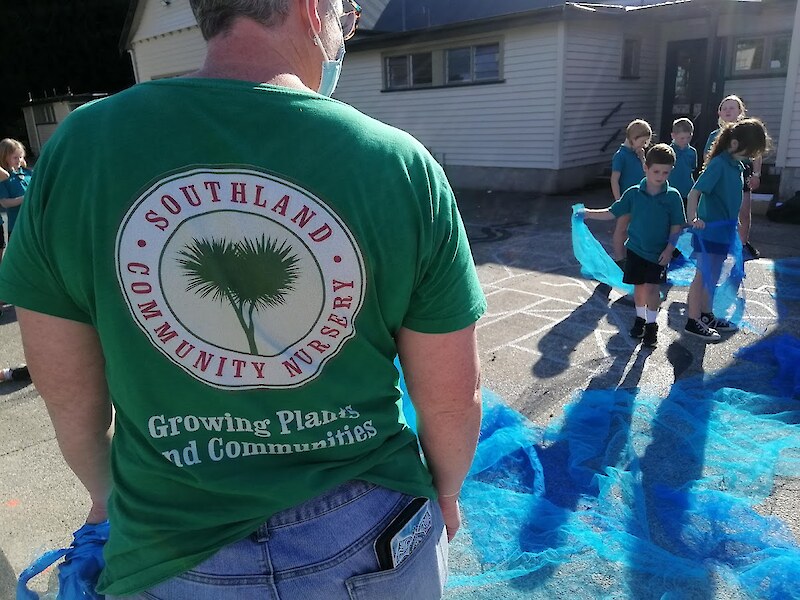
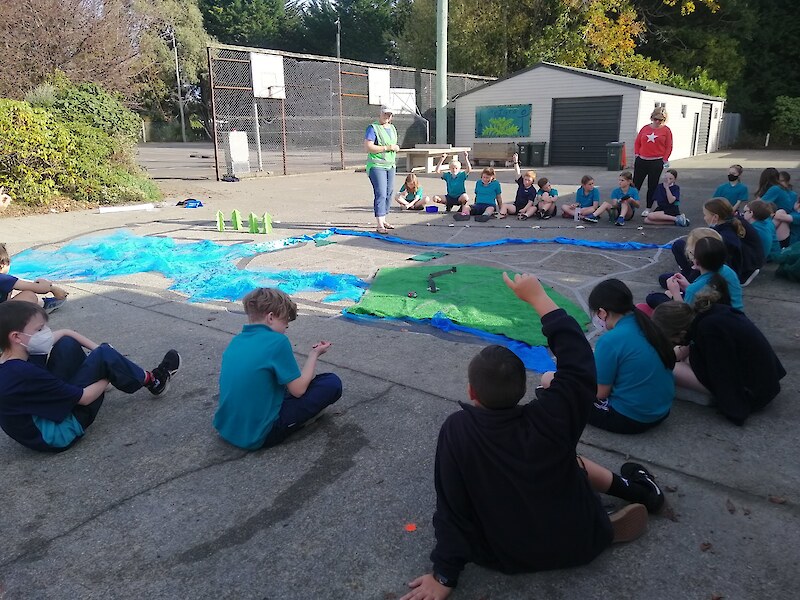
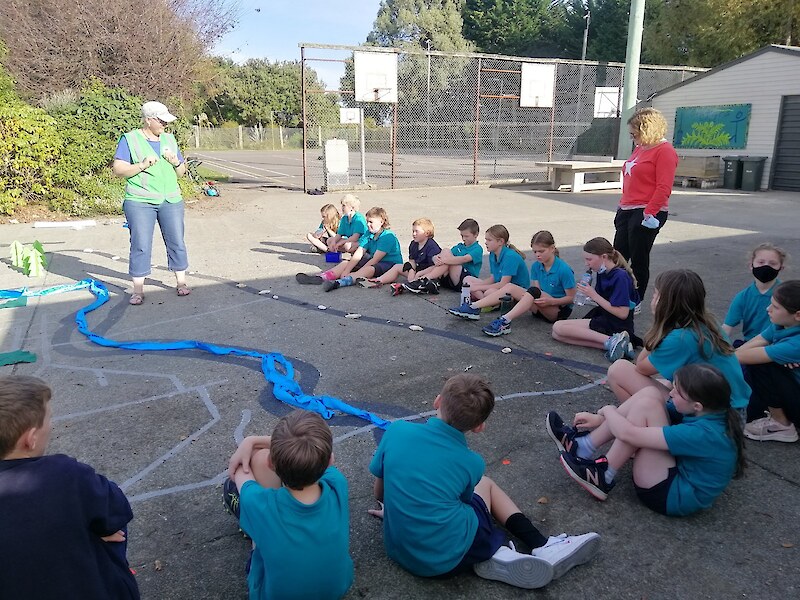
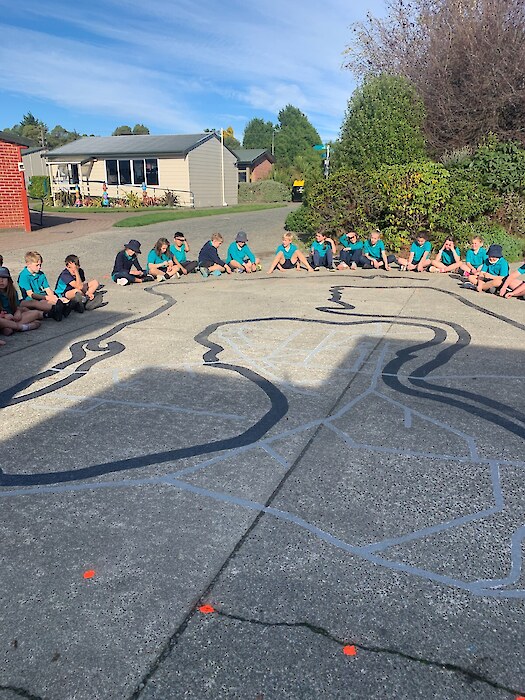
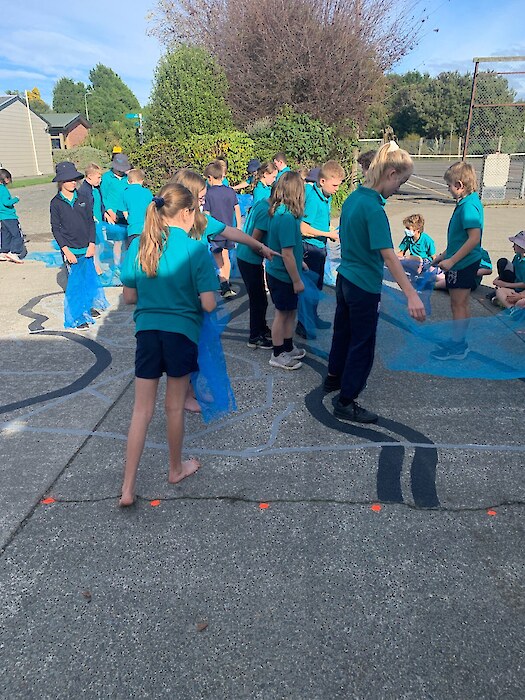
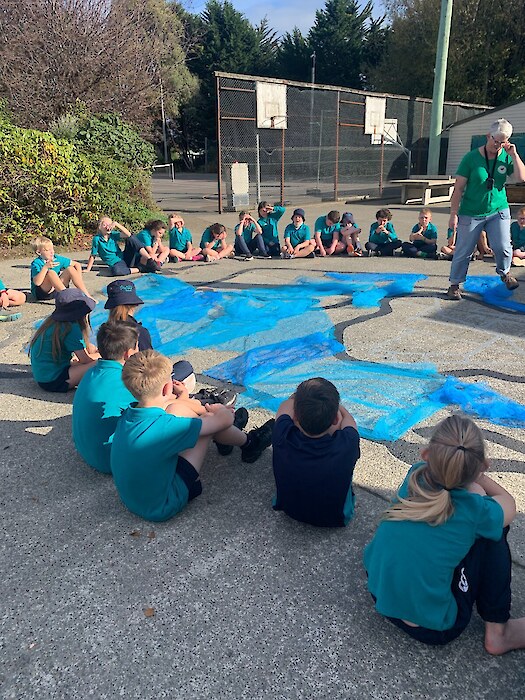
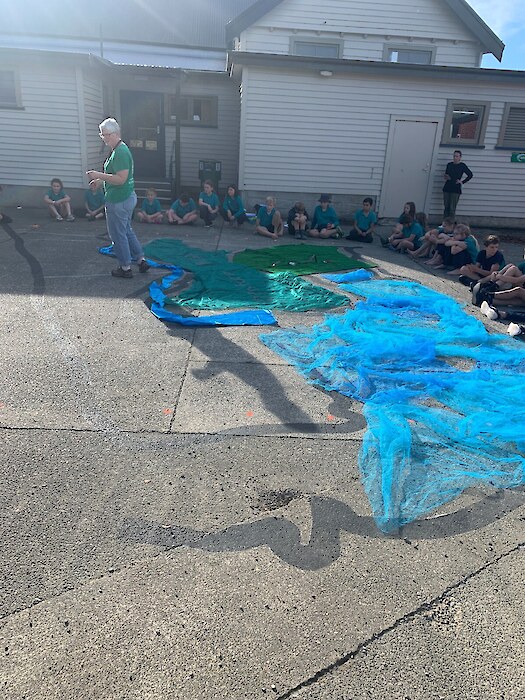
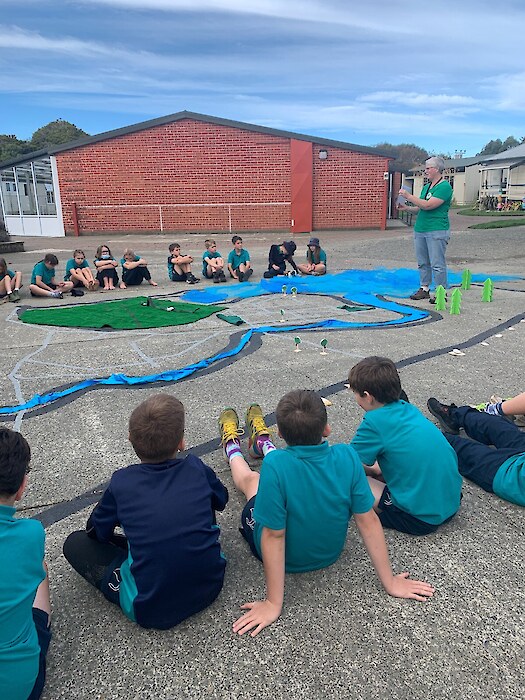
Having been inspired by the giant map at the Southland Community Nursery, staff at Otatara School decided to paint their own on the school grounds. Contributing my ‘know how’ from the time the first version of the map was created, we painted and rolled ready for the start of term 2. I was then invited to join in with the senior classes of Otatara School (Mānuka, Akapuka, Tī kōuka, Pōkākā and Tarata) to work out what the graffiti like squiggly lines on the concrete represented and the stories that can be told about our local places.
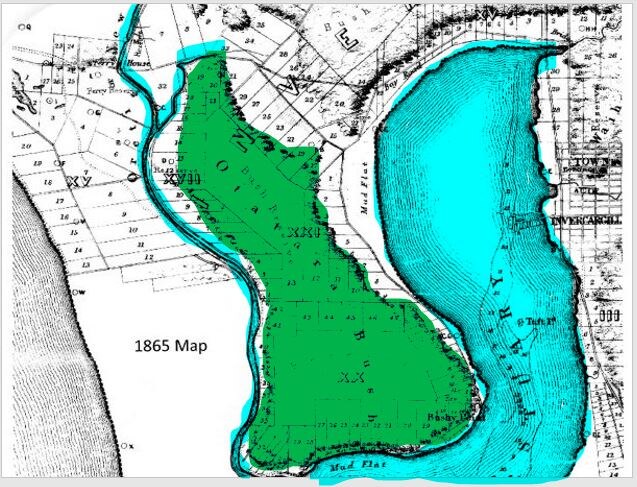
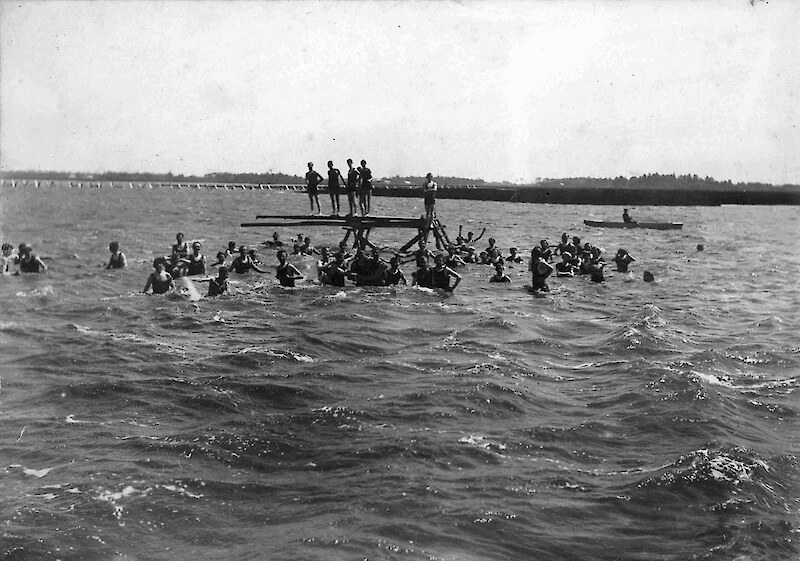
We distinguished between land and water and located Oreti River, Sandy Point, Oreti Beach, Otatara, the school, New River Estuary and where Invercargill would be. We noticed the roads, and encountered the concept of reclamation, looking closely at the changes that have occurred to the New River Estuary. It was great to hear the wondering of these students and make links between what Otatara and the estuary were like, and what they are like now. I look forward to hearing how this map is used in future learnings and the commission these classes have for future New River Estuary work.
Bronwyn
Posted: 7 May 2022
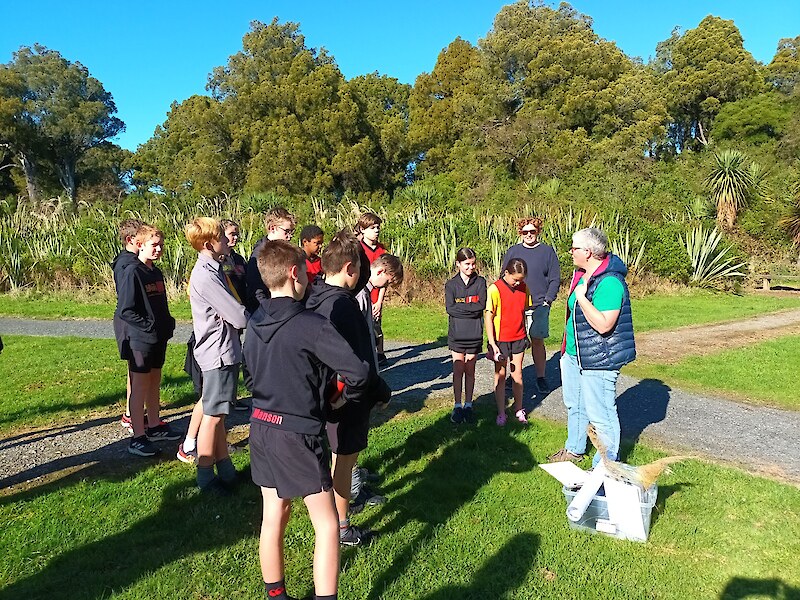
The 3rd, 4th and 6th of May sessions with James Hargest College (JHC) Junior Campus Year 8 Science classes were held at Thomsons Bush and at the Environment Southland Waihopai Restoration Project site. These classes have been looking at climate change and looking at the impact of taking action by planting natives and how this mitigates the effects of climate change.
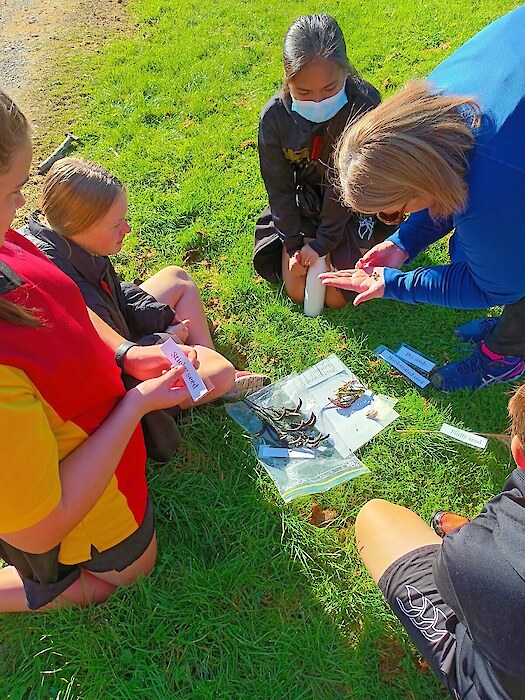
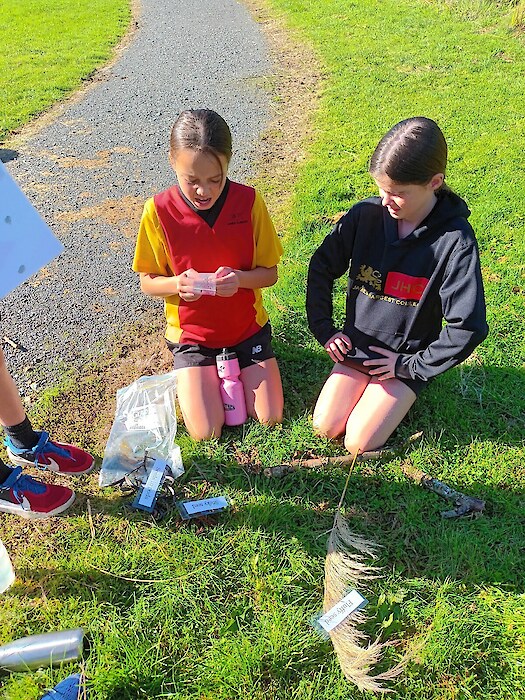
The Thomson Bush sessions with each class earlier in the week focused on the identification of NZ natives that are used in restoration plantings and learning about growing plants for restoration projects. We learnt that growing native plants from seeds is easy, once you can recognise what seeds you are wanting to source (for restoration we want nursery species of plants), how to prepare the seeds ready for sowing and what time of year to collect seeds! We noticed a number of different types of seeds in Thomsons Bush and looked at the restoration planting being undertaken there, noting the importance of eco sourcing seed and choosing the right plant for the right conditions here in Southland. The students were set the challenge of growing some native plants from seed (see the helpful instructions at School Activities • Southland Community Nursery) and taking home a pack of seeds eco sourced from the Southland Community Nursery.
On the Friday I teamed up with the Environment Southland team and the classes got hands on at the Waihopai Restoration Planting Site. We learnt about the history of this site and the community input into the plantings happening there. We planted broadleaf, ribbonwood, cabbage trees, mingimingi and pittos, with many of these native nursery species now being recognised. The students growing knowledge about native plants was added to with specific discussion around what plants do for our environment and for climate change, through the process of photosynthesis and carbon sequestration. Some facts and figures of how much CO2 can be used by one mature native tree and how much oxygen is realeased surprised us all. Taking action for climate change as part of their learning will help the students relate to their own ‘taking action’ assignments that they will be completing to finish off their science unit learning. It was great to see these JHC students (dressed up in house colours) taking action for climate change - climate change heroes in tutus!
Bronwyn
Posted: 7 May 2022