Autumn is seed collecting time, planting time and a time for planning what you are going to grow and plant next season.
Seed in Fruit – Coprosma, Fuchsia, totara, wineberry, broadleaf, cabbage tree.
Prepare by removing the fruit – putting through a sieve and shaking onto kitchen paper. Store dry seed until ready to sow.
Dry Seed – manuka, hebe, ribbonwood, tussock, Carex, toe toe – collect on a dry sunny day.
Posted: 10 May 2012
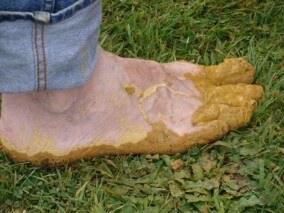
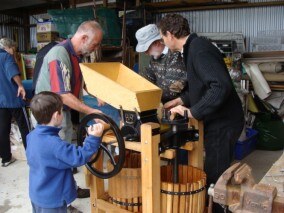
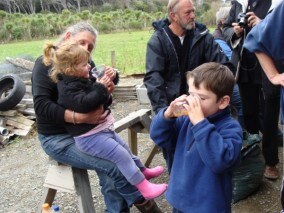
Community Nursery events dont always feature native plants! Two recent events attended by Nursery regulars were a Cob Oven building workshop at Russell and Bronwyn Grahams in Otatara, run by Peter Aalders from Riverton (see Peter’s feet below!) and a recent apple pressing event at the Community Nursery. Both events were interesting, informative, and very social!
Posted: 10 May 2012
In April, Chris and Linda were interviewed for the Radio NZ “Our Changing World” follow the link below
http://www.radionz.co.nz/national/programmes/ourchangingworld/20120405
Posted: 30 April 2012
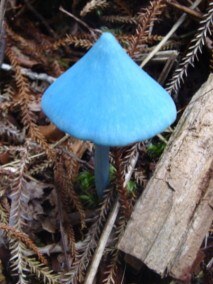
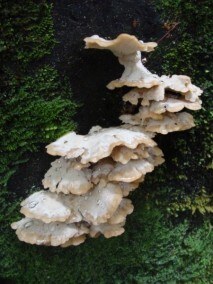
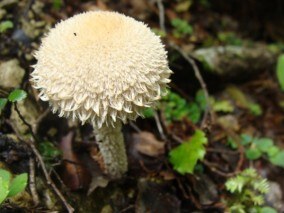
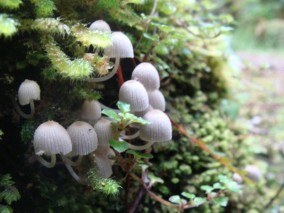
A recent trip revealed a number of interesting looking fungi. If you know what they are let me know by email.
Fungi mean its autumn - and the prime time for seed collecting in Southland. Come to the nursery on a Friday and see which seeds are ready for collection now.
Autumn is also a prime time for planting - the ground is nicely damp but the weather is still good enough to get plants established before winter sets in.
As a fundraiser for our new workshop/education centre we are now selling native pants for $5 a plant for PB3 size plants. Phone evenings 03 2131161 to arrange a suitable time to choose plants for your planting project.
Posted: 23 March 2012
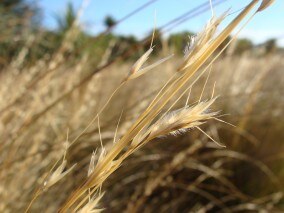
The month of February is the start of the seed collecting time for native plants in Southland. The first species are the grasses (e.g. red tussock - Chionochloa rubra or toe toe) and grass like species (e.g. Carex secta). The dry seed should be collected on a sunny day and put into paper bag, for sowing in winter. The seed can be expected to sprout the following spring - September ready for the new season. The seed looks like this when it is ready
It will be fluffy and will come off easily into your hand as you pull it through your fingers - if it doesnt come off the stalk easily then it is not ready yet. But….wait too long and the wind will blow it a way so keep a close eye on it!
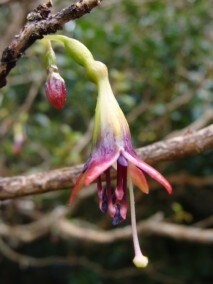
One of the first berries to ripen are the Fuchsia berries - large fruit that turn black when ready. They are favoured by birds so it is also a matter of good timing to get them before the birds do. Within the berry of Fuchsia are lots of tiny seeds so you only need to collect a few berries to have a lot of seeds to sow. To save this seed squash the berry onto kitchen paper and leave the tiny seeds to dry - put into a plastic bag to keep or sow.
Posted: 6 February 2012