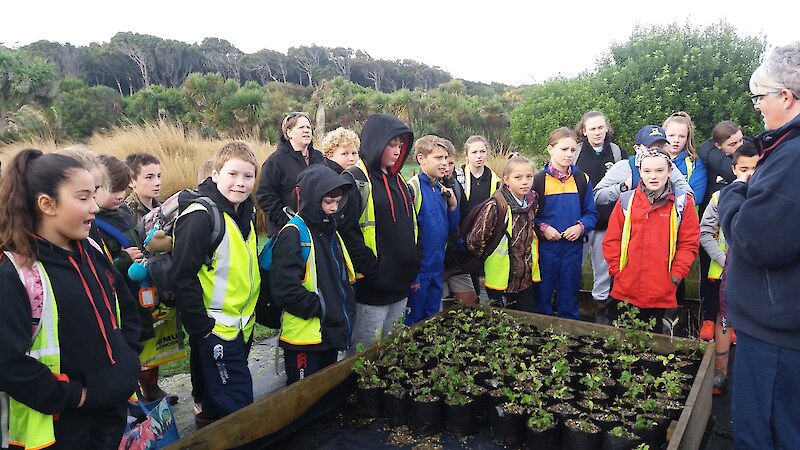
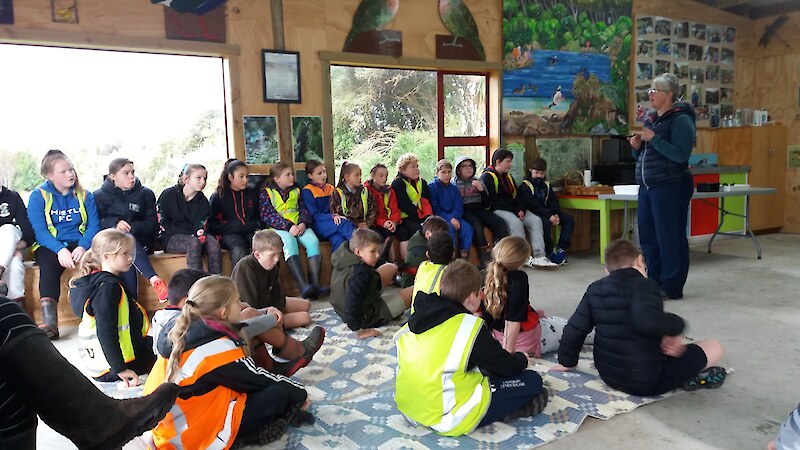
An enthusiastic group of year 6-8 students from Rimu School arrived with a plan – they wanted to learn all about growing native plants from seeds and cuttings. The large group was divided into two with Bronwyn taking a group around the bush and Chris taking the cuttings group.
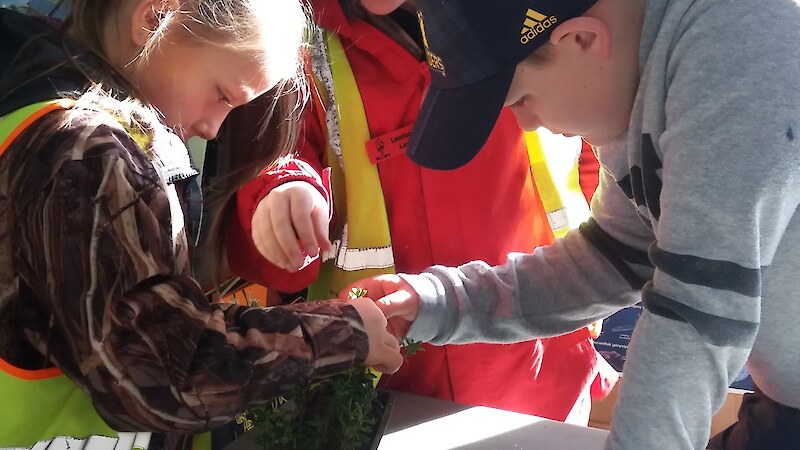
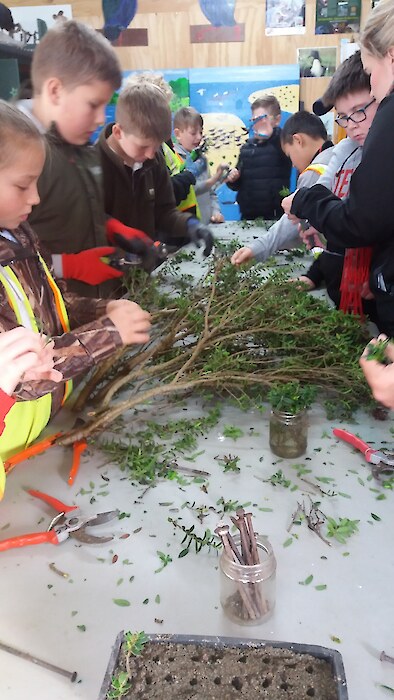
Chris’s group learnt first all about seeds as that is the best way to propagate or grow new native plants. Chris explained that seeds provided plants with diversity, as opposed to cuttings which are a clone or exact copy of the plant. Thinking about what equipment we might need to take cuttings and some good answers were: the plant, secateurs, pots, some said soil (but we actually use river gravel), rooting hormone powder and labels. Chris had collected some hebe branches and everyone had a go at making some cuttings. The group learnt about the process – cutting a tip of the plant, measuring 12-15 cm and cutting below a leaf node and removing ¾ of the leaves, dipping in rooting hormone and putting in river gravel. After doing about 4 trays of 40 cuttings we went out to look at the currant bushes and learnt that the same technique can be used for those as well. The worm farm was looked at as a bonus!
https://www.southlandcommunitynursery.org.nz/restoring-your-patch/get-growing/cuttings/
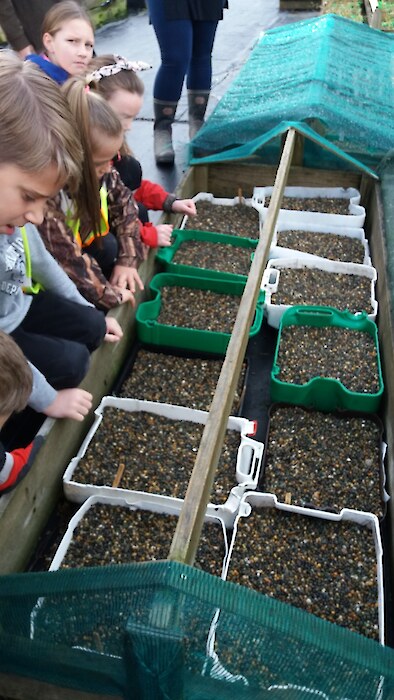
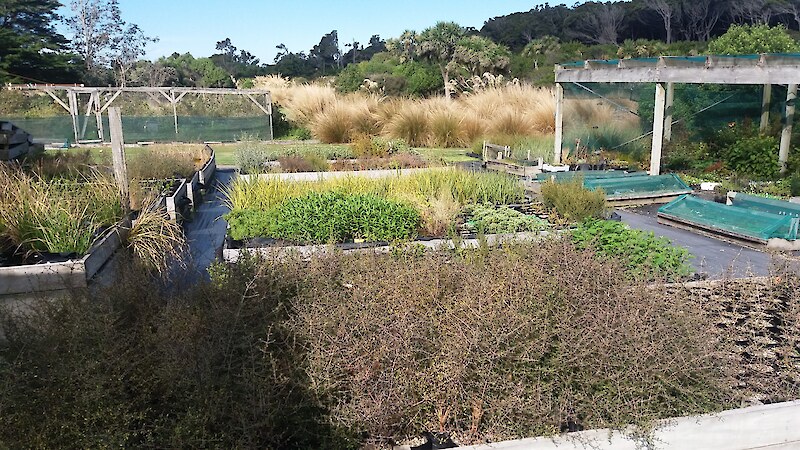
Bronwyn’s group went looking for and collecting seed. We looked at all different kinds of seeds - tī kōuka/ cabbage tree stripping the white fruit off the branches and squeezing out and counting the small black seeds; the sticky pittosporum species of seeds in pods, both kohuhu and tarata; the fleshy red fruits of kahikatea with the black seed on the outside that had collected on the shade cloth laid out on the forest floor; the cocoa bean lookalikes pōkākā seeds; the blueish fruit of mingimingi with two white seeds on the inside; the spores on the underside of fern fronds; the bright orange seeds of Astelia; the black seeds of harakeke in the big pods now mostly empty of seeds; the empty seed pods of Koromiko (Hebe salicifolia); broadleaf seeds, the hard small pods and seeds of mānuka, the shiny black round fruit of seven finger and many others - including some weeds. We talked about eco sourcing - collecting seed locally and the benefits of this, the need to identify what seeds you are collecting (as we really don’t want to sow weeds!!) and the need to identify NZ native plants, naming and dating the bags that you put your collected seeds into, the different preparation of different kinds of seeds (before sowing), colonising or nursery plants v canopy tree species and the seasons - noticing what seeds are around now to collect and what plants at this time of year have only empty seed pods or no seeds. We also looked at the recently sown trays of seeds in the nursery and the shade clothed protective boxes that we put them in and talked about the use of weed free seed raising mix and stones. Back in the education centre we looked at some other seeds including kōwhai and miro (and the link with kereru for this species of tree) that had been collected previously. We even talked about why there is no need to stratify seed in Southland for the species we were looking at because of nature doing this for us - some great discussion and questions from a switched-on group of learners.
https://www.southlandcommunitynursery.org.nz/restoring-your-patch/get-growing/seeds/
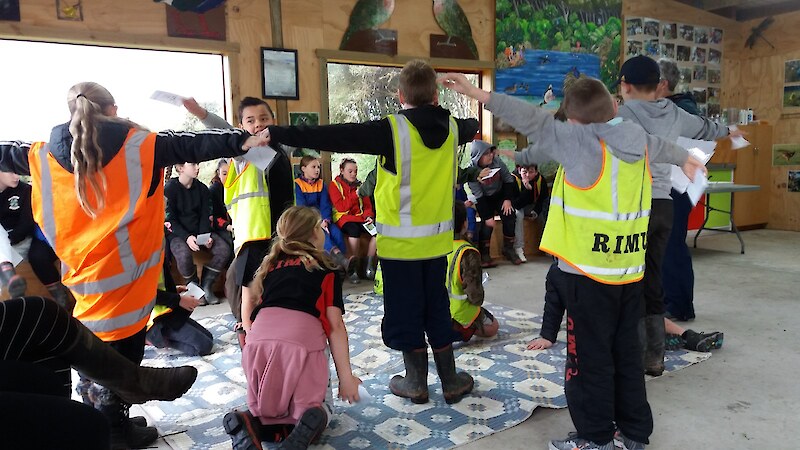
All together as a big group we acted out how a forest works and started to distinguish between colonising and canopy tree species, with colonising tree species growing up to provide the shelter needed to attract birds and to provide the environment needed for the big canopy tree species to grow. Learning about the different NZ native tree species and what ones are colonising or nursery species and what ones are canopy tree species will be important for any creation of a native area at the school. It was great to have this group of learners alongside us learning about the ways to propagate native plants. We look forward to hearing about their learning and what they might start up at school.
https://www.southlandcommunitynursery.org.nz/how-forests-work/
Chris and Bronwyn
Posted: 4 June 2019
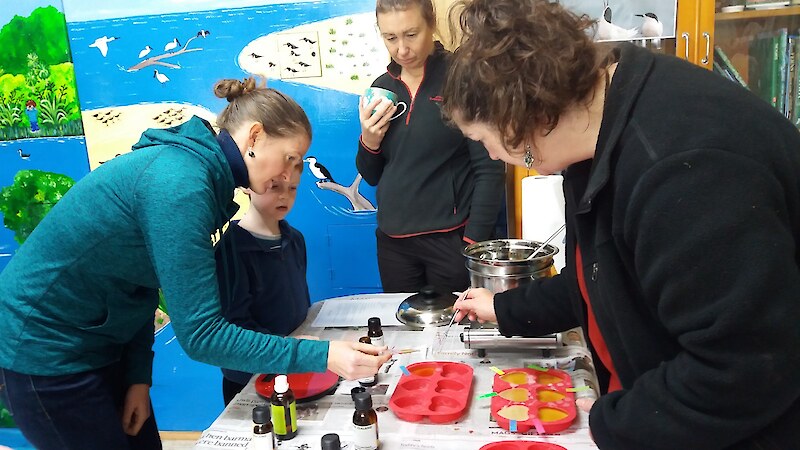
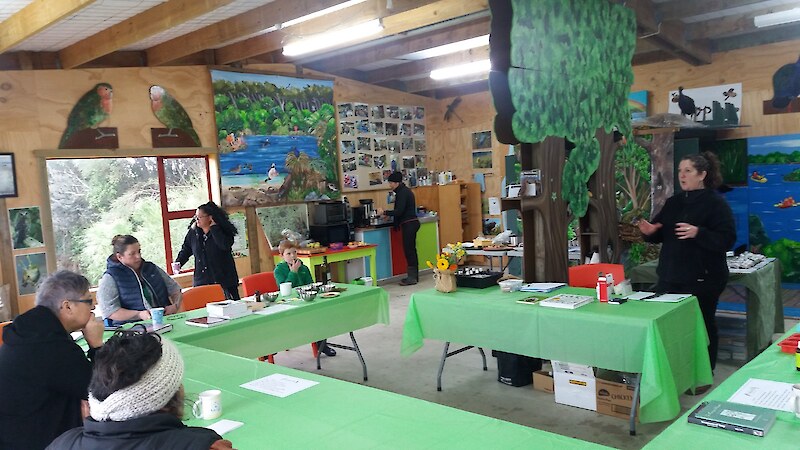
Another very successful workshop was held by Honorlea – Kakariki Natural Beauty on Saturday 25 May 2019. Booked up well in advance the 10 participants enjoyed the experience of learning about natural products – such as using different oils and gaining an understanding of the range of materials available and some of the pitfalls of using conventional products.
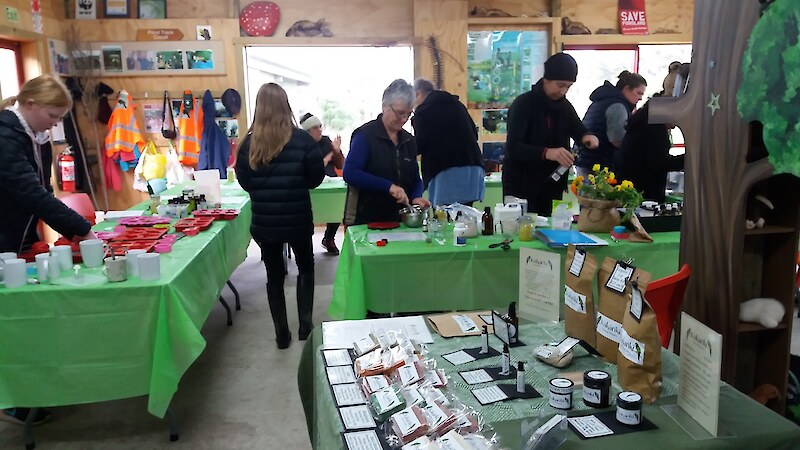
Then it was on to the making – with salt scrubs, bath salts, pour and melt soaps and a beautiful moisturising bar.
Everyone delighted in choosing their personal scents, essential oils and clays and natural herbs.
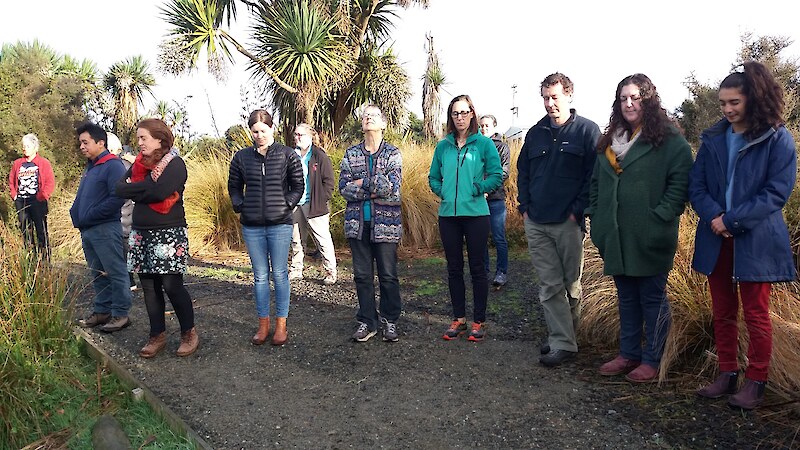
After a yummy shared lunch we all went outside around the bush and ponds to look at other products in nature such as horopito and manuka and just enjoying being out in nature.
As much as anything, such workshops give people the opportunity to relax, in a lovely scented environment, network and chat and take a “day out” for themselves.
Thanks to Honorlea for sharing her extensive knowledge and to everyone for the camaraderie, the shared food and the lovely waiata to close. It was a memorable day and we look forward to other workshops in springtime. Thanks also to the ILT Foundation for funding to make such workshops possible.
Chris
Posted: 27 May 2019
An informal pest workshop was held in the Education Centre by Mark Oster on Tuesday 21 May 2019. The aim was to familiarise Education Staff on the pest animals and techniques to control them, from a teaching perspective. Mark had on hand his box of stuffed critters (rats, mustelids, possums), traps and lots of stories – from the uniqueness of New Zealand’s, now vulnerable, biodiversity and the importance of protecting it, to the life cycle of the animals themselves, to the history of animal introductions to NZ, to the conversations about trapping and killing of creatures in order to protect the creatures that are unique in NZ. Then on to practical demonstrations of how to handle and set the traps and how to use tracking tunnels and chewtags to detect what you have got on your property or school. It was a very informative morning.
Chris
Posted: 27 May 2019
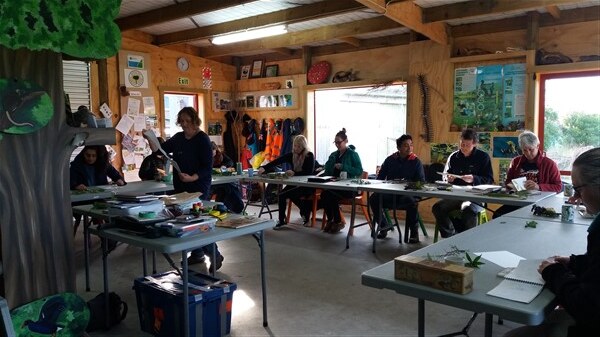
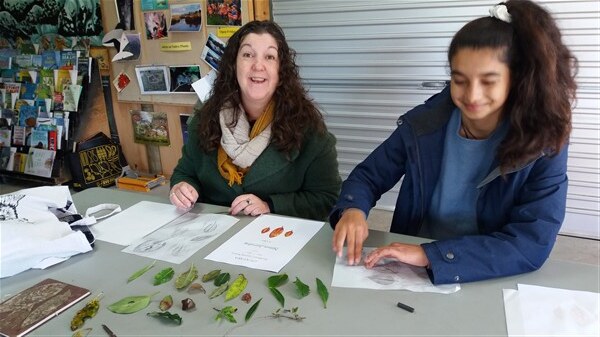
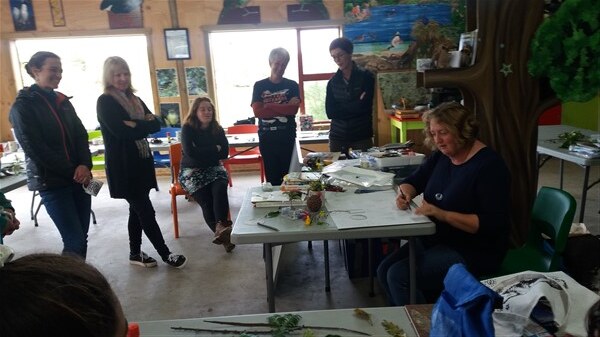
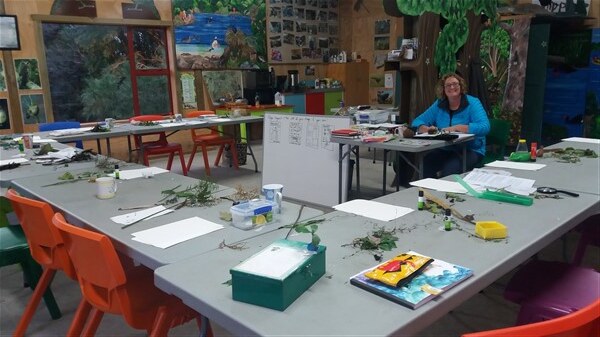
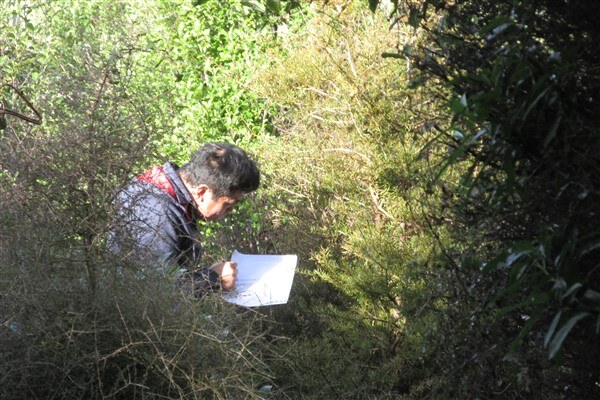
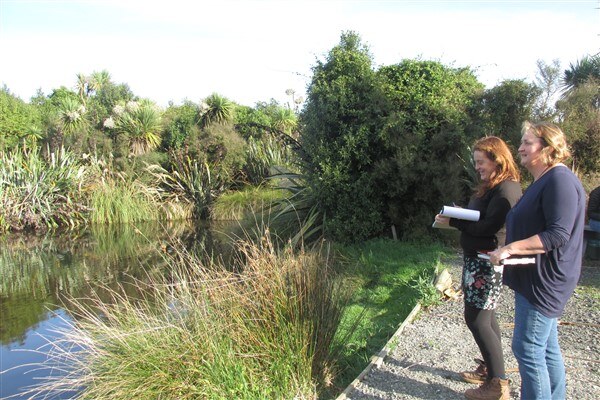
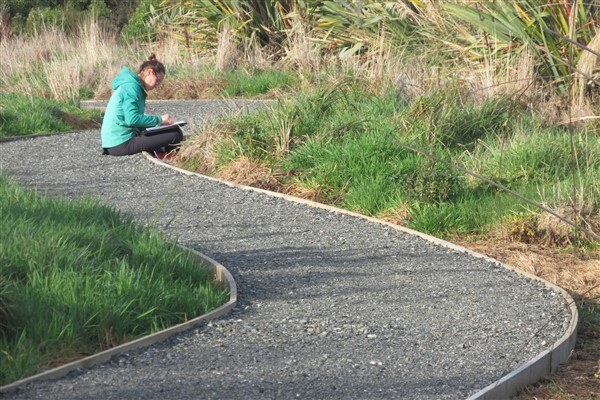
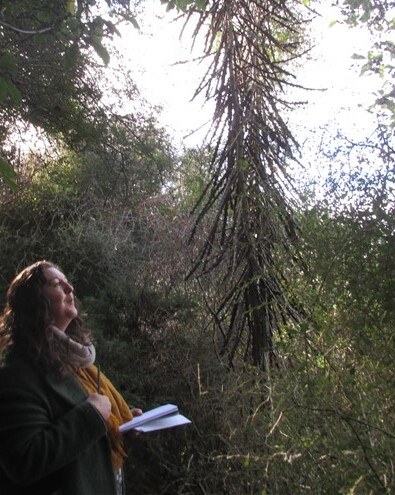
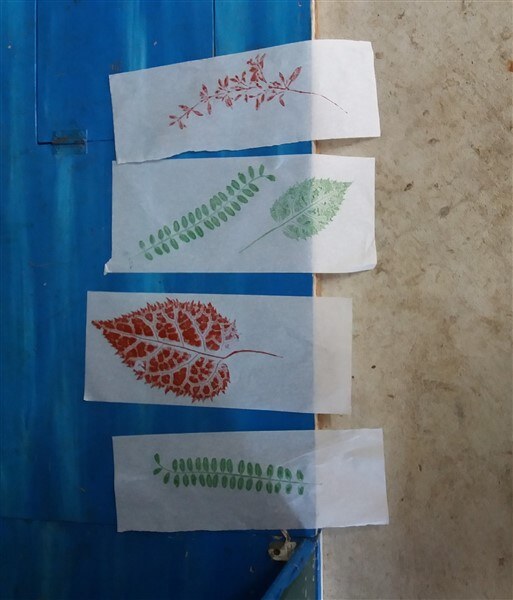
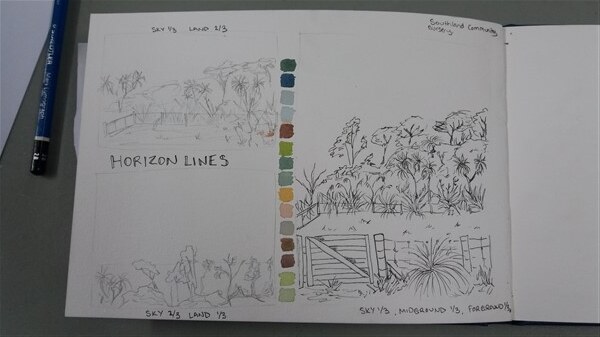
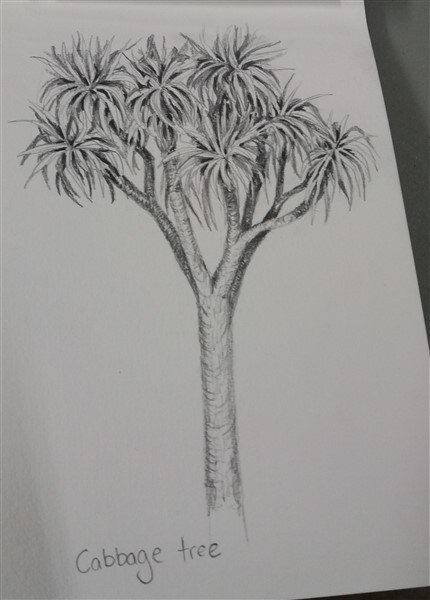
Again, we were very fortunate to have Artist Jo Ogier come down from Christchurch to tutor the Nature Journaling workshop. Day one was fine and sunny – great, after tutoring sessions, to be able to get out and do some field sketching around the bush. Close observation was one of the main themes for the day and really taking in the environment in which you are in. Lots of techniques were taught and Jo brought along her extensive selection of mediums for people to try. For day two the weather was wet and windy so not conducive for going outside. However, Jo had many subjects brought inside for people to paint and draw and the landscape could be well observed through the Nature Centre windows!
As always, it was a very concentrated, but fun, learning environment and an intense couple of days. Trying to get people to take a break from their work was difficult but the work produced by everyone was amazing to see.
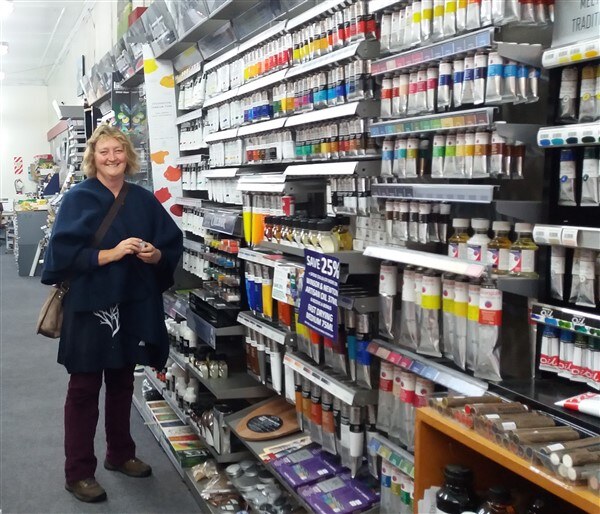
Thanks Jo for your wonderfully relaxed style of teaching, everyone thoroughly enjoyed it and can’t wait for the next workshop. Next day I took Jo to her “Happy place” - the Art Supplies Southland shop 130 Dee Street. This is an amazing art shop and they will give good deals if you mention that you have done a Jo Ogier workshop, they offer great advice so be sure you go and have a look around.
Chris
Posted: 14 May 2019
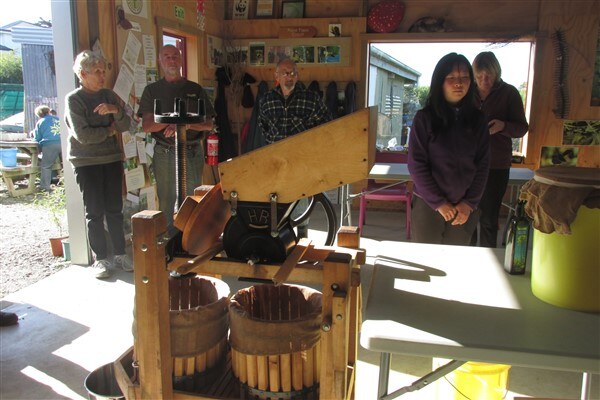
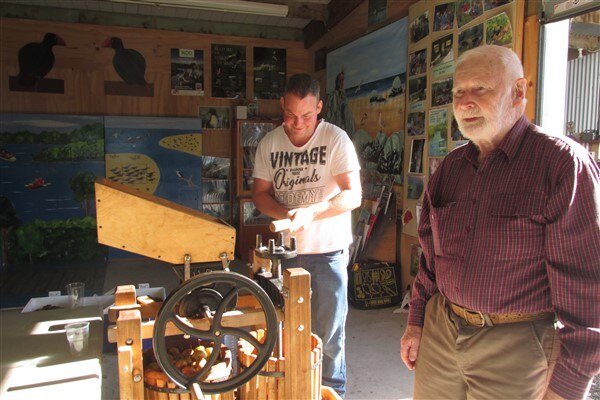
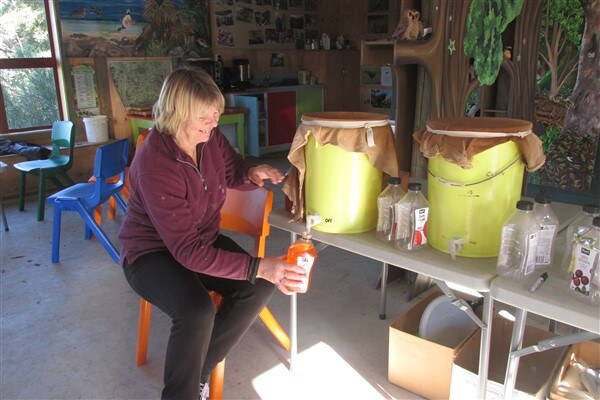
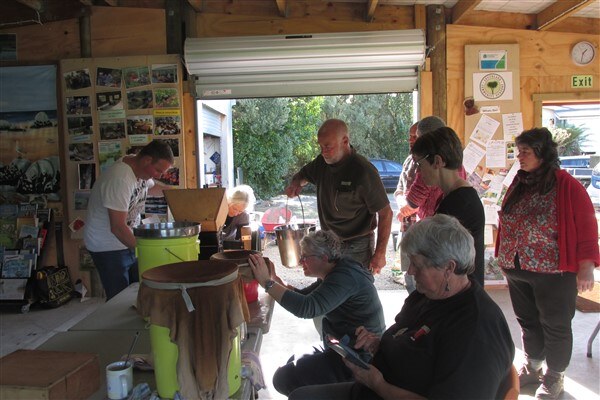
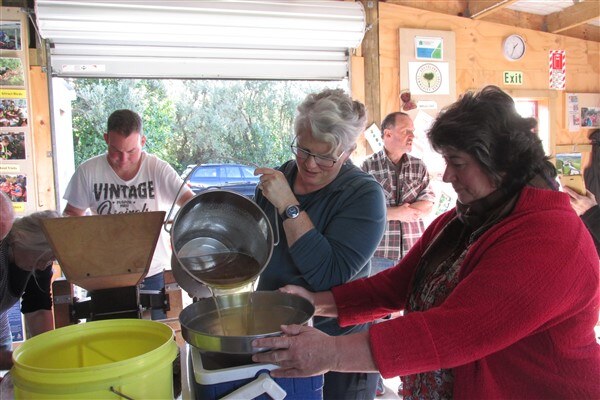
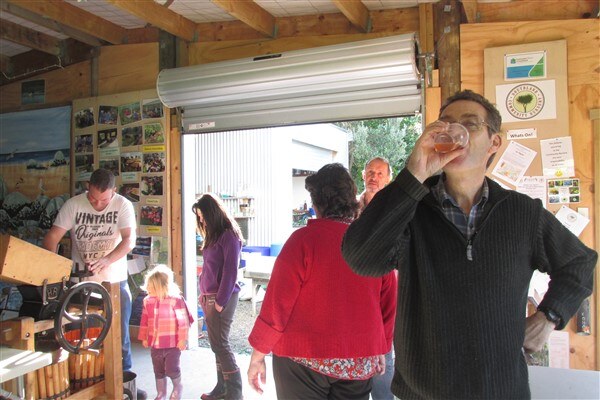
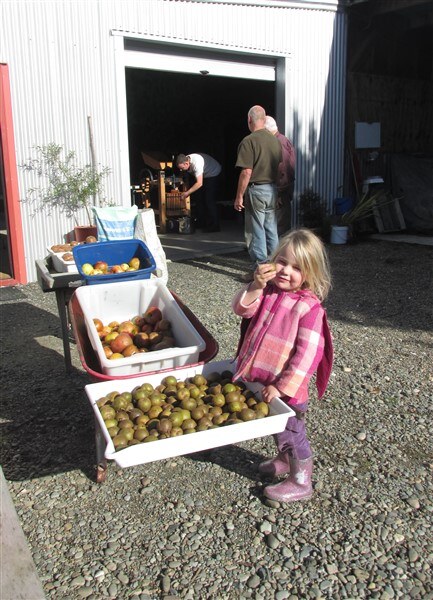
Another year’s apples have been juiced and maybe turned into cider! Around 20 people came with their crop of apples and Malcolm’s cider press was again in full production between 11am and 3pm. This year we collected, froze and pressed our cider apples separately and were pleasantly surprised how sweet the juice was (considering the apples themselves are virtually inedible!). Others brought thawed apples which produce a very clear juice. Matt added yeast to some of our cider apple juice and we await the result!! Other people brought fresh apples to be chipped and then pressed and the resulting taste tests all produced very nice juice for drinking. The apple crop in Southland seemed to be more prolific than previous years though it was apparently more difficult to find roadside trees in fruit this year – maybe the result of late frosts in springtime. Thanks once again to Malcolm for bringing the Cider Press and allowing us to use it for another good event.
Chris
Posted: 14 May 2019