Open Morning and Native plant Sale Saturday 21 March 2020
Get your locally sourced and grown native plants for autumn planting – plants for shelter, wetlands, forest restoration, attracting native birds or garden plants.
Learn about Southland native species, see examples of plantings and bush restoration.
Date – Saturday 21 March 2020
Time 10am-noon
Venue – Southland Community Nursery – 185 Grant Road, Otatara (Nursery entrance - just past the 185 rapid number)
Chris and Brian Rance
www.southlandcommunitynursery.org.nz
Posted: 16 March 2020
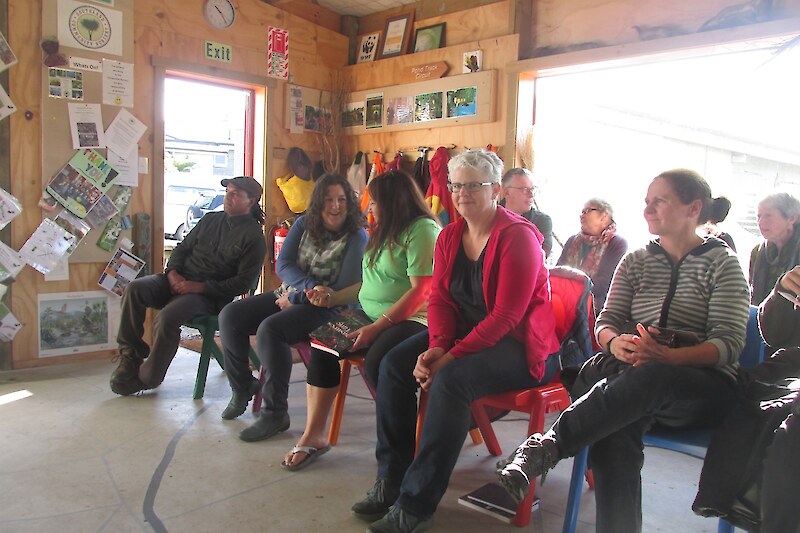
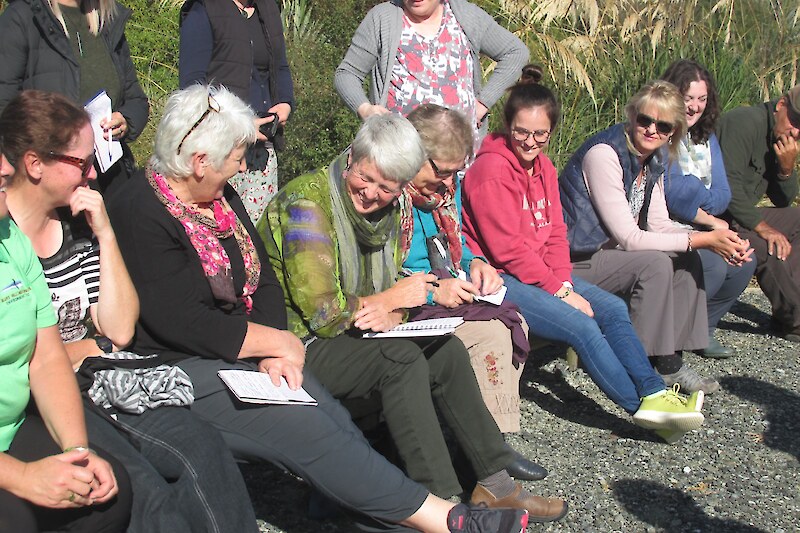
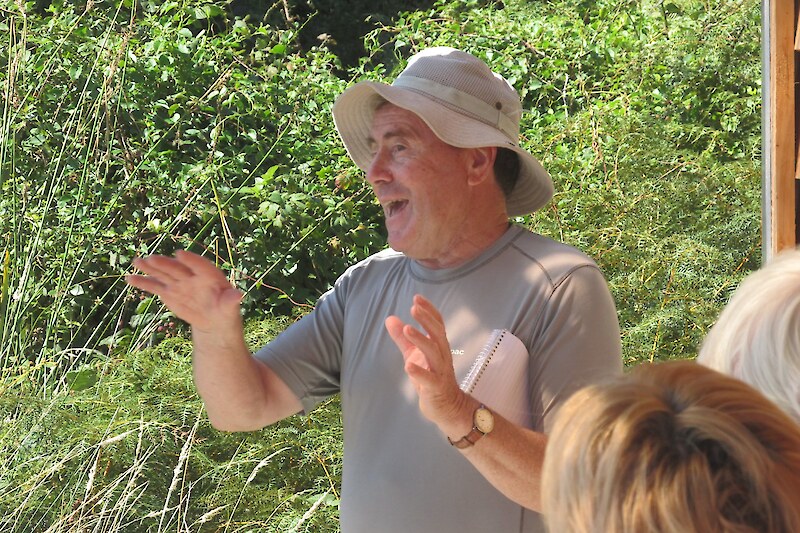
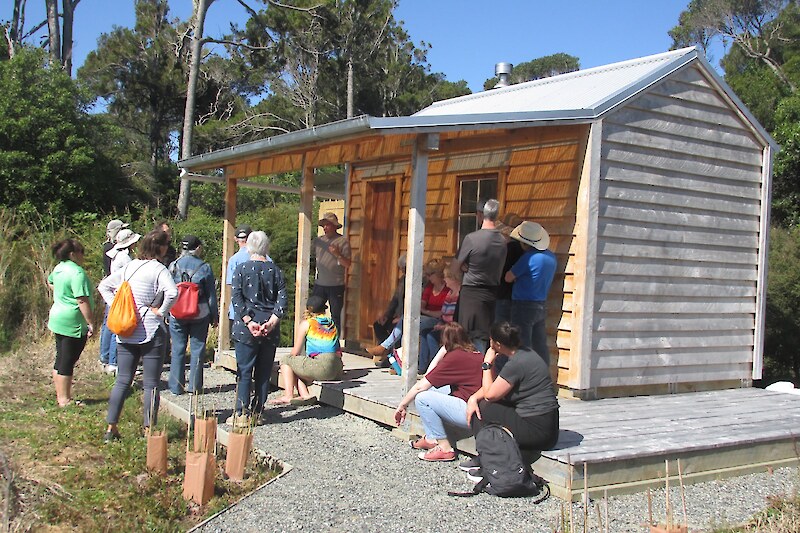
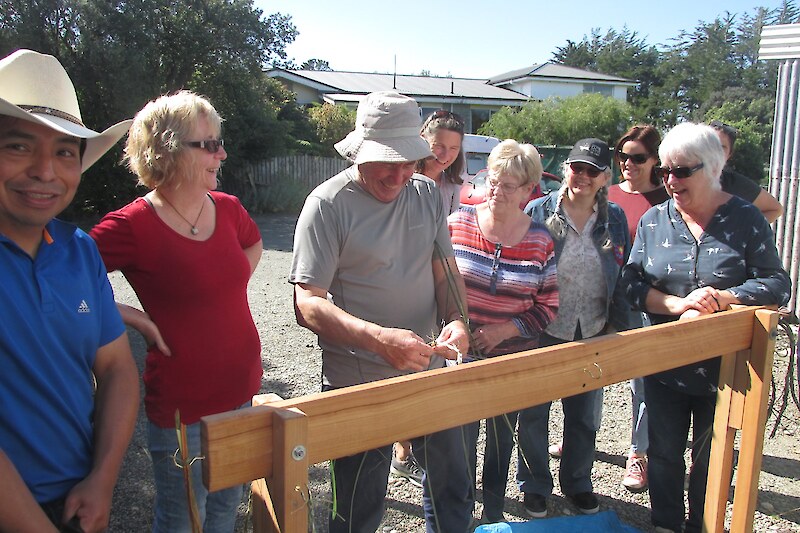
As part of Heritage Month 2020 we held two workshops with Rob Tipa – author of “Treasures of Tane” – Plants of Ngai Tahu.
Chris introduced Rob and also Estelle Leask and Brian Rance - all passionate and knowledgeable advocates for native plants.
Rob began by explaining his whakapapa and his early days of putting together, as a journalist, the stories associated with the native plants of Ngai Tahu. The articles for Te Karaka magazine eventually became the book “Treasures of Tane”.
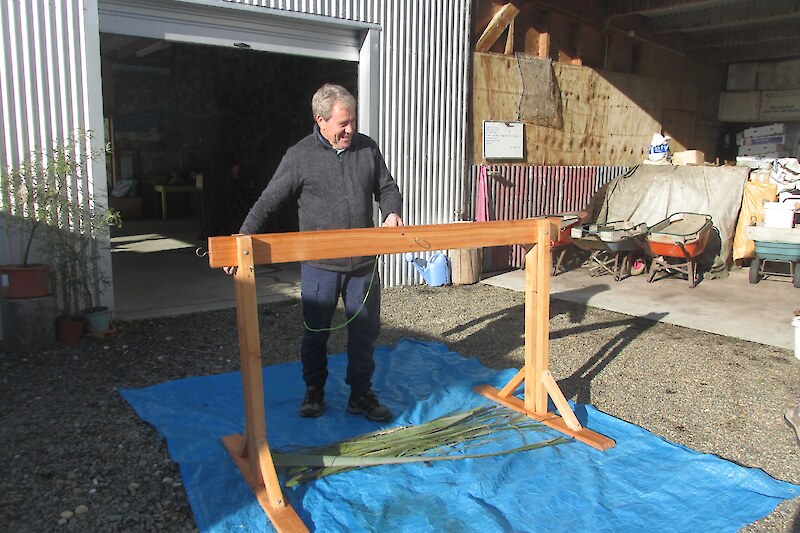
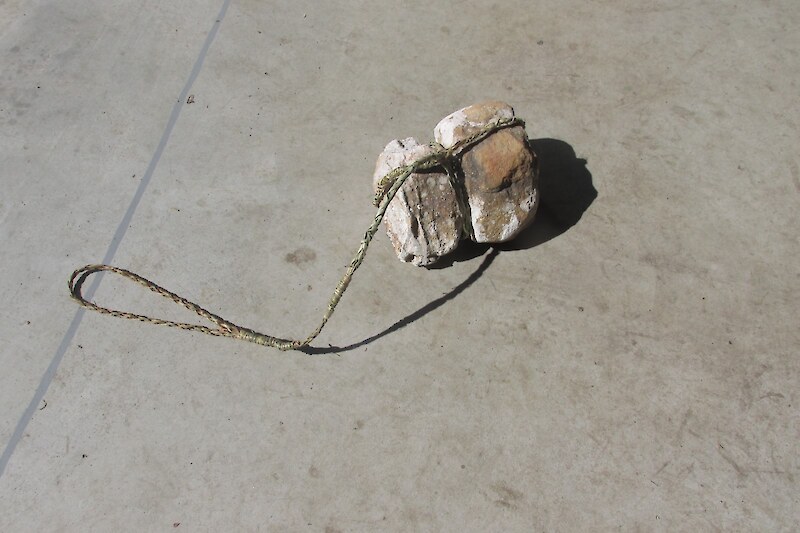
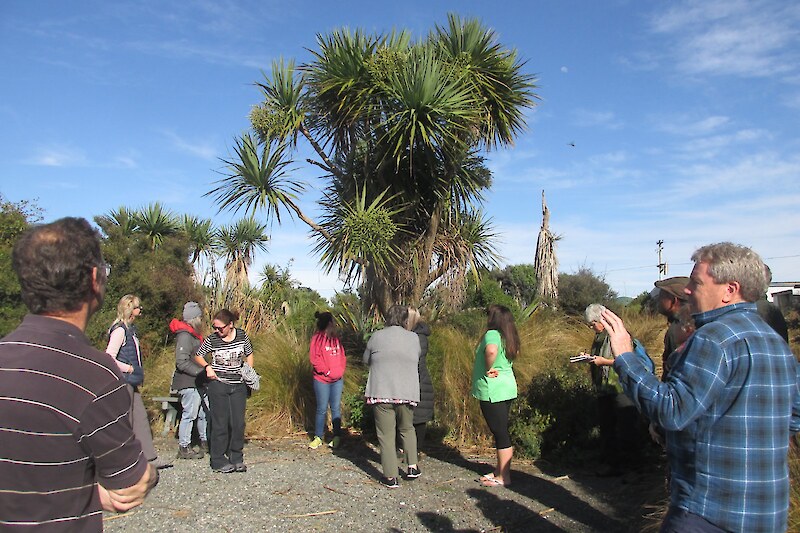
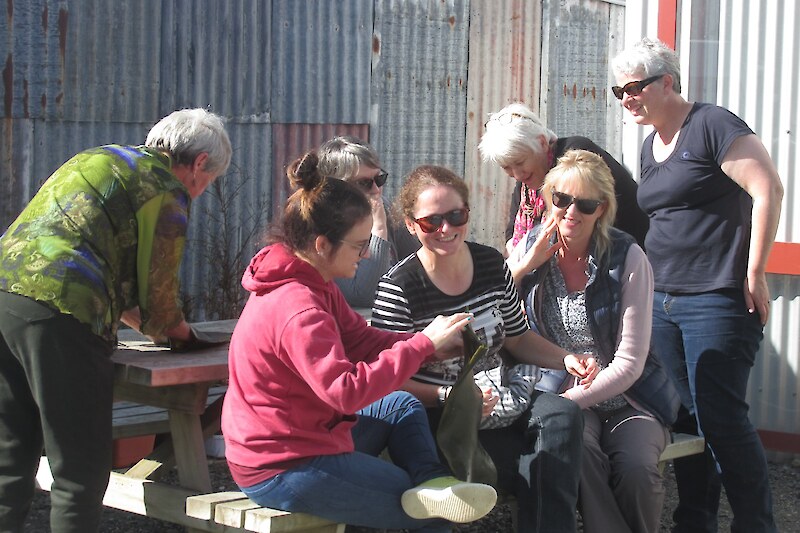
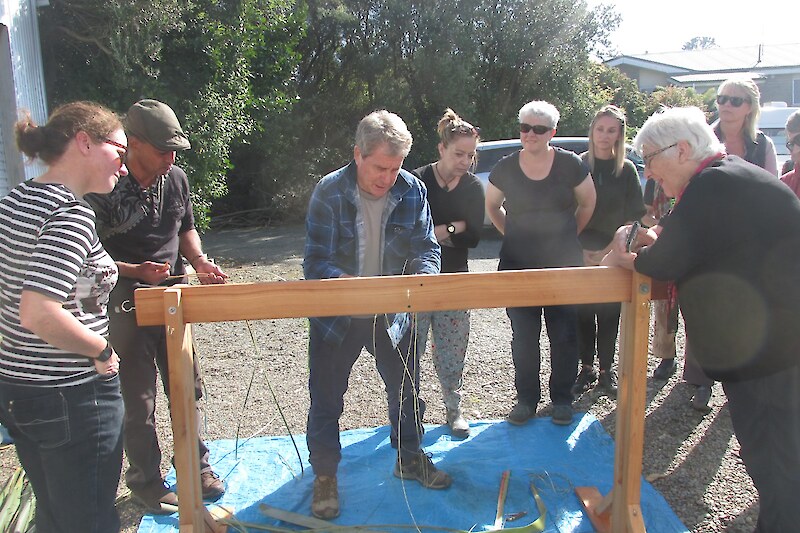
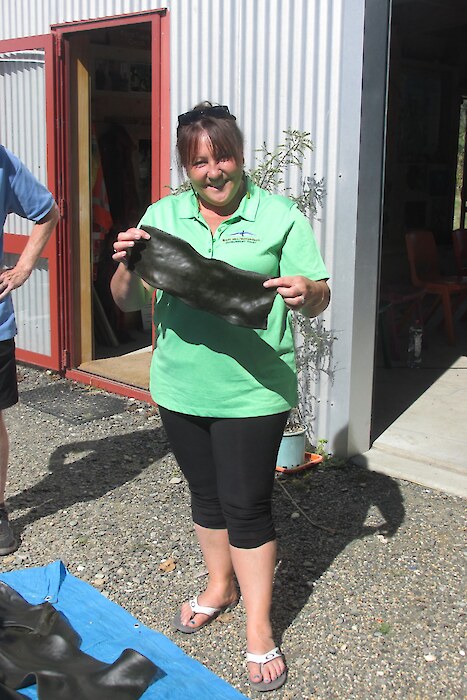
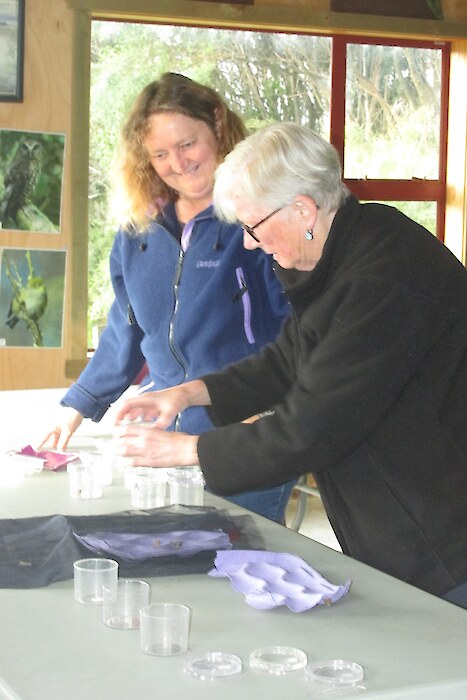
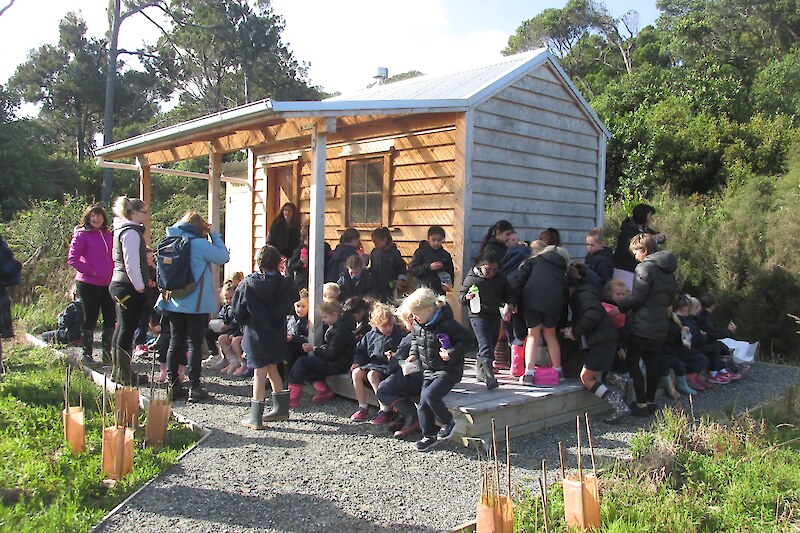
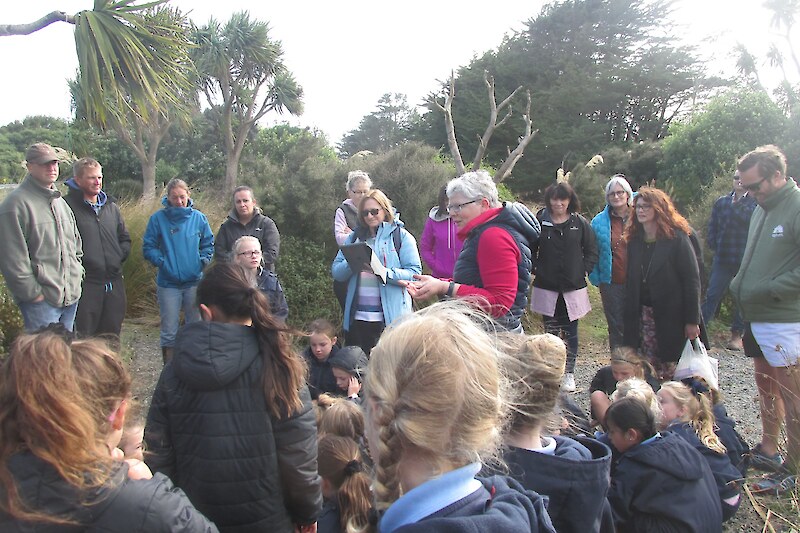
Out in the wetland, Rob’s enthusiasm was infectious as he went from story to story about “survival plants”, moving on to food and medicinal plants and those used for materials such as clothing, bags, building materials – he described wetlands as a supermarket for early maori people – many plants had a use and for many a special way of preparing them. Under the Ti kouka tree Rob explained the uses, and as with harakeke – the view that how could you live without them. Moving on around the wetland lacebark, ribbonwood, raupo and bracken fern uses were discussed, then the mighty trees totara, rimu, matai, miro, kahikatea – then back to the Education centre for practical weaving session and making poha kelp bags.
There is a great video of Tiny Metzger making poha at the following link http://www.maoritube.co.nz/people/poha-bull-kelp-bags-ngai-tahu-mahinga-kai/
Thanks to Rob for sharing the stories with great humility and for his enthusiasm and fun – everyone really enjoyed the day. Thanks to Heritage South for putting together a great programme of events for Heritage Month 2020 – see more events at https://www.facebook.com/HeritageSouthNZ
Chris
Posted: 16 March 2020
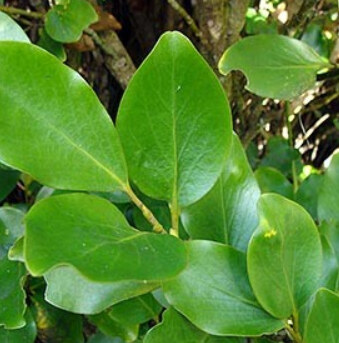
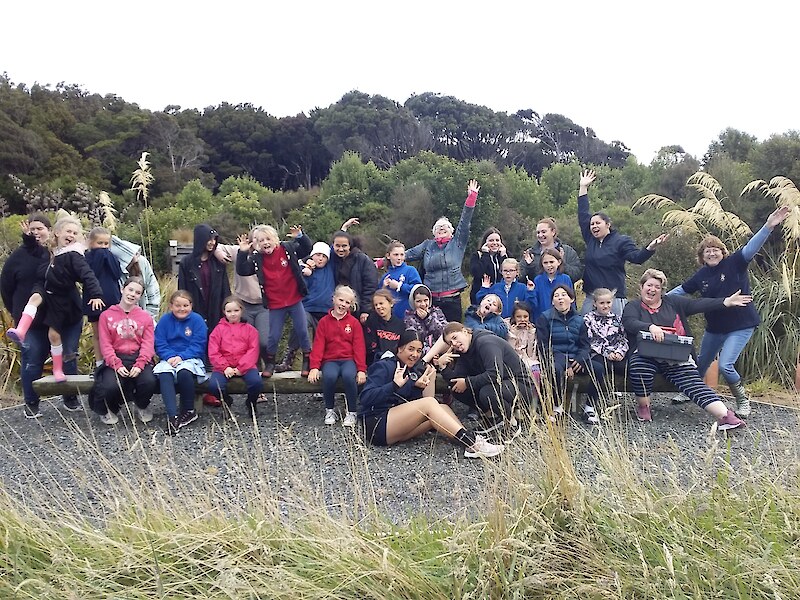
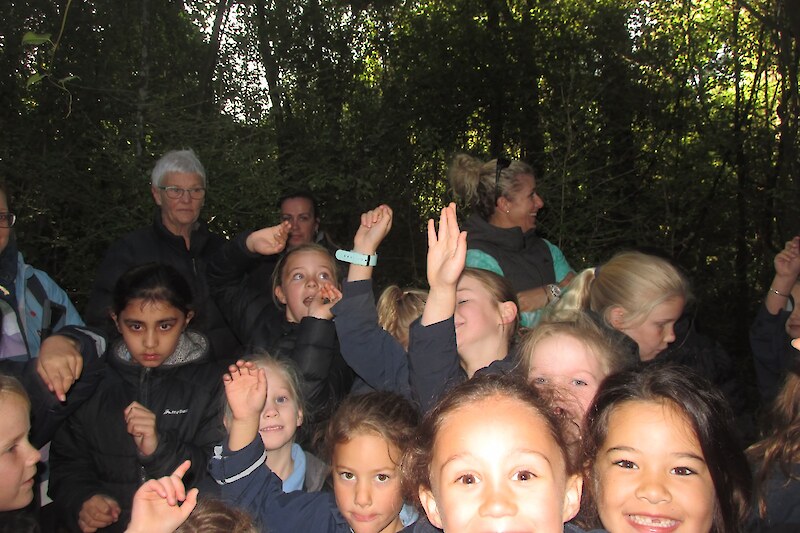
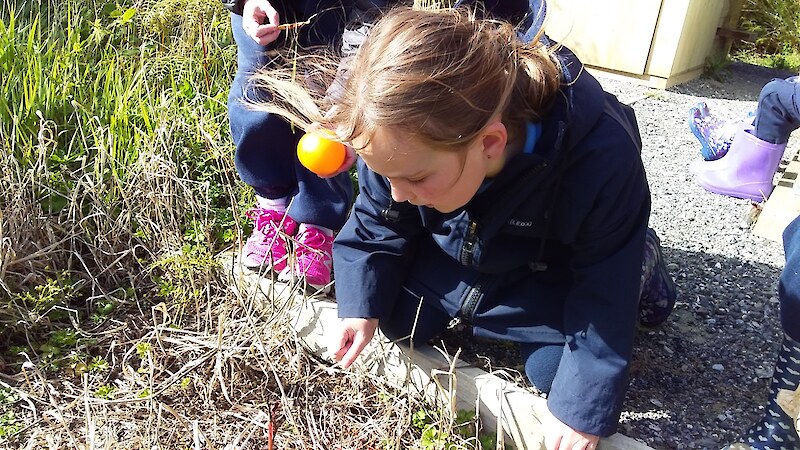
Off around the pond track on a leaf hunt saw the girls look high and low, left and right for leaves. We learnt about native species and introduced or weed species, and looked at the different shapes and colours of leaves - there is more than one green! A piwakawaka joined us and fun was had by all. We spotted the pest traps and bait stations along the way learning why we do this to protect our NZ flora and fauna.
Bronwyn
Posted: 13 March 2020
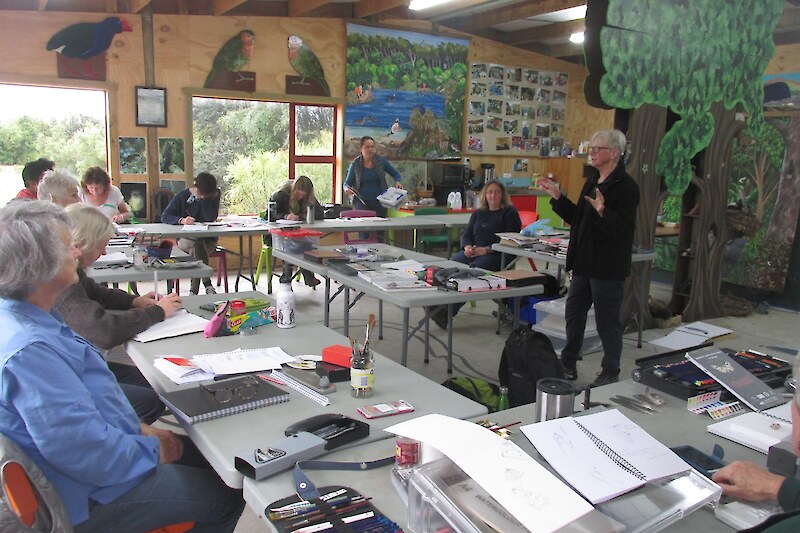
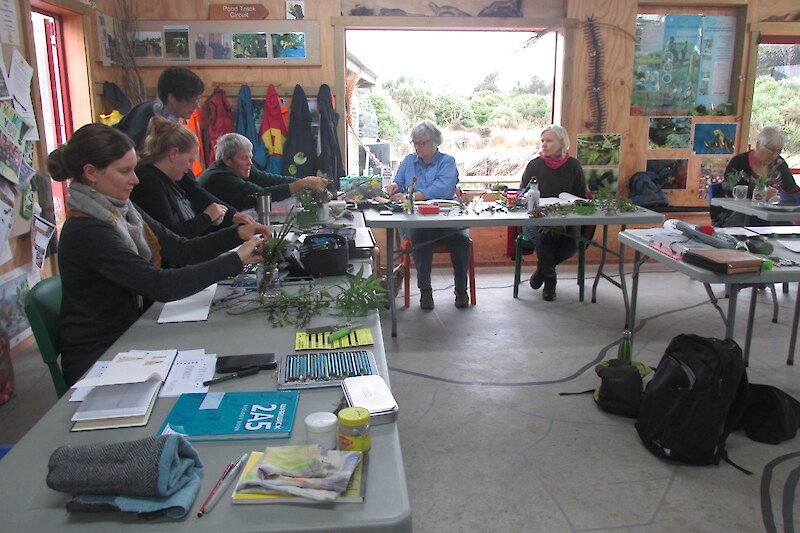
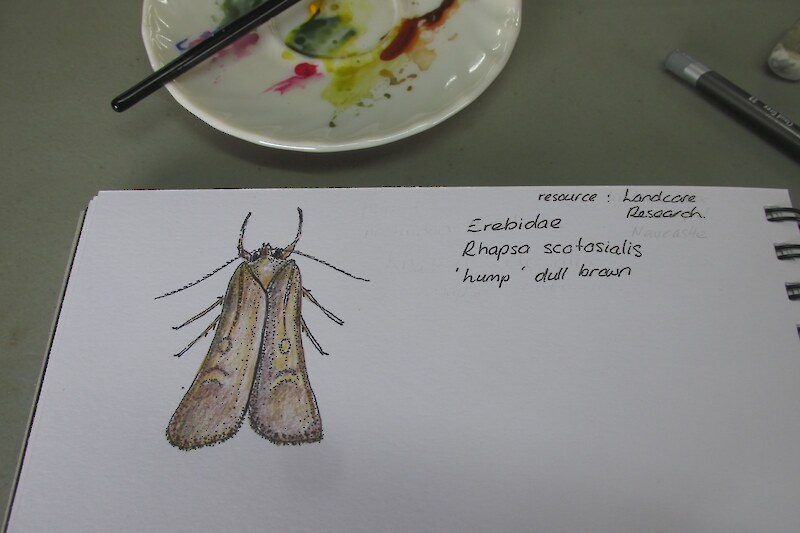
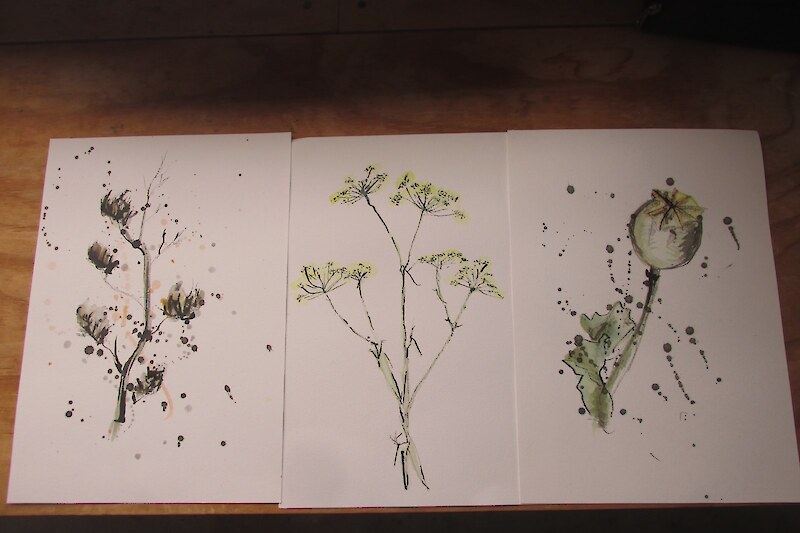
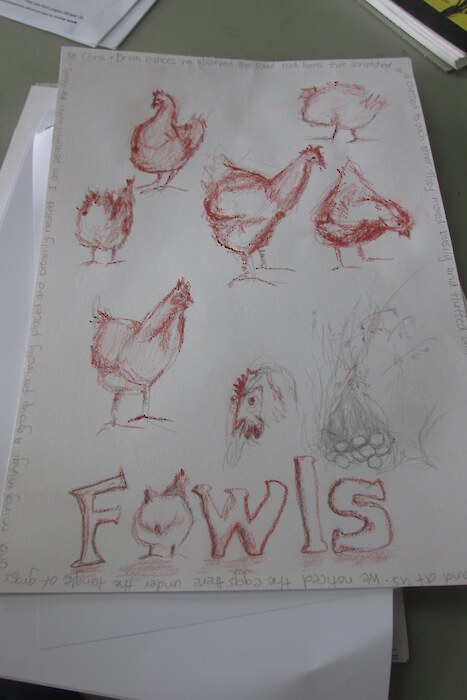
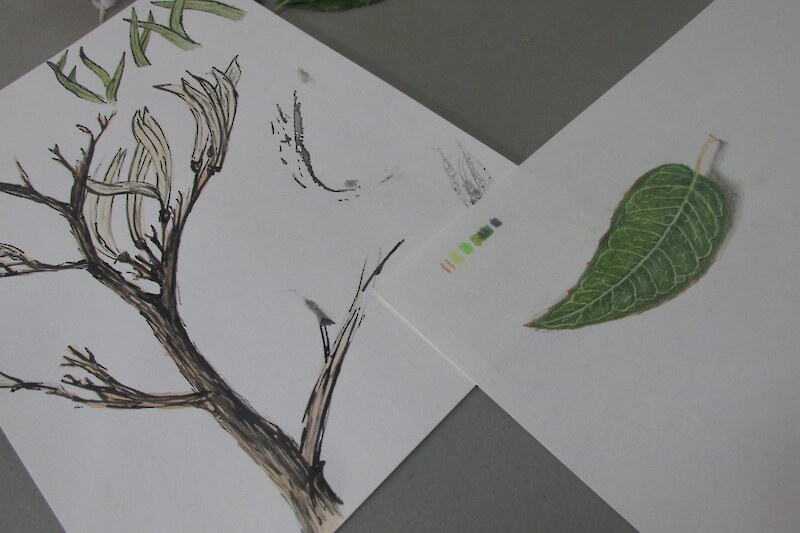
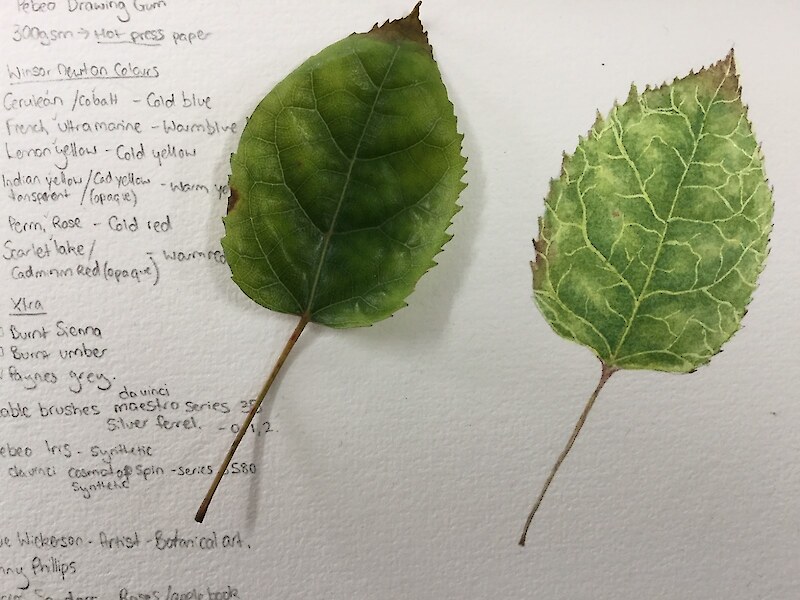
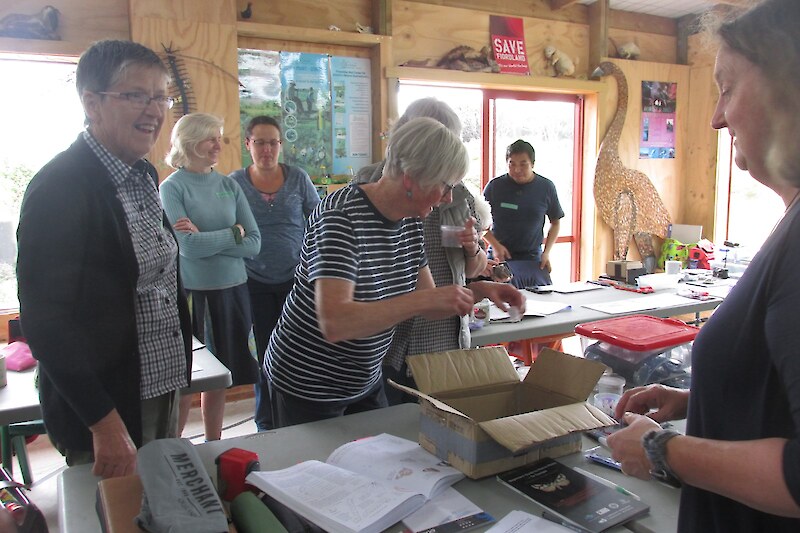
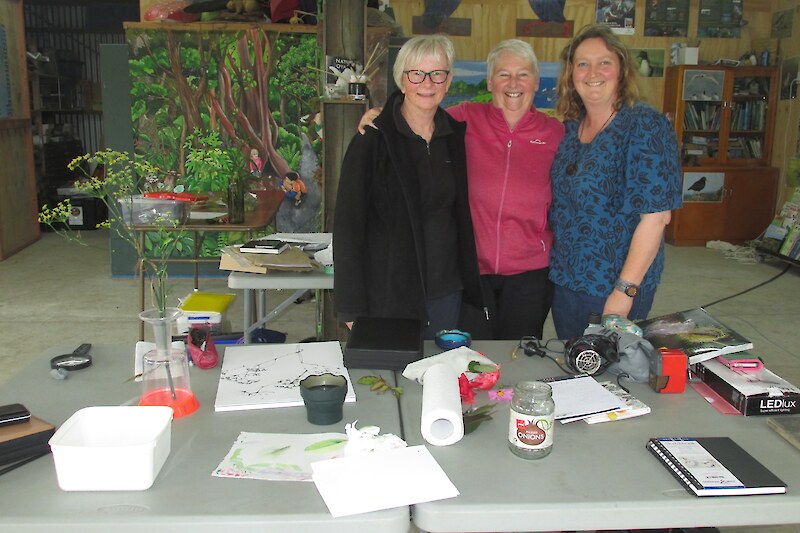
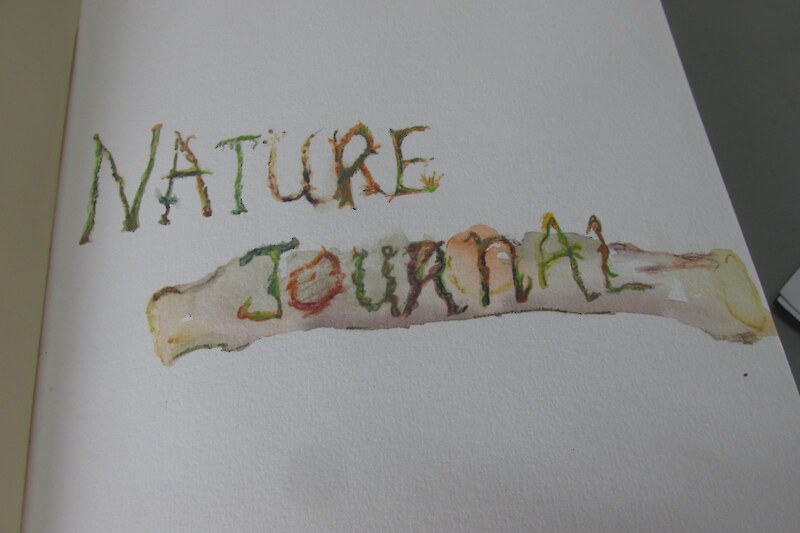
A weekend at the Southland Community Nursery with two of New Zealand’s best botanical artists, sharing their knowledge and their skills – wow – what a privilege to attend.
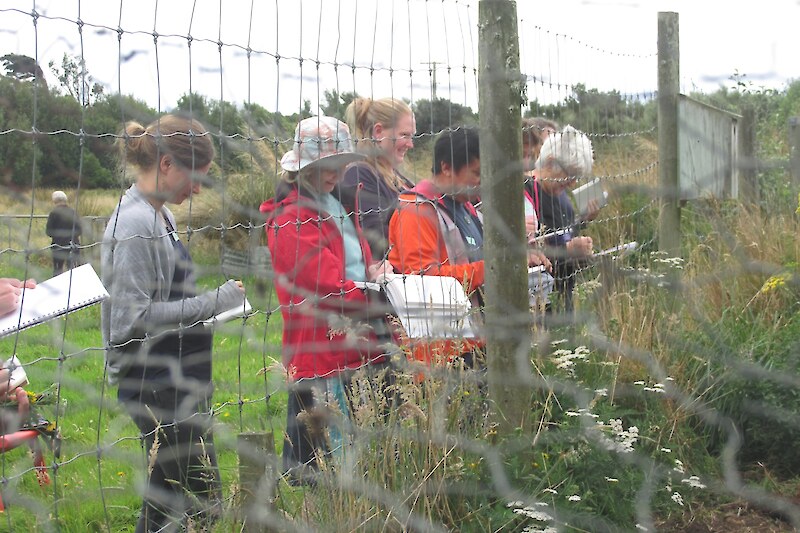
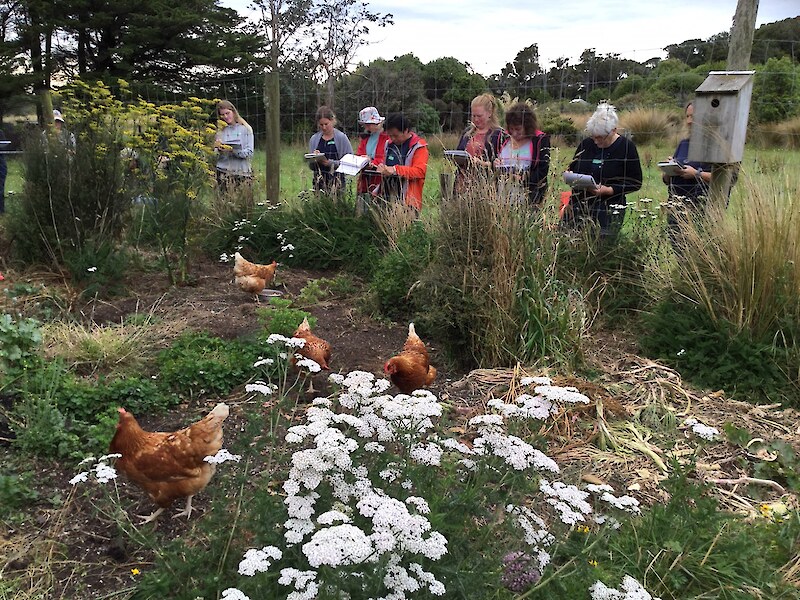
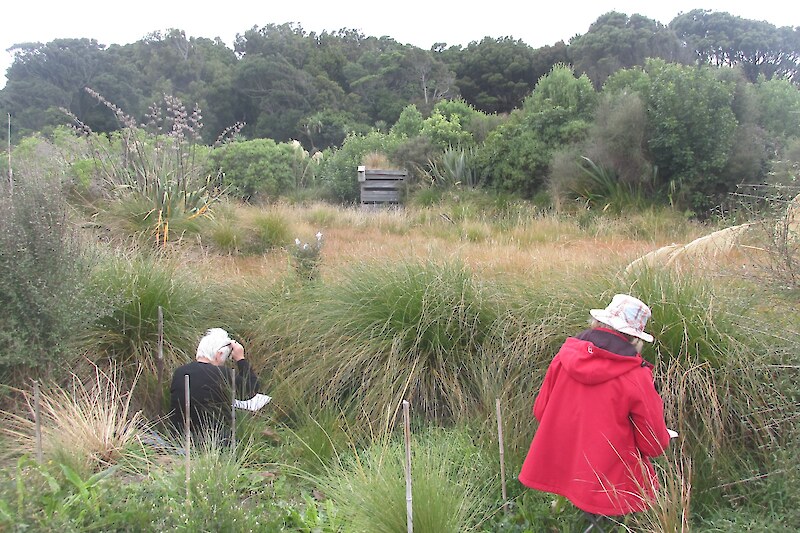
We watched, we listened, we learned, coached and inspired to create a visual record of our immediate environment in order to improve our understanding of the place we live in.
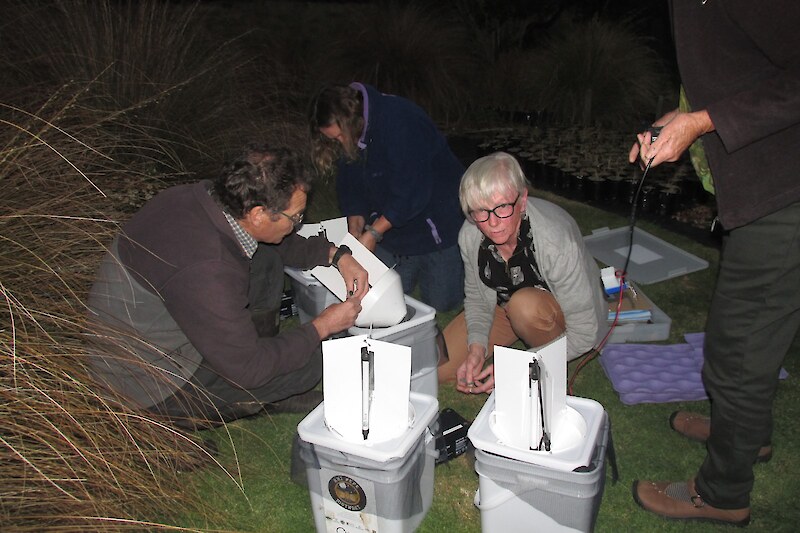
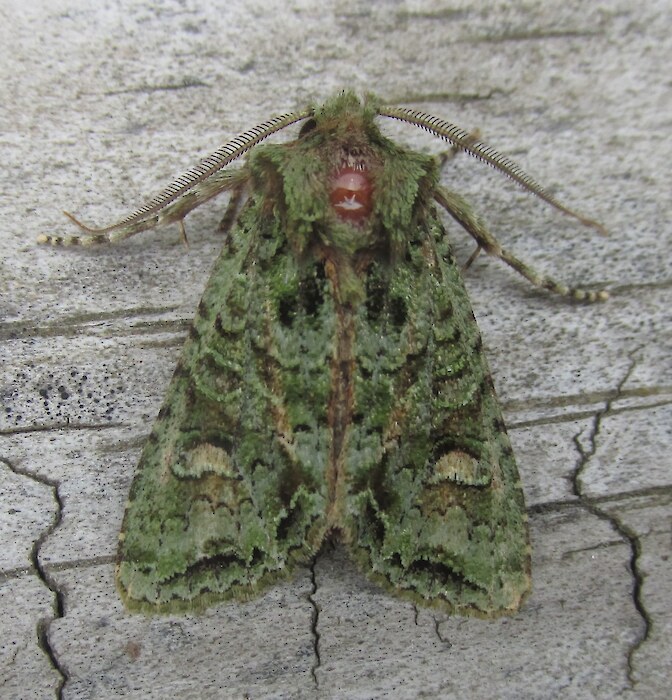
Being held at the Rances property in Otatara allowed the 12 students from Southland to closely observe and record their own perspectives of protected ancient forest, wetland, a large native restoration/ revegetation project and a diverse domestic garden. All are within easy reach of the purpose-built Southland focussed Education Centre. Moth traps (set up overnight), taxidermy creatures, books, magnifying glasses, white-boards, wonderful paintings, great coffee – all are at your fingertips. Jo and Sandra’s willingness to share their own extensive resources and their inspiration and passion.
Teachers, conservationists, an architect, a student and those of us just keen to learn more about our world and what makes it so special – thank you Jo and Sandra, Chris and Brian for a wonderful weekend. Thanks to the ILT Foundation for subsidising the workshops held at the Southland Community Nursery.
Linda Jackson
Posted: 10 March 2020
Wednesday 4 March - Minibeast Scavenger Hunt
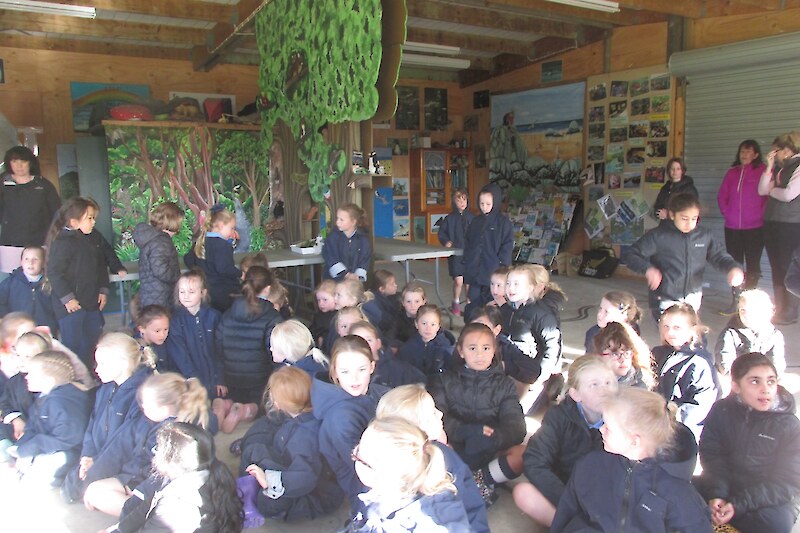
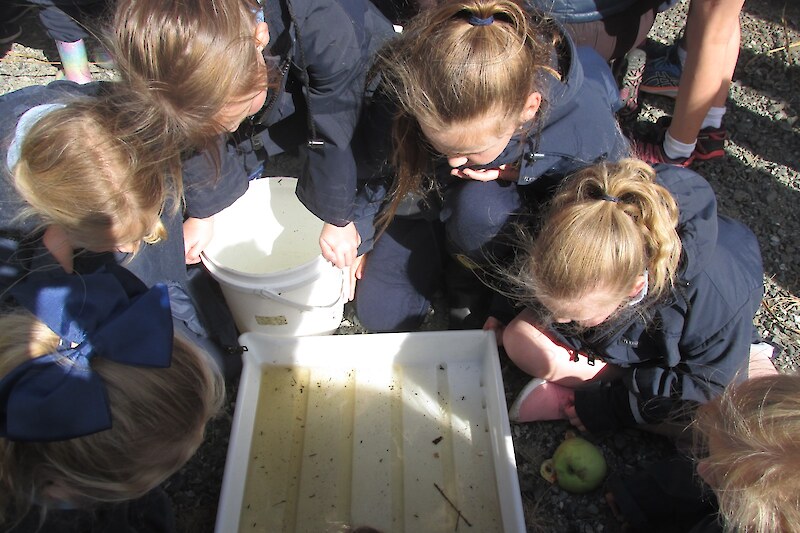
Around 50 St John’s junior students looked under rocks, shook trees, searched into half eaten apples, spotted in trees, looked in the worm farm and emptied the nets from the pond to find all the different kinds of environments that mini beasts live in. And they found that they live everywhere! In all kinds of habitats and environments - the kahikatea swamp forest, the restored forest areas, the pond, in and around the vege gardens and fruit trees in the orchard, and in the worm farm (and there were not only worms here but slaters and ants too!). The numbers of legs were counted, noting that insects have 6 legs, while slaters have more than 6 legs. The discarded exoskeletons were found and studied, with wondering about what they might see when looked at even more closely back at school under the microscope. We looked at damselflies and dragonflies and found the water living larvae forms of both these insects - how amazing. Blood worms, water mites and boatmen were all found in the pond. A long nosed weevil, a black ladybug with two red spots, moths, a shield bug and spiders were all found.
Bronwyn
Posted: 8 March 2020