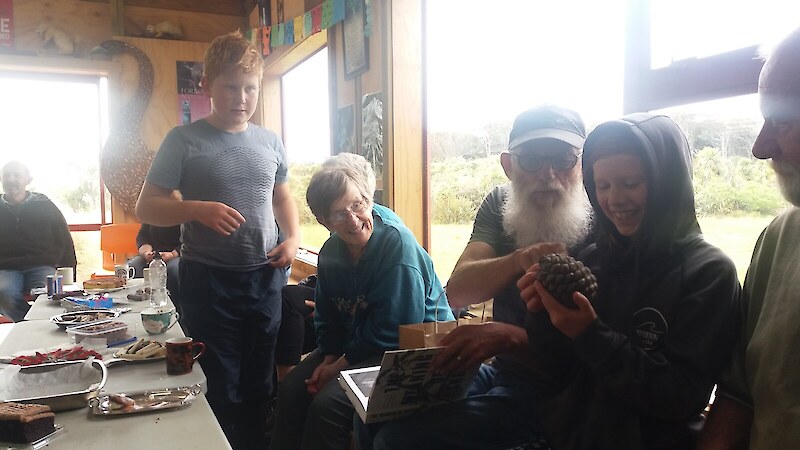
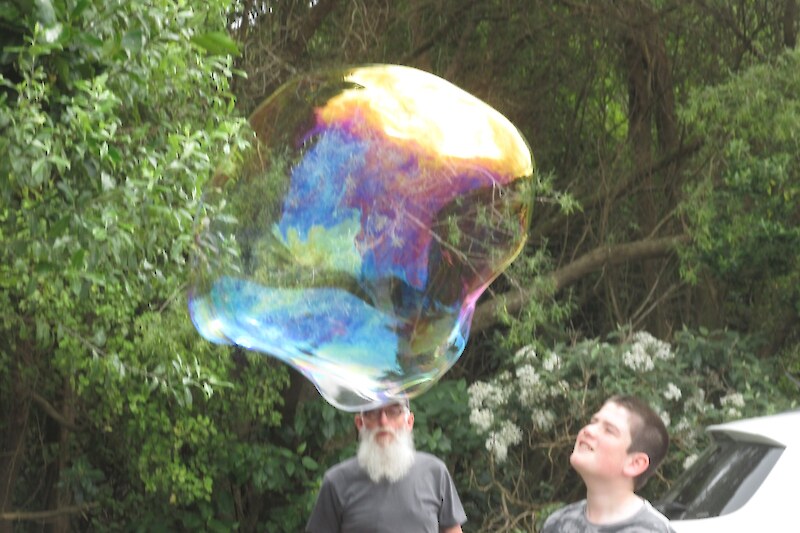
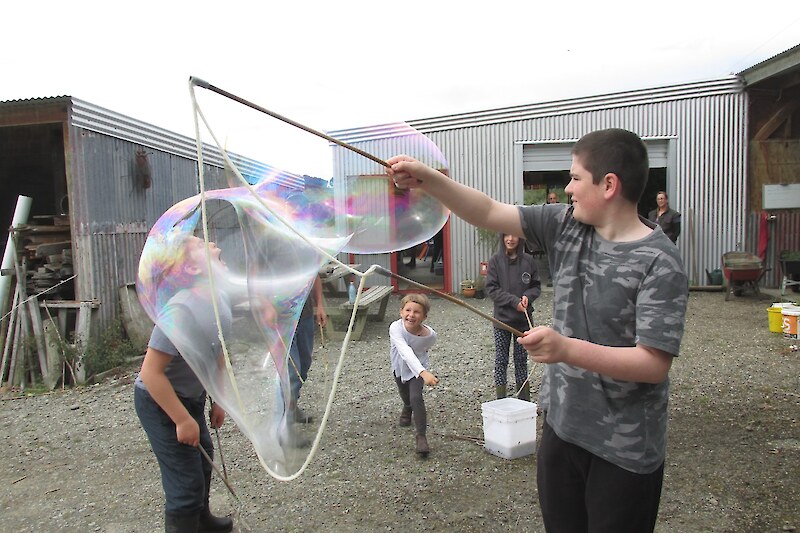
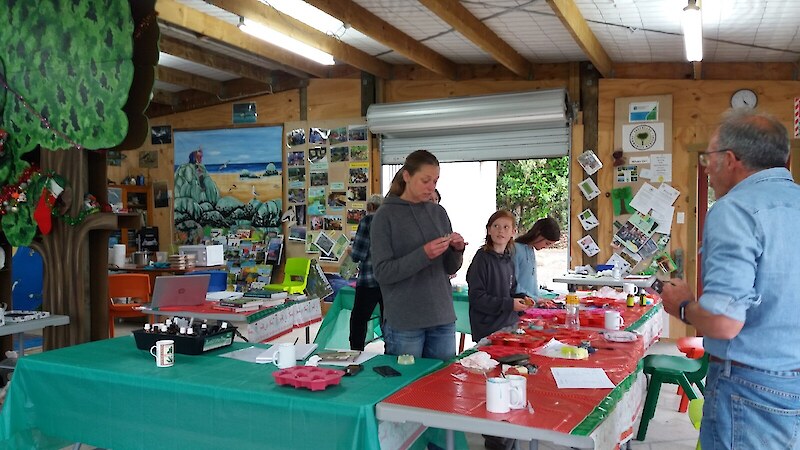
Our final nursery morning for 2020 was on December the 18th. We didn’t do much (any) work and enjoyed the relaxed atmosphere of a summer day in the nursery, the orchard, gardens and around the pond. Morning tea and Christmas decorations and bubbles were the order for the day as we all celebrated Christmas early and looked forward to a restful and relaxing time. It’s a good time to remember that we are the best place in the world to live and to enjoy every moment.
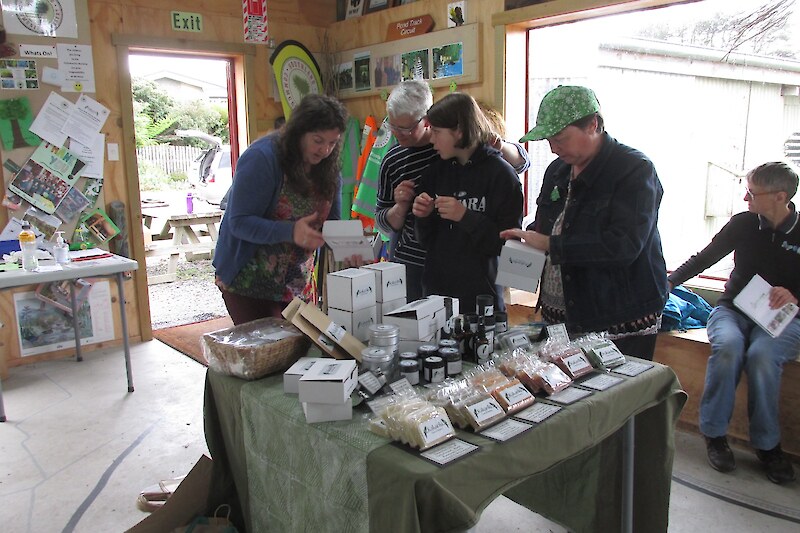
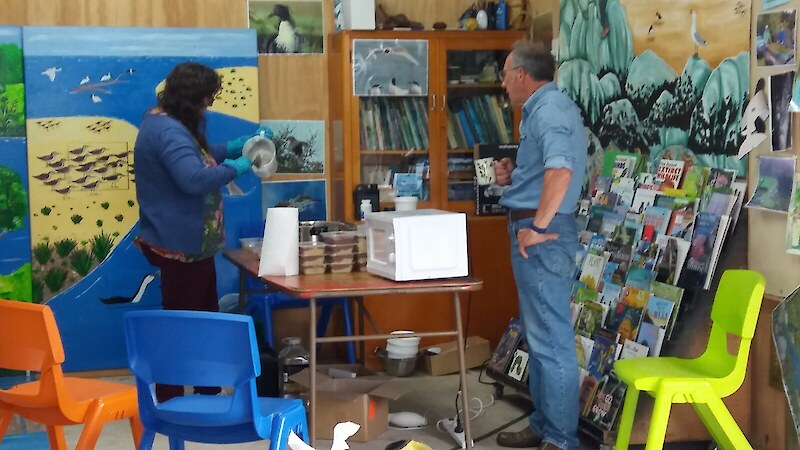
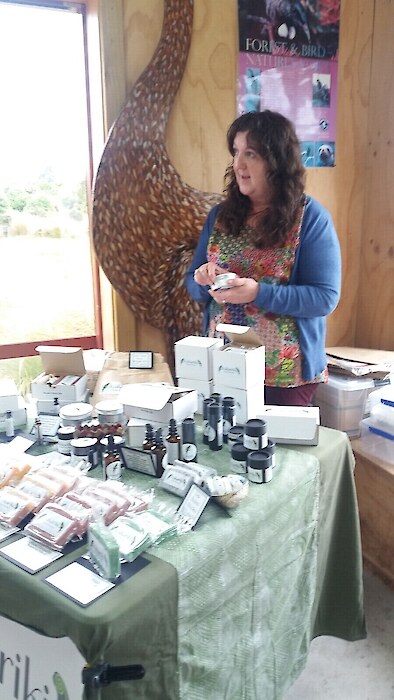
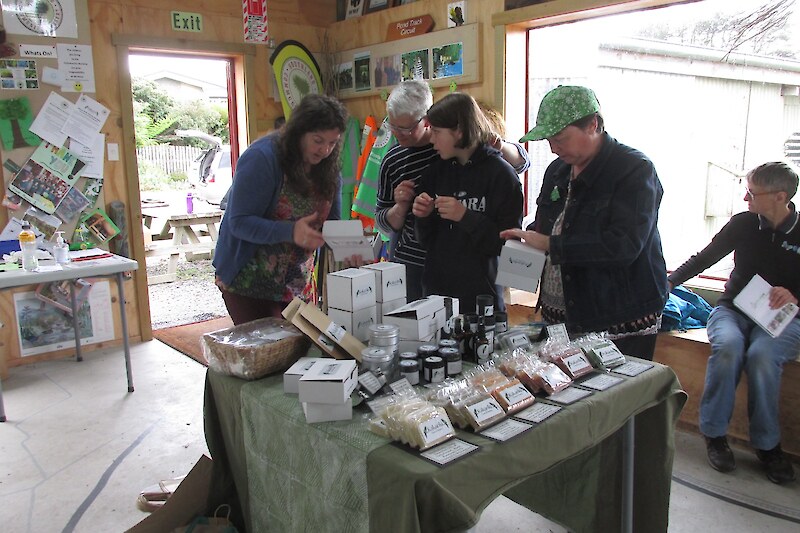
On the same day in the afternoon we held our last workshop of 2020 with Honorlea bringing her Natural body products to the Nursery for a soap making workshop. Everyone enjoyed the process of making their own soaps, Honorlea’s knowledge and skills and her ethics in making as much as possible from naturally sourced ingredients and her passion for creating wonderful things without impacting on the earth. Her range of ethical packaging added to the story of her “Kakariki Natural Beauty” products. Everyone enjoyed the scents that filled the nature centre and were thrilled with their own made soaps to take away.
We hope to do more workshops next year and if you have particular ideas for new workshops as well as those we already run, please email me with ideas.
Chris
Posted: 6 January 2021
School visits have finished for 2020 and I would like to acknowledge the wonderful job Bronwyn has done as Educator this year. Its been a challenging year and Bronwyn has adapted our programmes by doing outreach to schools, taking smaller leadership groups, then large school groups, developing programmes and lesson plans and building lots of new relationships with City and rural schools and other organisations. Bronwyn makes our place the thriving and exciting place it is for everyone to be part of, thanks for the massive effort this year.
18 December 2020 – Morning – Christmas Break-up at the Nursery – Bring yourselves, your family, your children, some kai and help us celebrate the end of this year! See the new paddock design (thanks Barry!), fly a kite, catch up with friends, buy your sustainable Christmas presents – some native plants, some natural body products from Kakariki Natural Beauty – bring cash! If you haven’t been for a while do come and catch up with friends old and new. There will be a swaps table so bring along spare seedlings and produce from your garden to swap or coins for a koha.
18 December 2020 – Afternoon – Soap Making Workshop with Honorlea – limited numbers, bookings essential - $60 (which includes the soaps you make to take away). It’s a lovely way to end the year so indulge yourselves!! But be sure to book with Chris – [Enable JavaScript to view protected content]. Full details of workshop.
If we don’t see you before, have a restful Christmas and catch up n 2021
Chris
Posted: 10 December 2020
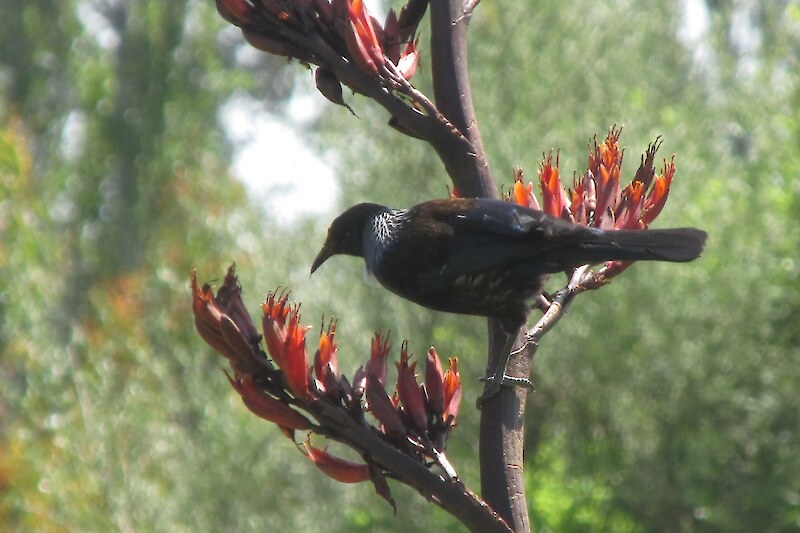
An 11 year old wrote to us from Salford School in Invercargill on behalf of their inquiry group. Their group was thinking of an idea of how to attract more native birds into their school and had come up with planting phormium tenax flax into the corner of their school to attract tuis. They had great questions about growing and planting flax. After answering their questions and highlighting our www section on planting to attract birds - see https://www.southlandcommunitynursery.org.nz/restoring-your-patch/planning-your-project/attracting-birds/ the small group visited us at the Southland Community Nursery to see first hand native plants and birds. The group learnt that flax is just one species that attracts birds - you can also plant fuchsia and kowhai for example. We started to learn about the links between plants and birds, what flax seed looks like, and the seasonal calendar of plants and what happens in nature. This group was inspired by their visit, and returned to school with a kowhai tree to plant alongside their flax.
We also have a “School Nature Challenge: Creating a School Garden Area - Map Your Place” activity - see https://www.southlandcommunitynursery.org.nz/education-centre/activities/school-activities/) that would help you plan an area to attract birds. You could do this at your school too!
Bronwyn
Posted: 8 December 2020
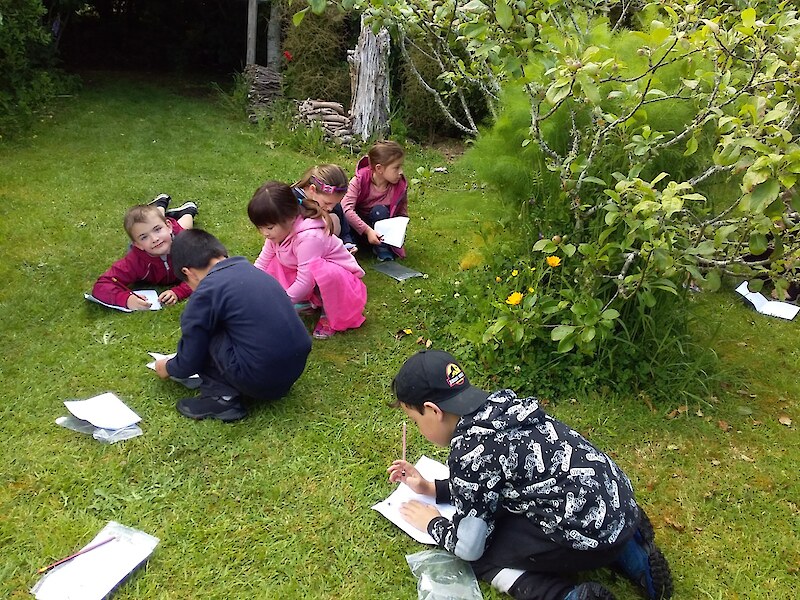
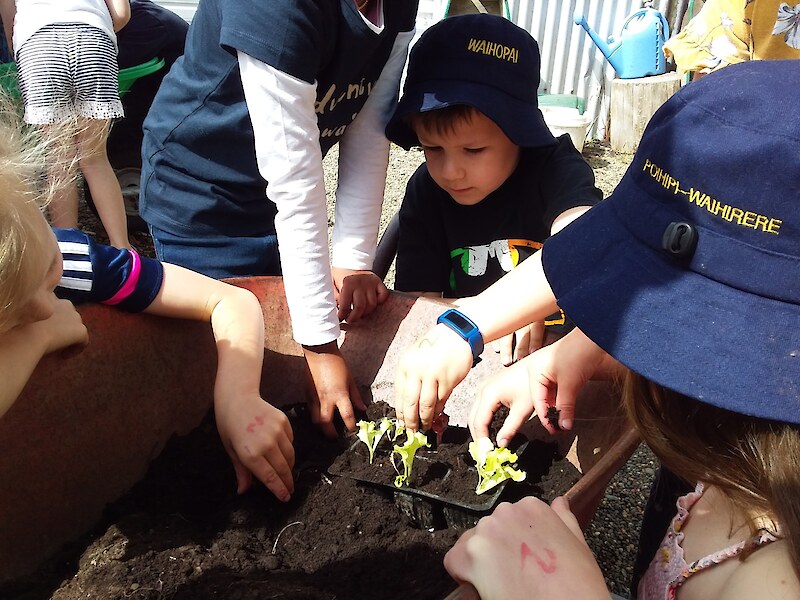
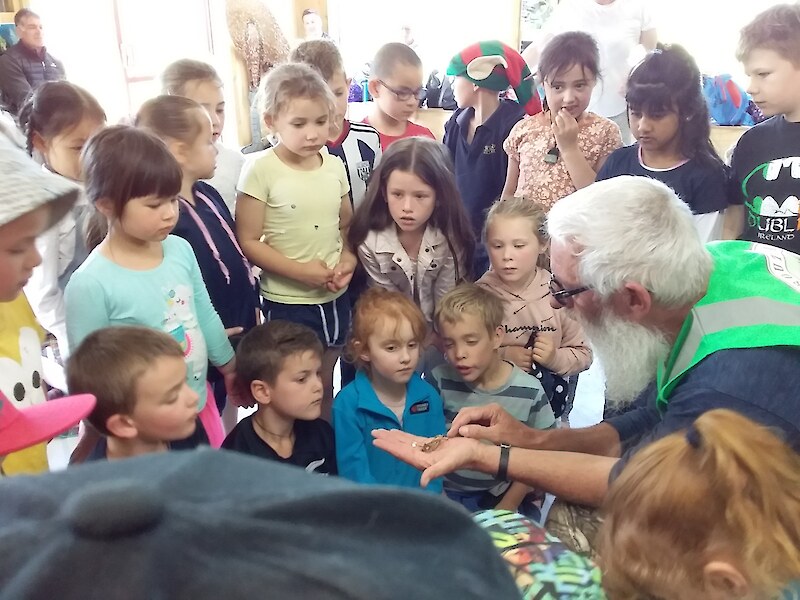
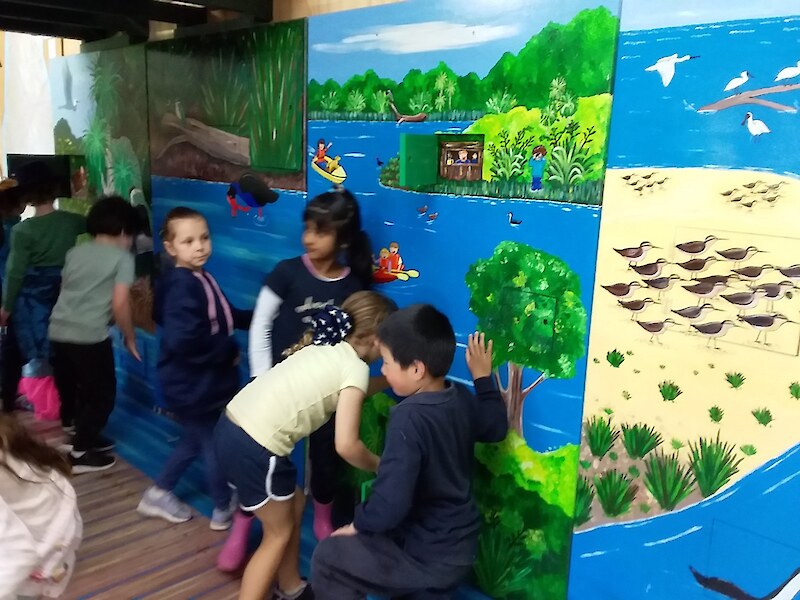
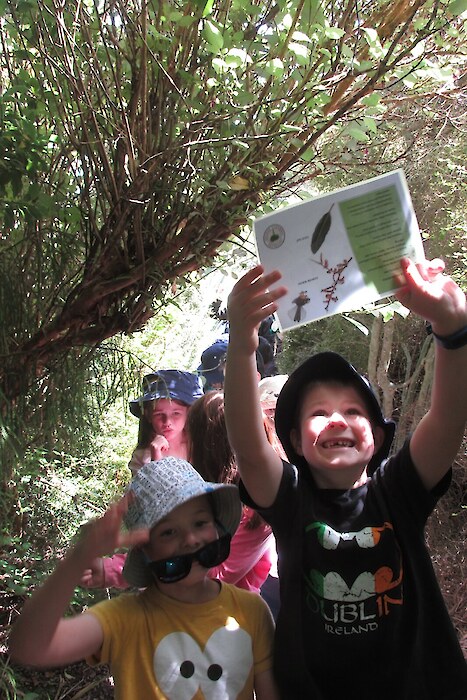
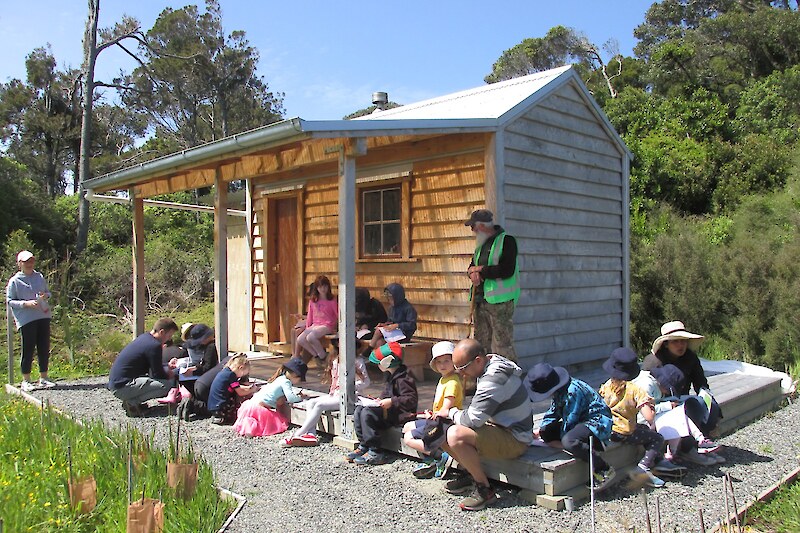
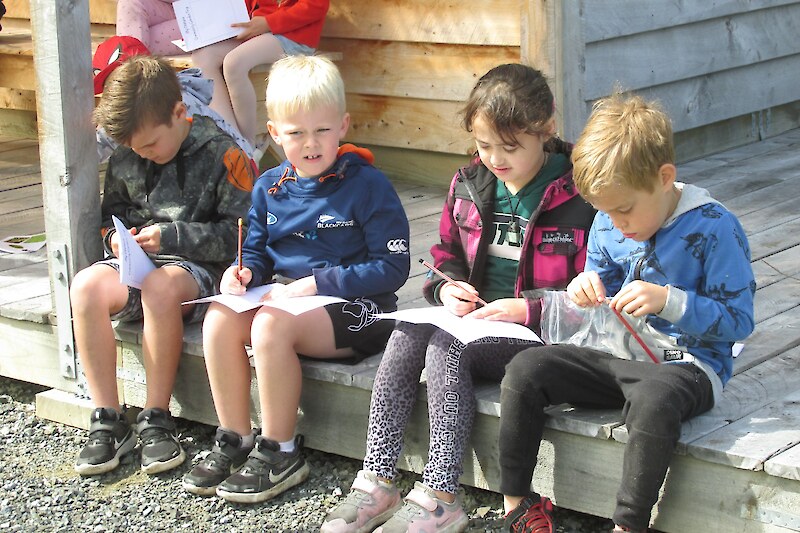
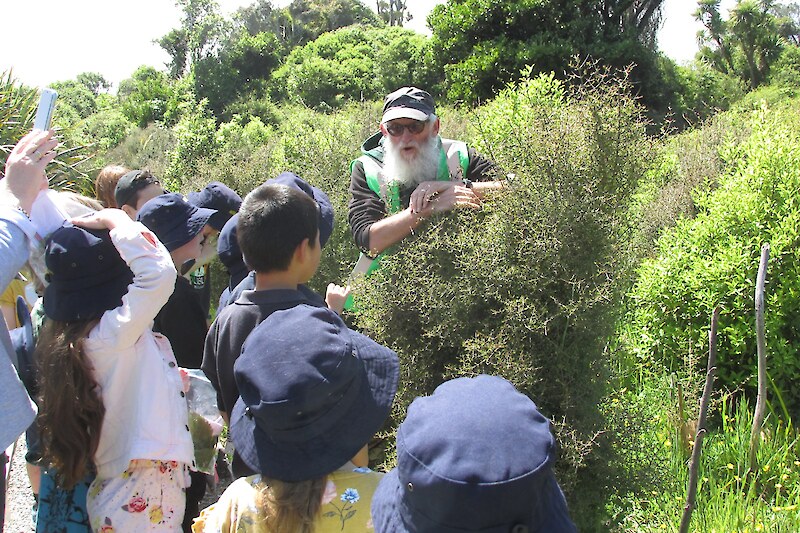
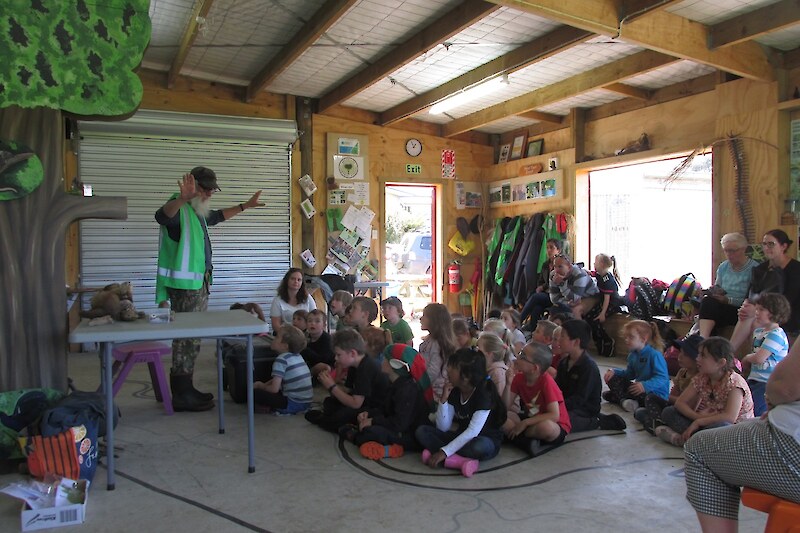
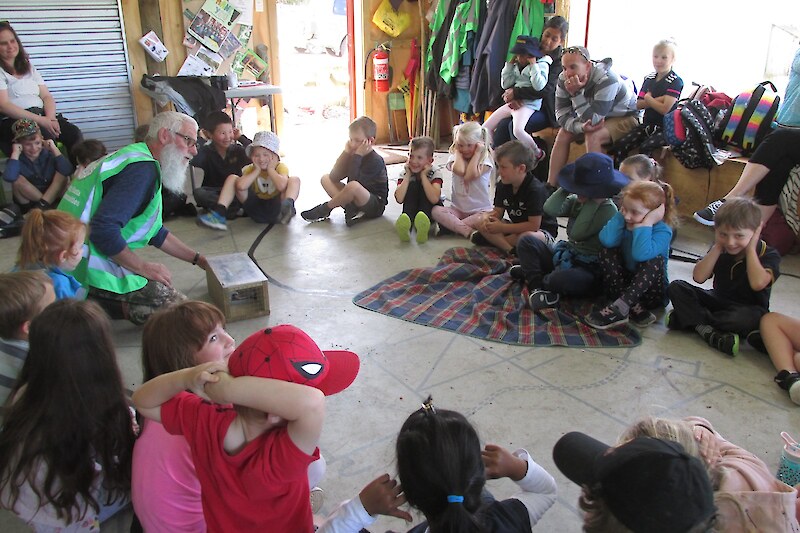
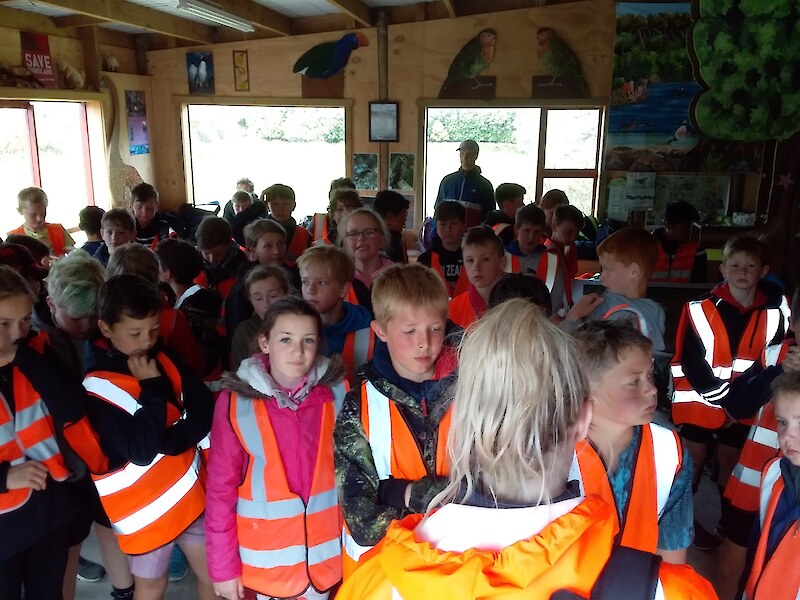
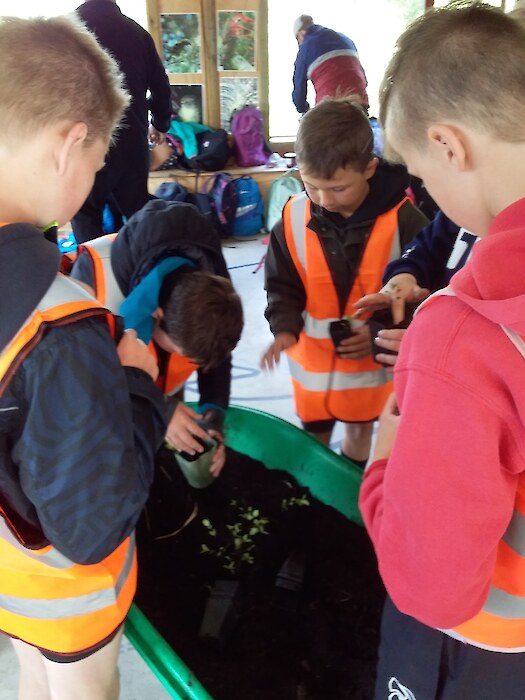
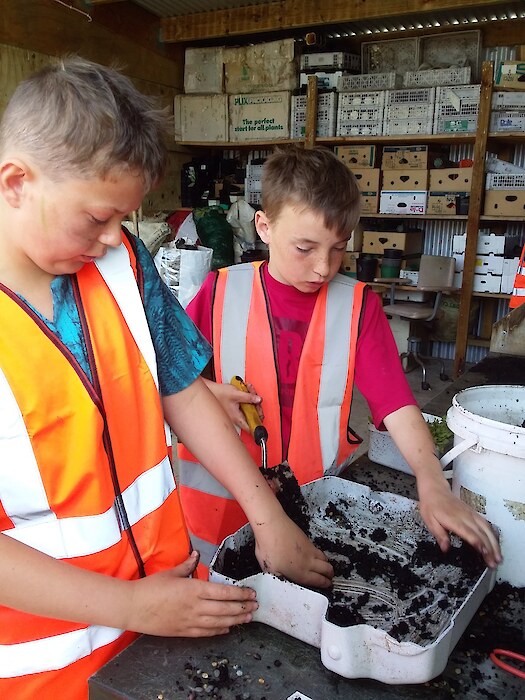
Plants that change their leaves, plants that grow flowers to attract pollinators and plants that smell nice were all experienced on a day long visit to the nursery. Plants that are edible, and our special NZ native plants were explored using our senses to learn all about how they grow. Different vege plants were spotted in the vegetable garden, lettuce seedlings were potted up and in the apple orchard the baby apples were spotted. We learnt about pollination by insects (such as bees, flies, moths and butterflies) and birds. Leaves were observed closely as the forest was discovered, and bugs from the pond were looked at. Meeting the pests, seeing what traps are around the property, and learning what damage pests can do in our forests and school back yards finished off an amazing day.
Bronwyn and Chris
Posted: 2 December 2020
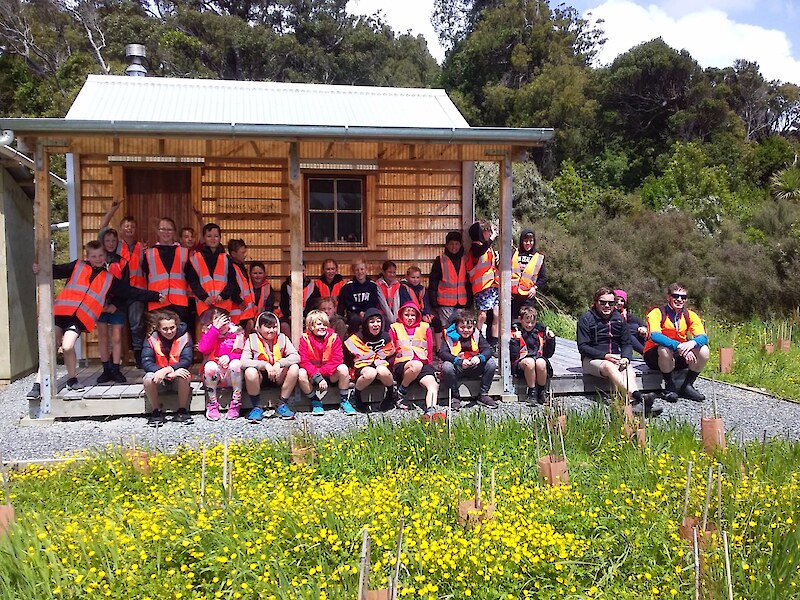
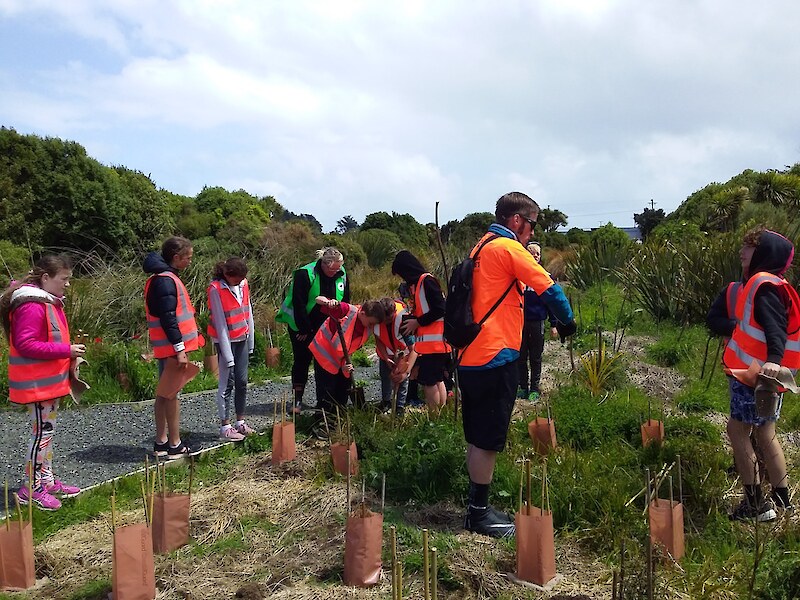
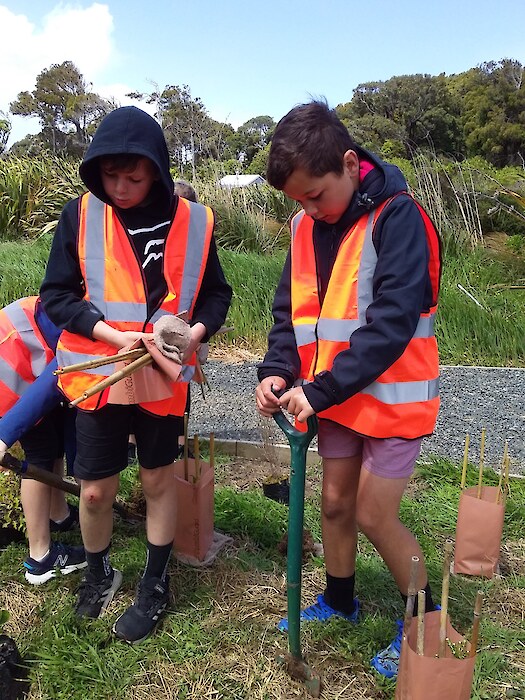
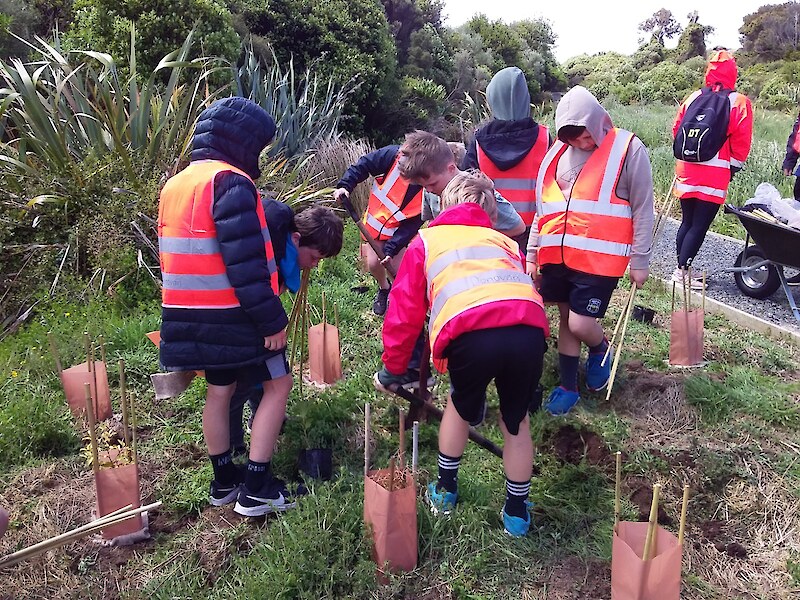
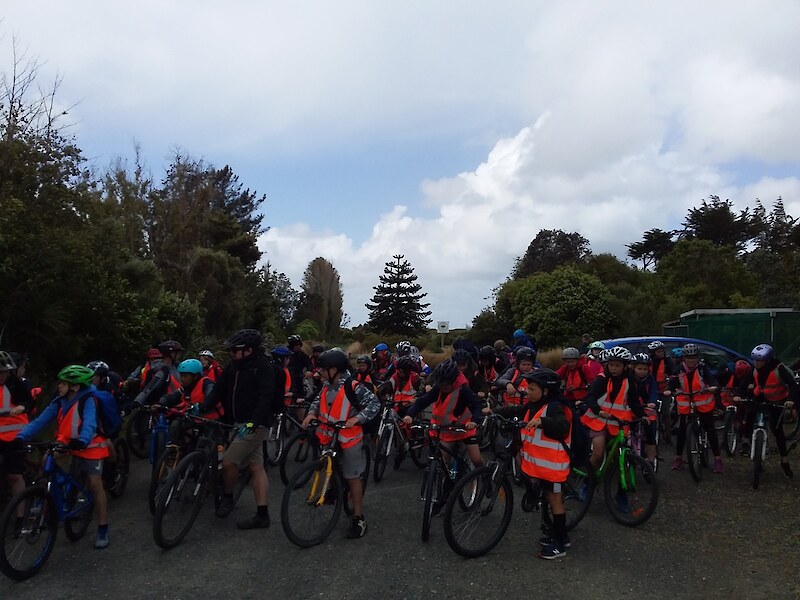
The weather hardy group biked to the community nursery meaning that our ‘car park’ was full of bikes on Friday from Donovan School. As part of their year5/6 camp they visited the Southland Community Nursery for some conservation action. Big thanks for your mahi potting up NZ native seedlings and planting out in the restoration area - the start of some new forest.
Bronwyn
Posted: 30 November 2020