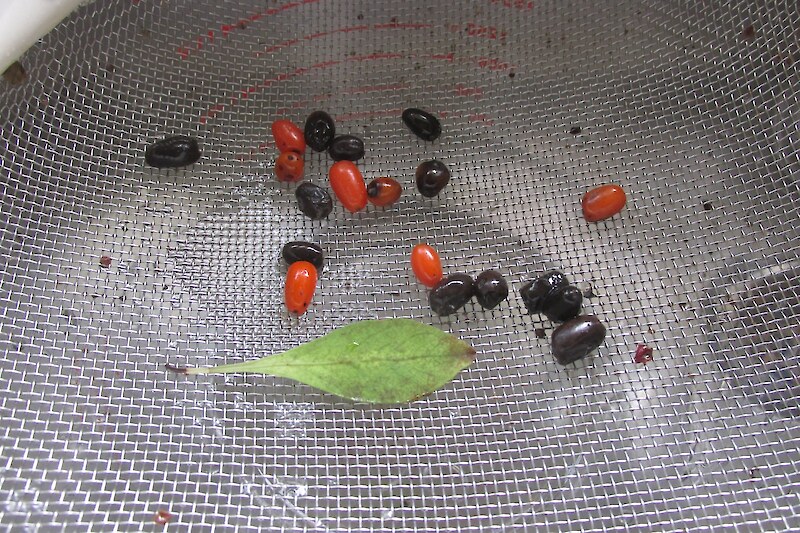
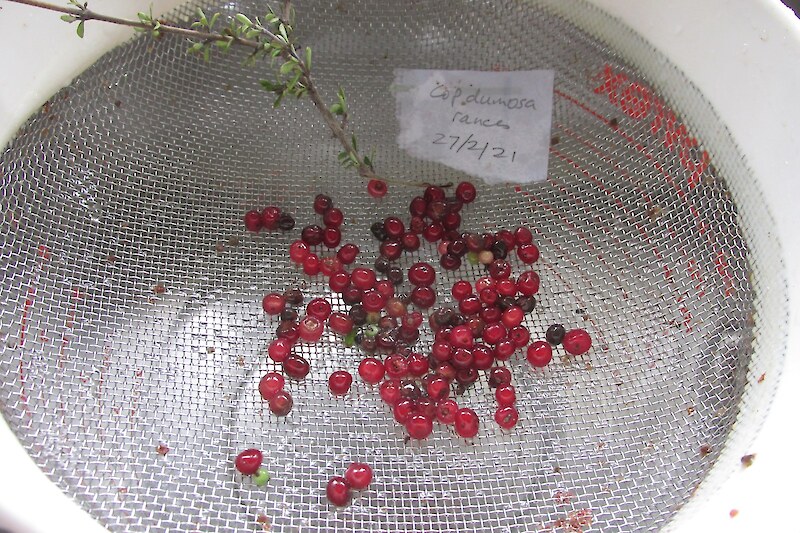
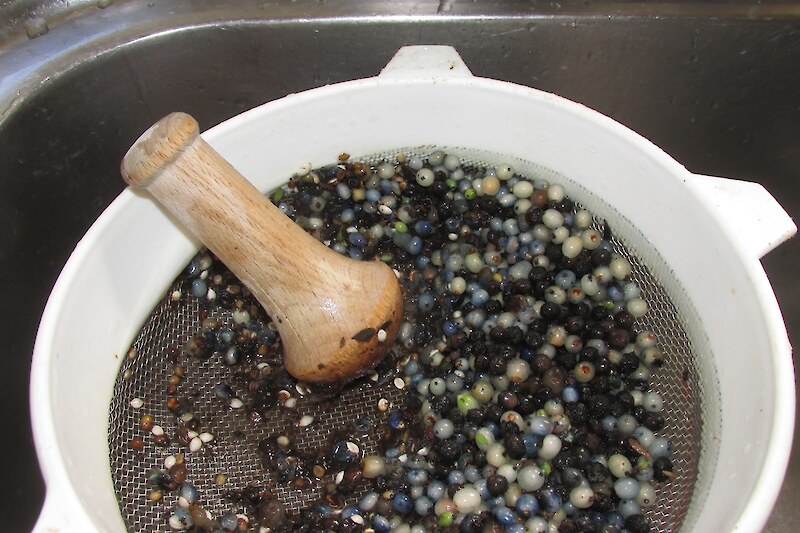
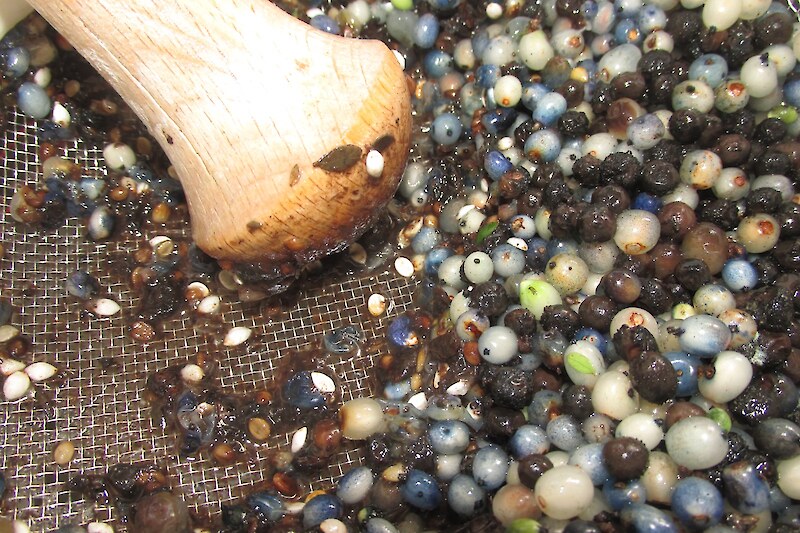
By now you will be halfway through your seed collecting – see the table link below for rough guides to when particular seeds are ready to collect in Southland. As a rule of thumb the grasses are first (eg toe toe and red tussock), then the fleshy fruited seeds (Coprosma, wineberry) and lastly the seeds contained in capsules (eg Hebe, Pittosporum, manuka).
https://www.southlandcommunitynursery.org.nz/restoring-your-patch/get-growing/seeds/
Some seeds hang on for longer meaning there is not so much urgency in collecting but grassy seeds dispersed by winds can be gone quickly as can seeds contained in fruit – once birds get on to this source of food they can be gone in days, so be vigilent! Not all plants flower well each year and the big trees often have years off from seeding as seed production is an energy expensive action for plants, so often you wont find many seeds and other years will be bumper seed years.
Make sure you label the seeds collected at the collection stage as finding a rotten mass of old seeds at the bottom of your bag some time later and not knowing what they are isn’t much use (Note to self!).
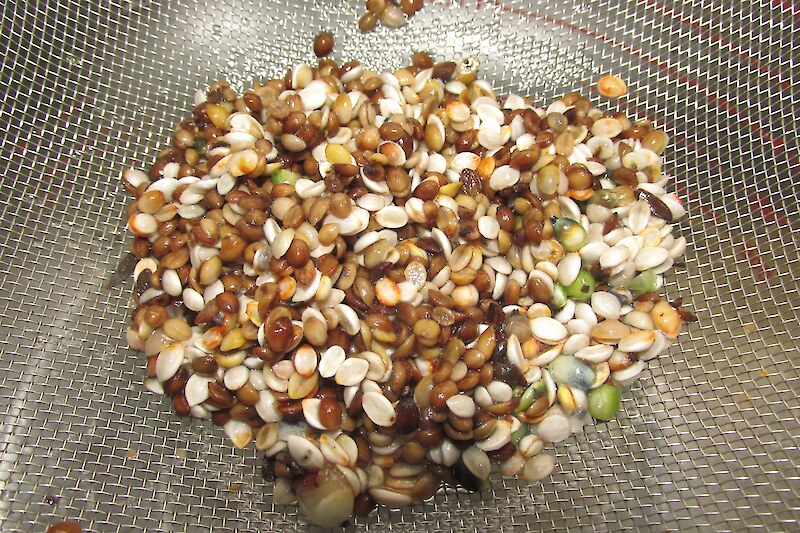
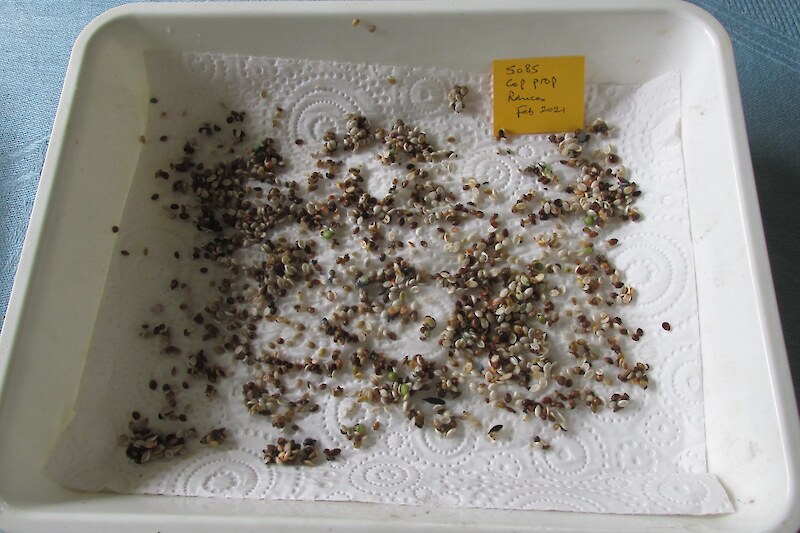
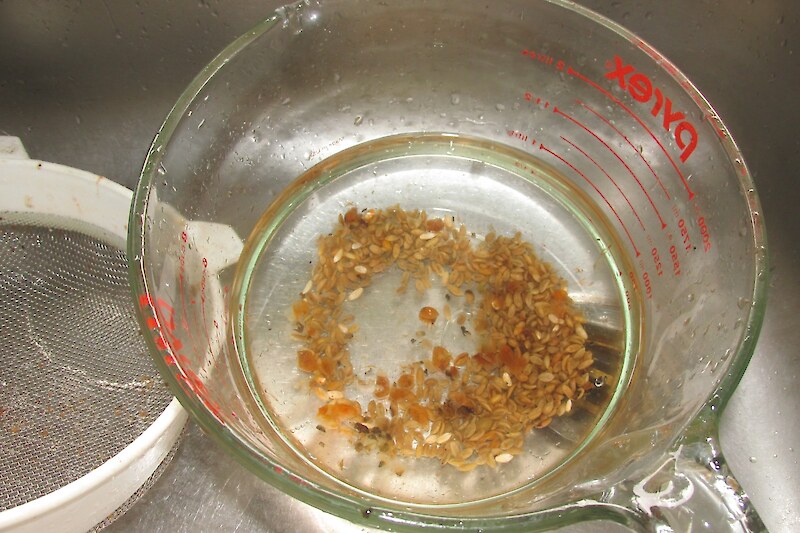
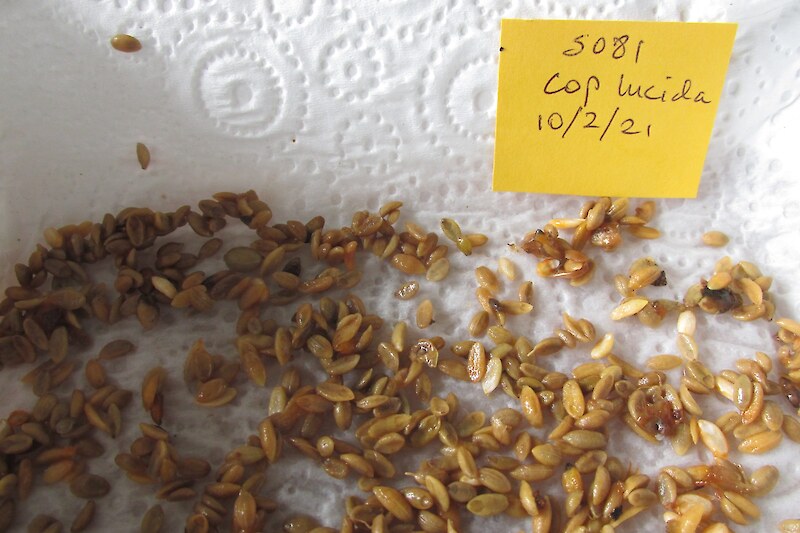
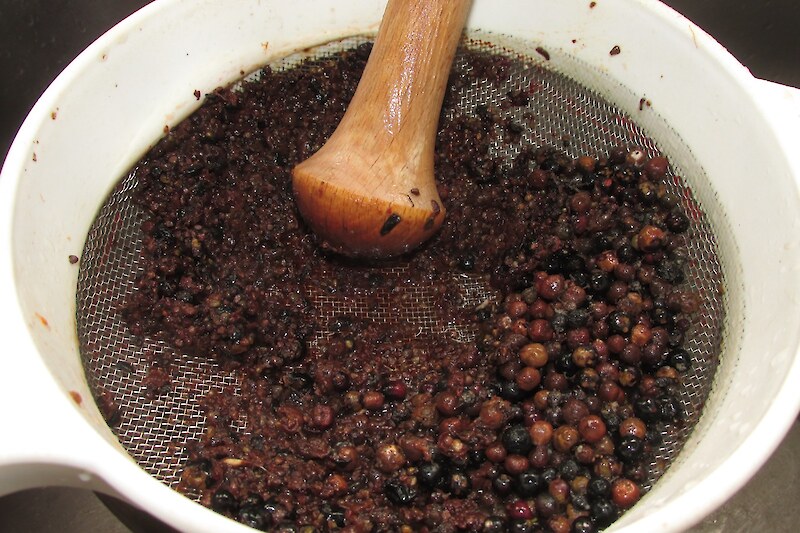
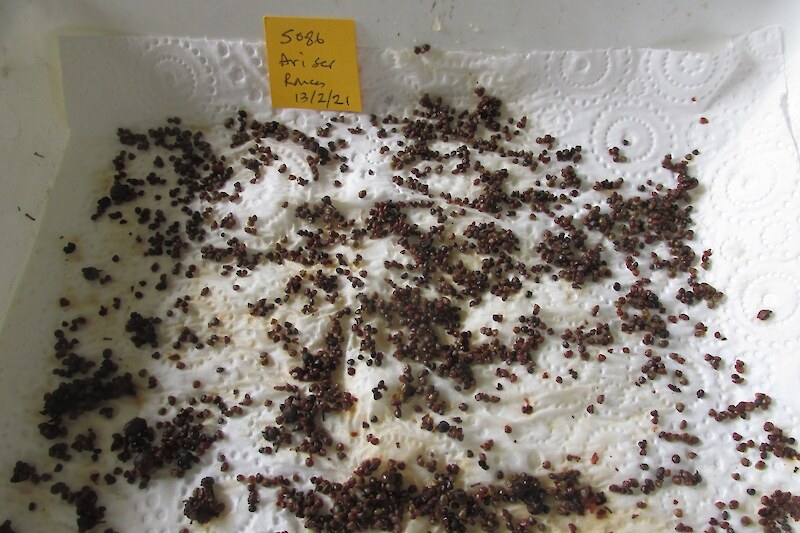
Once collected (thorougly dry) pick out the chaff and store dry seeds in paper bags waiting for sowing later. For fruit covered seeds collect in plastic bags, label and later extract seeds from the fruit by pushing through a sieve, pouring water over and pouring off the fruity coat (the seeds should sink to the bottom). The seeds can then be shaken onto kitchen paper to dry and then bag to store or sow. This can be a time consuming process. See a few photos below of the process with Coprosma and wineberry seeds.
We tend to prepare all seeds collected over a few months then have a big sowing day where all the trays of mix and labels are prepared together and all seeds sown at one time, but you can do it piecemeal if you have the room and facilities to put them out in the Nursery. So around May you will need lots of space to put your seed trays and we have frames covered in shadecloth to keep seed trays safe (from cats and mice) over winter where they will sit until the end of September when seedlings start to germinate. It’s a combination of temperature and day length that are the natural triggers for seed germination. You can force germination (as commercial nurseries do), but then you need facilities to keep seedlings out of the frost over winter so we prefer to stick to natures schedule and it works for us! If the seed trays are outside but under shadecloth they will get watered whenever it rains. If you put seed trays in a tunnelhouse you will need to make sure they never dry out and thats a lot of effort and automated systems have to be watched closely. The seeds get stratified (cold treatment) naturally in Southland – there is no need to replicate winter by putting seeds in the fridge – they get a “real winter”. The germination seems to be like clockwork every year and most seeds germinate in September. However the seeds of the big trees like miro can take up to two years to germinate so hold onto those seeds trays for that amount of time.
Then, in spring its all on – everything needs to be done at the same time – pricking out, potting on, weeding etc so it’s the busiest time in the nursery but also the most enjoyable.
Have fun with your seed collecting – it’s a restful, quiet experience being close to nature. We will be doing seed collecting on Nursery Fridays to May if the weathers good for it.
Chris
Posted: 16 March 2021
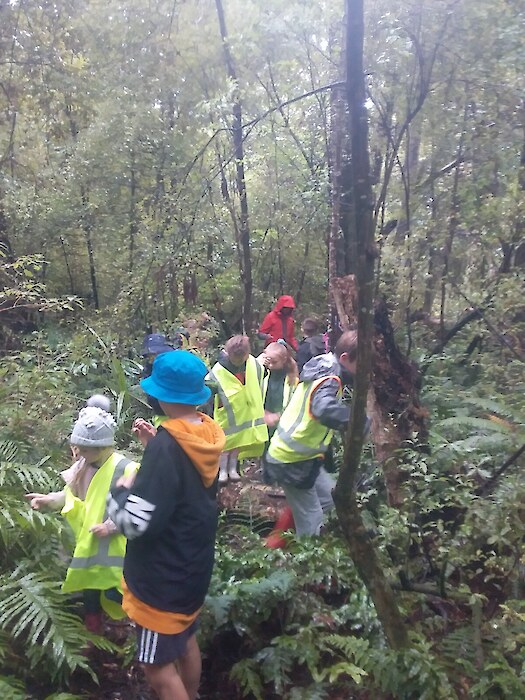
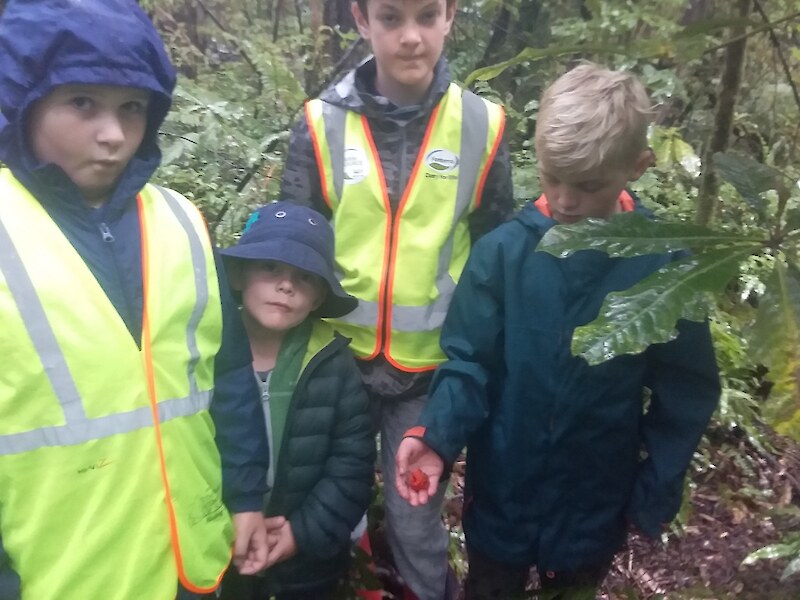
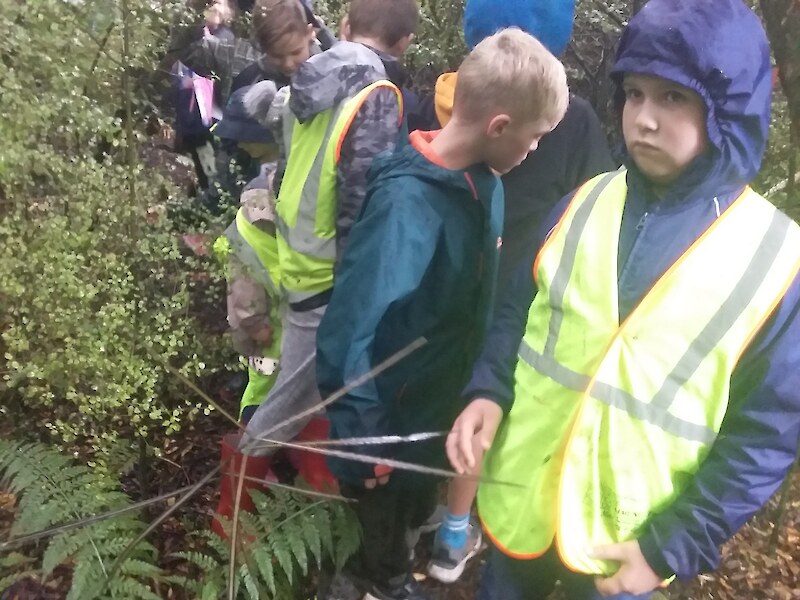
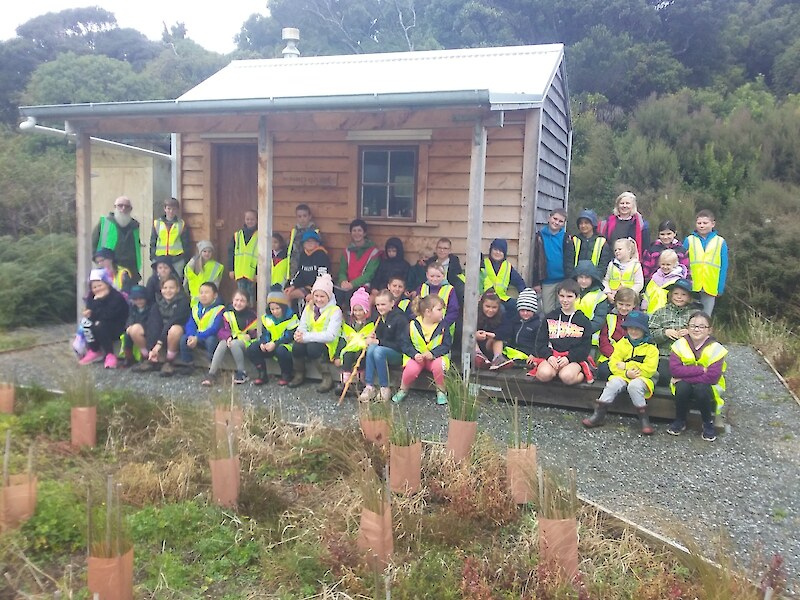
Pōkākā (Year 5/6) and Miro (NE/Year 1) classes from Otatara School visited for the day with a focus of noticing the seasonal happenings and what this means for plants and the bush. Deciduous trees and their falling leaves indicated that indeed it is autumn, and we learnt that many trees adapt to the cold by losing their leaves. This connected to their learning about lifecycles. Exploring the bush track taking notice of all that is happening in the ngahere at this time of year, the class trees were identified – looking at leaves, bark, adult and juvenile forms and learning to notice the smallest differences and changes. Putting on scientific thinking hats the students wondered, inquired and answered queries. The decomposition of the forest was noted, along with the dead possum, and the roles of bugs and insects discovered.
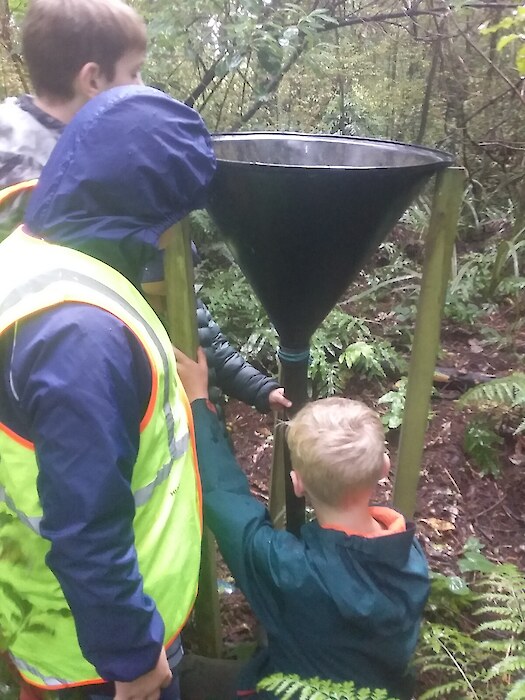
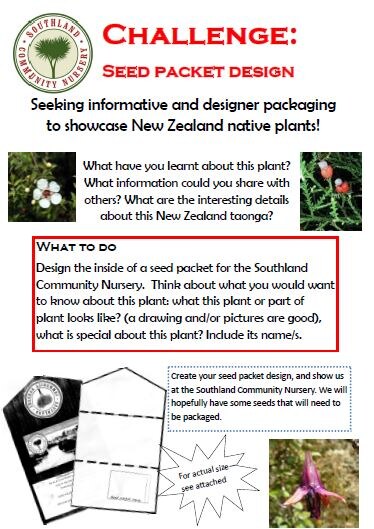
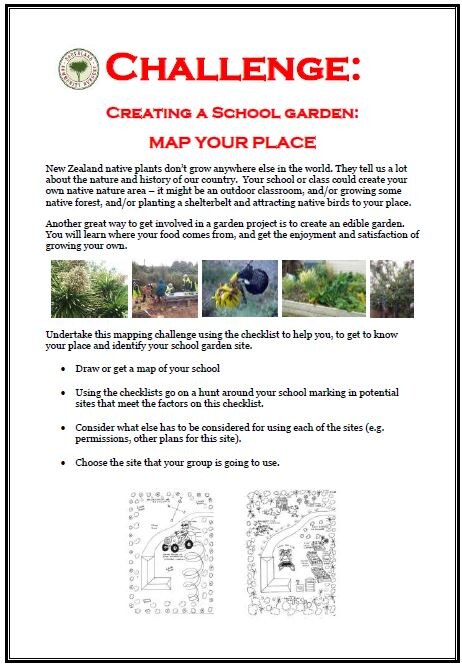
After lunch the tree identification knowledge was put into play, noting which species had seed ready to collect at this time of year. The different size, shape and type of seeds and the different ways these are dispersed around the environment were studied. It was discovered that Pōkākā and Miro seeds are quite big compared to other seeds, but that these plant species were not seeding at this time of year. The blue fruit of mingimingi contained two white seeds, the cabbage tree fruits were still green (but black seeds had still formed inside), kohuhu seeds were sticky and toetoe and red tussock seeds are dry and wind dispersed. For more information on knowing your seeds and when to collect your seeds see Seeds • Southland Community Nursery. The classes took their seeds back to class and are going to sow them and design seed packets, learning all about their tree species, see scn_seed_packet_challenge_-_seed_packet_design.pdf (southlandcommunitynursery.org.nz)
It was great to have these classes out connecting to and noticing the seasonal changes in nature.
Bronwyn
Posted: 11 March 2021
Following on from our involvement at the Health and PE Curriculum Days ran by Sport Southland, community connections continued with me having the privilege of showing some new Sport Southland staff around our pond and bush tracks introducing the Southland Community Nursery environment and what we offer schools and groups. With the Sport Southland team vision of “everyone active every day” it was great to walk, climb over and ‘duck’ in nature as we explored and noticed NZ native plants and birds. We also discovered aspects of edible gardening and how to tell the stories of our local place. A big thanks to Sport Southland for their continued support of what we do, getting out (and active) in nature!
Bronwyn
Posted: 10 March 2021
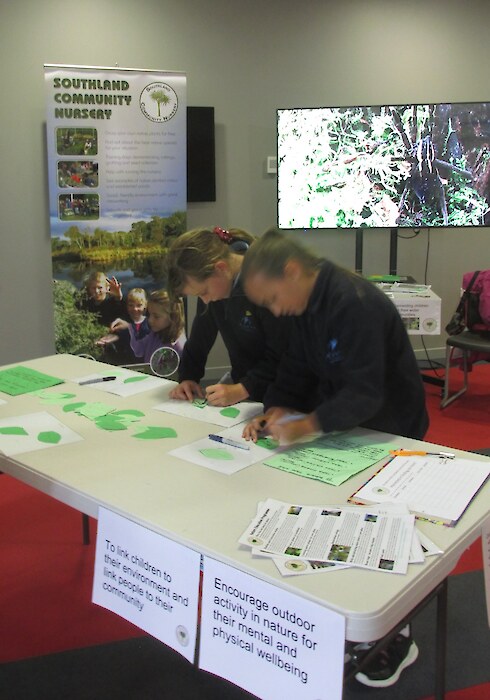
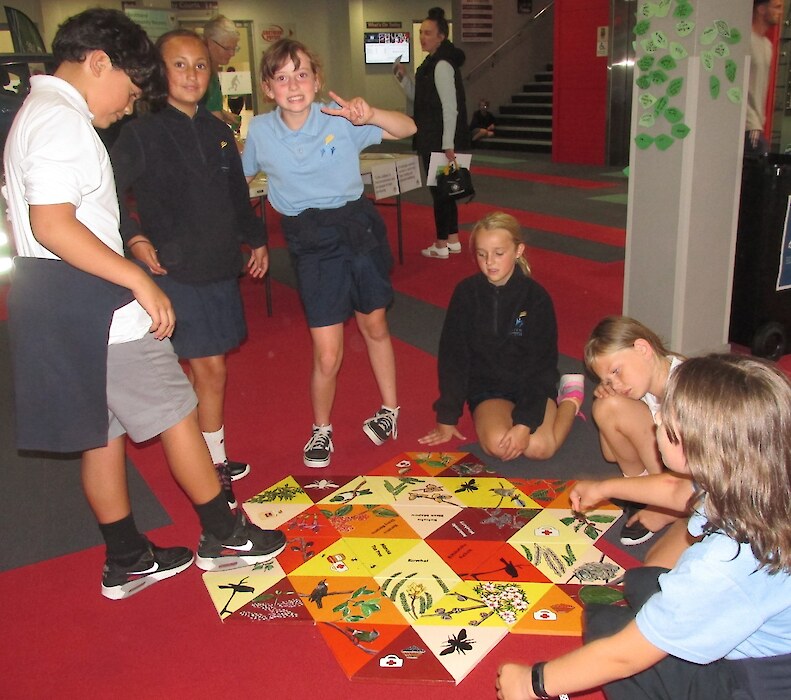
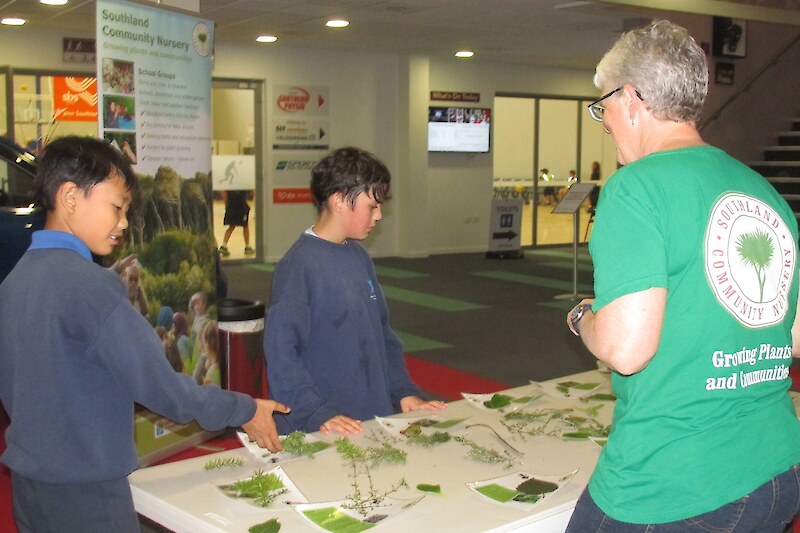
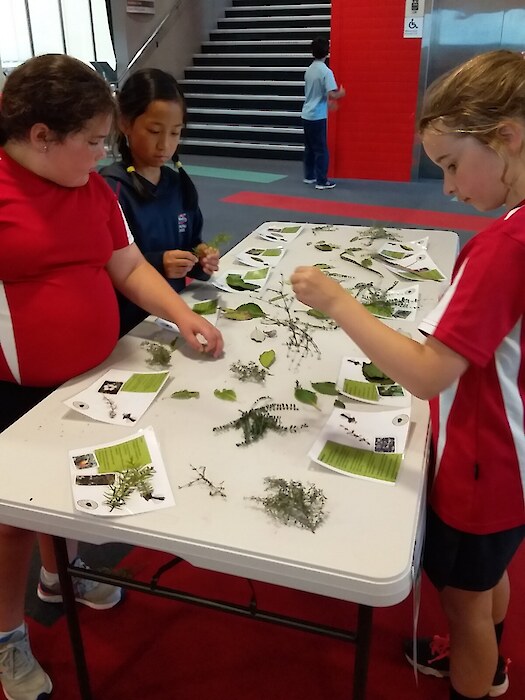
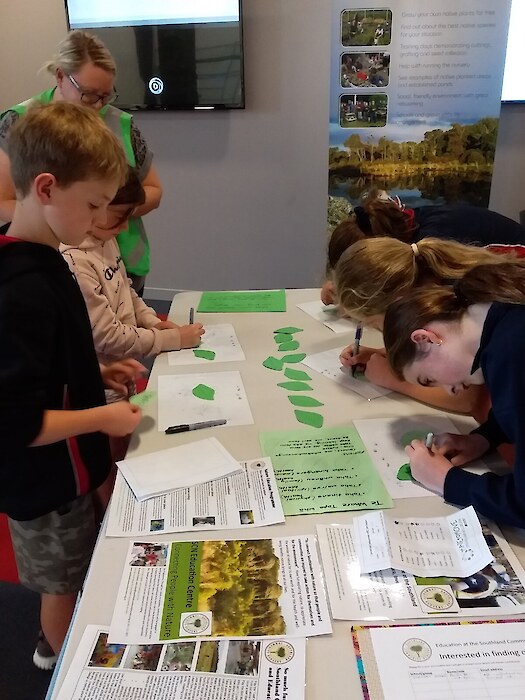
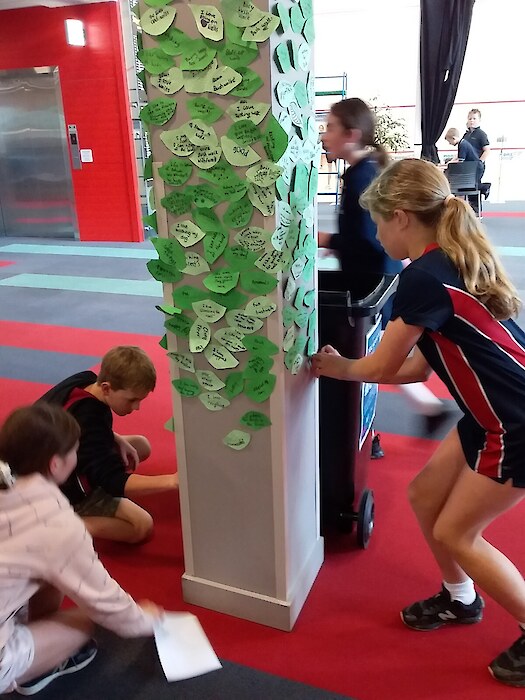
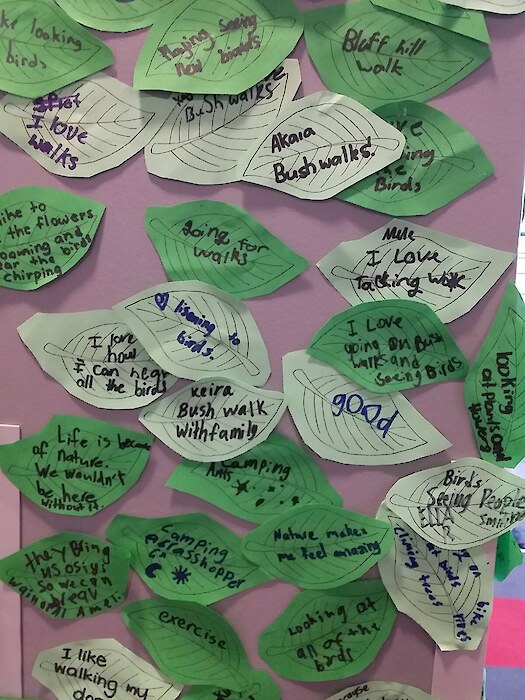
Being a part of the Health and Physical Education (HPE) Curriculum days run by Sport Southland at the ILT stadium gave us the opportunity to promote activity in nature for both our physical and mental well being. While we couldn’t take the forest to the stadium we had NZ native bird footage playing on the tv and tree leaves to match up and identify. We also got the students to grow a tree, writing on a leaf something they love to do in nature, or how nature makes them feel. About 270 leaves were added to our tree!!! Things the tamariki like to do out in nature included exploring the bush, walking, relaxing in the sun, watching and listening to birds, climbing trees, looking at and smelling flowers, spending family time, orienteering, running, biking, looking for odd shaped clouds, breathing, playing in the wild and bug hunting. How nature makes them feel included happy, calm, special, free, amazing, peaceful, energetic, feeling alive and refreshed. One leaf read “nature is freedom…an escape from the hustle of life”. Naure certainly is good for our physical and mental well being. It was great to make connections with some of the 1200 students and teachers from about 30 Southland schools.
Bronwyn
Posted: 4 March 2021
Seed Collecting, Navigation and Pest Trapping were the three most recent workshops held in the Education Centre in February 2021.
On 3 February Chris ran a seed collecting wananga for Hokonui Runanga. February is at the start of the seed collecting season and the group learned about plant identification, right plants for the right place and then had time in the field identifying different plants and collecting seeds that were ready. These field skills are essential when going out into nature to collect and start the process of growing local plants appropriate for the Hokonui area.
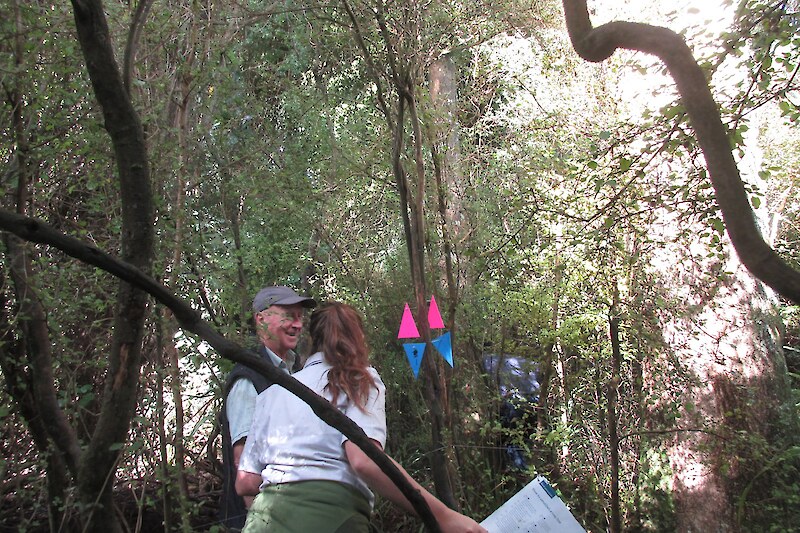
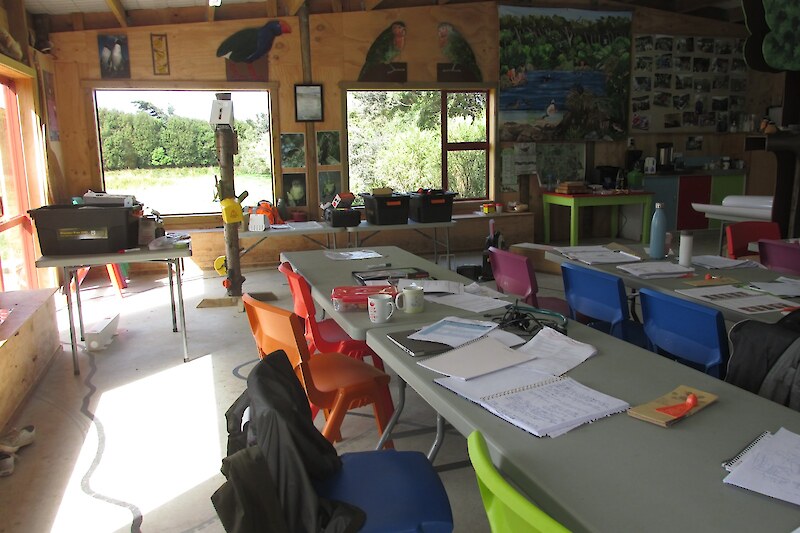
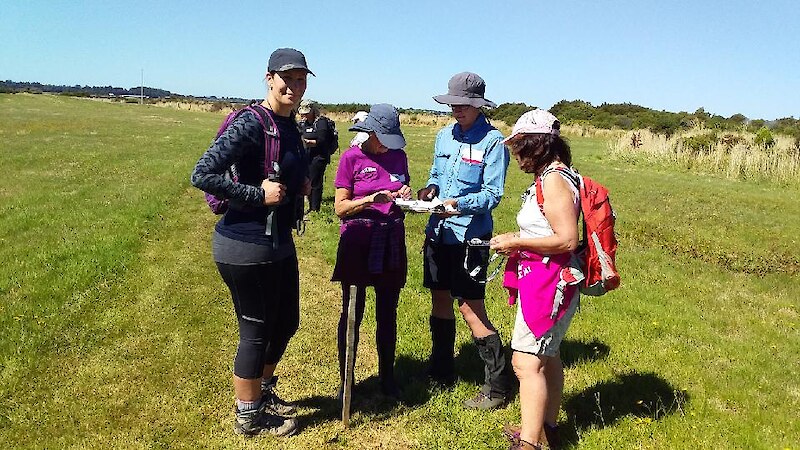
On Saturday 20 February - A report from participant Judy - Twenty tramper’s from the Southland, Wakatipu, Hokonui and Fiordland clubs came together for a Navigation Course held at the Southland Community Nursery, run by Barry Smith on behalf of Federated Mountain Clubs. We used the Education Centre in the morning for lessons on GPS, map reading and different navigational devices around the world. The Education Centre was well set up for us to have seating and tables, electricity for power point, refreshments and toilet. In the afternoon we were outside using our new found skills walking along pest line tracks and the adjacent Bushy Point. This was an ideal area with a mixture of bush and clear ground for testing direction and distance measuring between pre determined points.
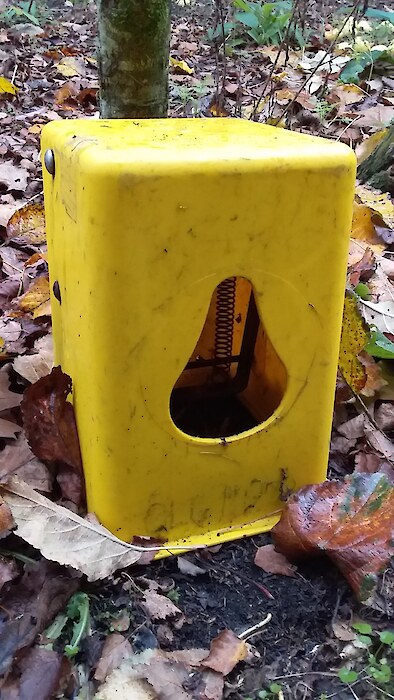
On Wednesday/Thursday 24-25 February 2021 a two day pest trapping workshop was held with tutors Steve Price from NMIT and Lisa Thurlow, Senior Ranger Biodiversity from DOC.
Lisa said “The workshop will be a valuable tool for people who’d like to become more active in predator pest control and it will provide an overview of New Zealand pest predators focusing on rats, stoats and possums. The course looks at defining why these predators are pests, their impacts, and the control methods to use.
The main focus will be on developing an effective predator control plan for participant’s local areas and the importance of monitoring, allowing new trappers to work out the right methods to match the outcomes they are looking to achieve. Participants will also gain the practical experience needed to be able to trap successfully”
The weather was perfect – rain all day Wednesday for the indoor stuff and fine for the setting out of traplines and the field component on Thursday and the sixteen participants all gained some important knowledge to help their pest control projects succeed.
Find out more about training courses at https://www.doc.govt.nz/get-involved/training/
Posted: 1 March 2021