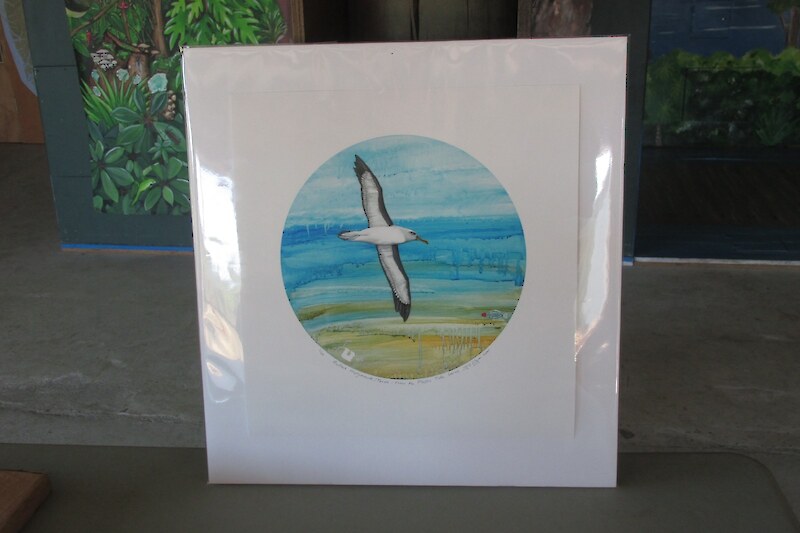
It’s the end of a difficult year and we will have a low key break up this year, but you are welcome to come along from 10am provided you have your covid passports, and more importantly some nice food!. Also bring cash – Honorlea will be here with her soaps and beauty products and we will draw the painting kindly donated by Jo Ogier as a fundraiser for the Nursery – Friday will be your last chance to buy a ticket!
Also, if you are thinking of planting over the holidays and need plants then notify me this week and we can make an arrangement for pick ups.
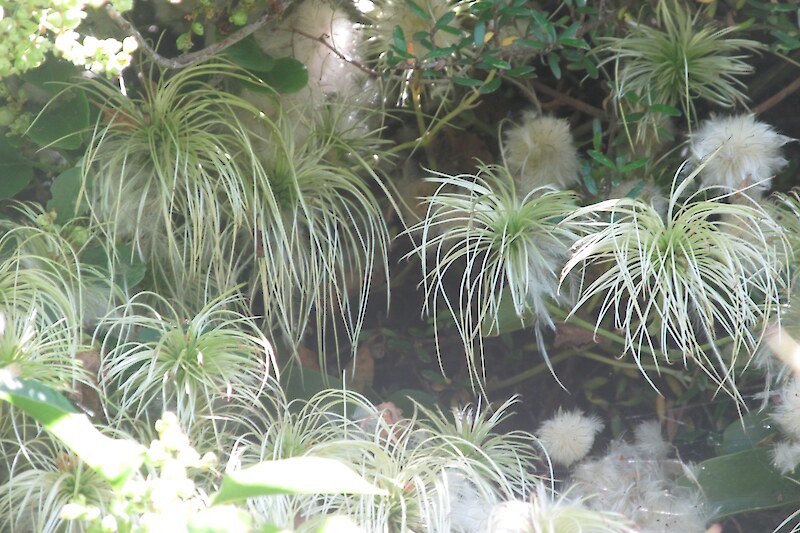
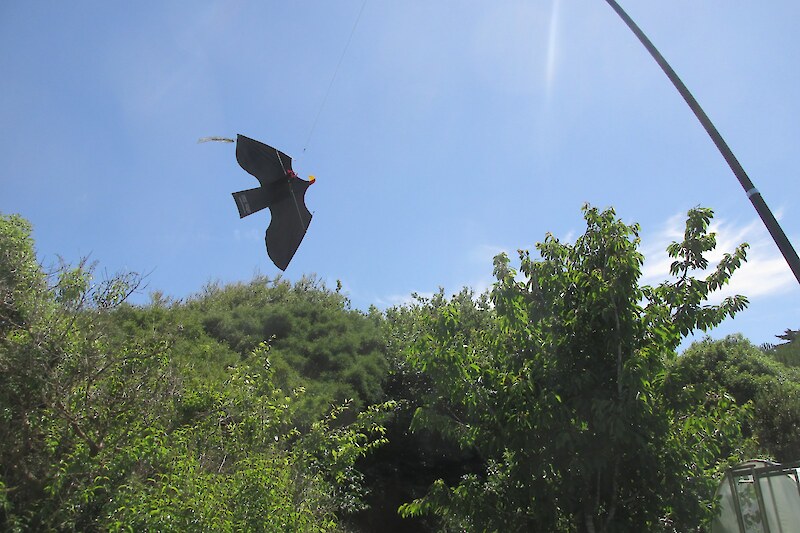
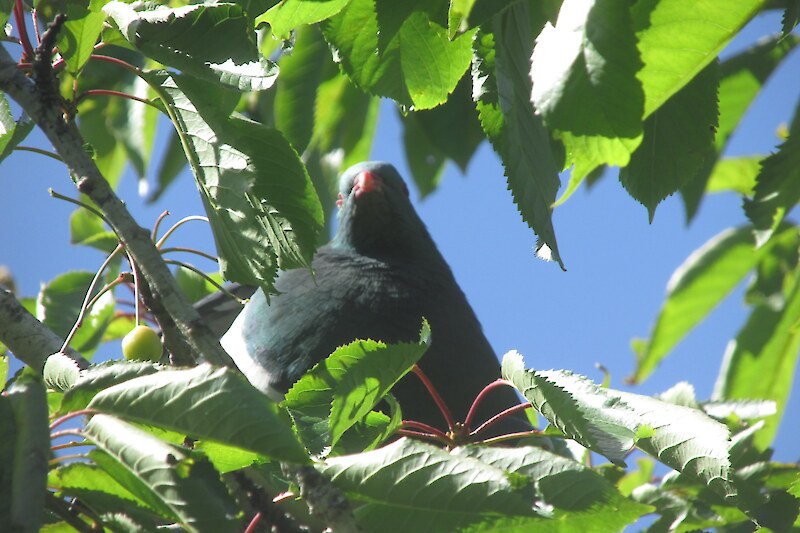
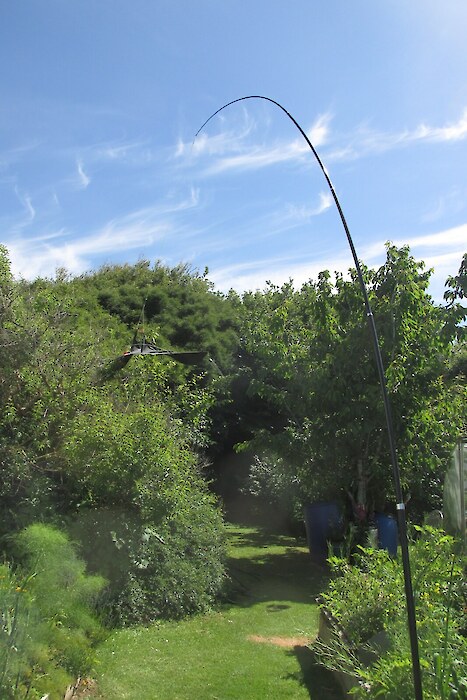
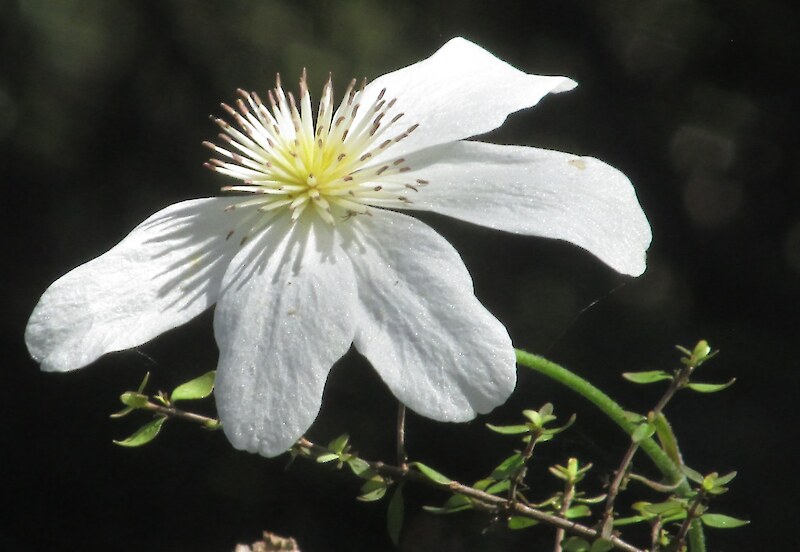
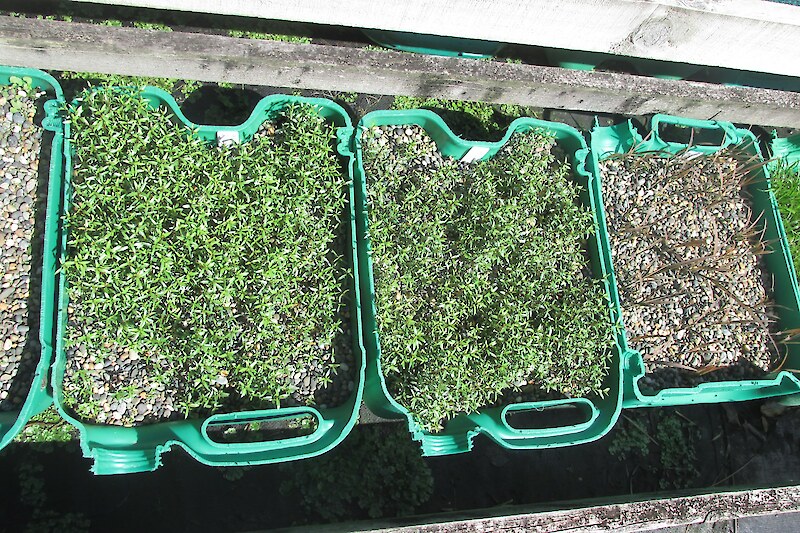
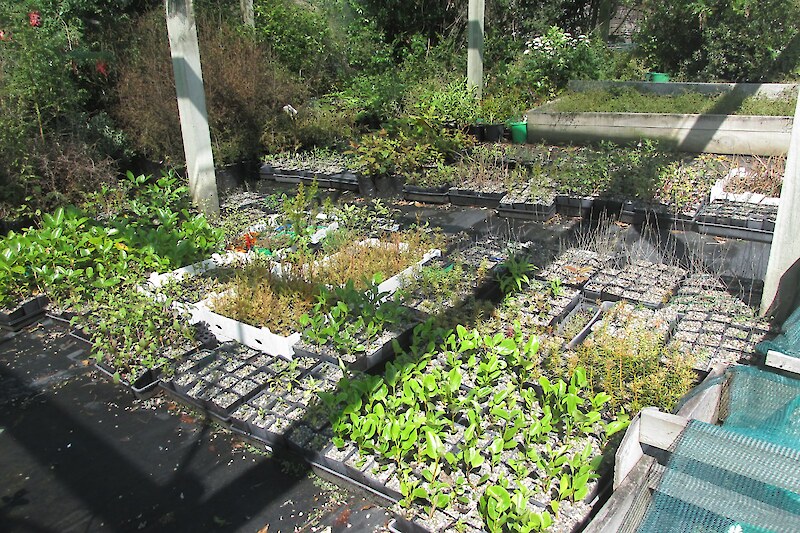
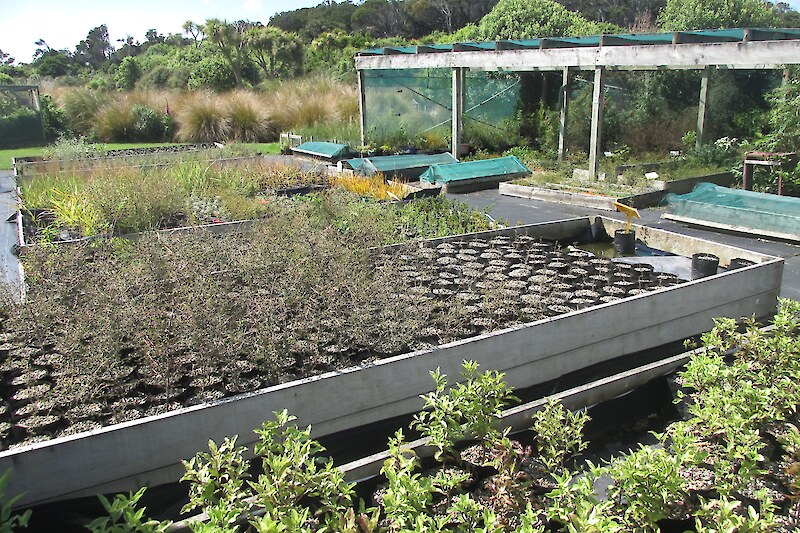
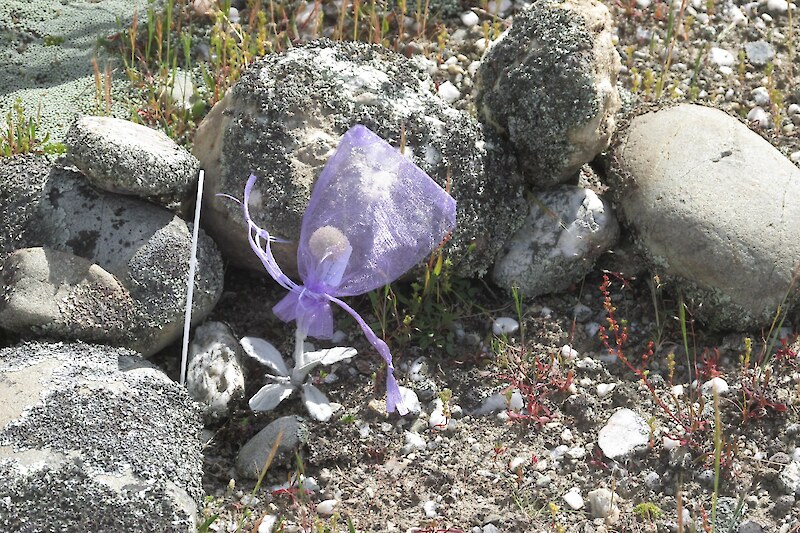
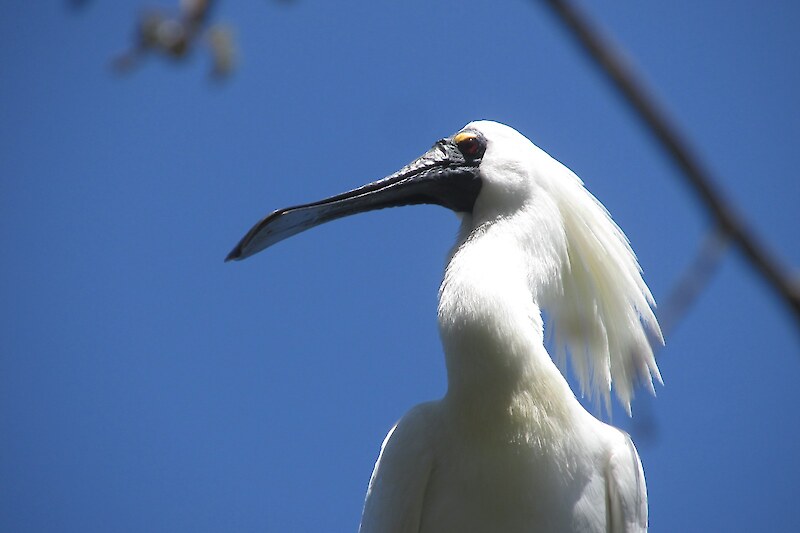
It has been a great growing season to date – lots of rain then lots of sun, so watering the nursery is top priority. If you might be able to help over the holidays please let me know. I have collected my first seeds already – Clematis paniculata – the native clematis. On the garden front my current challenge is keeping the kereru off the cherries – see my attempts with the sky crow below (limited success)!!
Thanks to everyone who has helped this year and if we don’t see you Friday, have a peaceful Christmas and we look forward to a New Year with positivity and kindness.
Nga mihi
Chris and Brian
Posted: 13 December 2021
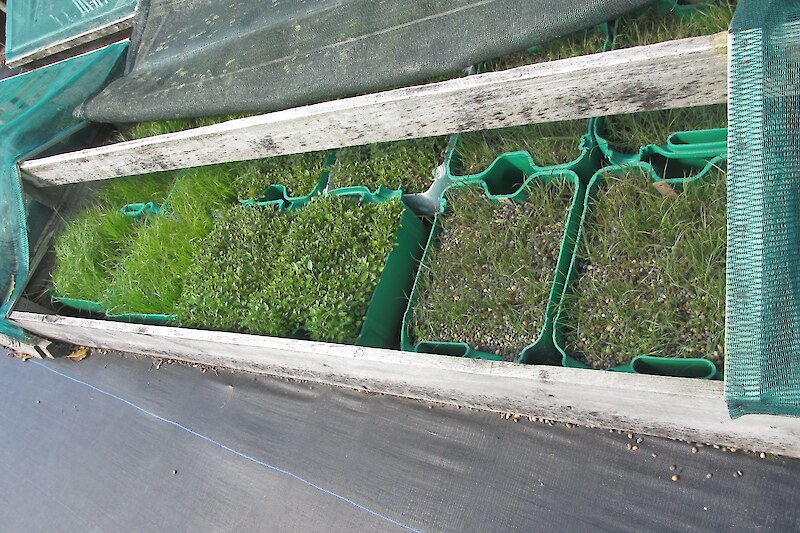
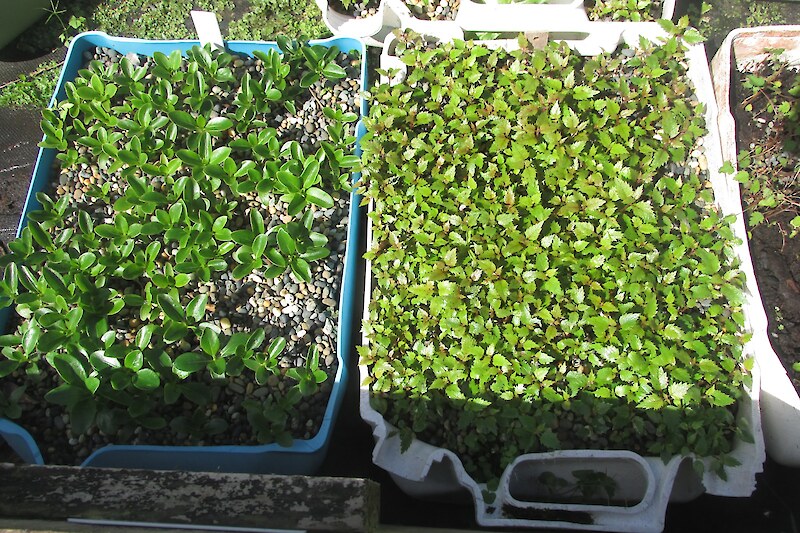
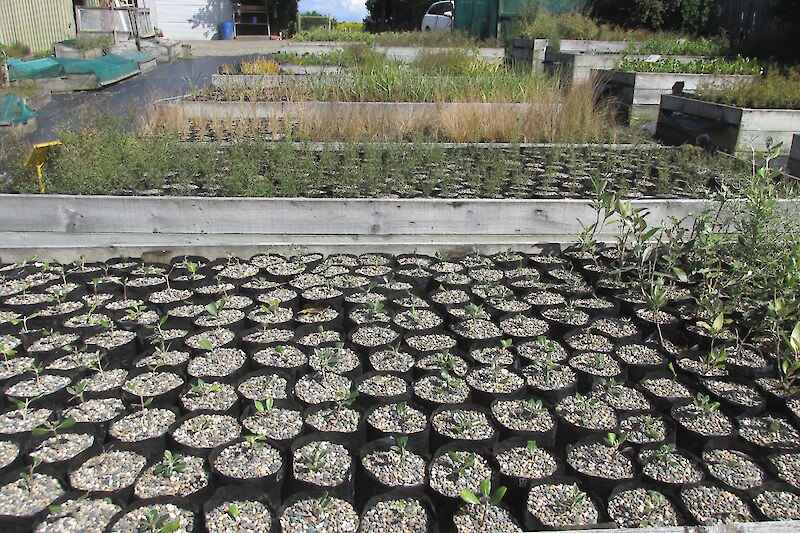
Friday volunteer sessions have been busy and well attended with “everything” needing to be done at this time of year. Seed has germinated and needs pricking out, cuttings have rooted and need potting into PB3’s, seedlings in small pots need potting on into PB3’s, weeds are growing apace and watering is ramping up. So….. at this very busy time of year Chris and Brian went away on holiday for 2 weeks!! Our massive thanks to Linda and Ray and our volunteers for keeping the nursery running – organising Friday sessions, and a watering regime while we were away. Our Nursery is truly community based!
It wasn’t all holiday for us, some of it a busman’s holiday as we bagged (literally put a bag over) some rare plants to collect seed for DOC in Central Otago, Brian did some work inspections and some searches for rare plants on the West Coast – which he found. Sorry Liz we only made it as far north as Okarito, but thoroughly enjoyed the wild west coast, in magnificent weather!
On the way home we attended the opening of the Cromwell Community Nursery and the Hui for 7 other community nurseries from Wakatipu, Clyde, Glenorchy, Wanaka, Cromwell, Lake Ohai (apols from Lumsden). The rise of community nurseries across the country is great to see. In our own patch of Southland there are some new community nurseries being established under the Jobs4Nature initiative and that should result in massive numbers of native plants being planted in our environment and many more environmental champions. We are very happy to be able to support Estelle at Bluff Hill Motupohue Trust, Jana at Te Tapu o Tāne and Riki at Hokonui Runanga with our local knowledge and experience and look forward to working closely together and sharing knowledge in the future.
As you can see with many preceding stories Bronwyn and Mark are doing great things with education and lots of happy children’s faces getting outside the classroom for their nature experiences. Of course sale of our plants helps continue to fund this great work as well as Lotteries and some ICC funding this year.
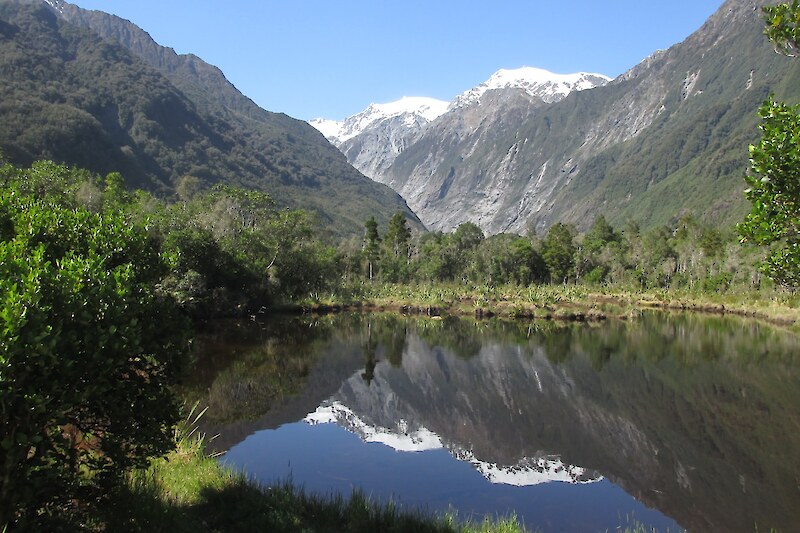
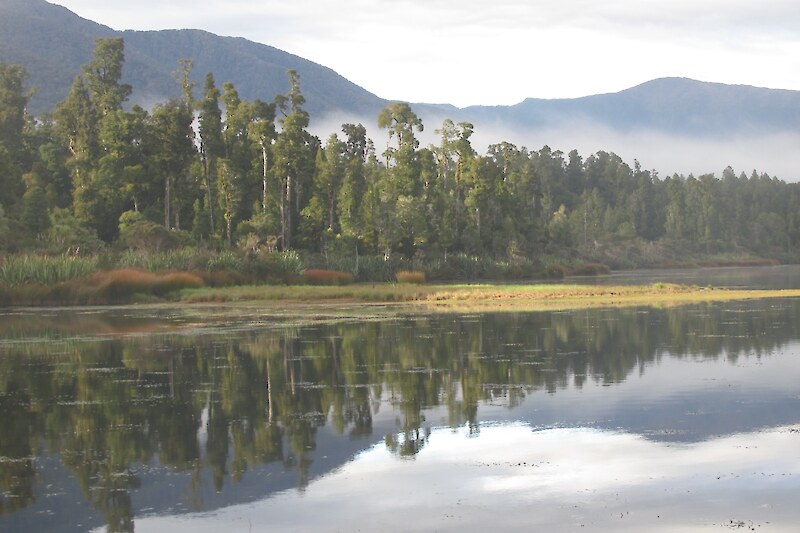
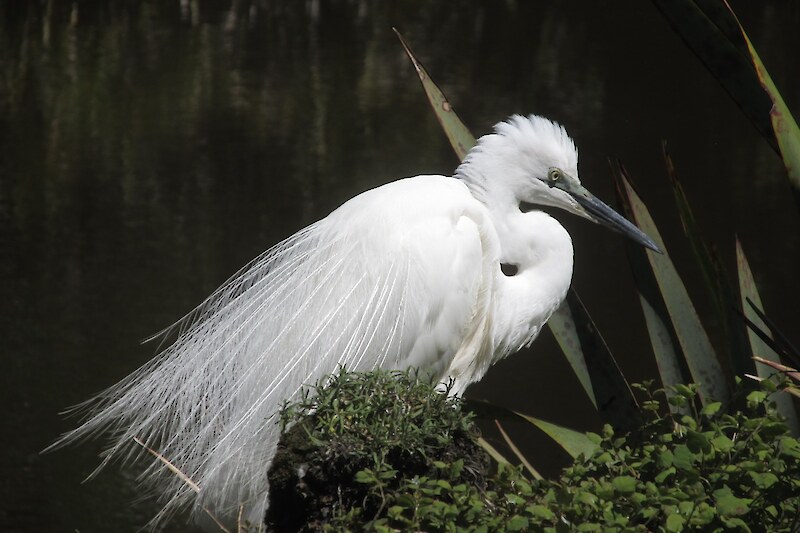
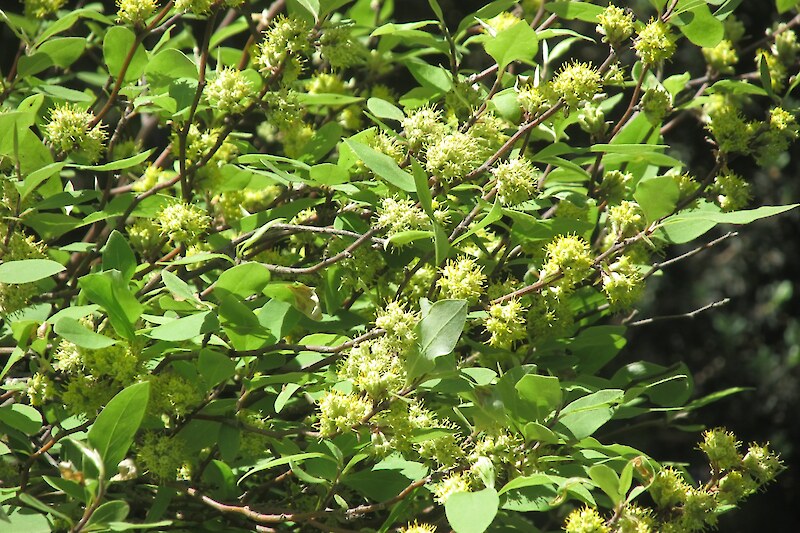
Couldn’t resist including a few stunning photos of West Coast – nature is rejuvenating for us all in these testing times. Look out for flowering plants at the moment - we saw lots of different orchids on the coast but here our gem Olearia fragrantissima with its intense apricot scent is in full flower, as are the wonderfully scented Ti Kouka, the cabbage tree and many others.
We are planning the Community Nursery Christmas Break up Friday on 17 December 2021, put the date in your diary.
Chris
Posted: 15 November 2021
Beautiful sunshine, enthusiastic bug explorers and lots of bugs to find made for a great visit to the Southland Community Nursery by the Makarewa Playcentre. We looked under logs and carpet, in leaves and trees and around the pond. We found slaters, nursery web spiders, damselfly, the worms in the worm farm, weta, a bumblebee buzzing around collecting pollen, a huge beetle (and some smaller ones), moths, lots of flying insects, and a flatworm. We also saw evidnece of bugs including a case moth case, spider webs and the notches and loops on flax made by caterpillars. We also went on a treasure hunt to find leaves to match those pictures on our cards. What great observers you all were. Some kai, a run around the paddock and lots to drink kept us going all morning. Spotting a kererū was awesome and checking out the baby bird and eggs in the nest was pretty amazing!
Bronwyn
Posted: 11 November 2021
Working alongside the Glenham school students at Glenelgin we did some maintenace weed clearing from around their native plantings. Using their investigative minds and clues shown a bird was identified and then the main attraction of the day was learning all about how we find out what pests might be around. Tracks and how these help us protect an area of native planting and all the creatures we want to attract to these areas were explored. An awesome day out in nature learning!
Bronwyn and Mark
Posted: 5 November 2021
The Southland Community Nursery was the venue for the final Enviroschools teacher workshop of 2021. Perfect weather (making operating outside under covid restrictions ideal), a great turnout and plenty of discussions around sustainable communities through Kai. Always great to work with Environment Southland and their Enviroschools mahi. The teachers present were inspired by the various habitats where edibles grow (the orchard, berry houses and vege gardens), we discovered all kinds of edibles including weeds and native plants, and explored planting and care.
Bronwyn
Posted: 5 November 2021