
Rimu School Get Growing Natives 28 May 2019
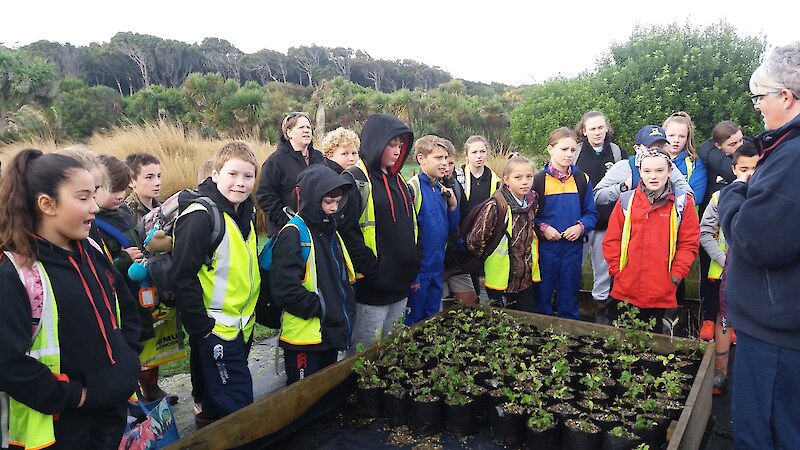
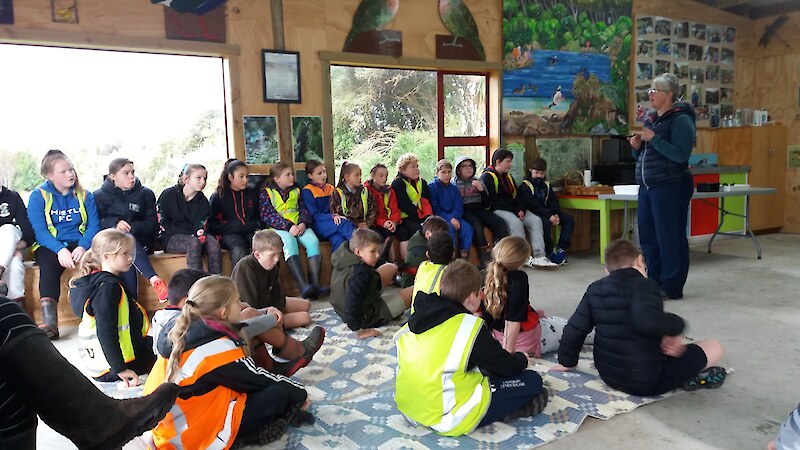
An enthusiastic group of year 6-8 students from Rimu School arrived with a plan – they wanted to learn all about growing native plants from seeds and cuttings. The large group was divided into two with Bronwyn taking a group around the bush and Chris taking the cuttings group.
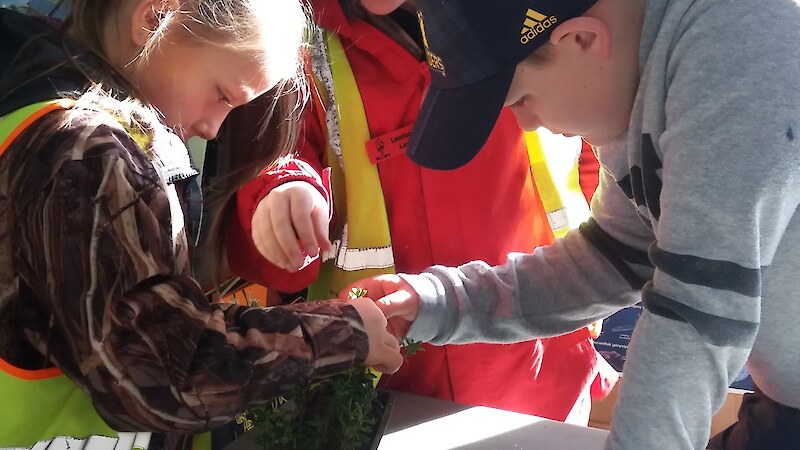
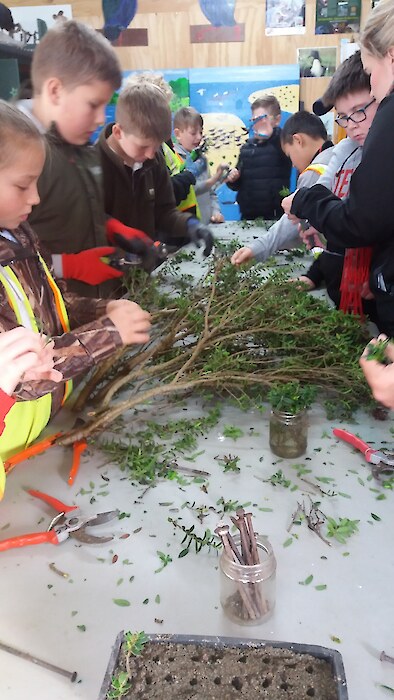
Chris’s group learnt first all about seeds as that is the best way to propagate or grow new native plants. Chris explained that seeds provided plants with diversity, as opposed to cuttings which are a clone or exact copy of the plant. Thinking about what equipment we might need to take cuttings and some good answers were: the plant, secateurs, pots, some said soil (but we actually use river gravel), rooting hormone powder and labels. Chris had collected some hebe branches and everyone had a go at making some cuttings. The group learnt about the process – cutting a tip of the plant, measuring 12-15 cm and cutting below a leaf node and removing ¾ of the leaves, dipping in rooting hormone and putting in river gravel. After doing about 4 trays of 40 cuttings we went out to look at the currant bushes and learnt that the same technique can be used for those as well. The worm farm was looked at as a bonus!
https://www.southlandcommunitynursery.org.nz/restoring-your-patch/get-growing/cuttings/
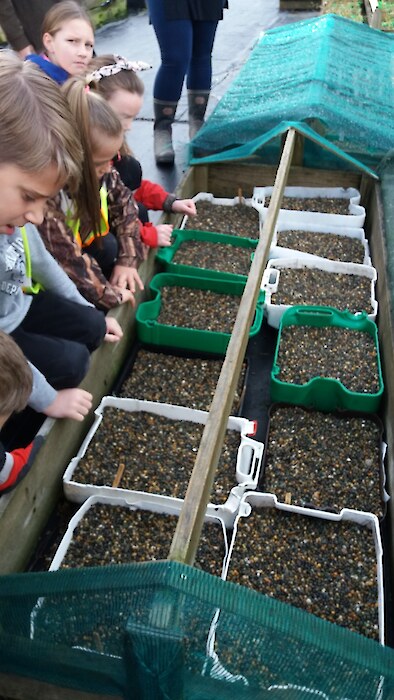
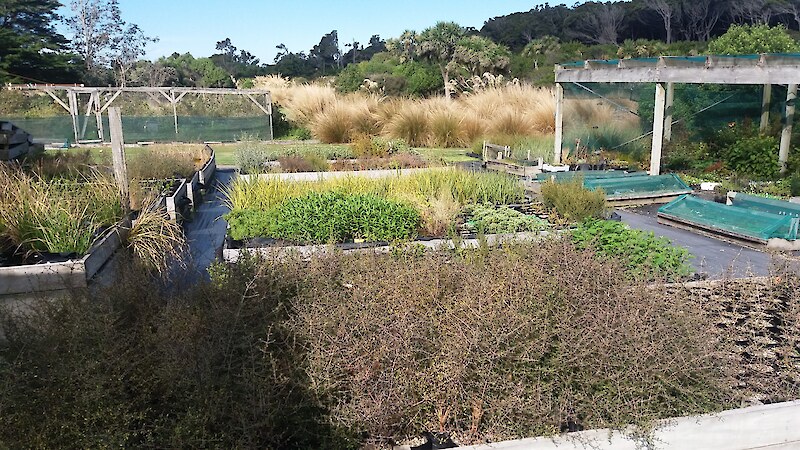
Bronwyn’s group went looking for and collecting seed. We looked at all different kinds of seeds - tī kōuka/ cabbage tree stripping the white fruit off the branches and squeezing out and counting the small black seeds; the sticky pittosporum species of seeds in pods, both kohuhu and tarata; the fleshy red fruits of kahikatea with the black seed on the outside that had collected on the shade cloth laid out on the forest floor; the cocoa bean lookalikes pōkākā seeds; the blueish fruit of mingimingi with two white seeds on the inside; the spores on the underside of fern fronds; the bright orange seeds of Astelia; the black seeds of harakeke in the big pods now mostly empty of seeds; the empty seed pods of Koromiko (Hebe salicifolia); broadleaf seeds, the hard small pods and seeds of mānuka, the shiny black round fruit of seven finger and many others - including some weeds. We talked about eco sourcing - collecting seed locally and the benefits of this, the need to identify what seeds you are collecting (as we really don’t want to sow weeds!!) and the need to identify NZ native plants, naming and dating the bags that you put your collected seeds into, the different preparation of different kinds of seeds (before sowing), colonising or nursery plants v canopy tree species and the seasons - noticing what seeds are around now to collect and what plants at this time of year have only empty seed pods or no seeds. We also looked at the recently sown trays of seeds in the nursery and the shade clothed protective boxes that we put them in and talked about the use of weed free seed raising mix and stones. Back in the education centre we looked at some other seeds including kōwhai and miro (and the link with kereru for this species of tree) that had been collected previously. We even talked about why there is no need to stratify seed in Southland for the species we were looking at because of nature doing this for us - some great discussion and questions from a switched-on group of learners.
https://www.southlandcommunitynursery.org.nz/restoring-your-patch/get-growing/seeds/
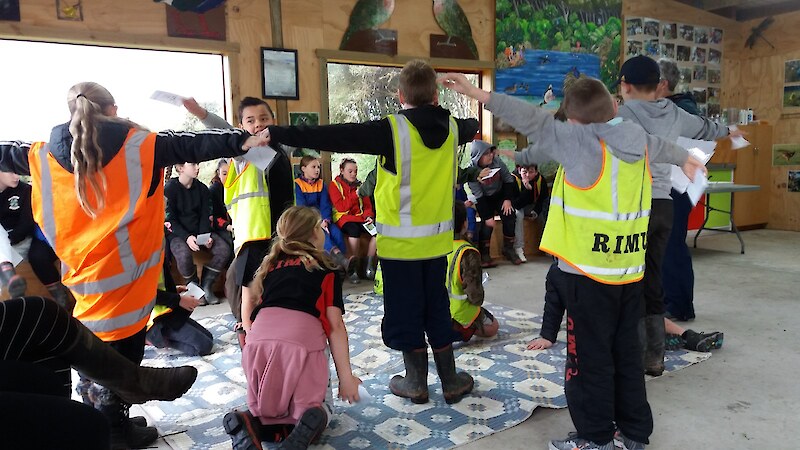
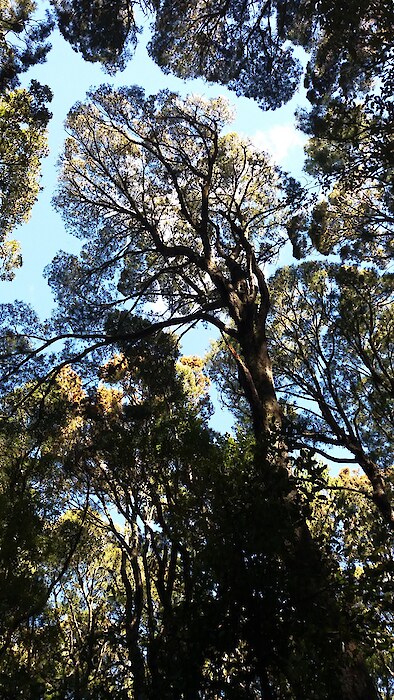
All together as a big group we acted out how a forest works and started to distinguish between colonising and canopy tree species, with colonising tree species growing up to provide the shelter needed to attract birds and to provide the environment needed for the big canopy tree species to grow. Learning about the different NZ native tree species and what ones are colonising or nursery species and what ones are canopy tree species will be important for any creation of a native area at the school. It was great to have this group of learners alongside us learning about the ways to propagate native plants. We look forward to hearing about their learning and what they might start up at school.
https://www.southlandcommunitynursery.org.nz/how-forests-work/
Chris and Bronwyn
Posted: 4 June 2019