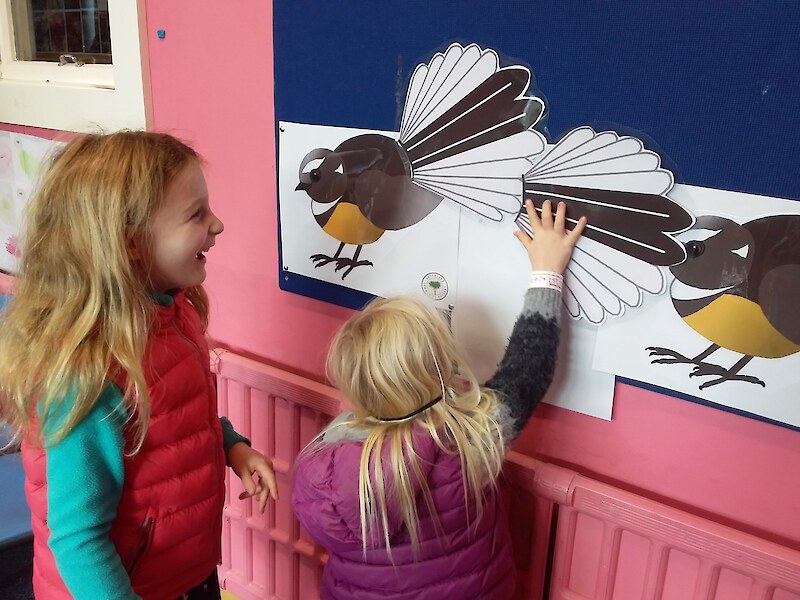
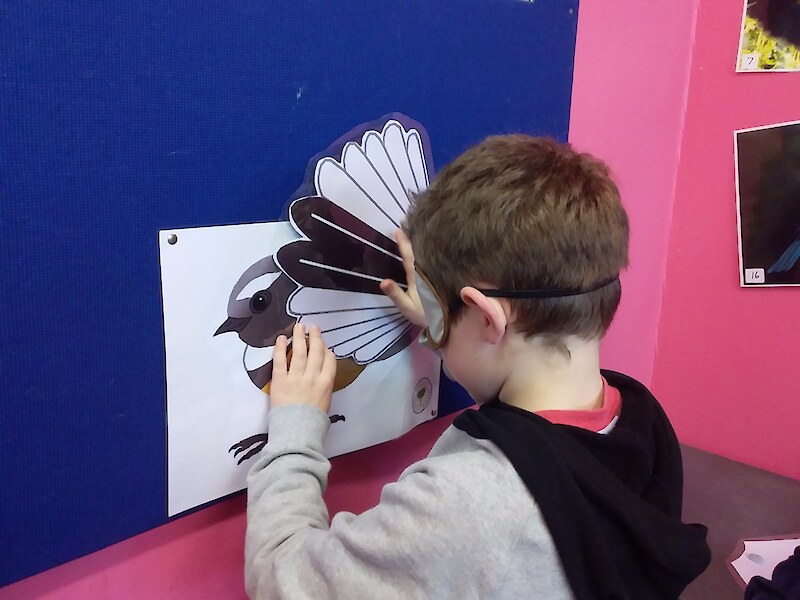
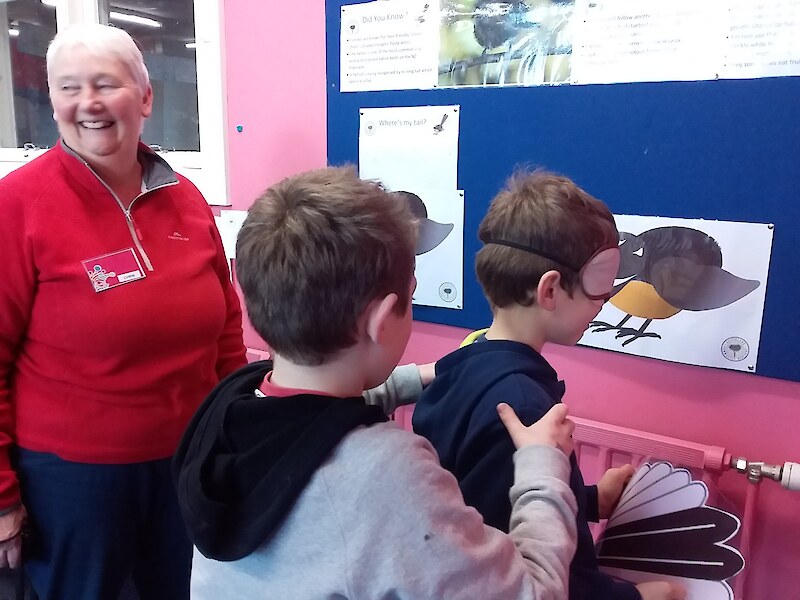
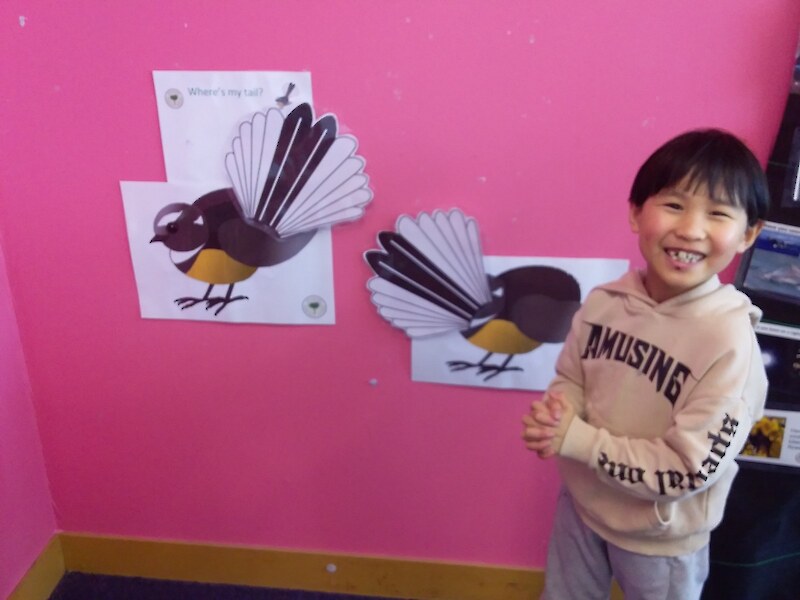
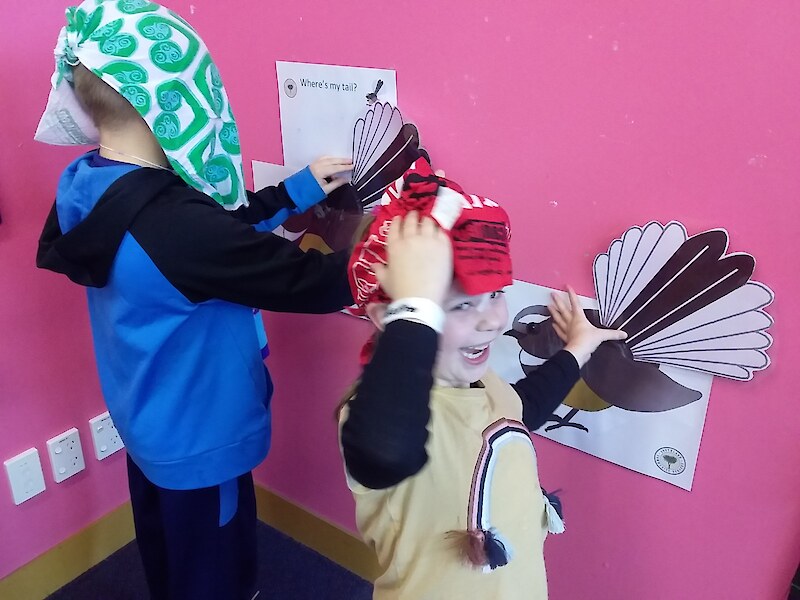
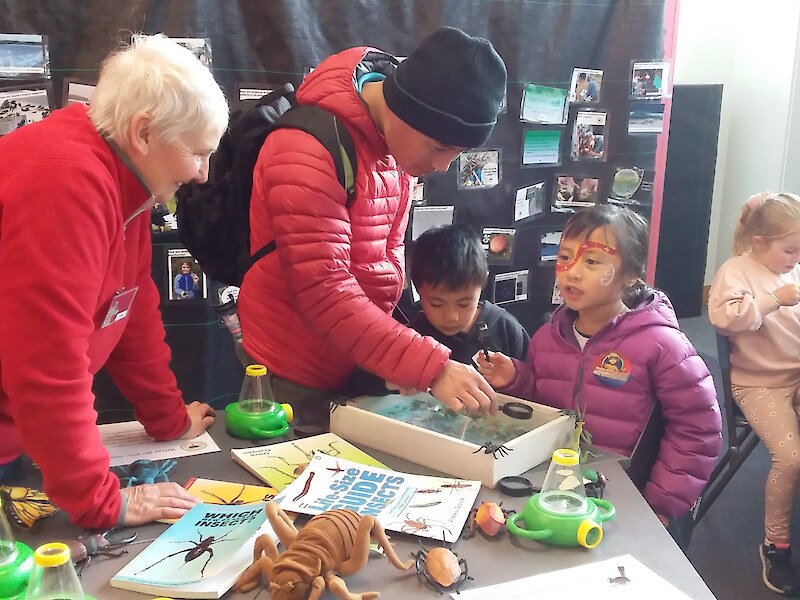
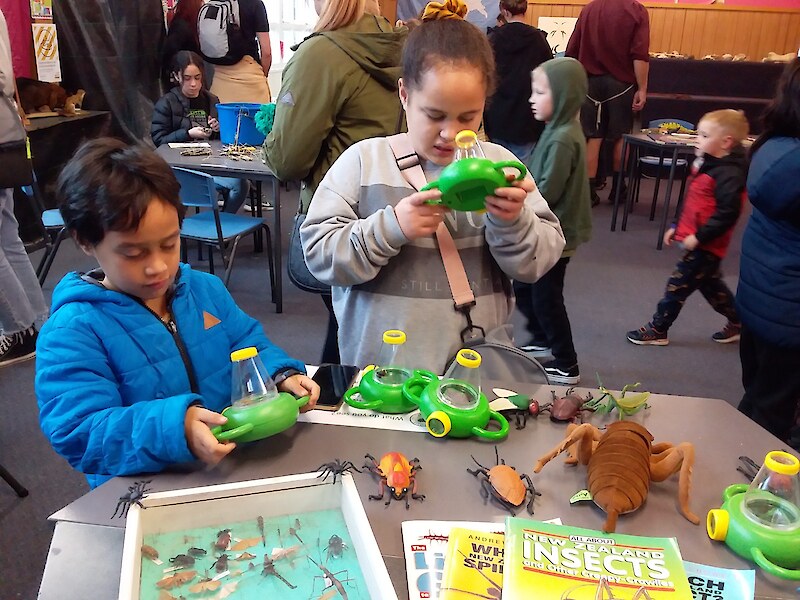
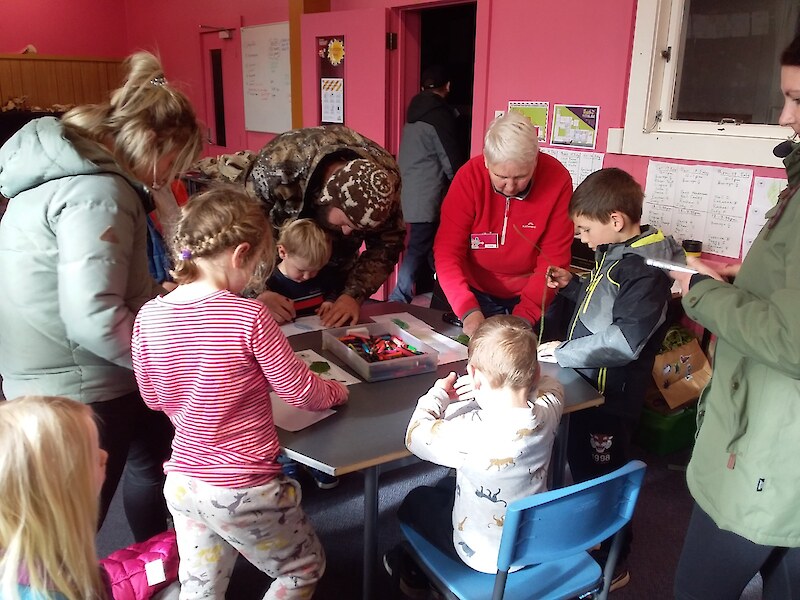
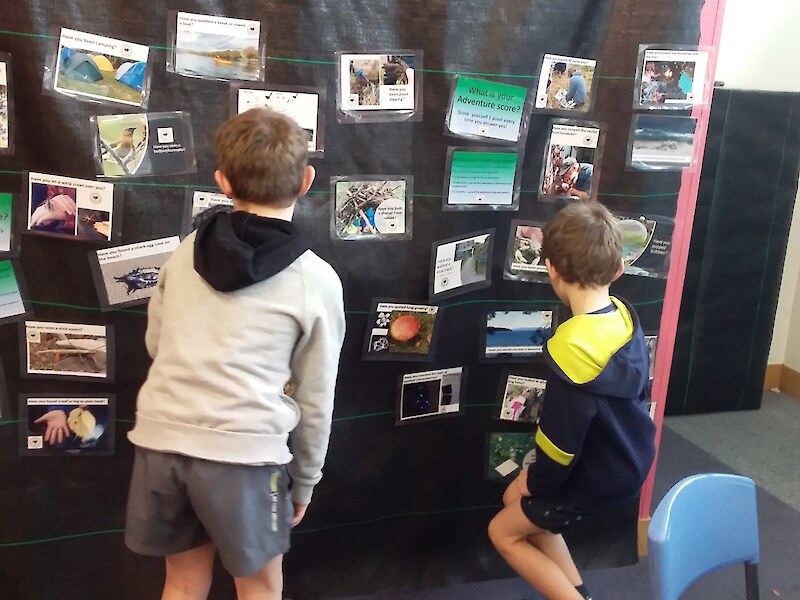
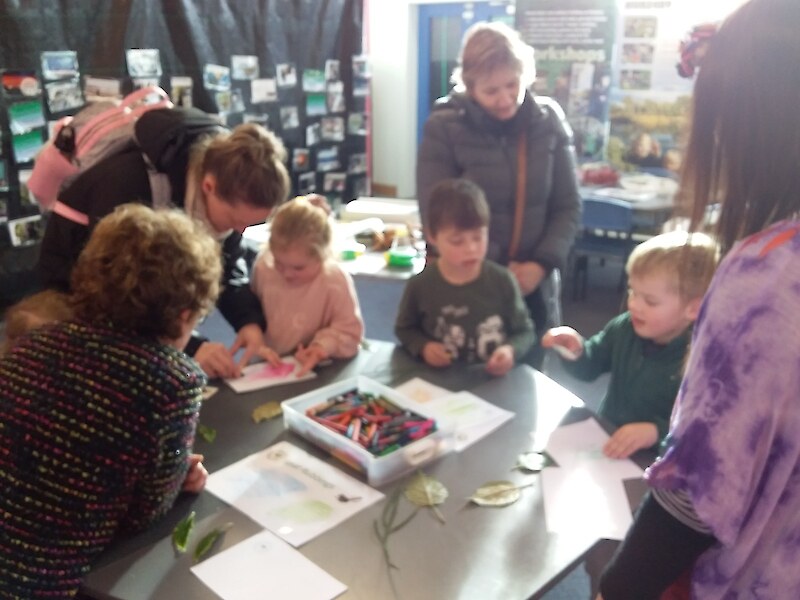
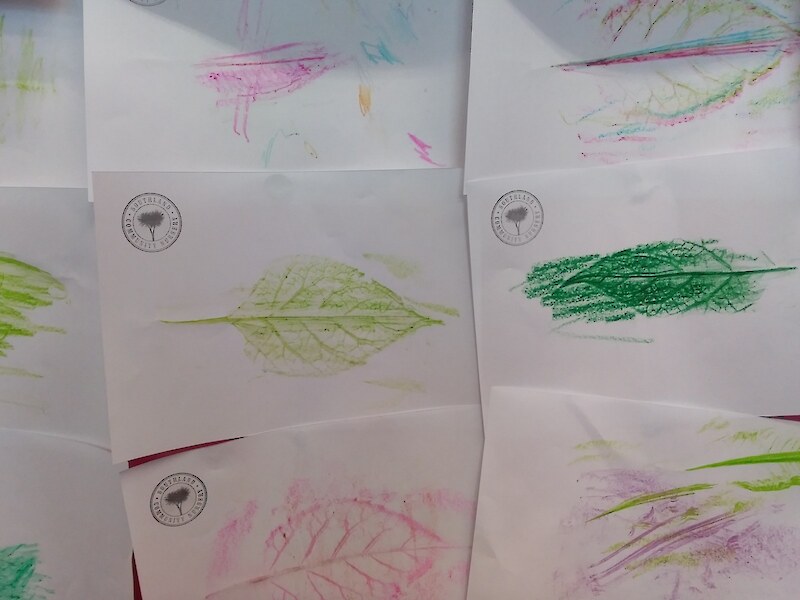
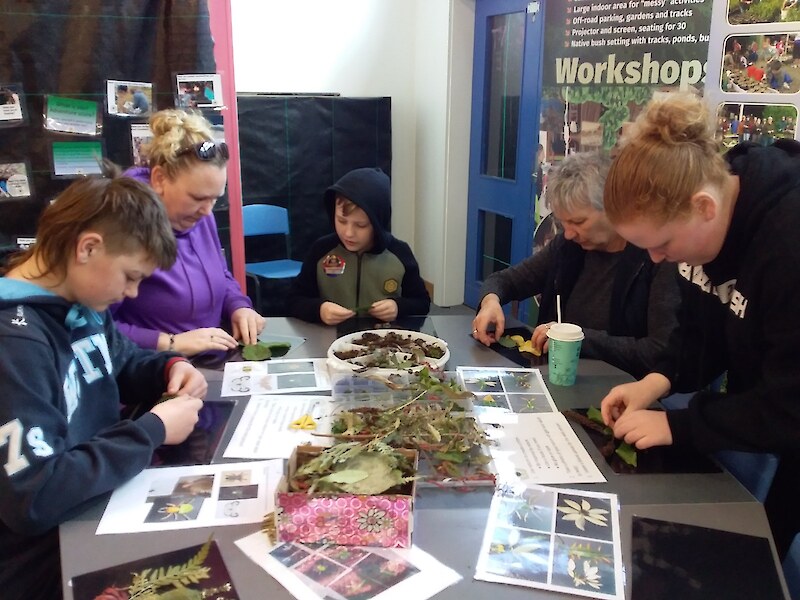
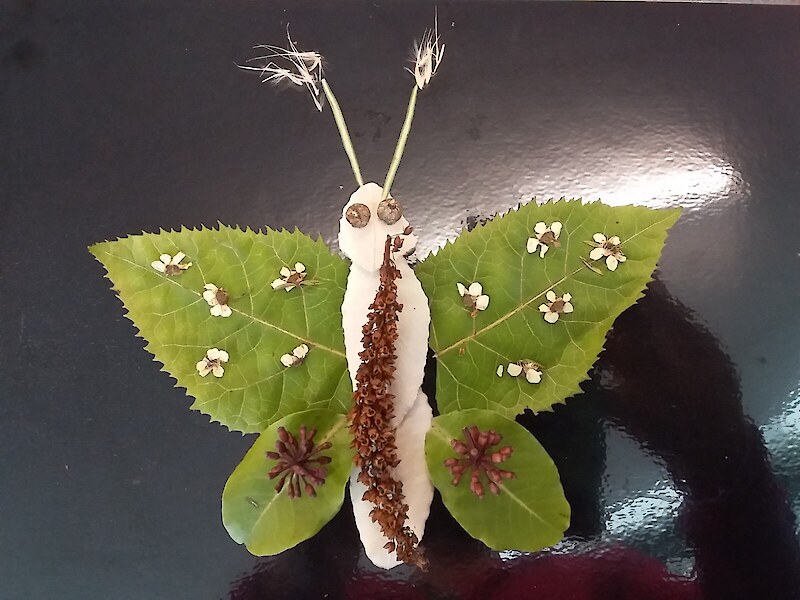
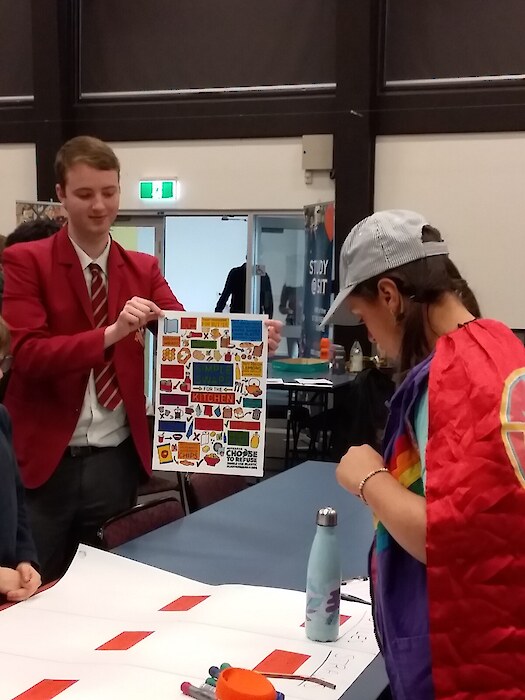
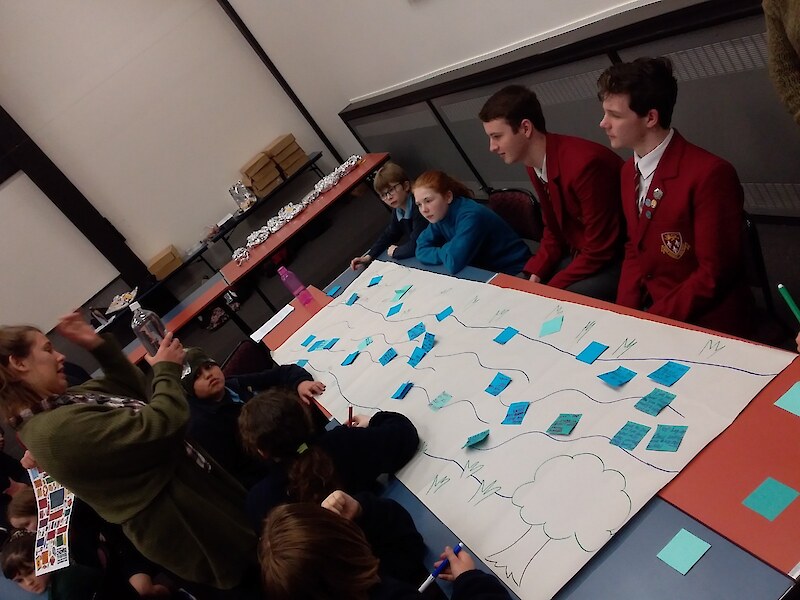
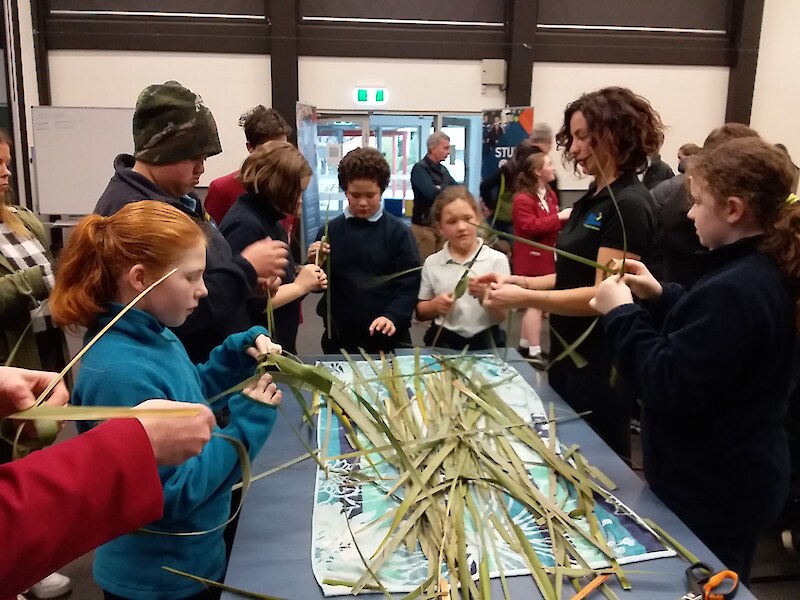
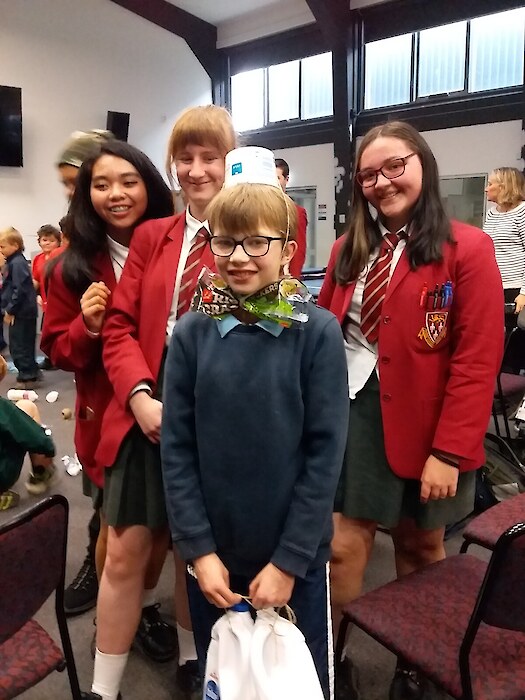
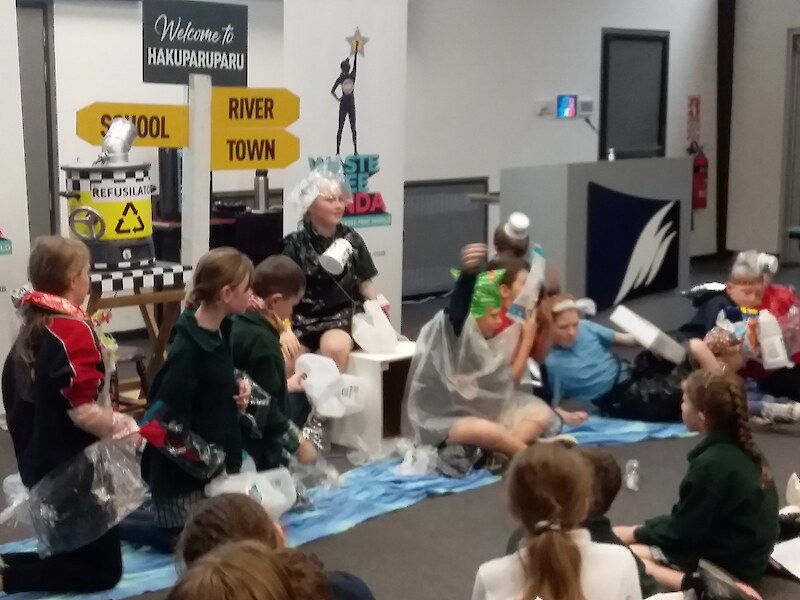
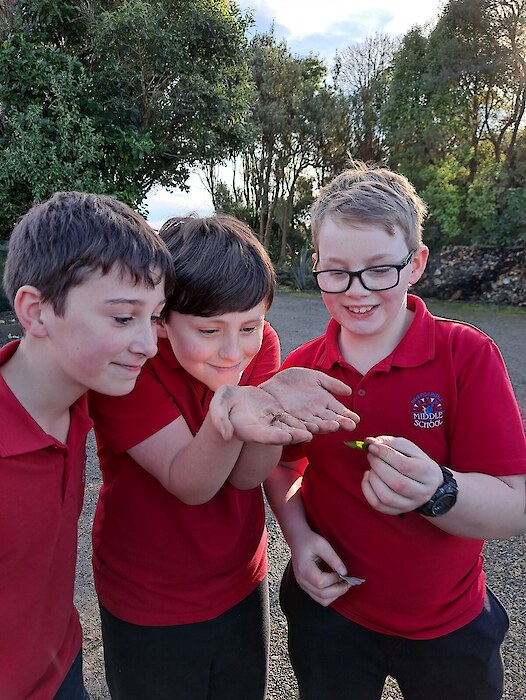
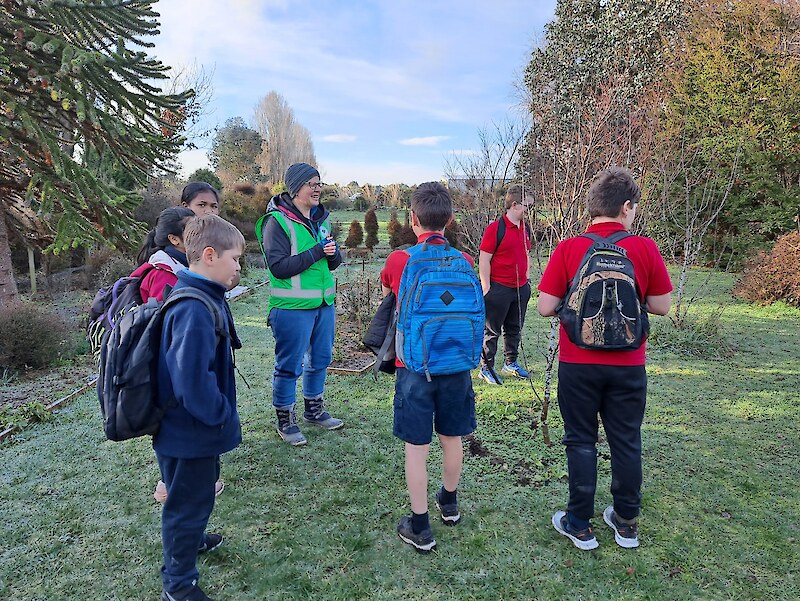
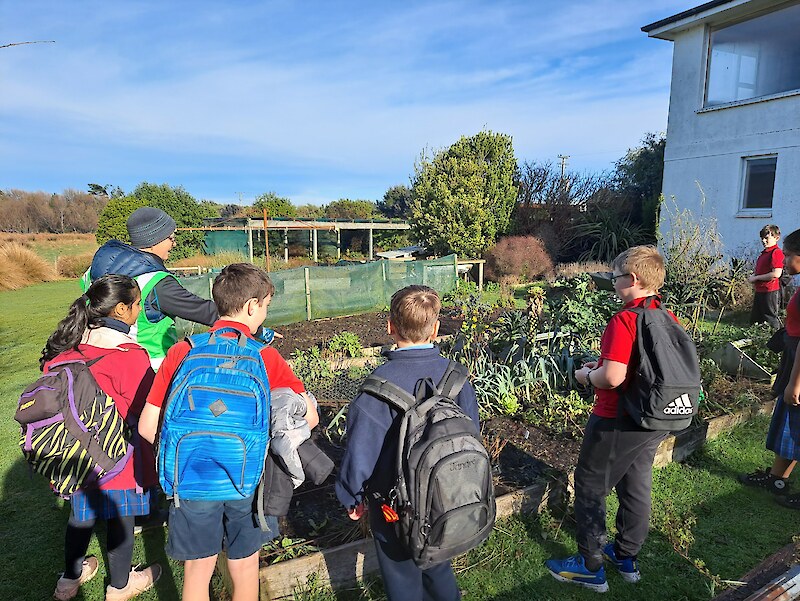
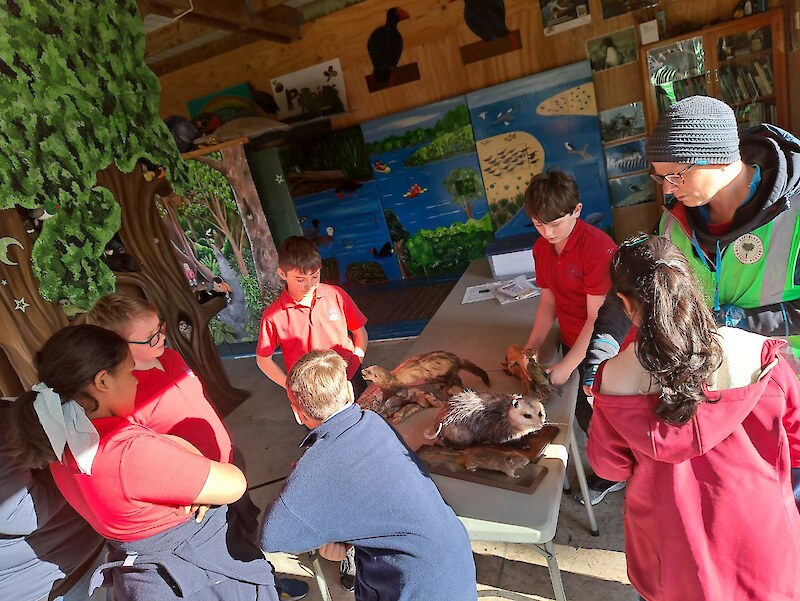
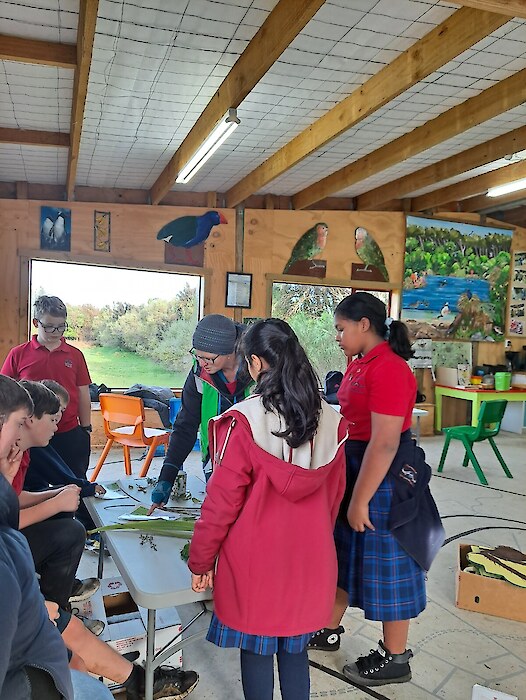
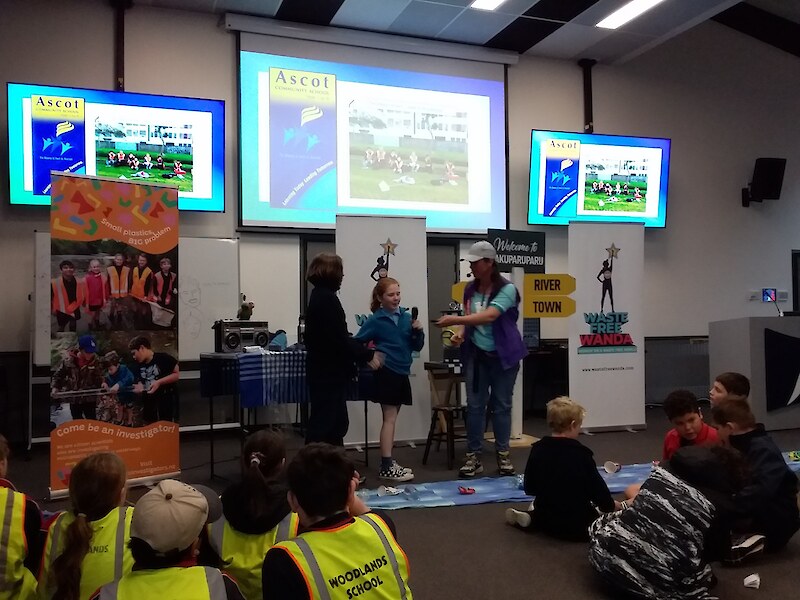
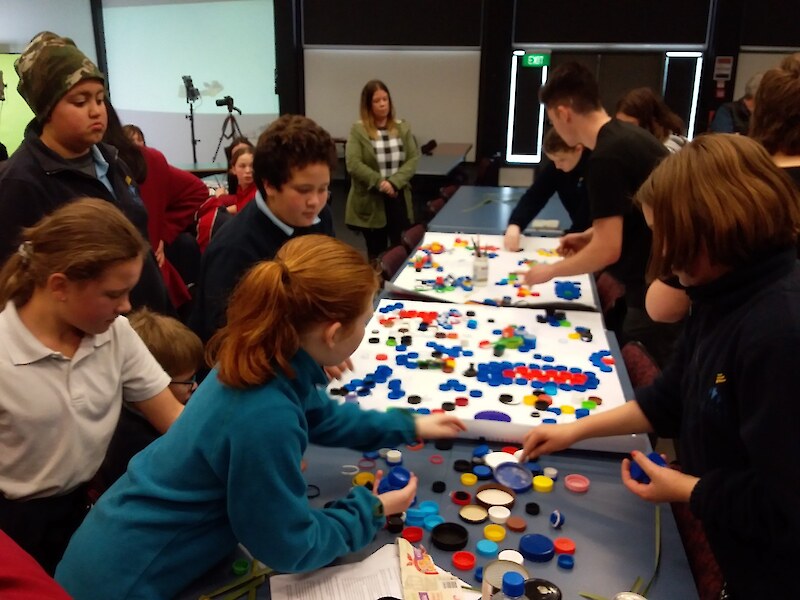
It was great to be a part of the first mirco investigators hui at SIT. Students got to share their findings of their microplastics data collection from their local awa/river and take part in a range of fun activities. Huge thanks to Christine Liang and her team at SIT. It was encouraging to hear riparian planting being suggested by students as one solution to the wider view of river pollution. To find out more check out https://microinvestigators.nz/
Bronwyn
Posted: 7 July 2021
A super keen group left after visiting at the nursery today having been well and truly inspired to start growing and planting at their school place! The group started to think about what edibles they can focus on so that they are eaten and used by the school community, and were introduced to the possibilities of fruit trees as well.
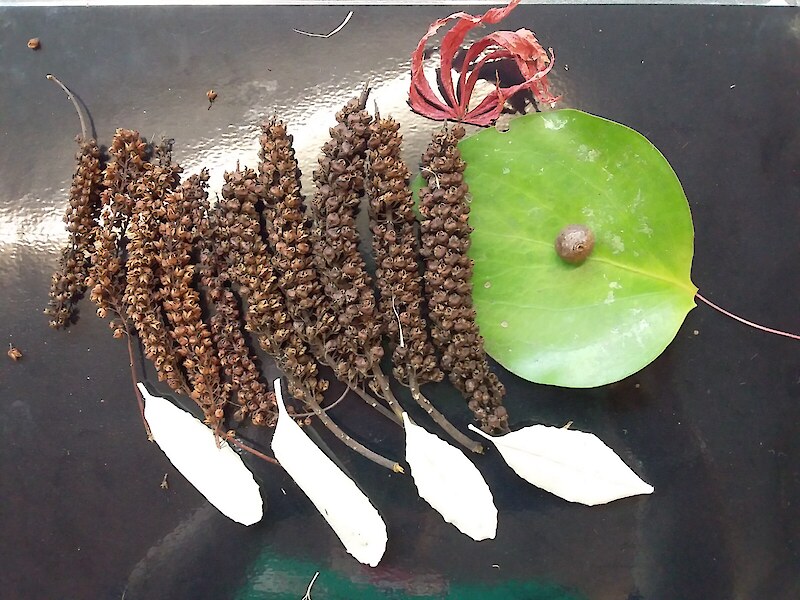
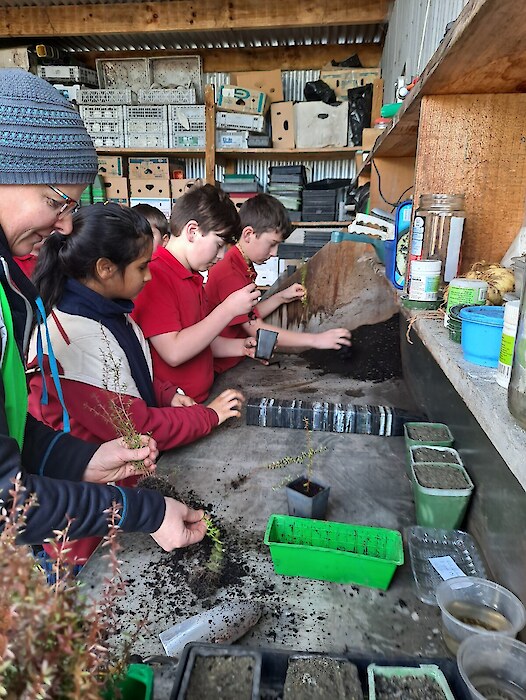
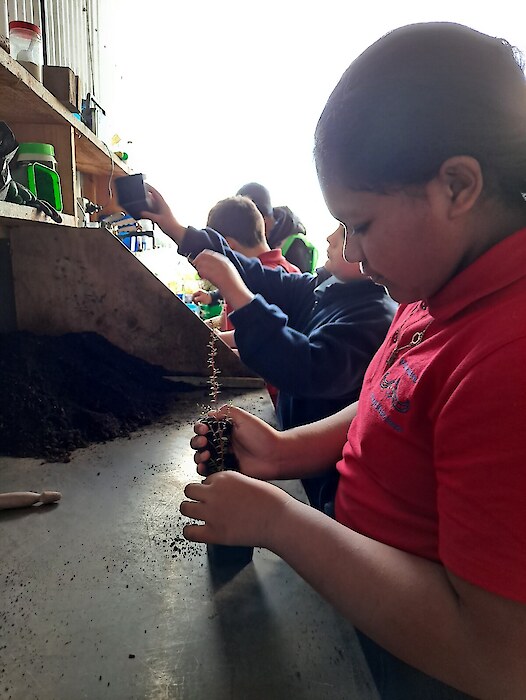
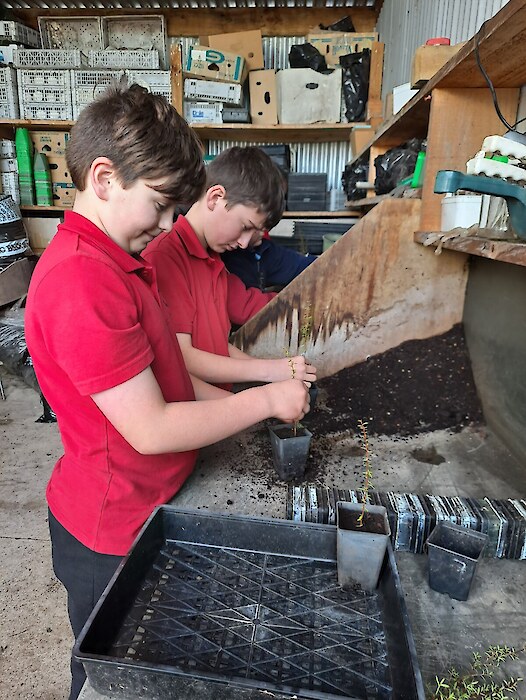
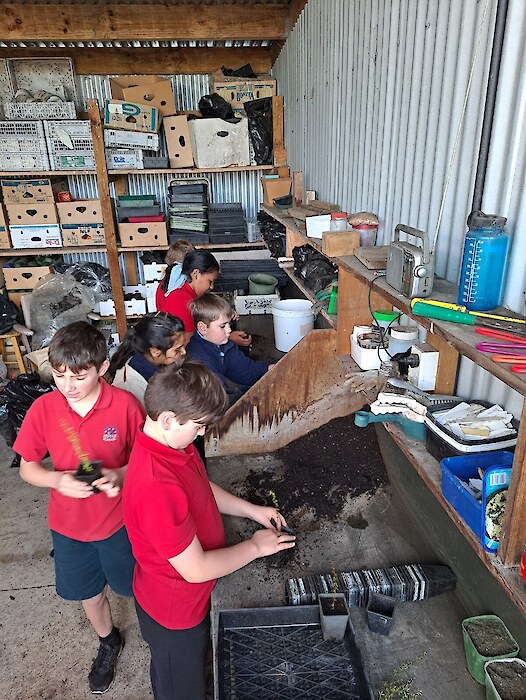
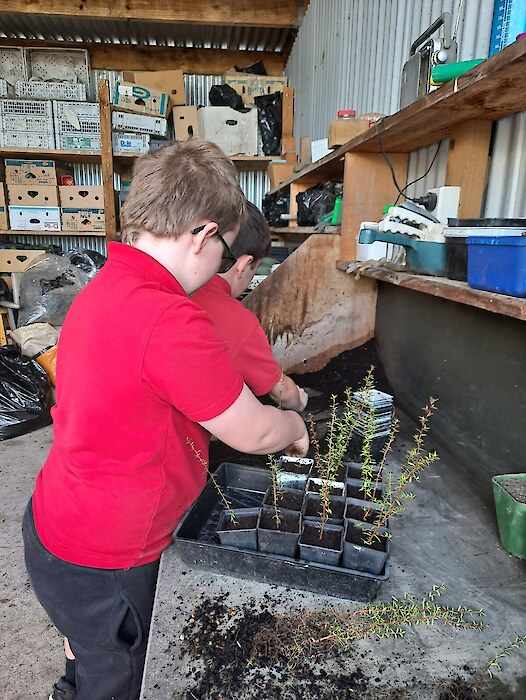
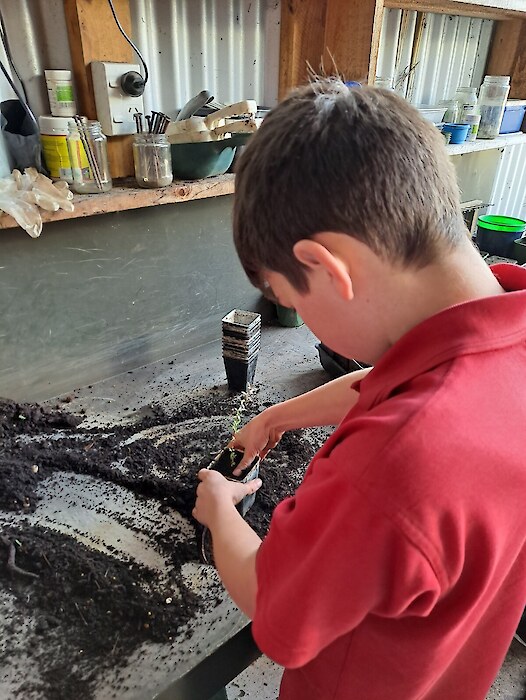
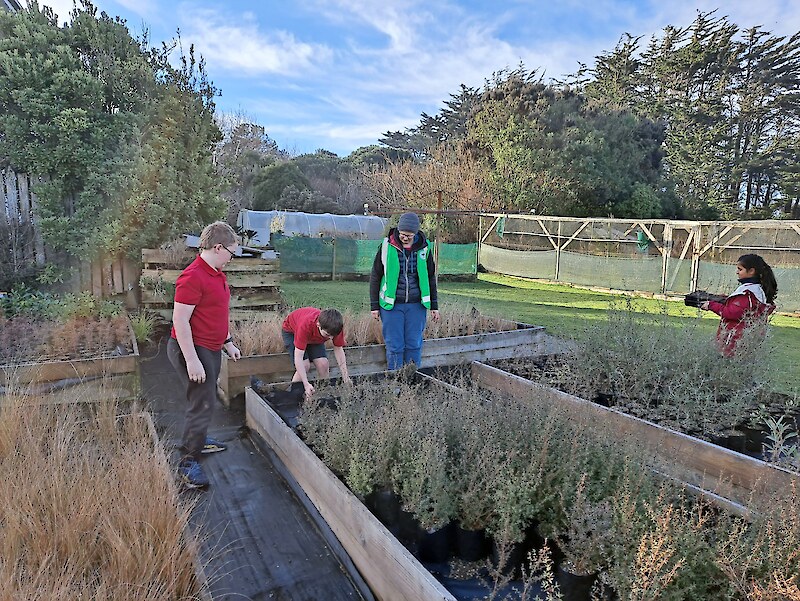
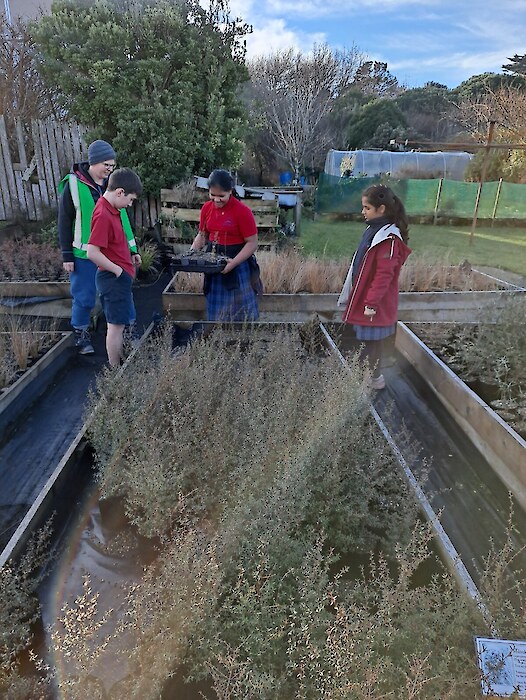
Switching to NZ native plants the group learnt all about NZ natives, starting to identify the different species we grow and have at the Southland Community Nursery. The restoration forest and kahikatea swamp forest were explored, leaves smelt and tasted as we cemented our learning about NZ natives. Management of pests, traps and bait stations were noticed, and talked about, and the pest target species identified. We looked at seeds of NZ natives and potted up some mānuka seedlings into bigger pots.
It was great to connect to Middle School through Sport Southland’s Community School Connector Josephine who joined and supported this group on their visit today. I look forward to visiting the school.
Bronwyn
Posted: 7 July 2021
Connecting again through the Great South team, today we hosted students from the YMCA Primary Industries class. After learning about NZ native plants, and the story of the Southland Community Nursery property restoration project we got hands on learning about growing plants. After an overview of the plant nursery and how it operates, we examined each step of the native plant propagation process, from identifying natives, collecting and preparing seed, seed sowing, cuttings and potting up of seedlings. All this while covering the importance of Southland natives and ecosourcing. Discussion of links with community projects for conservation restoration plantings, Jobs 4 Nature, shelter belt and riparian plantings on farm properties, and the need for pest management completed where the propagated plants end up and management required after planting.
Bronwyn
Posted: 1 July 2021
What an amazing time I had at Waikoikoi School with a group of engaged enthusiastic learners.
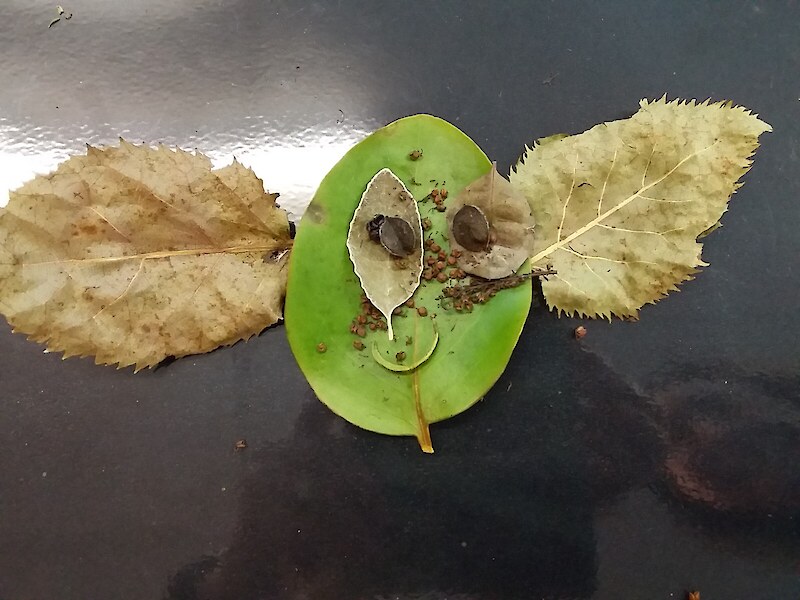
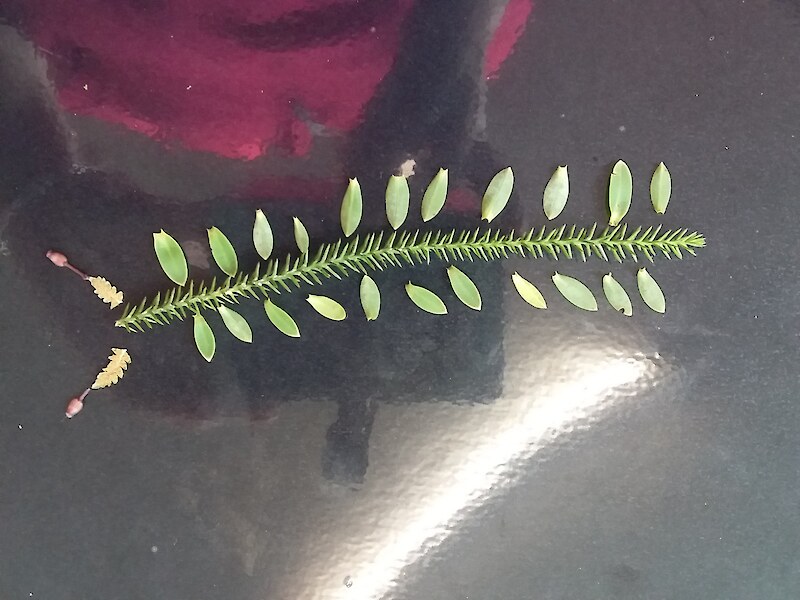
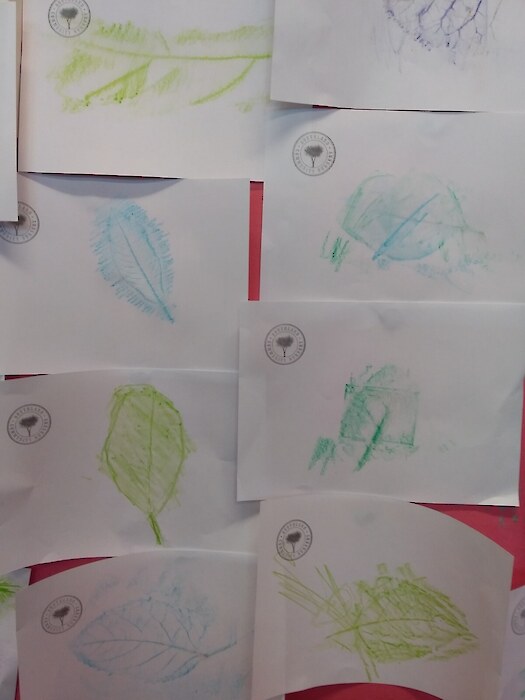
We started our learning about native plant species that are found in Southland with some native plant identification. We looked really closely at different leaves as we matched them with the right Leaf Bingo card. Each student then learnt about a native plant and presented back to all of us what they had noticed and learnt. It was discussed that they have many of these natives planted and growing around their school site. We talked a lot about the Southland weather and how important it is to source Southland natives.
Looking at examples of different seeds led to mention of dispersal methods, when to collect seed (as the examples had been collected throughout the season), seed preparation and growing native plants from seed. The students then got hands on sowing mānuka seed. It was also noted that many of Southland’s native trees can be grown from cuttings, another propagation method, so we learnt the process for how to do this. What quick learners – you were awesome!
It was great to spend the day at this school as part of their Enviroschools journey alongside Josh (Enviroschools facilitator, Environment Southland). We look forward to their visit to the Southland Community Nursery.
Bronwyn
Posted: 29 June 2021
I have spent time the last 6 weeks learning alongside the Tōtara and Kōtukutuku classes of Otatara School. On the 25th May we started our journey together exploring and learning in the adjacent Otatara Scenic Reserve. I visited the school and told the Otatara story of where the bush used to grow, and how now only forest remnants are left. So while the area on the map of the Otatara Scenic Reserve looked huge to the students, when put into scale with the 1865 extent of bush in Otatara, the students began to get a sense of how truly special the bush in the reserve is and how they need to protect and look after it when we visit this special place. Brainstorming for a Care Code followed with small groups of students writing and drawing some great ideas for how the reserve can be looked after while we explore.
The next week (1 June) it was off into the bush, putting the Care Code into action - with students noticing what their peers did. Great kaitiakitanga was shown. As we wandered we noticed different things in the bush- fungi, sycamore sapling pest plants, ferns and birds. Using the soft toys and puppets Tōtara and Kōtukutuku met the birds that you’d be likely to meet in the forest – kererū, tui, bellbird/ korimako, and pīwakawaka. We also met ruru (who we may not see because of their nocturnal habits). What these birds sound like, what they might eat and what their flight is like were explored. Someone asked if we have a blue bird? We have a NZ native blue duck or whio which lives in a river environment. After some play fun we watched some Jason Hosking video footage of the distinctive flight characteristics of some of the local forest birds.
On the 8 June after an exercise showing agreement or disagreement over some of the statements in our evolving Care Code it was off to the bush following a beaut frost. What a beautiful day to wander through the bush. On arriving at the bush a discussion highlighted the need to include the care of people into our Care Code, adding to what is already included about caring for the environment - reflecting the role people have in an area like the Otatara Scenic Reserve. Kaitiakitanga was discussed too and shown as we played in and explored the reserve. Homes and habitats of living creatures, how trees feed and move nutrients, bird calling and spotting, turn taking, and fun featured today - with students tuned into what they learnt or noticed that was different to the previous visit.
Revisiting the Care Code for the class visits to the Otatara Scenic Reserve the following week (15 June), the students had to give reasons as to why the statement stayed in the care code or got taken out, opening up lots of healthy discussion. Further discussion around the concepts of kaitiakitanga and manaakitanga was then put into practise as we went bush. We spent a long time silently listening and watching for the birdlife (amazing) before exploring and playing. There was lots of inquiry wondering about the raindrops and dew as droplets could be seen on spider webs and leaves - why weren’t they falling down? Fungi continues to be spotted with the observation made today that there is lots more about - we wondered why?
The 22 June there was a continuation of observing what is in the bush, and a strong focus on birds. Again we were silent and watching and listening for birds - in the school grounds, at the edge of the bush, in the bush and in a clearing surrounded by bush. We spotted kererū, bellbird/ korimako, and pīwakawaka/fantail, brown creepers, tui and sparrows. We learnt about the upcoming NZ Garden Bird Survey citizen science project, and how to record the highest number seen for each species at one time.
The 29 June the bitter cold did not deter us as we went exploring. First we discovered that the blackberries are not fruiting at this time of year for us to pick and eat, instead they have died off because it is winter. We looked and listened for birds, spotted the hail in some areas, saw tui and bellbird, felt the cold of the wind and heard it in the branches of the trees. It was puzzling to hear a different bird that we had not heard before - a kākāriki - very exciting! A walk full of wondering and curiosity about all that was around us.
It has been a great time with these classes and look forward to this learning continuing next term.
Bronwyn
Posted: 29 June 2021